 ultimate-guide
Lead Safety Status: A Guide for Landlord Associations
Table of Contents
- Why Landlord Associations Need a Clear Read on Lead Safety Status
- Lead-Safe vs. Lead-Free: What Each Status Actually Means
- Philadelphia Rental Lead Requirements Every Association Member Should Know
- Lead Dust Wipe Testing for Landlords: What Gets Sampled and Why
- Lead Inspection Records for Rental Properties: What to Keep and For How Long
- Lead-Safe Certification for Rental Properties: Validity, Renewal, and Verification
- How Associations Can Build a Status-Verification Workflow for Members
- Conclusion: Turning Lead Safety Status Into a Shared Standard
- Frequently Asked Questions
Last Updated: October 14, 2026
Why Landlord Associations Need a Clear Read on Lead Safety Status
Lead safety status is the documented condition of a rental property with respect to lead-based paint and lead dust hazards, expressed through inspection results, certificates, and compliance records.
The problem is rarely ignorance. Most landlords of pre-1978 housing know lead-based paint is a hazard. What they lack is a single, consistent way to describe where each property stands.
This guide from 99leadsafe.com is built for associations that want a repeatable answer to a simple question: what is this property's lead safety status, and can we prove it today?
Lead-Safe vs. Lead-Free: What Each Status Actually Means
Lead-safe means lead-based paint hazards have been identified and addressed, but lead paint may still be present in the property. Lead-free means the property has been documented as containing no lead-based paint at all.
Here is the practical breakdown:
| Status | What It Means | What the Certificate Does NOT Establish | Ongoing Obligation |
|---|---|---|---|
| Lead-safe | Lead hazards addressed; paint may remain | Does not mean lead-free; does not guarantee future dust levels | Maintain paint condition; re-verify periodically |
| Lead-free | No lead-based paint documented | Does not cover lead dust from exterior sources or later renovations | Minimal, but records must be retained |
| Unknown | No valid inspection on file | Nothing, there is no certificate to rely on | Highest risk; treat as a hazard property |
What a lead-safe certificate actually proves. A lead-safe certificate documents that on the date of inspection, the tested surfaces and components met the applicable standards and any identified hazards were addressed.
What a lead-free certificate actually proves. A lead-free certification is stronger but narrower. It documents that the property was tested and no lead-based paint was found.
When findings go stale. A common pattern is a certificate that was accurate when issued but no longer reflects current conditions. Triggers that should prompt re-verification include:
- Any renovation, repair, or painting that disturbs painted surfaces
- A change in occupancy involving a child under six
- A water leak, roof repair, or other event that damages painted surfaces
- The passage of the certificate's validity period
Why 'unknown' is the most common status. Many landlords assume a property is fine because no one has complained. That assumption is not a status. It is a gap.
For associations, the practical rule is simple: never let a member describe a property as 'safe' without naming the document, the date, and the assessor. That habit alone prevents most of the disputes that reach a regulator.
Philadelphia Rental Lead Requirements Every Association Member Should Know
Philadelphia enforces lead safety through its rental license process, and the requirements are specific to properties built before 1978. A landlord generally cannot obtain or renew a rental license for a pre-1978 property without demonstrating that the property is lead-safe or lead-free.
The city's lead paint laws require certification from a certified lead inspector or risk assessor. Self-certification by the owner does not satisfy the requirement.
The U.S. Environmental Protection Agency's lead renovation, repair and painting program sets the federal baseline for who may perform lead work and how it must be documented. Philadelphia layers its own rental-specific requirements on top.
Lead Dust Wipe Testing for Landlords: What Gets Sampled and Why
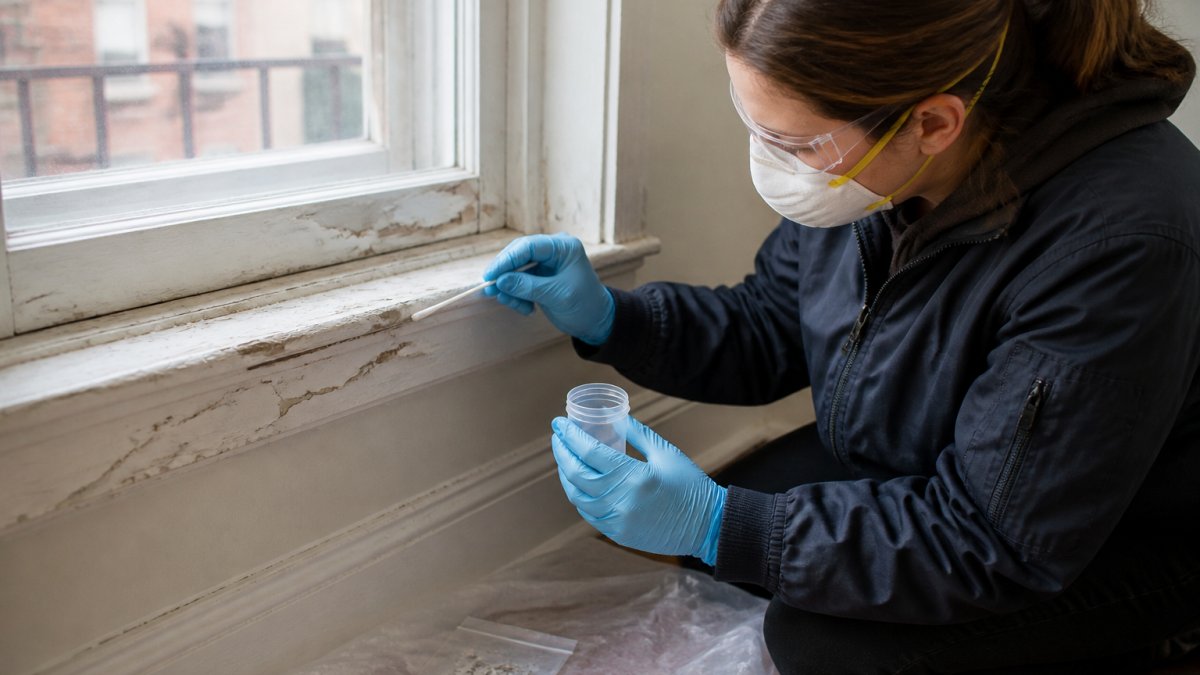
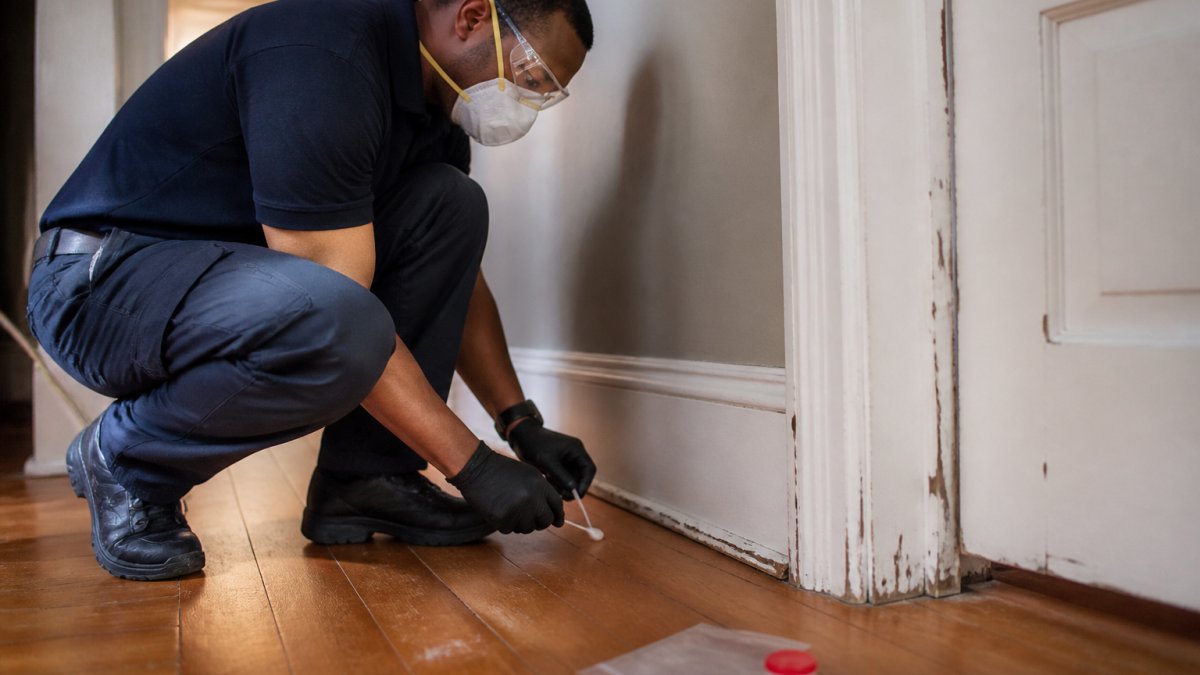
Lead dust wipe testing measures the amount of lead present in settled dust on surfaces where children and tenants actually live. It is the test that most often determines whether a property passes or fails.
An inspector collects wipe samples from specific locations, and the choice of locations is not random. Standard sampling targets:
- Floors in rooms where children spend time
- Window sills and window troughs, where dust accumulates and paint deteriorates
- Stair treads and other friction surfaces
- Entryways and common areas in multi-unit buildings
The samples go to an EPA-approved laboratory for analysis. Results typically return within a few business days, and the numbers determine whether each sampled surface is above or below the applicable clearance level.
This is the part that surprises landlords. A property can look clean, show no peeling paint, and still fail a dust wipe test. Lead dust is often invisible.
Lead Inspection Records for Rental Properties: What to Keep and For How Long
Lead inspection records for rental properties should be retained for as long as the property is used as rental housing, and associations should advise members to keep them permanently where feasible. Records are the only proof of status.
At minimum, each property file should contain:
- The lead inspection or risk assessment report
- Laboratory results for all dust wipe samples
- The lead-safe certificate or lead-free certification
- Documentation of any corrective action taken after a failed test
- Dates of all inspections and the credentials of the assessor
Associations that maintain a shared template for this file save members significant time during license renewal. A standard folder structure, applied across every property, turns a scattered pile of PDFs into a verifiable record.
Lead-Safe Certification for Rental Properties: Validity, Renewal, and Verification
Lead-safe certification for rental properties is a time-limited document, not a permanent badge. Certificates expire, and an expired certificate is functionally the same as no certificate when a license renewal comes due.
Verification is where associations add the most value. Rather than trusting a member's word, a verification workflow confirms three things: that the certificate exists, that it is current, and that it was issued by a properly credentialed inspector. For associations managing dozens or hundreds of properties, this is the difference between a compliance program and a filing cabinet.
How Associations Can Build a Status-Verification Workflow for Members
A workable workflow has four stages, and it should take a member less than ten minutes to complete each one.

- Inventory. List every pre-1978 property in the member's portfolio with its address and unit count. Pre-1978 is the trigger year for lead-based paint requirements; post-1978 properties generally fall outside the rental lead certification rules, though associations should confirm local variations.
- Collect. Gather the current lead certificate, inspection report, and lab results for each property into one folder per address.
- Verify. Check the certificate's expiration date and the assessor's credentials. Flag anything expired or missing.
- Track. Log the status in a shared spreadsheet or association portal, with a renewal date for each property.
The document checklist every property file should contain.
- The lead inspection or risk assessment report
- Laboratory results for all dust wipe samples
- The lead-safe certificate or lead-free certification
- Documentation of any corrective action taken after a failed test
- Dates of all inspections and the credentials of the assessor
Retention guidance. Lead inspection records for rental properties should be retained for as long as the property is used as rental housing, and associations should advise members to keep them permanently where feasible.
Renewal mechanics. Build renewal reminders around the certificate's expiration date, not the rental license date. The two rarely align, and the lead certificate is usually the shorter clock.
Communication and governance. Associations add value by standardizing how status is described to tenants, owners, and regulators.
This is also where a professional inspection partner simplifies the process. At 99leadsafe.com, we provide lead-safe inspection and certification with EPA-approved lab analysis, results in two to seven business days, and documentation formatted for filing.
Conclusion: Turning Lead Safety Status Into a Shared Standard
The hardest part of lead compliance is not the inspection. It is keeping hundreds of certificates, lab results, and renewal dates straight across a membership that changes every year.
99leadsafe.com handles the inspection, the EPA-approved lab analysis, and the certification paperwork so your members get a clear, current status for every property. We offer expedited service when a lease signing or license renewal is close. Get started with 99leadsafe.com and give every member a lead safety status they can prove.
Frequently Asked Questions
How can landlords determine whether a rental property is lead-safe?
A landlord can determine lead safety status by hiring a certified inspector to perform a lead dust wipe test and visual paint condition assessment. The inspector collects dust samples from floors, window sills, and window wells, then submits them to an EPA-approved lab. Results show whether lead dust levels fall below the EPA clearance thresholds. If the property passes, the inspector issues documentation confirming lead-safe status. Landlord associations can help members by maintaining a list of qualified inspectors and reminding them that a visual check alone does not confirm lead-safe status.
What does a lead-safe certificate confirm?
A lead-safe certificate confirms that a specific rental unit passed a lead dust wipe test and visual inspection at the time of testing. It does not mean the property is lead-free. Lead-based paint may still be present, but the certificate shows that dust levels and paint conditions meet EPA standards. The certificate applies to the unit tested, not the entire building, unless every unit was inspected. Certificates have expiration dates, so associations should remind members to track renewal deadlines and schedule retesting before the certificate lapses.
When do rental properties need lead dust wipe testing?
Rental properties built before 1978 typically need lead dust wipe testing when a new tenant moves in, when a lease is renewed, or when the prior certificate expires. Philadelphia rental lead requirements also call for testing after any repair or renovation that disturbs painted surfaces. Landlord associations should advise members to test before every new occupancy and to keep certificates current. Testing intervals vary by jurisdiction, so associations can help by publishing a simple calendar that shows when each member's properties are due for retesting.
What records should landlords keep after a lead inspection?
Landlords should keep the full inspection report, laboratory results, the lead-safe certificate, and any corrective action documentation. Store records for at least three years, though keeping them for the life of the tenancy is safer. Lead inspection records for rental properties should include the inspector's name and certification number, the date of testing, the specific units tested, and the lab's accreditation details. Associations can provide a standard recordkeeping template so every member stores the same documents in the same format, making it easier to verify compliance across the group.
How can a landlord prepare a rental property for a lead dust inspection?
Preparation starts with a visual check. Repair any peeling paint, damaged window frames, or deteriorated surfaces before the inspector arrives. Clean floors, window sills, and window wells so dust samples reflect current conditions, not construction debris. Remove any furniture or stored items blocking access to windows and doors. Landlord associations can distribute a one-page preparation checklist that members hand to property managers. A prepared unit passes faster, and retesting costs are avoided when the first inspection succeeds.
Who can perform lead dust testing for a rental property?
Lead dust testing must be performed by a certified lead inspector or risk assessor. In Philadelphia, inspectors must hold current certification and use EPA-approved laboratories for sample analysis. Landlord associations should verify that any inspector they recommend carries active credentials and can produce documentation that holds up if the city questions it. Associations can maintain a vetted vendor list and review each inspector's certification status annually. Using an uncertified tester puts the landlord's compliance at risk and may invalidate the results.
How should landlords respond if a lead inspection identifies a hazard?
When an inspection identifies a lead hazard, the landlord must act quickly. Stop any work that could disturb the hazard, notify tenants if required, and hire a certified remediation contractor to perform corrective action. After remediation, the property must be retested to confirm clearance. Landlord associations can help by keeping a list of certified remediation companies and by walking members through the timeline: assess, remediate, retest, document. Fast action protects tenant health and reduces the landlord's liability exposure.