 listicle
Lead Based Paint Inspector: How to Choose One in 2026
Table of Contents
- What a Lead Based Paint Inspector Actually Does
- EPA Certification and State Requirements for Inspectors
- What to Look For in a Lead Based Paint Inspector
- Lead Dust Testing Philadelphia Landlords Can Rely On
- Lead Testing for Landlords: Certificates, Timelines, and Retests
- Lead Inspection Norristown PA: Same Rules, Same Deadlines
- How to Prepare Your Property Before the Inspector Arrives
- Frequently Asked Questions
Last Updated: October 2, 2026
What a Lead Based Paint Inspector Actually Does
A lead based paint inspector is a certified professional who tests painted surfaces in pre-1978 housing for lead content and documents the results in a report that satisfies regulators. In Philadelphia, that report is often the document standing between a landlord and a rental license. At 99leadsafe.com, we run these inspections daily for landlords, property managers, and child-care operators across the Greater Philadelphia area, and the questions we hear are always the same: what does the inspector actually test, and will the paperwork hold up?
Inspection vs. risk assessment
A lead-based paint inspection tells you where lead paint exists (the EPA). A risk assessment tells you whether those surfaces are currently creating a hazard, through deteriorated paint, dust, or soil. The distinction matters because the two require different certifications under EPA lead program requirements, and the wrong report can stall a rental license application.
XRF testing and dust wipe sampling
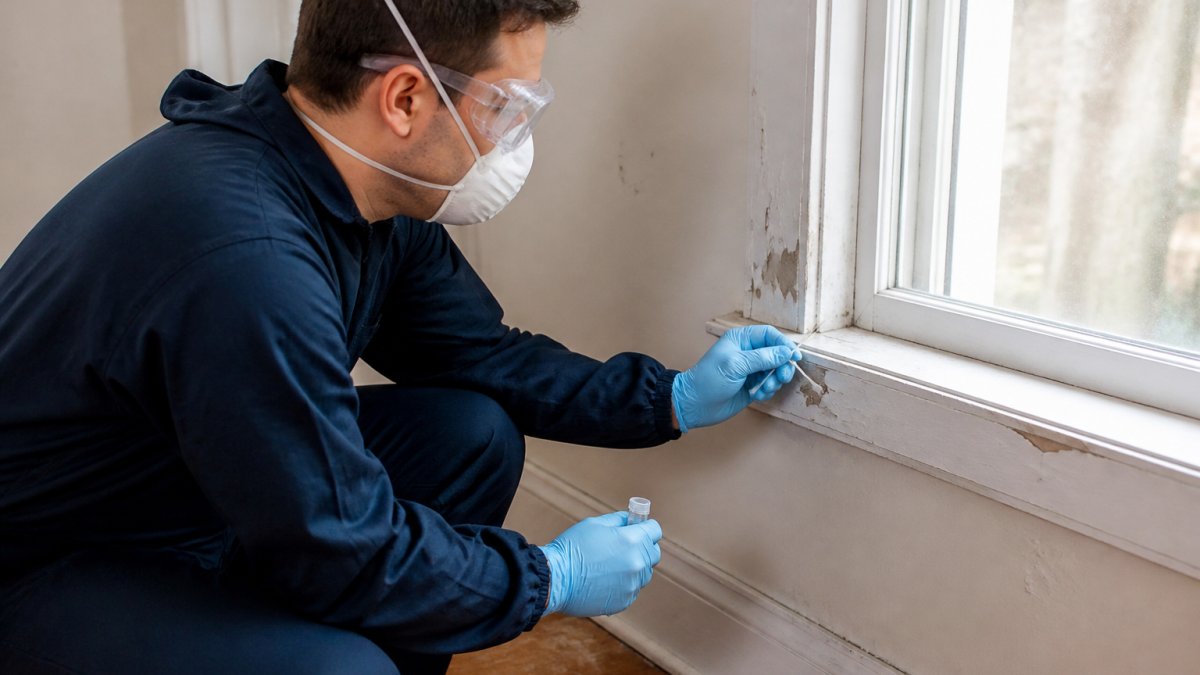
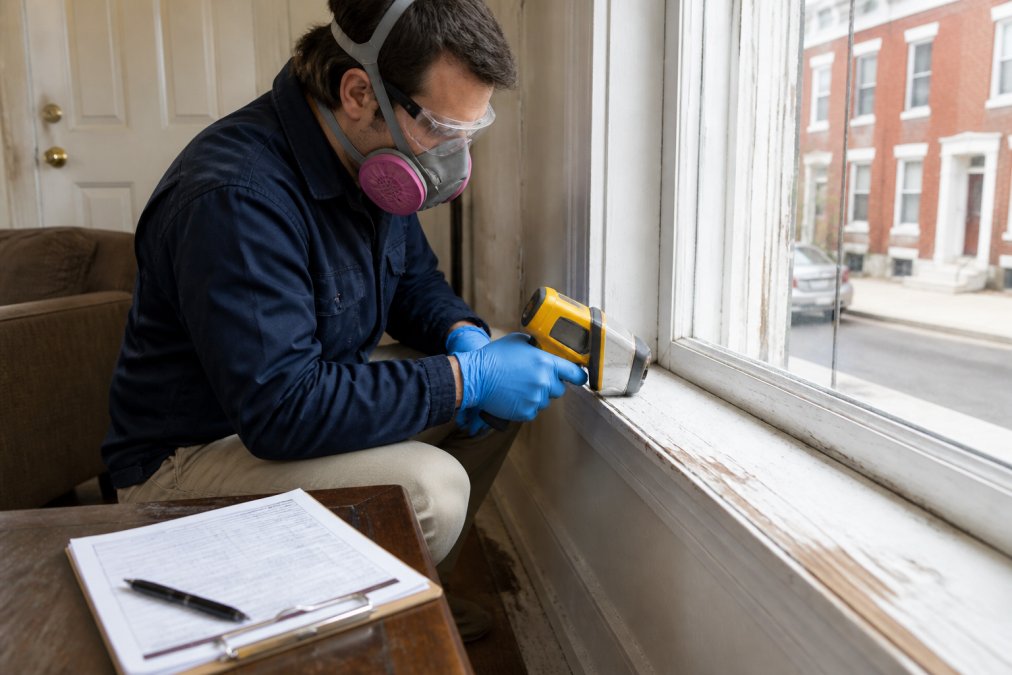
XRF testing uses an X-ray fluorescence analyzer to read lead content through paint without damaging the surface. Dust wipe sampling collects settled dust from floors, windowsills, and window troughs for lab analysis. For rental compliance, the dust results usually carry the most weight.
EPA Certification and State Requirements for Inspectors
Every legitimate lead based paint inspector holds EPA certification or works under an accredited firm. Pennsylvania does not run its own separate lead inspector licensing program, so federal requirements govern who may test and certify. Ask for the certification number before you book, then verify it.
What to Look For in a Lead Based Paint Inspector
Hiring the right inspector is a verification exercise, not a vibe check. Three things separate a compliant provider from a liability: a current individual certification, an accredited firm behind that individual, and an accredited laboratory analyzing the dust wipes. If any one of those is missing, the report can be rejected during a Philadelphia rental license review, and you will pay twice.
Questions to ask before you book
- What is your EPA certification number, and what is your firm's accreditation number?
- Which accredited laboratory analyzes your dust wipes, and is the lab named on the report?
- How many business days until I receive the report, and is that in writing?
- Do you provide filing instructions for the rental license submission?
- If the property fails, what does a retest involve, and how is it scheduled?
- Will you test window troughs, not just sills and floors?
Red flags that should end the conversation
An inspector who offers to "make sure it passes" is not inspecting, they are selling a document, and that document will not survive scrutiny. One who hands you a DIY swab result as compliance documentation is wasting your money, because retail swabs are screening tools, not certified reports. And one who cannot name their lab, their certification number, or their firm's accreditation in a single reply is telling you how the rest of the engagement will go.
Lead Dust Testing Philadelphia Landlords Can Rely On
Lead dust testing in Philadelphia is the step that decides most compliance outcomes, because dust, not intact paint, is what triggers failed certificates. The test is straightforward: wipe a measured area, seal the sample, send it to an accredited lab, and compare results against federal clearance levels.
Lead Testing for Landlords: Certificates, Timelines, and Retests
Lead testing for landlords is a recurring obligation, not a one-time task. Philadelphia requires lead-safe certification for rental units in pre-1978 buildings, and certificates expire, which means the clock restarts. Treat it as a maintenance schedule, not a project.
| Stage | What Happens | Typical Timeline |
|---|---|---|
| Booking | Schedule inspection, confirm certification | Same week |
| On-site testing | XRF reads plus dust wipe collection | 1-2 hours |
| Lab analysis | Accredited lab processes wipes | 2-7 business days |
| Report delivery | Certificate or failure notice issued | With lab results |
| Retest (if failed) | Clean, then re-wipe affected surfaces | After remediation |
Lead Inspection Norristown PA: Same Rules, Same Deadlines
Lead inspection in Norristown PA follows the same federal framework as Philadelphia, because the requirement flows from the age of the housing stock, not the municipality. Older rowhouses and converted multifamily buildings in Norristown carry the same testing obligations as their city counterparts, and the same pre-1978 trigger applies. What changes is logistics, not law: scheduling, travel, and how quickly a crew can reach a given address vary by location, but the documentation standard does not.
What drives the cost of a lead inspection
Pricing for a lead-safe inspection and certification is not arbitrary. The factors that move the number are the same ones that move the clock:
- Unit count and square footage. A single rental unit is a smaller engagement than a multi-unit building, and pricing typically scales with the number of dwelling units tested.
- Number of windows and tested components. Window troughs, sills, and floors are each sampled separately, so a unit with many windows takes longer and costs more than one with few.
- Dust wipe sampling volume. More samples mean more lab analysis, and lab analysis is a real line item in every quote.
- Turnaround speed. Expedited lab processing costs more than standard processing, which is why a lease-signing deadline changes the price.
- Retest scope. If the property fails, a retest of the affected surfaces only is cheaper than a full re-inspection, but only if the provider prices retests separately and transparently.
How to prepare so you pass the first time
Preparation is the cheapest insurance you can buy. Dust wipes measure settled dust, so a unit that looks clean can still fail if troughs and tracks were missed. The checklist below is the same one we give landlords before every visit:
- Confirm the inspection date with tenants in writing
- Clear furniture away from windows and baseboards
- Vacuum and wet-wipe floors, sills, and window troughs
- Repair peeling or chipping paint before the visit
- Collect the certification number and lab name in advance
- Have your rental license application details ready
When landlords need lead testing
Lead testing for landlords is a recurring obligation, not a one-time task. Philadelphia requires lead-safe certification for rental units in pre-1978 buildings, and certificates expire, which means the clock restarts. Treat it as a maintenance schedule, not a project. The same logic applies in Norristown: if the building predates 1978 and you rent it, you need a current Lead-Safe Certificate on file.
How to Prepare Your Property Before the Inspector Arrives
Preparation is simple, and it protects your result. Clear access to every painted surface, especially windows, and remove tenant belongings from testing areas. Dust wipes measure settled dust, so a recently cleaned unit can still fail if troughs and tracks were missed.
- Confirm the inspection date with tenants in writing
- Clear furniture away from windows and baseboards
- Vacuum and wet-wipe floors, sills, and window troughs
- Repair peeling or chipping paint before the visit
- Collect the certification number and lab name in advance
- Have your rental license application details ready
Frequently Asked Questions
How does a lead based paint inspector test for hazards?
Inspectors use two main methods. An XRF analyzer sends X-rays into painted surfaces and reads the lead content without damaging the wall, which is why it is the standard tool for a surface-by-surface investigation. For dust, inspectors collect wipe samples from floors, windowsills, and window troughs, then send them to an EPA-approved lab. Some inspectors also take soil samples near the foundation. You get a written report listing each tested surface and its result, which you file with your certification paperwork.
Do landlords in Philadelphia need a lead-safe certificate?
Yes. Philadelphia requires landlords of pre-1978 rental properties to certify that the unit is lead-safe or lead-free before obtaining or renewing a rental license. Certification involves a visual assessment plus dust wipe sampling, and it must be renewed, so check the current interval with the city when you file. A passing certificate lets you rent legally and protects you if a tenant files a complaint. Skipping it risks fines and license denial.
What happens if a property fails a lead-based paint inspection?
A failed dust test means lead levels exceeded the EPA clearance thresholds on one or more surfaces. You clean the affected areas using wet methods and HEPA vacuuming, then schedule a retest. Many landlords pass on the second attempt once windowsills and floors are properly cleaned. If paint is deteriorating, you may need a certified firm to repair or stabilize it before retesting. Budget for at least one retest and ask your inspector how retests are priced before you book.
How long does a lead-safe certification remain valid for rental properties?
Validity depends on your local jurisdiction and the type of certificate issued, so confirm the current renewal window with the city when you receive your documentation. Many landlords set a calendar reminder well before expiration because a lapsed certificate can block a rental license renewal. If you turn over units often, keep copies of every certificate with your lease files. Your inspector should hand you filing instructions along with the report so nothing gets missed.
Can I use a store-bought test kit instead of hiring an inspector?
Swab kits sold at retail can flag possible lead on a single spot, but they are not accepted for rental compliance, and they miss dust, which is the main exposure risk for children. Philadelphia and other jurisdictions require results from a certified inspector using an XRF analyzer and lab-analyzed dust wipes. Use a kit if you want a quick heads-up before a renovation, but book a professional inspection for anything tied to a rental license or a child-care facility.
Philadelphia's lead rules do not wait for a convenient moment, and a lapsed certificate can put a rental license at risk. 99leadsafe.com handles the full process for landlords across the Greater Philadelphia area: $99 lead-safe inspection and certification, EPA-approved lab analysis, results in two to seven business days, and clear filing instructions so your paperwork holds up the first time. Get started with 99leadsafe.com and keep every unit compliant without the guesswork.