 listicle
10 Signs Your Home Needs a Lead Inspection
Table of Contents
- Why Older Homes and Rental Properties Need a Lead Inspection
- 10 Signs Your Home Needs a Lead Inspection
- Signs of Deteriorating Lead Paint: What Peeling, Chipping, and Cracking Really Tell You
- Lead Paint Inspection Versus Risk Assessment: Which One Do You Need?
- Lead Dust Wipe Testing: The Step Visual Checks Cannot Replace
- When a Lead-Safe Certificate for Landlords Becomes a Legal Requirement
- What to Do After a Positive Lead Test Result
- Frequently Asked Questions
Last Updated: October 17, 2026
Why Older Homes and Rental Properties Need a Lead Inspection
A lead inspection is a professional on-site evaluation that determines whether lead-based paint is present in a home and, if so, exactly where it is located. At 99leadsafe.com, we run these inspections for landlords and property owners across Greater Philadelphia.
If your building went up before 1978, lead paint was likely used somewhere in it. That single fact is why a lead inspection matters more for older housing stock than for anything built in the last four decades.
Homes Built Before 1978 and Age-Related Risk
Federal rules banned lead-based paint in residential housing in 1978. Any home built before that year is treated as a potential lead hazard until testing proves otherwise.
Age alone does not create a hazard. Paint in good condition usually stays put. The problem starts when painted surfaces begin to break down, and that is when lead ends up in household dust where children and families actually breathe it in.
EPA's Protect Your Family From Lead in Your Home pamphlet explains that an inspection identifies whether lead-based paint is present and where it is located. That location detail is what separates a useful inspection from a vague one.
10 Signs Your Home Needs a Lead Inspection
The ten warning signs below are the ones we see most often in pre-1978 rentals. Any single sign is a reason to test. Two or more together usually means you should schedule an inspection before your next tenant moves in.
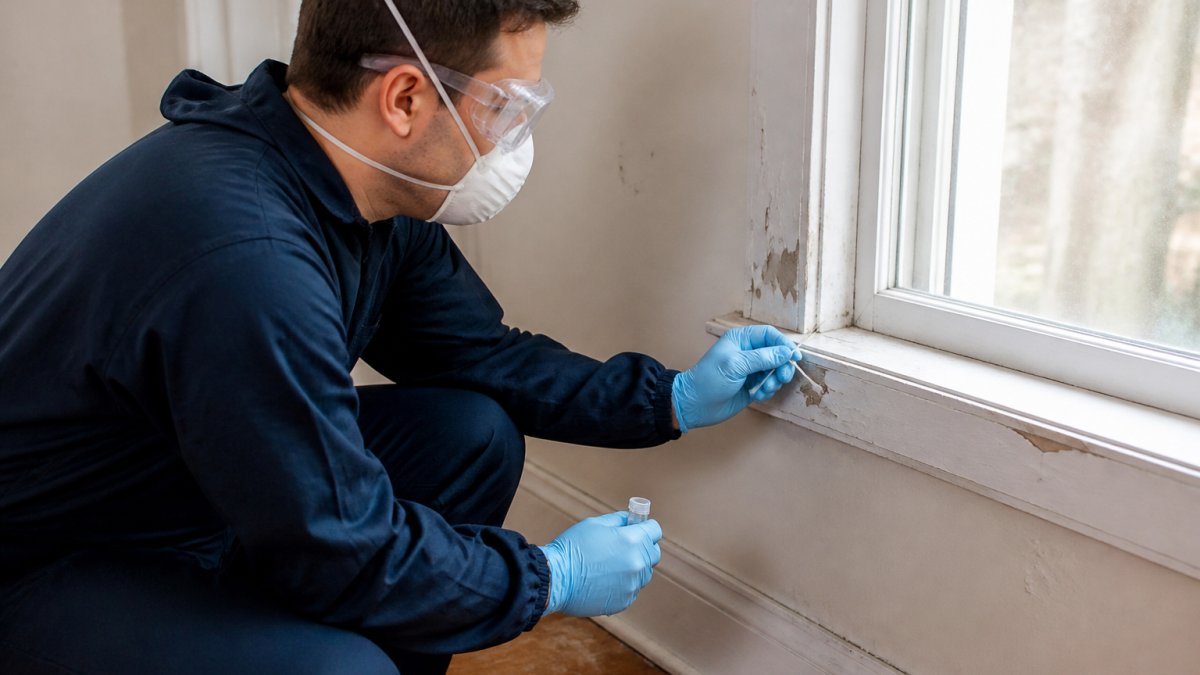
- Peeling, chipping, or cracking paint on walls, trim, or ceilings
- Chalky residue that rubs off on your hand when you touch a painted surface
- Friction points around windows and doors that grind paint into dust every time they open
- Renovation or repair work disturbing painted surfaces
- A child under six living in or regularly visiting the property
- Visible dust buildup near windows, baseboards, and door frames
- Bare soil against the foundation where paint has weathered off
- Amateur or unpermitted past renovations with no documentation
- A rental license renewal or new lease requiring certification
- Any previous owner who never tested the property
Signs of Deteriorating Lead Paint on Interior and Exterior Surfaces
Deteriorating paint is the number one trigger for testing. Look at interior and exterior surfaces separately, because they fail in different ways.
Inside, check window sills, door frames, stair rails, and baseboards. These are high-friction areas where paint wears down fastest. Outside, check porches, railings, siding, and window trim, since weather breaks paint down faster outdoors.
Signs Beyond Visible Paint Damage
Not every warning sign is something you can see. Some of the strongest signals have nothing to do with paint condition at all.
A property with a clean visual inspection can still have lead in household dust. Friction from a window that opens and closes daily grinds old paint into fine particles you will never spot from across the room. Past renovations are another invisible clue: if someone sanded or scraped painted surfaces years ago without containment, dust may have settled into carpets, crevices, and ductwork.
Signs of Deteriorating Lead Paint: What Peeling, Chipping, and Cracking Really Tell You
Peeling, chipping, and cracking paint tell you that a painted surface is breaking down and releasing material into the home. Chalking, where paint leaves a fine powder on your hand, is the same problem in a different form.
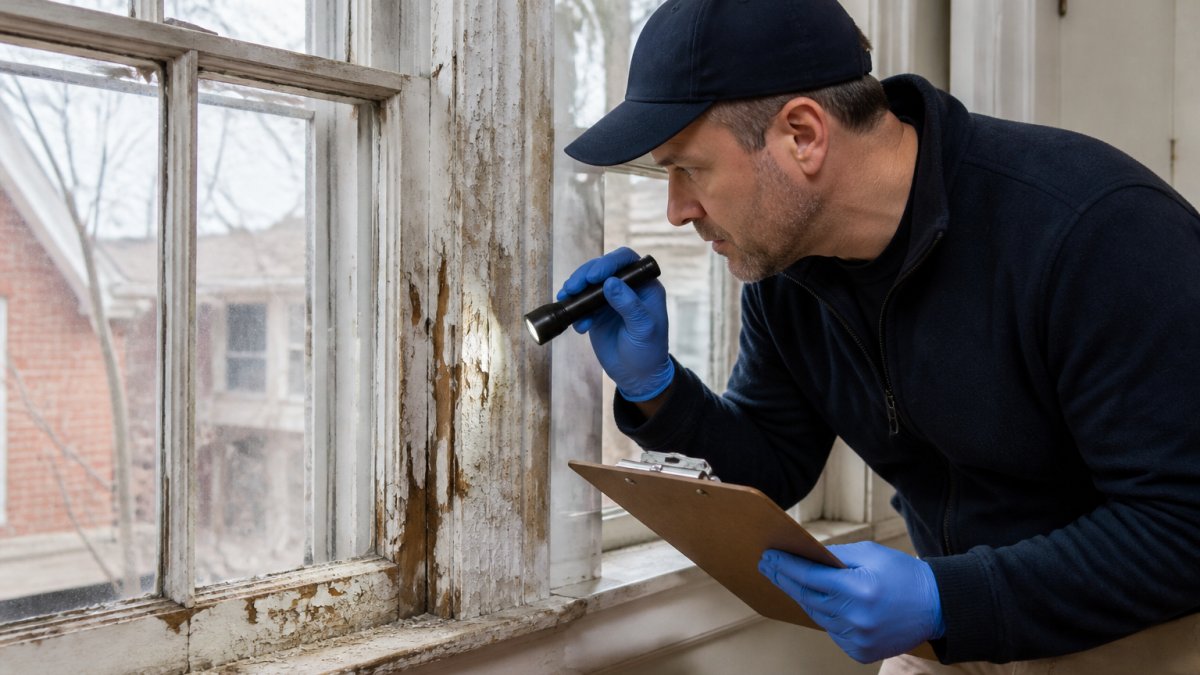
These conditions matter because they turn a stable coating into a dust source. A window that sticks and grinds every time it opens is spreading lead dust across the sill and into the room.
What most guides miss is that the surface condition, not the paint's age, drives the risk. Intact paint on a 1920s wall is a far smaller problem than failing paint on a 1955 window frame.
Lead Paint Inspection Versus Risk Assessment: Which One Do You Need?
A lead paint inspection tells you whether and where lead-based paint exists. A risk assessment goes further and evaluates the presence, type, severity, and location of lead hazards, including dust and soil. The two answer different questions.
| Service | What It Answers | Best For |
|---|---|---|
| Lead paint inspection | Is lead paint present, and where? | Certification, disclosure, pre-renovation checks |
| Risk assessment | What hazards exist, how severe, and where? | Properties with known deterioration or a lead-poisoned child |
| Clearance testing | Is the property clean after repair work? | Confirming work is complete before re-occupancy |
EPA's questions and answers on lead inspections, risk assessments, and abatements draws the same distinction: inspection identifies lead-based paint, while risk assessment investigates hazards. Most landlords pursuing a Lead-Safe Certificate need the inspection. A property with significant deterioration may need both.
Lead Dust Wipe Testing: The Step Visual Checks Cannot Replace
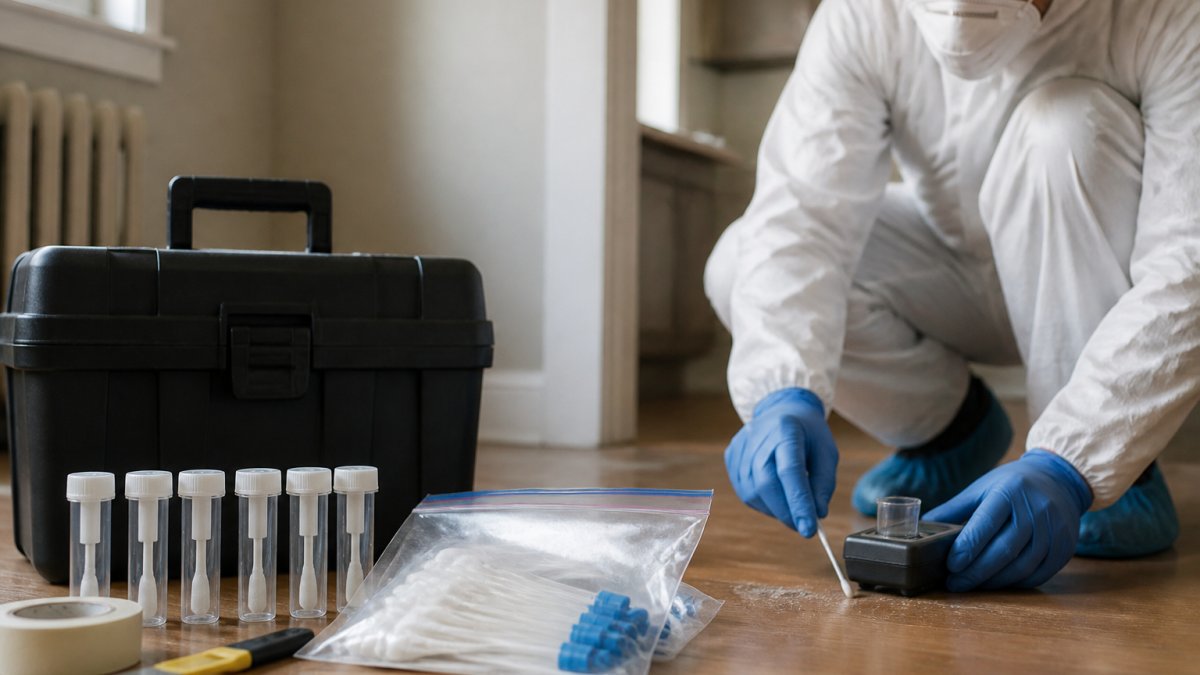
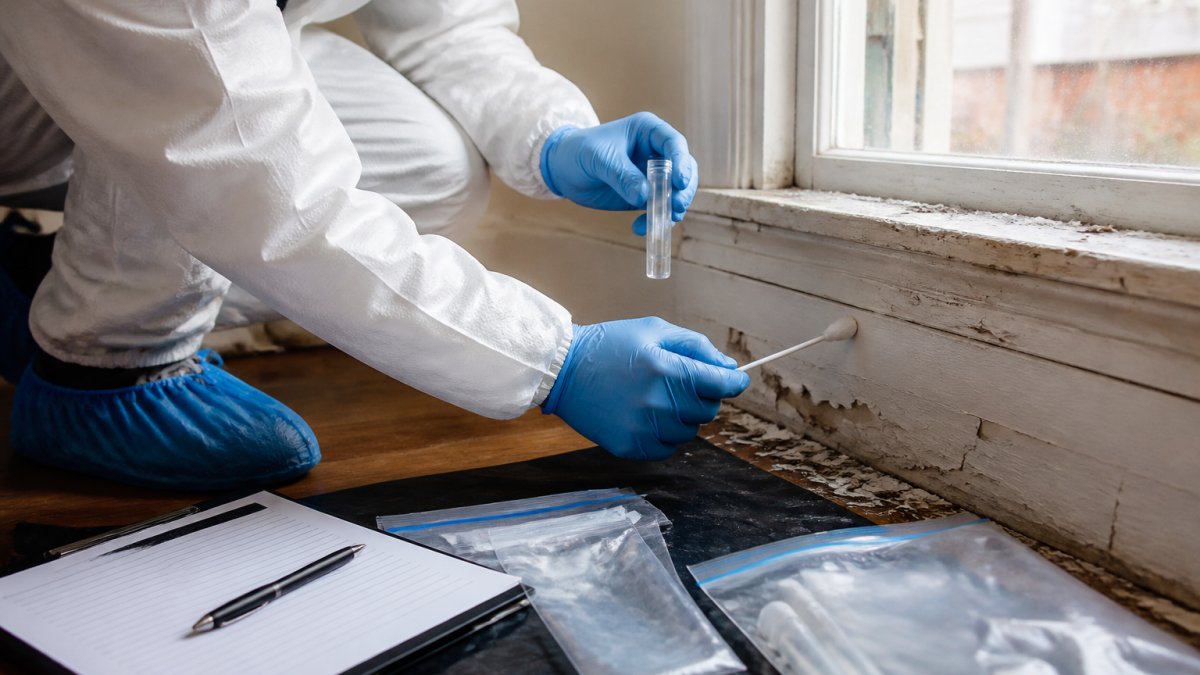
Lead dust wipe testing is the process of collecting surface dust samples from floors, window sills, and window troughs, then sending them to a lab for analysis. It catches the hazard a visual walkthrough misses entirely.
Dust is the main pathway for lead exposure in children. Paint has to be disturbed to become a risk, and dust is what that disturbance leaves behind. A property can pass a visual assessment and still fail a dust wipe test on a single window sill.
We send every dust sample to an EPA-approved lab, with results typically back in 2 to 7 business days. Expedited service is available when a lease signing or license renewal is close. If you are scheduling a Lead Dust Inspection Philadelphia landlords rely on for compliance, the dust wipe is the step that produces the number the city actually cares about.
When a Lead-Safe Certificate for Landlords Becomes a Legal Requirement
A Lead-Safe Certificate for landlords is documentation showing a rental property has been inspected and meets local lead safety requirements. In Philadelphia, certification obligations apply to pre-1978 rental properties, and the specific requirement depends on the property's age and condition.
The city publishes a property lookup tool so owners can check whether their address requires lead-safe or lead-free certification. Philadelphia's Lead and Healthy Homes Program FAQ walks through that disclosure process step by step. Confirm your property's status there before assuming you are exempt, and confirm the current requirements directly with the city, since rules and deadlines change.
The Trigger Events That Require Action
For landlords, the practical trigger points are:
- A rental license application or renewal. Certification is tied to the license cycle for covered properties.
- A new lease. A new tenancy on a pre-1978 unit is a common trigger for certification or disclosure.
- Any renovation that disturbs painted surfaces. Repair or renovation work on painted components can require clearance testing afterward.
- A child under six moving in. Some requirements tighten when a young child will occupy the unit.
Child-care facilities in Eastern Pennsylvania face their own certification requirements, which differ from rental rules. If you are unsure which category applies to you, ask before you book.
Lead-Safe Versus Lead-Free Certification
These are not the same document. A lead-safe certification means the property has been inspected and any lead hazards have been addressed or are being managed. A lead-free certification means the property has been tested and no lead-based paint was found. Most pre-1978 rentals pursue lead-safe, because lead-free is rarely achievable in older housing stock. Knowing which one your property qualifies for prevents you from paying for the wrong inspection.
How to Pass a Lead-Safe Inspection
The inspection itself is not something you can study for, but you can prepare for it. The properties that pass cleanly share a few habits:
- Fix deteriorated paint before the inspection. Peeling, chipping, and chalking surfaces are the most common failure points. Stabilizing them first reduces the chance of a failed dust wipe.
- Clean high-friction areas. Window sills, troughs, and door frames collect dust. A thorough HEPA cleaning before the inspection helps.
- Do not dry-scrape or dry-sand. Disturbing paint without containment spreads dust and can turn a passing unit into a failing one.
- Keep documentation. Prior reports, repair receipts, and contractor certifications speed up the filing process.
At 99leadsafe.com, our $99 Lead Safe Inspection covers the inspection and lab analysis that produce your certification paperwork, and we provide the documentation and filing instructions you need to close out the process.
What to Do After a Positive Lead Test Result
A positive result is not a crisis. It is a work list. The report tells you which surfaces tested positive and which areas need attention, and that is the document you hand to a certified contractor.
Start by reading the report for location, not just outcome. A positive result on a window sill in a hallway is a different job than lead paint throughout the exterior siding.
Then arrange clearance testing after any repair work. Clearance confirms the dust is gone before anyone moves back in. Landlords who skip this step often pass the repair and still fail the follow-up because dust settled elsewhere in the unit.
At 99leadsafe.com, we provide the documentation and filing instructions you need to close out the process, and we can retest once repairs are complete. Our $99 Lead Safe Inspection covers the inspection and lab analysis that produce your certification paperwork.
Frequently Asked Questions
Can I test for lead paint at home with a kit?
Store-bought test kits exist, but results are easy to misread and they only check the spot you swab. A lead inspection uses an XRF analyzer or lab-tested paint chips to identify lead-based paint across painted and glazed surfaces. For rental compliance, a professional inspection and lead dust wipe testing give you documentation that holds up with the city and your tenants.
How much does it cost to test for lead?
Costs vary by property size, number of units, and whether you need paint testing, dust testing, or both. Published national guides list ranges, but the only reliable figure is a quote for your specific property. 99leadsafe.com offers a $99 lead-safe inspection for landlords and property owners in the Greater Philadelphia area, with results in 2-7 business days.
How can I tell if a rental property may have lead paint?
Age is the strongest clue. Homes built before 1978 likely contain lead-based paint, and the older the property, the higher the odds. Look for deteriorating paint on window frames, doors, baseboards, and exterior siding, plus paint dust near friction surfaces. Only a lead inspection or lead paint test can confirm whether lead is present, so treat visible signs as a prompt to schedule testing.
What is the difference between a lead paint inspection and lead dust testing?
A lead paint inspection identifies whether and where lead-based paint exists on painted and glazed surfaces. Lead dust wipe testing measures lead in household dust on floors, windowsills, and other surfaces where children and tenants are exposed. Landlords often need both: the inspection maps the hazard, and dust testing shows whether the property is currently safe for occupancy.
When should a landlord arrange a lead inspection?
Arrange one before renting a pre-1978 unit, before or after renovation or repair work that disturbs paint, and whenever you notice peeling, chipping, or cracked paint. Philadelphia requires lead-safe certification for many rental properties, so check your property's status and schedule testing early enough to get your lead-safe certificate for landlords before a lease signing.
Lead compliance is one of those tasks that stays invisible until a license renewal or a tenant complaint forces it to the front. Getting ahead of it costs far less than reacting to it. 99leadsafe.com offers a $99 lead-safe inspection with EPA-approved lab analysis, results in 2 to 7 business days, and expedited service when your deadline is tight. Get started with 99leadsafe.com and know exactly where your property stands before the city asks.