 how-to
Is Lead Safe Certification Required for All Philly Rentals?
Table of Contents
- Is Lead Safe Certification Required for All Philly Rentals? The Short Answer
- Philadelphia Rental License Lead Requirements: Which Properties Actually Need Certification
- Lead-Safe vs. Lead-Free Certification: What the Distinction Means for Landlords
- Philadelphia Lead Dust Wipe Testing: What Happens During an Inspection
- How to Pass a Lead-Safe Inspection: A Step-by-Step Guide
- Lead Certification Validity in Philadelphia: Renewals, New Leases, and Tenancy Changes
- Landlord Responsibilities, Penalties, and Tenant Remedies Under Philadelphia Law
- Conclusion: Getting Your Philadelphia Rental Certified
- Frequently Asked Questions
Last Updated: October 12, 2026
Is Lead Safe Certification Required for All Philly Rentals? The Short Answer
No, not every rental property in Philadelphia needs lead safe certification.
If your building went up before 1978 and a child under six lives in the unit, you need a Lead-Safe Certificate. That is the core rule.
This guide from 99leadsafe.com breaks down exactly which properties fall under the law, how the inspection works, and what to do if you fail.
Here is what matters: getting this wrong can stall your rental license, expose you to fines, and put your tenants at risk.
Philadelphia Rental License Lead Requirements: Which Properties Actually Need Certification
Philadelphia ties lead certification directly to its rental license system. You cannot get or renew a rental license for certain properties without proving lead safety first.
The Philadelphia Department of Public Health lead prevention program oversees these requirements. The rules apply to specific property types and situations.
Properties Built Before 1978
Any rental property constructed before 1978 falls under federal and local lead paint regulations. The federal government banned lead-based paint in residential housing in 1978, so older buildings carry the highest risk.
But age alone does not trigger the certification requirement. You need the second factor too.
Tenant Age and the Children Under Six Rule
A child under six living in the unit is the trigger. If no children under six reside there, the certification requirement does not apply, even in a pre-1978 building.
This creates a practical problem. Tenants move in and out. A unit that did not need certification last year might need it now.
- Pre-1978 building + child under six = certification required
- Pre-1978 building + no young children = certification not required
- Post-1978 building = certification not required
Lead-Safe vs. Lead-Free Certification: What the Distinction Means for Landlords
These two terms sound similar but mean very different things. Understanding the difference saves you time and money.
Lead-safe certification means your property has no lead hazards present. The paint may still contain lead, but it is intact and not creating a hazard.
Lead-free certification means the property contains no lead-based paint at all. This is rare in older buildings and requires more extensive testing.
For most Philadelphia rentals, lead-safe is the goal. It is faster, less expensive, and meets the legal requirement.
Philadelphia Lead Dust Wipe Testing: What Happens During an Inspection
Lead dust wipe testing is the backbone of a Lead Safe Certificate Philadelphia landlords can actually use.
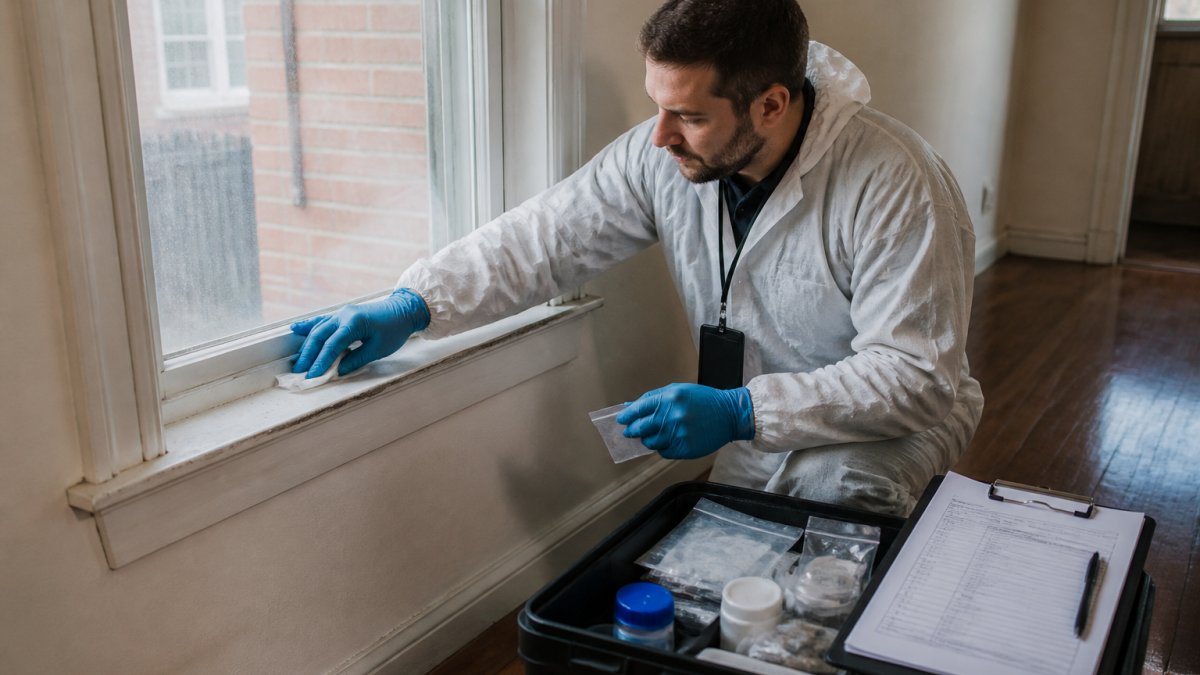
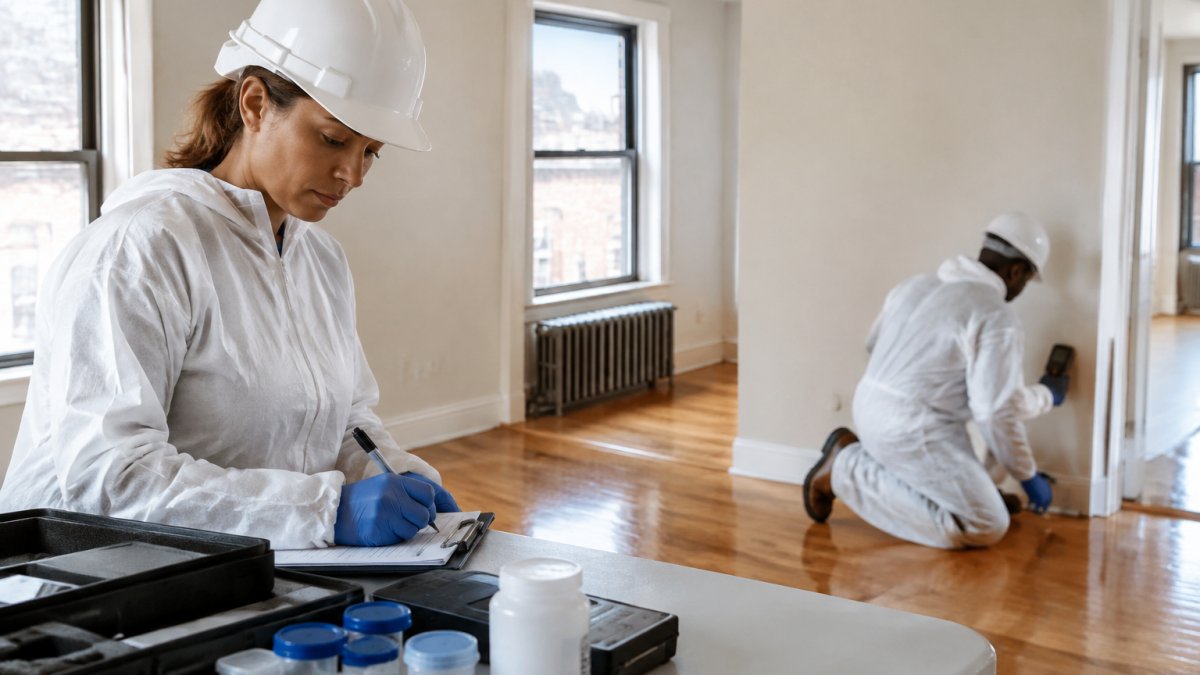
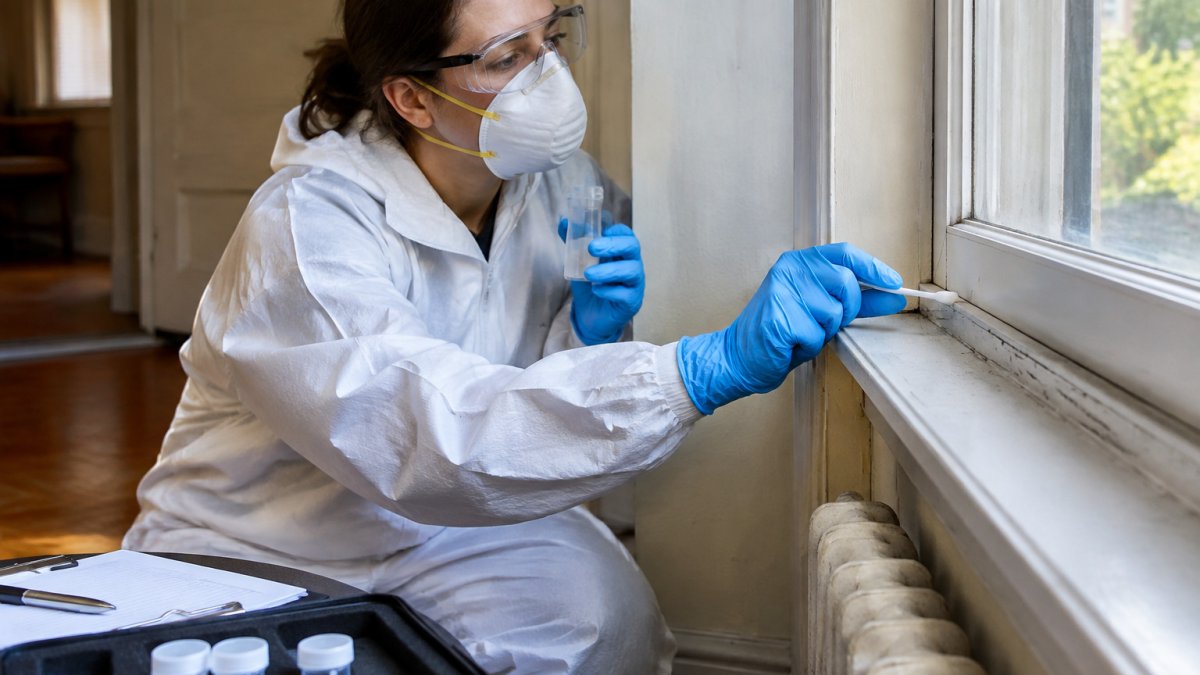
A certified technician, someone trained under the EPA's lead program, visits the unit and collects wipe samples from specific surfaces. The EPA's lead renovation and repair rules set the safety and sampling standards inspectors follow, and the lab analysis is what actually determines pass or fail.
What a Certified Technician Tests
The technician wipes high-risk areas where lead dust accumulates and where children are most likely to contact it:
- Windowsills and window troughs (the most common failure point in older rowhouses)
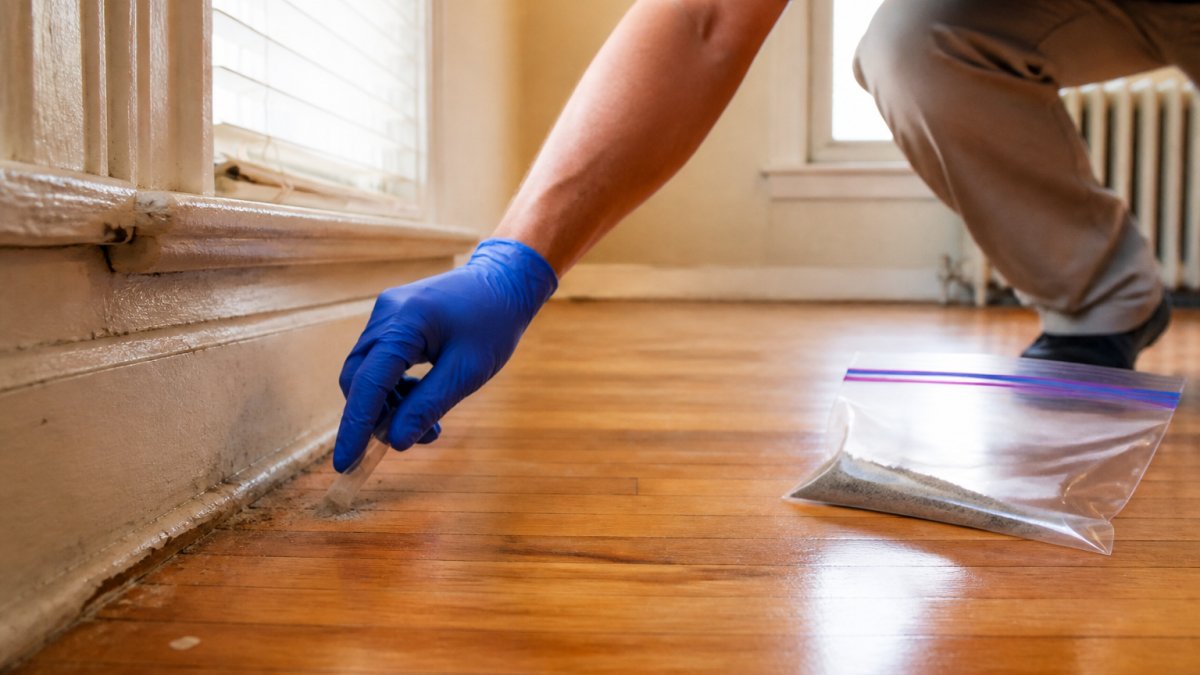
- Floors, especially within a few feet of windows and doors
- Stair treads and handrails
- Entryways, porches, and common areas in multifamily buildings
- Any surface with deteriorating, chipping, or friction-damaged paint
How the Dust Wipe Sampling Actually Works
Each sample is collected with a fresh wipe over a measured area, typically about one square foot, following a standardized pattern. The wipe is sealed, labeled, and sent to an accredited laboratory.
Two sampling approaches matter to landlords:
- Single-surface samples tell you exactly which surface failed, which is useful when you need to remediate a specific windowsill.
- Composite samples combine several similar surfaces (for example, multiple windowsills in one unit) into a single lab test. Composite sampling is common because it lowers lab cost, but if a composite fails, the inspector has to go back and test surfaces individually to find the source.
What the Numbers Mean
The lab reports lead loading on each surface in micrograms per square foot (µg/ft²). Clearance is judged against recognized dust-lead hazard levels, floors, interior windowsills, and window troughs each carry their own threshold. A surface at or above the threshold is a hazard; below it, the surface passes. Your inspector should walk you through which specific surfaces failed and by how much, because that determines how much remediation is needed.
Turnaround and Reporting
Samples go to an accredited lab. Results typically come back in 2 to 7 business days. You receive a report showing each sampled location, the lab result, and the overall pass or fail determination. If the unit passes, that report is the documentation you file with the city as part of your rental license process.
Why This Matters for Lead Testing for Landlords
A Lead Dust Inspection Philadelphia landlords can rely on is not a visual walkthrough. It is a lab-verified measurement. Understanding the sampling method and the pass/fail thresholds lets you prepare the unit properly, interpret your report accurately, and avoid paying for a retest you did not need.
How to Pass a Lead-Safe Inspection: A Step-by-Step Guide
Most properties pass on the first try when landlords prepare properly.
Step 1: Identify your risk areas. Walk through the unit and note any peeling, chipping, or damaged paint.
Step 2: Address obvious hazards before inspection. Wipe down surfaces with a wet cloth.
Step 3: Schedule your inspection. Book with a certified inspector.
Step 4: Prepare tenant access. Coordinate with your tenant so the inspector can access all areas.
Step 5: Review your report. If you pass, you receive certification documentation.
| Situation | Action Needed | Timeline |
|---|---|---|
| Pre-1978 + child under six | Full lead-safe inspection | Before lease signing |
| Pre-1978 + no young children | No certification required | Monitor tenant changes |
| Post-1978 property | No certification required | Standard license renewal |
| Failed inspection | Remediate and retest | Before license renewal |
What Happens If Your Property Fails
A failed inspection is not the end. It means the lab found lead dust above acceptable levels.
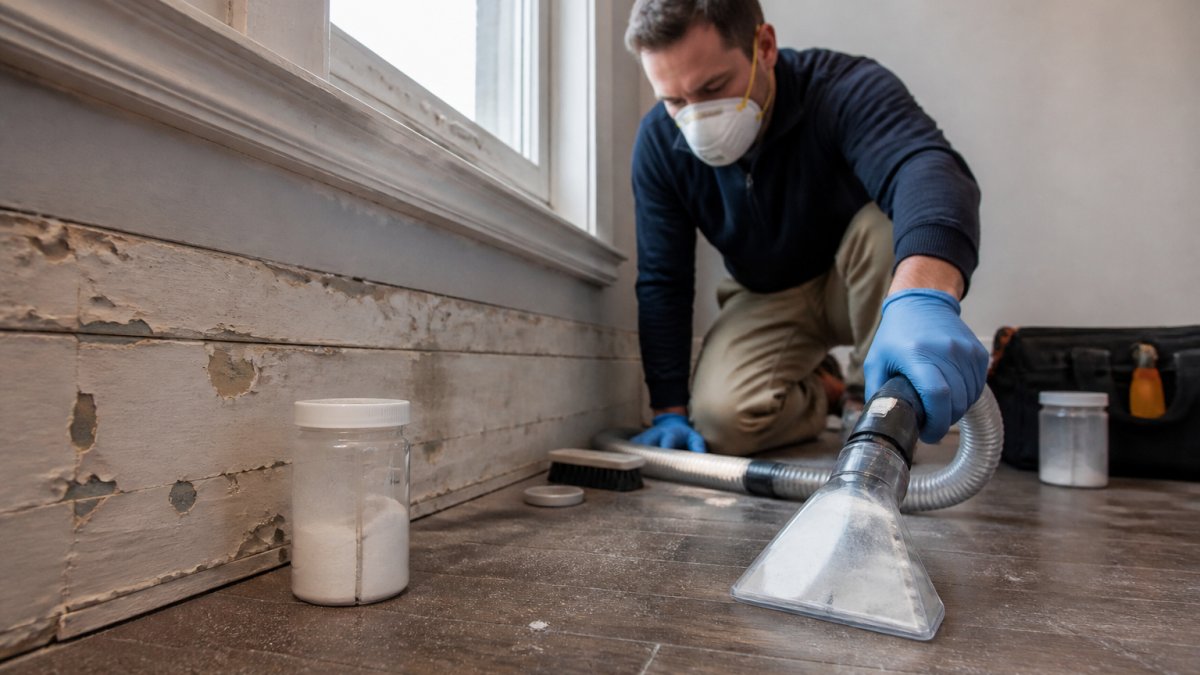
You have options. Clean the affected areas thoroughly using wet methods. Address any deteriorating paint. Then schedule a retest.
The key is acting quickly. Delays can push back your rental license and create legal exposure.
Lead Certification Validity in Philadelphia: Renewals, New Leases, and Tenancy Changes
This is the question most landlords get wrong, and it is the one the top-ranking pages leave unanswered: a Lead Safe Certificate Philadelphia issues is not a permanent pass. It is tied to a point in time and to the conditions of the unit when it was tested. When those conditions change, the certificate's usefulness changes with them.
How Long Certification Lasts
A lead-safe certification reflects the condition of the property on the day the dust wipe samples were collected. Practitioners generally treat certification as valid for a defined period and require a fresh inspection when that period lapses or when a triggering event occurs. Because the city's requirements are updated periodically, confirm the current validity window with the Philadelphia Department of Public Health before you rely on an older certificate, do not assume last year's report still satisfies this year's rental license renewal.
Events That Trigger a New Inspection
Even inside the validity window, certain events reset the clock:
- A new lease is signed with a household that includes a child under six
- A child under six moves into the unit mid-tenancy, even if the prior tenant had no young children
- The certificate has expired and you are renewing your rental license
- Remediation or repair work disturbs painted surfaces, repainting, window replacement, or renovation can create new dust hazards that invalidate the prior clearance
- A tenant reports deteriorated paint or a suspected lead hazard
The Tenancy-Change Problem
This is where the "is it required for all rentals" question gets practical. A unit that did not need certification last year, because no child under six lived there, can need it this year the moment a family with a young child signs a lease.
A common pattern among property managers is to build a simple tracking habit: note the age of children in each household at lease signing, and flag any unit where a child will turn six within the certification window.
Verifying a Property's Certification Status
If you are buying a rental, inheriting a property manager's files, or simply unsure whether a prior certificate is still good, verify rather than assume. The city maintains records tied to rental licensing, and the Philadelphia Department of Public Health lead prevention program is the starting point for confirming what is on file for a given address.
Renewal Checklist for Landlords
- Confirm the current validity window before relying on an old certificate
- Re-inspect before any new lease with a child under six
- Re-inspect after any renovation that disturbs paint
- Keep lab reports and certificates on file for each unit
- Track tenant household ages so a mid-lease move-in does not catch you off guard
Landlord Responsibilities, Penalties, and Tenant Remedies Under Philadelphia Law
Landlords carry the legal burden here. The city holds property owners responsible for lead safety compliance.
Failing to certify when required can result in fines, loss of your rental license, and legal action from tenants. The U.S. Department of Housing and Urban Development lead safety guidelines provide additional context on landlord obligations.
Tenants have remedies too. They can report violations to the city, and in some cases, they may withhold rent or break their lease.
Conclusion: Getting Your Philadelphia Rental Certified
The rules are clear once you know what to look for. Pre-1978 property plus a child under six means you need lead safe certification. No exceptions.
At 99leadsafe.com, we make this process simple. Our inspection includes EPA-approved lab analysis, results in 2 to 7 business days, and professional documentation you can file with the city. We serve landlords, property managers, and child-care facilities across Philadelphia and Norristown.
Get started with 99leadsafe.com and keep your rental compliant, your tenants safe, and your license secure.
Frequently Asked Questions
Is lead-safe certification required for all Philadelphia rentals?
No. Philadelphia requires lead-safe certification only for rental units built before 1978 where a child under six lives or will live, or where a child under six is expected to reside. Properties built after 1977 are exempt, as are units with no children under six. However, landlords must still provide lead disclosure at lease signing. If your situation changes, such as a tenant having a baby, certification becomes required.
How long is lead certification good for in Philadelphia?
Lead-safe certification in Philadelphia is valid for two years from the date of inspection, provided the property passes. After two years, you must renew before signing a new or renewed lease. Certification also becomes invalid if you fail to maintain the property's lead-safe condition. Keep your certification documentation on file and track expiration dates carefully to avoid gaps in compliance.
What happens if my rental property fails a lead-safe inspection?
If your property fails, you receive a report detailing the lead hazards found, such as deteriorated paint or elevated dust levels. You must address these issues, typically through safe repair or paint stabilization, then schedule a retest. Until the property passes, you cannot obtain lead-safe certification, which may delay lease signings.
What documents do landlords need to show lead compliance in Philadelphia?
Landlords must have a valid Lead-Safe Certificate or Lead-Free Certificate from a certified inspector. You also need to provide a lead disclosure statement to tenants and, for pre-1978 properties, the EPA pamphlet 'Protect Your Family From Lead in Your Home.' Keep inspection reports and certification documentation readily available. These documents are often required for rental license renewal and may be requested by city licensing officials.