 how-to
7 Steps to Assess Lead Safety Risks for Rental Owners
Last Updated: November 4, 2026
Quick Summary
To assess lead safety for a rental, first determine whether the property was built before 1978, then perform a room-by-room visual inspection for deteriorating paint and schedule certified dust-wipe testing. Visual checks alone cannot confirm safety, so passing requires both a visual assessment and a lead-contaminated dust test, followed by fixing hazards and renewing on schedule.
- Pre-1978 rentals require disclosing known lead hazards and giving tenants the EPA pamphlet before lease signing.
- Focus visual inspections on window troughs, door frames, stair treads, baseboards, and shared hallways.
- Dust-wipe sampling measures lead-contaminated dust on floors, sills, and troughs, not whether paint contains lead.
- A Lead Safe Certificate is issued only after a licensed inspector confirms the unit is free of lead hazards.
- Run visual walk-throughs every 6 months and full dust-wipe tests every 2 years to stay compliant.
Table of Contents
- Step 1: Determine If Your Property Is a Pre-1978 Rental
- Step 2: Perform a Visual Inspection for Deteriorating Paint
- Step 3: Schedule Lead Dust Testing Philadelphia Landlords Trust
- Step 4: Understand the Difference Between a Risk Assessment and a Lead Inspection
- Step 5: Secure Your Lead Safe Certificate Philadelphia Requires
- Step 6: Book a Lead Inspection Norristown PA Landlords Rely On
- Step 7: Implement Ongoing Lead Testing for Landlords
- Get Your $99 Lead-Safe Inspection and Protect Your Investment
- Frequently Asked Questions
Step 1: Determine If Your Property Is a Pre-1978 Rental
Lead safety starts with one question: when was the building constructed? Under federal disclosure rules from the EPA, rental properties built before 1978 are subject to lead-based paint disclosure requirements. That single date decides how much of this guide applies to you.
Here is how to check:
- Pull the property deed or tax records for the build year.
- Check the county assessor's online database if paperwork is missing.
- Treat any pre-1978 unit as an affected property until testing says otherwise.
Older paint, worn surfaces, and bare soil around the foundation can raise exposure risk for tenants, especially children. For the full legal picture on pre-1978 rental lead requirements, see our guide to pre-1978 rental property lead laws.
What the Disclosure Rule Actually Requires
Knowing the build year is only half the step. For pre-1978 units, federal law requires the landlord to disclose known lead-based paint and lead hazards before a tenant signs a lease, and to give the tenant the EPA-approved lead hazard information pamphlet. The lease must also include a disclosure and acknowledgment section, and the tenant generally gets a window of time to conduct an independent lead assessment before signing.
In practice, that means three documents travel together at every lease signing for a pre-1978 unit:
- The disclosure of any known lead-based paint or lead hazards.
- The EPA pamphlet on protecting families from lead in the home.
- A signed acknowledgment that the tenant received both.
A common pattern is for a landlord to hand over the pamphlet but skip the written disclosure and acknowledgment. That gap is easy to fix and easy for a tenant or a city reviewer to spot in the file.
Disclosure Is Not the Same as Certification
Disclosure tells the tenant what you know. A Lead Safe Certificate tells the city that the unit has been inspected and cleared. A pre-1978 unit can be fully disclosed and still fail a rental license check if no current certificate is on file. Treat disclosure as the paperwork layer and certification as the compliance layer.
Watch out: a disclosure that says "no known lead hazards" is not a substitute for testing, and if a later inspection finds hazards, the earlier disclosure can be used against you. When in doubt, disclose what the inspection found rather than what you hope is true.
When the Build Year Is Unclear
Older records are sometimes wrong or missing, and a property that looks mid-century may have earlier sections. If the deed and assessor records disagree, or if the structure has been added onto, treat the unit as pre-1978 until a certified inspector confirms otherwise.
Step 2: Perform a Visual Inspection for Deteriorating Paint
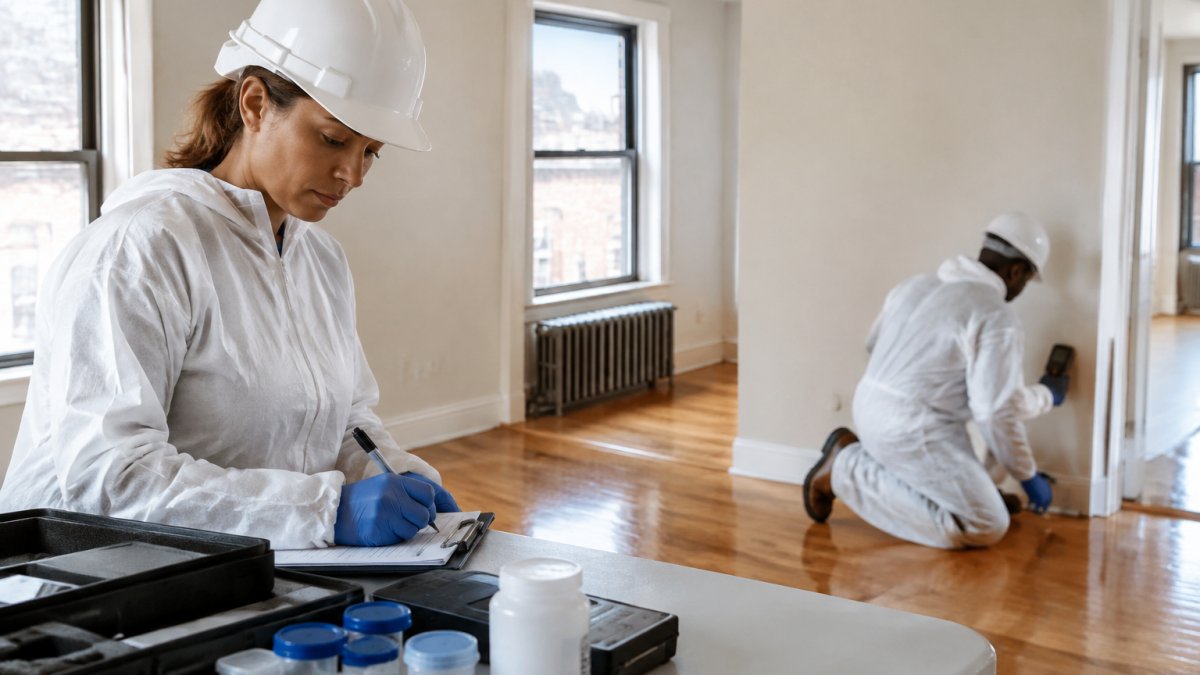
A visual inspection is a room-by-room check for chipping paint, peeling paint, and other signs of decay. It is the cheapest and fastest way to spot trouble before formal testing.
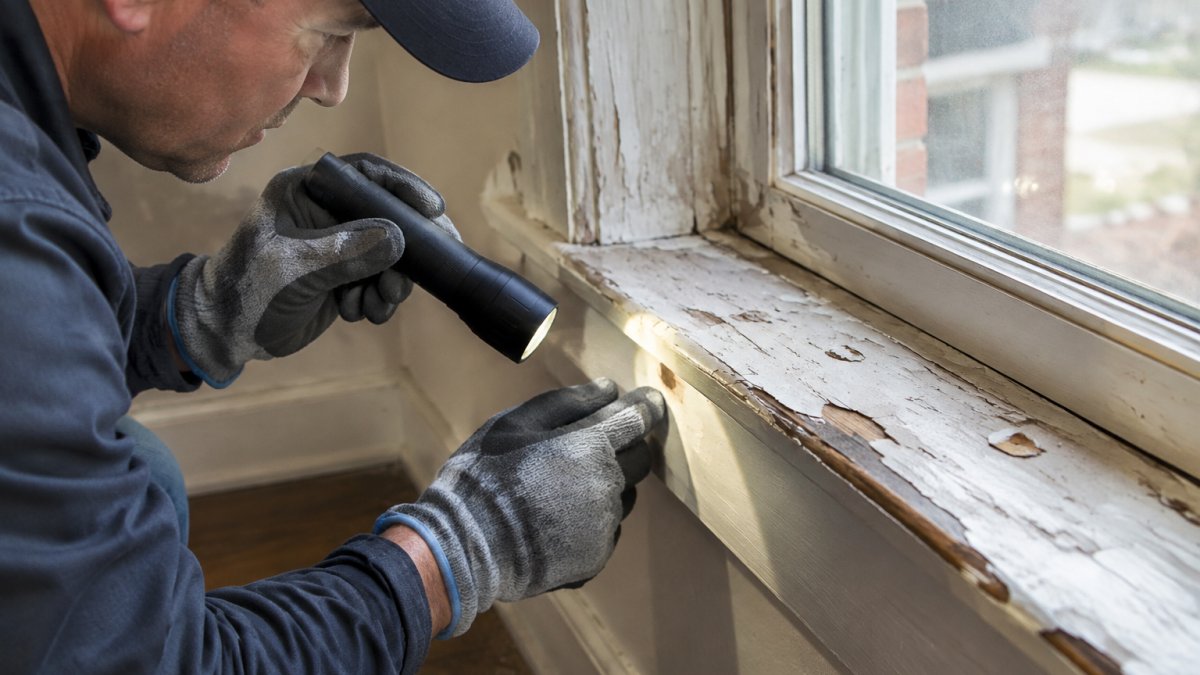
State health departments set the standard here. Per New York State Department of Health guidance, lead inspections must include a visual check of interior and exterior areas, including common spaces. Walk every unit, hallway, stairwell, and shared entry.
Check These High-Friction and Impact Surfaces
Lead dust builds up where painted parts rub together or take hits. Focus your flashlight on:
- Window troughs and sills
- Door frames and jambs
- Stair treads and handrails
- Baseboards and floor edges
- Exterior porches and railings
A common mistake is skipping shared spaces. Hallways and stairwells are wear-prone surfaces too, and they count.
Step 3: Schedule Lead Dust Testing Philadelphia Landlords Trust
Visual checks alone cannot confirm safety. Passing a lead inspection requires both a visual assessment and a lead-contaminated dust test, and dust-wipe sampling is the only way to measure toxic dust on surfaces. This is the step most landlords underestimate, and it is where a rental license application most often stalls.
What Dust-Wipe Sampling Actually Measures
A dust-wipe test is not a paint test. It does not tell you whether paint contains lead, it tells you whether lead-contaminated dust has settled on surfaces where tenants, especially children, will touch it, mouth it, or breathe it. That distinction matters because a unit can have lead-based paint in good condition and still fail on dust.
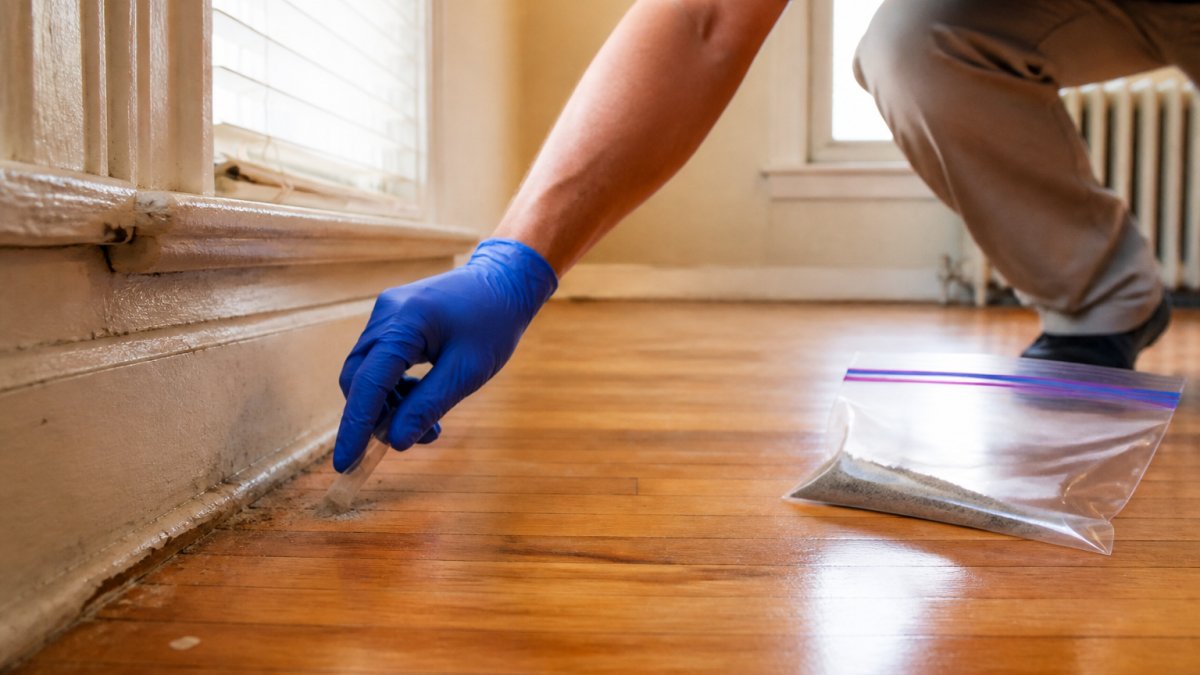
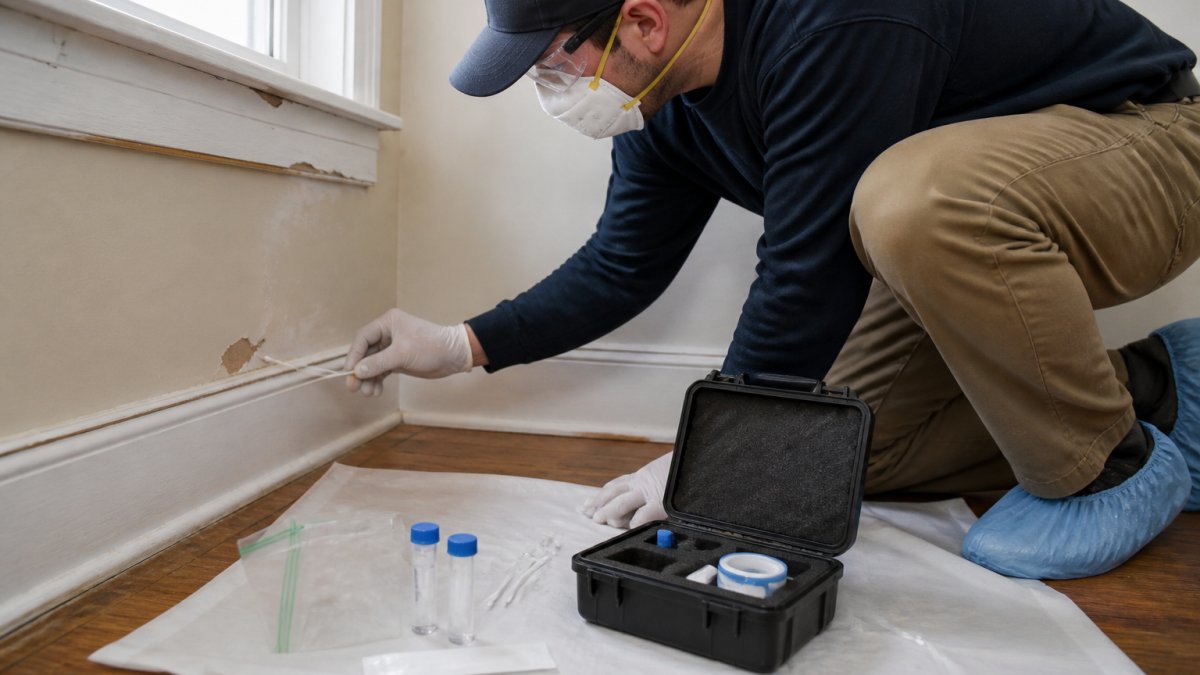
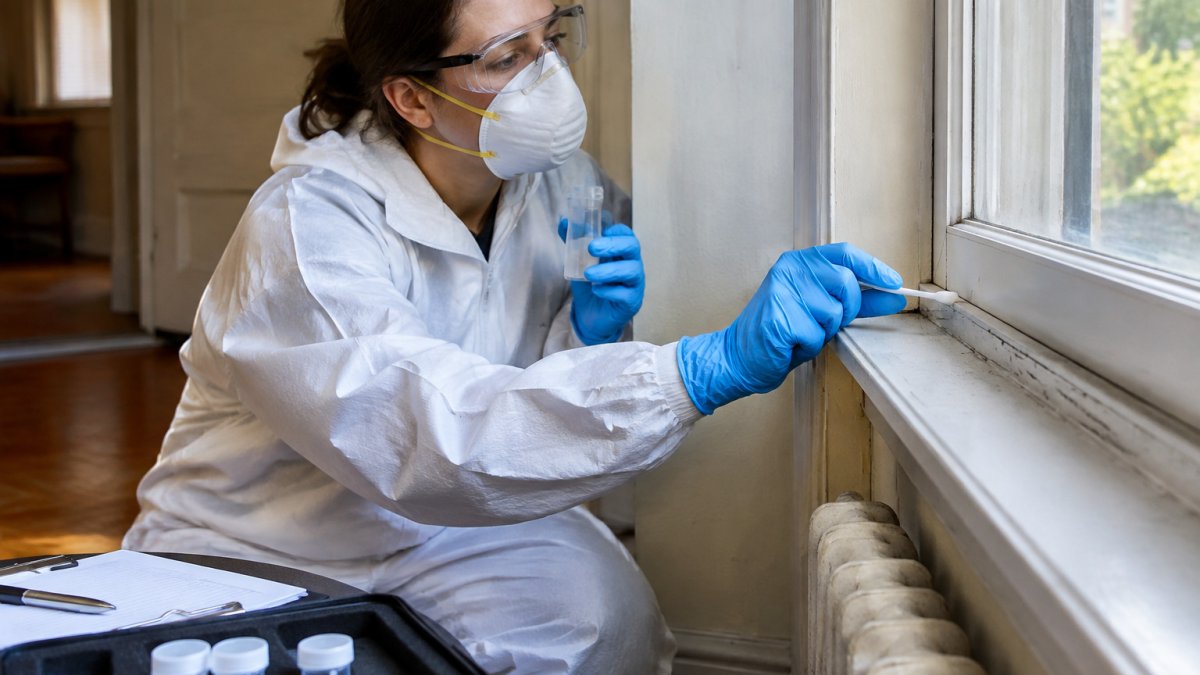
A certified inspector wipes a measured area, typically one square foot on floors and window sills, and a smaller defined area inside window troughs, using a single-use wipe, then sends the wipe to an accredited lab for analysis. Results come back as a mass of lead per area, and the lab compares that number against the clearance thresholds set for the surfaces sampled. Floors, interior window sills, and window troughs are sampled separately because they carry different thresholds and different exposure risk.
Surfaces That Get Sampled
- Interior floors in each room, especially near doors and windows
- Interior window sills
- Window troughs (the well between the sash and the sill)
- Stair treads and common-area floors in multi-unit buildings
- Exterior surfaces where bare soil or deteriorated paint is present
Window troughs can collect paint chips and dust that tenants do not always clean. If you have ever opened a window and watched grit fall onto the sill, that grit is exactly what the wipe is designed to catch.
Why the Sampling Plan Matters
A single wipe from one room does not clear a unit. A proper sampling plan covers each distinct room and each friction or impact surface, and it documents the location of every wipe so results can be tied back to a specific surface. When a landlord hires an inspector who takes one or two wipes and calls it done, the resulting report is thin, and a thin report is the kind a city reviewer or a tenant's attorney will pick apart.
Watch out: sampling a unit while it is still occupied and full of furniture can miss dust that has settled behind and under items, so schedule the test after a turnover clean or coordinate with the tenant to clear the sampled surfaces.
Booking the Test
Our Philadelphia lead inspection requirements guide explains what the city expects and how to prepare. When you book a lead-safe inspection, you can expect:
- A $99 lead-safe inspection
- EPA-approved lab analysis
- Results in 2-7 business days
- Professional documentation and filing instructions
Schedule early. A lease signing in two weeks is tight, but expedited service is available. If a wipe comes back above the clearance threshold, the fix is often targeted, clean the surface, repair the friction point that is generating dust, and retest.
Step 4: Understand the Difference Between a Risk Assessment and a Lead Inspection
A lead inspection and a risk assessment are not the same thing, and landlords often confuse them. A lead inspection identifies lead-based paint on surfaces, usually through testing. A risk assessment goes further: it looks for actual hazards, including deteriorated paint, dust, and bare soil.
A risk assessment involves a visual inspection of rooms to find deteriorated paint, friction surfaces, and impact surfaces. If you are comparing the two, our breakdown of lead paint inspection basics for landlords covers what each one includes.
Step 5: Secure Your Lead Safe Certificate Philadelphia Requires
A Lead Safe Certificate is issued only after a licensed inspector or risk assessor confirms a unit is free of lead hazards. No certificate, no compliant rental license.
The process has three parts:
- Book the inspection and dust-wipe testing.
- Fix any hazards the report flags.
- Retest and file the certificate with the city.
Remediation timelines matter. In some jurisdictions, lead hazard remediation must be completed within 21 days of detection, per Pace Analytical Services. For a step-by-step walkthrough, read how to get lead safe certification in Philadelphia.
Step 6: Book a Lead Inspection Norristown PA Landlords Rely On
Norristown landlords face the same pre-1978 rules, plus local rental licensing checks. A certified inspector handles both the visual assessment and the dust-wipe sampling in one visit.
What most guides miss: one-time inspections are not enough. Even properties without known lead hazards can become dangerous due to normal wear and tear, weathering, or lack of maintenance, according to the New Hampshire Department of Health and Human Services. A door that starts sticking in July can create a hazard by fall.
Step 7: Implement Ongoing Lead Testing for Landlords
Lead safety is a cycle, not a checkbox. Many jurisdictions require lead hazard inspections to be renewed every two years, per Signal Cleveland, and health departments are increasingly launching public databases that track rental compliance.
Build a simple schedule:
| Task | When | Why It Matters |
|---|---|---|
| Visual walk-through | Every 6 months | Catches chipping paint early |
| Full dust-wipe test | Every 2 years | Renews your certificate |
| Hazard fix and retest | Within 21 days of a fail | Meets remediation timelines |
| Tenant notification | At lease signing | Satisfies disclosure rules |
For renewal details, see how the lead safe certification renewal process works.
Get Your $99 Lead-Safe Inspection and Protect Your Investment
Lead compliance protects your tenants and your rental license at the same time. The work is manageable once you have a system: check the build year, inspect the wear points, test the dust, and renew on schedule.
99leadsafe.com makes that system simple. Our $99 lead-safe inspection includes EPA-approved lab analysis and results in 2-7 business days. Expedited service is available when a lease signing is close.
Visit the 99leadsafe.com pricing page for current prices or a quote.
Frequently Asked Questions
What are the lead safety requirements for rental properties in Philadelphia?
Philadelphia landlords must certify that their pre-1978 rental properties are lead-safe or lead-free to obtain or renew a rental license. This involves a visual inspection and lead dust wipe testing by a certified professional. Passing results lead to a Lead Safe Certificate, which must be renewed periodically. Compliance is essential to avoid fines and protect tenant health.
How do I know if my rental property requires a lead-safe certificate?
If your rental property was built before 1978, it is subject to lead-based paint regulations. In Philadelphia, you need a lead-safe certificate to get a rental license for these properties. Properties built in 1978 or later are generally exempt from these specific lead-safe certification requirements, but you should always verify with local authorities.
What is the difference between a lead inspection and lead dust testing?
A lead inspection identifies the presence of lead-based paint on surfaces, while lead dust testing measures the amount of lead-contaminated dust in the home. Dust testing is a critical component of a risk assessment and is often required for obtaining a Lead Safe Certificate. Both are important for a complete picture of lead safety risks.
What happens if a rental property fails a lead dust wipe test?
If your property fails a lead dust wipe test, you must complete remediation to address the source of the lead hazard. This may involve specialized cleaning, repainting, or abatement. After remediation, a clearance test is required to confirm the hazard is gone before a certificate can be issued. Working with a certified professional ensures the job is done correctly.