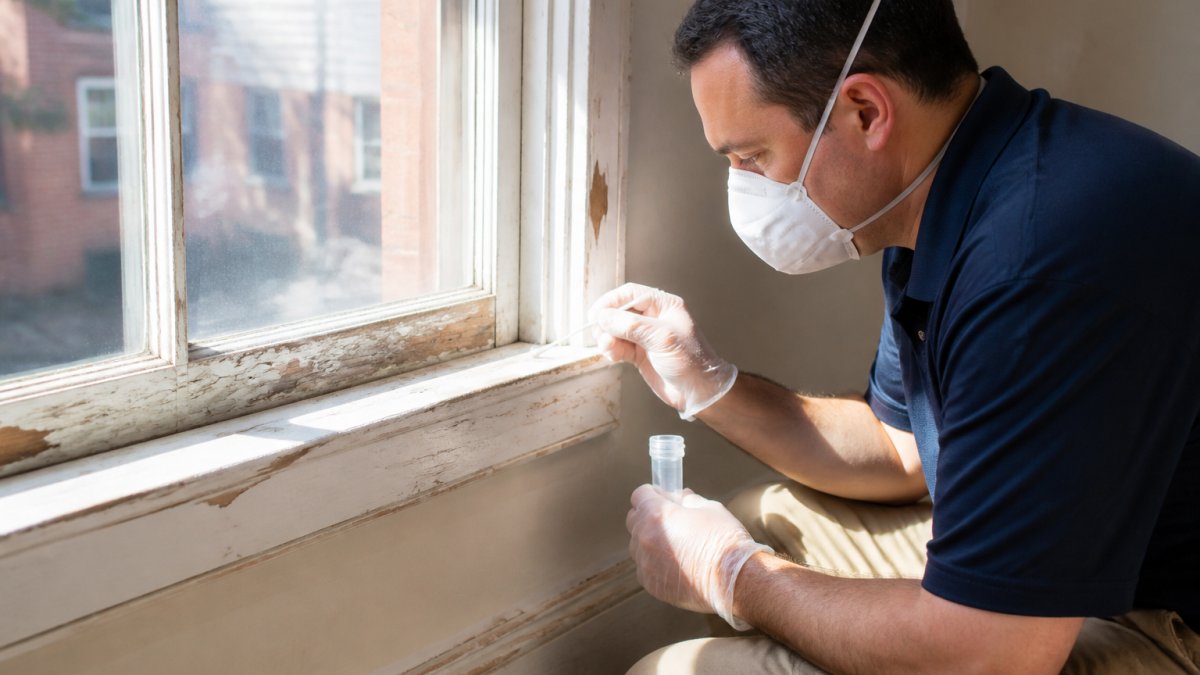
 ultimate-guide
Lead Paint Inspection: What Landlords Need to Know in 2026
Table of Contents
- What Happens During a Lead Paint Inspection
- Lead Paint Inspection vs Risk Assessment: What's the Difference
- When Landlords Need Lead Testing: The 1978 Rule and Philadelphia Requirements
- Lead Dust Testing Philadelphia: How Wipe Sampling Works
- How to Get Lead Safe Certification Philadelphia Landlords Can Rely On
- Lead Inspection Norristown PA: What Property Owners Should Expect
- DIY Test Kits vs Professional Lead Paint Inspection
- Conclusion
- Frequently Asked Questions
Last Updated: September 28, 2026
What Happens During a Lead Paint Inspection
A lead paint inspection is a surface-by-surface examination of a property to identify lead-based paint and determine whether it poses a hazard. At 99leadsafe.com, we walk landlords through the full process before we ever pick up a testing device, because knowing what to expect removes most of the anxiety.
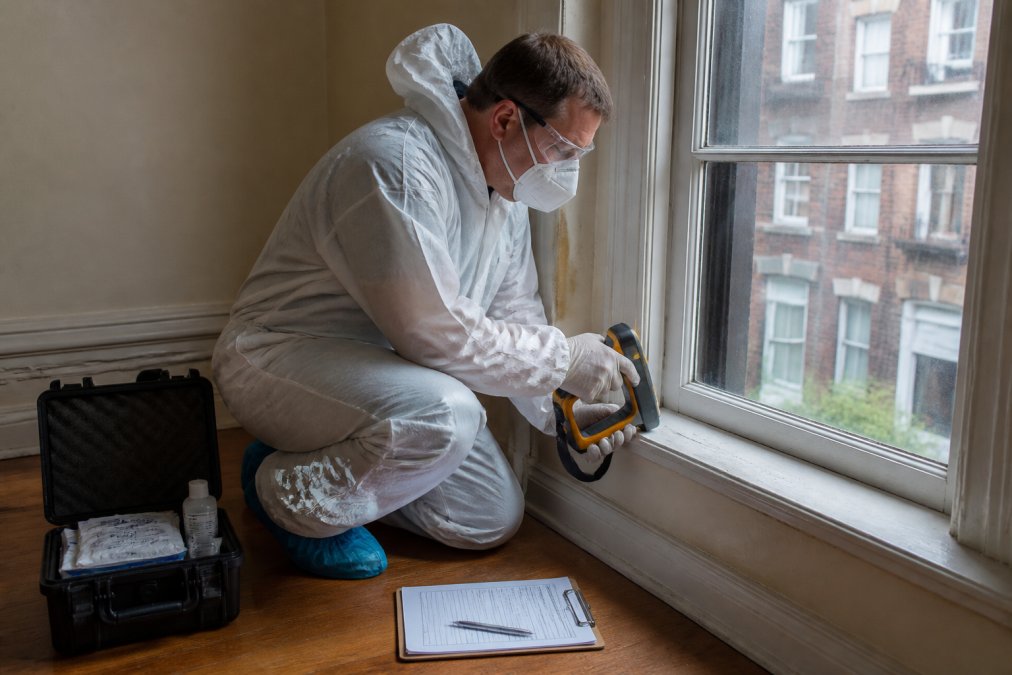
Here's the short version: a certified inspector tests every painted surface, documents the results, and hands you a report you can file with the city.
The inspection itself follows a predictable sequence:
- Pre-inspection walkthrough. The inspector maps the property, notes the year of construction, and identifies painted surfaces that need testing.
- Surface-by-surface testing. Each component gets tested individually: walls, window frames, doors, trim, stair risers, and porches.
- Documentation. Results are recorded by location, condition, and lead concentration.
- Report delivery. You receive an unbiased report showing exactly which surfaces tested positive.
XRF Analyzers and Paint Chip Analysis: The Two Testing Methods
XRF analysis uses a handheld device that reads lead concentration through layers of paint without damaging the surface. It delivers results on the spot, which is why most inspections use it as the primary method.
Lead Paint Inspection vs Risk Assessment: What's the Difference
These two services sound interchangeable. They aren't, and confusing them can cost you a re-inspection.
| Feature | Lead Paint Inspection | Risk Assessment |
|---|---|---|
| Question answered | Is lead paint present? | Are lead hazards present? |
| Testing method | XRF, paint chip analysis | Dust wipe sampling, soil sampling, visual |
| Typical use | Compliance certification, property transaction | Identifying causes of elevated blood lead |
| Report output | Surface-by-surface results | Hazard findings plus remediation recommendations |
When Landlords Need Lead Testing: The 1978 Rule and Philadelphia Requirements
The 1978 cutoff is the single most important date in lead compliance. The federal government banned lead-based paint in residential housing in 1978, so any property built before that year may contain it. Properties built after 1978 are generally exempt.
Philadelphia Rental License Lead Requirements
Philadelphia requires landlords of pre-1978 rental properties to certify that the property is lead-safe or lead-free before obtaining or renewing a rental license. The certification must come from a certified inspector or risk assessor, and it must be based on actual testing, not a visual walkthrough.
Lead Dust Testing Philadelphia: How Wipe Sampling Works
Lead dust testing measures the concentration of lead in dust on floors, windowsills, and other surfaces. It matters because lead dust, not intact paint, causes most childhood lead poisoning cases, children ingest it through normal hand-to-mouth behavior after touching contaminated surfaces.
Three surface types get sampled in most residential units:
- Floors, especially near doors and play areas
- Interior windowsills
- Window troughs, the area between the sash and the frame
Clearance Thresholds: The Numbers That Decide Pass or Fail
The lab compares each result against EPA clearance standards. A unit fails if any sampled surface exceeds the threshold for its surface type. The standards are stricter for floors than for window components because floors see more contact:
| Surface Type | Clearance Threshold |
|---|---|
| Floors | 10 µg/ft² |
| Interior windowsills | 100 µg/ft² |
| Window troughs | 400 µg/ft² |
Single-Surface vs. Composite Sampling
A technician can sample each surface individually, or combine several similar surfaces into one composite sample. Composite sampling lowers lab costs but has a trade-off: if the composite comes back elevated, the technician has to go back and re-sample each surface individually to find the source. For a rental certification where you need a clean, defensible report, most landlords are better served by single-surface sampling on the high-contact areas, floors and windowsills, and composites only on low-risk trim.
What Happens When a Unit Fails
A failed dust wipe is not the end of the process. The typical sequence is:
- Targeted cleaning. Wet-wipe and HEPA-vacuum the failed surfaces, plus any adjacent friction surfaces (window tracks, door frames) that likely contributed.
- Re-inspection. A certified inspector returns and re-samples the same surfaces.
- Clearance. Once every sampled surface is at or below threshold, the unit clears and the report can be filed.
How to Get Lead Safe Certification Philadelphia Landlords Can Rely On
Lead Safe Certification Philadelphia landlords can rely on comes from a certified inspector using EPA-approved lab analysis, with results documented in a report that satisfies the city's filing requirements. Anything less leaves you exposed if the city questions your paperwork.
What Drives the Cost of a Lead-Safe Inspection
Inspection pricing in the Philadelphia and Norristown market is not one-size-fits-all. The main variables are:
- Number of units. A single-family rental is priced differently from a multi-unit building because the inspector tests more surfaces and takes more dust samples.
- Number of dust wipe samples. Lab analysis is billed per sample, so a unit with more windows and friction surfaces costs more to test.
- Turnaround time. Standard lab turnaround is cheaper than expedited processing.
- Scheduling logistics. Properties spread across multiple addresses take longer to coordinate than a single building.
How Long the Process Takes
From the moment you book to the moment you have a filed certificate, the timeline breaks down like this:
| Stage | Typical Duration |
|---|---|
| Scheduling | Same-week to next-week availability |
| On-site inspection | 1-3 hours depending on unit count and size |
| Lab analysis | 2-7 business days standard |
| Report delivery | Same day as lab results |
| Filing with the city | Same day, using the instructions in the report |
What the Report Has to Contain
A report that satisfies the city's filing requirement is not just a pass/fail sheet. It needs to identify the property, the inspector's certification, the surfaces tested, the dust sample locations and results, and a clear statement of whether the property is lead-safe or lead-free. If any of those elements are missing, the filing can be rejected even when the property itself passed.
Lead Inspection Norristown PA: What Property Owners Should Expect
Norristown falls under the same Pennsylvania lead regulations that govern Philadelphia, and pre-1978 rental properties there face the same certification requirements. An inspection in Norristown follows the identical protocol: XRF testing, dust wipe sampling, and a written report.
DIY Test Kits vs Professional Lead Paint Inspection
DIY test kits exist, and they're cheap. They're also inadequate for compliance.
Professional inspection differs in three ways that matter:
- Coverage. A certified inspector tests every painted surface, not a single spot.
- Accuracy. XRF analyzers and laboratory analysis measure lead concentration precisely; swabs give a yes-or-no reading at best.
- Documentation. Only a certified inspector's report satisfies Philadelphia's rental license requirement.
Conclusion
The gap between "probably fine" and "documented compliant" is where landlords lose money, whether through rejected license applications, re-inspection fees, or liability down the line. Getting a proper inspection done once, correctly, closes that gap.
Frequently Asked Questions
What do they do during a lead paint inspection?
A certified inspector examines every painted surface, including walls, trim, doors, and windows, using an XRF analyzer or collecting paint chip samples for lab analysis. The process is surface-by-surface and typically takes one to three hours depending on property size. You receive a written report documenting lead hazards and dust wipe results, which you can use for Philadelphia rental license compliance.
Do all houses built before 1978 have lead paint?
No. The 1978 ban on lead-based paint means older homes are more likely to contain it, but not every pre-1978 property does. A lead paint inspection with an XRF analyzer or paint chip analysis confirms exactly which surfaces test positive. This matters for landlords because Philadelphia rental lead requirements apply based on actual test results, not just construction year.
What is the difference between a lead-safe inspection and a risk assessment?
A lead-safe inspection determines whether lead-based paint or lead dust hazards exist and whether the property meets EPA dust-lead standards. A risk assessment goes further by identifying the cause of any hazard and recommending specific remediation. For most landlords pursuing a Lead Safe Certificate Philadelphia properties need, the dust wipe inspection and visual check are the core requirements.
How does lead dust wipe testing work for rental compliance?
An inspector wipes specific surfaces, typically floors, windowsills, and window wells, using approved collection materials. Samples go to an EPA-approved lab, and results return in two to seven business days. If dust-lead levels fall below EPA thresholds, the property qualifies for certification. If not, remediation and retesting are required before you can rent.
How often do rental properties need lead-safe certification?
Philadelphia requires lead-safe certification at each rental license renewal and whenever a new tenant moves in, for properties built before 1978. Certification covers a specific period and must be renewed. If you manage multiple units, schedule inspections ahead of lease turnover to avoid delays in signing new tenants.
Can I just paint over lead paint?
Painting over deteriorated lead paint without proper surface preparation can create a bigger hazard because the new paint may peel and release lead-contaminated dust. Encapsulation or abatement performed by certified professionals is the correct approach. After remediation, a lead dust testing Philadelphia inspection confirms the property meets EPA standards before you obtain certification.