 Ultimate guide
Lead Paint Disclosure Requirements for Philadelphia Landlords
Last Updated: November 21, 2026
Quick Summary
Philadelphia landlords must provide lead paint disclosure and certification for rental housing built before 1978 that is rented to households with a child six years old or younger. Both conditions must apply for the duties to attach. Certification is required before a new or renewed lease and before a rental license is issued or renewed.
- Covered properties are pre-1978 rentals with a tenant household that includes a child six or younger.
- Certification as lead-safe or lead-free is required before a new or renewed lease.
- Certification is also required before a rental license is issued or renewed.
- Federal Lead-Based Paint Disclosure Rule duties apply in addition to Philadelphia's certification rules.
- A failed dust test requires remediation, retesting and documentation, and an expired certificate counts as none.
Table of Contents
- Who Philadelphia's Lead Paint Disclosure Law Covers
- Philadelphia Lead Paint Disclosure and Certification Law Explained
- Lead-Safe vs. Lead-Free Certification: Which Does Your Rental Need?
- How to Get a Philadelphia Lead-Safe Certificate
- Lead Dust Wipe Testing for Rental Properties
- How Pennsylvania and Federal Lead-Based Paint Disclosure Rules Fit In
- What to Do After a Failed Test and Keeping Your Records Compliant
- Frequently Asked Questions
Who Philadelphia's Lead Paint Disclosure Law Covers
Philadelphia's lead paint disclosure and certification law applies to landlords who rent pre-1978 housing to households with children six years old or younger. Many property owners assume the rule is optional or applies only to family homes, so the scope is worth confirming before you sign another lease.
The city's guidance states that owners of pre-1978 properties rented to children under six must comply with the Lead Paint Disclosure and Certification Law (Philadelphia Department of Public Health, Lead paint laws and regulations). To see exactly which certification status your Philadelphia rental needs, read lead-safe certification explained for Philadelphia rentals, which covers lead-free vs lead-safe, validity periods, and how to verify compliance. The city's landlord resources identify both the pre-1978 construction date and the child-age condition as the triggers for the requirement (Philadelphia Board of Health, Lead and Healthy Homes resources for landlords).
Pre-1978 rental properties and children six years or younger
Two conditions usually decide whether the law applies: the building was constructed before 1978, and the tenant household includes a child six years old or younger. Both must be true for the disclosure and certification duties to attach.
Check construction dates against your property records before assuming an exemption. Households can change during a tenancy, so a unit that did not trigger the rule at one lease may trigger it at the next.
Philadelphia Lead Paint Disclosure and Certification Law Explained
Under the city's rules, landlords must test and certify rental properties as lead-safe or lead-free before executing a new or renewed lease and before receiving or renewing a rental license (Philadelphia Department of Public Health, Lead paint laws and regulations). Certification is therefore a recurring compliance task tied to your leasing and licensing cycle, not a one-time event.
Lead-free and lead-safe are distinct designations. The specific testing and documentation requirements depend on the certification you need, so confirm the current standard with the city before you schedule work. Check the Philadelphia Department of Public Health's current guidance for validity periods and the exact disclosure forms.
Lead-Safe vs. Lead-Free Certification: Which Does Your Rental Need?
A lead-free certificate and a lead-safe certificate answer different compliance questions. Before deciding, check which Philadelphia rental properties actually require lead-safe certification. Lead-free status generally means no lead-based paint hazards are present, while lead-safe status generally means the property meets the applicable dust standards at the time of testing. Which one your rental needs depends on its condition and the city's current requirements.
Because the two designations carry different testing and documentation obligations, ask your inspector which certification applies to your specific unit before work begins. Our Lead Safe Certification Philadelphia guide walks through how to match the certificate to your property's status.
How to Get a Philadelphia Lead-Safe Certificate
A Lead Safe Certificate Philadelphia is the document that shows a covered rental has been inspected and its dust lead levels meet the applicable standard. Getting one is a sequence, not a single appointment, and the order matters because a failed result resets your timeline.
Step 1: Confirm the property is covered. Verify the construction year against property records and confirm the tenant household includes a child six years old or younger. If either condition is missing, document why the unit is out of scope before you spend money on testing.
Step 2: Choose a qualified inspector. Ask for inspector credentials before booking.
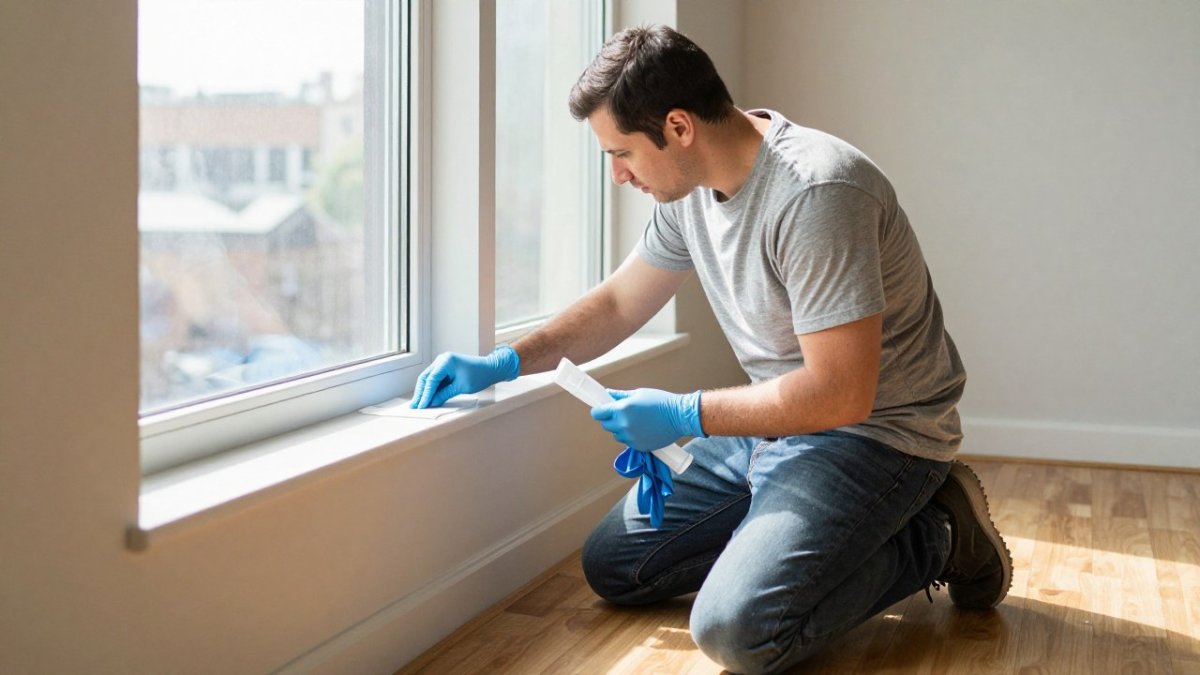
Step 3: Prepare the unit and coordinate with tenants. Give tenants proper notice, confirm access, and clean floors, windowsills, and window troughs using lead-safe methods before the visit. Dust wipe results reflect the surfaces as they are on the day of sampling.
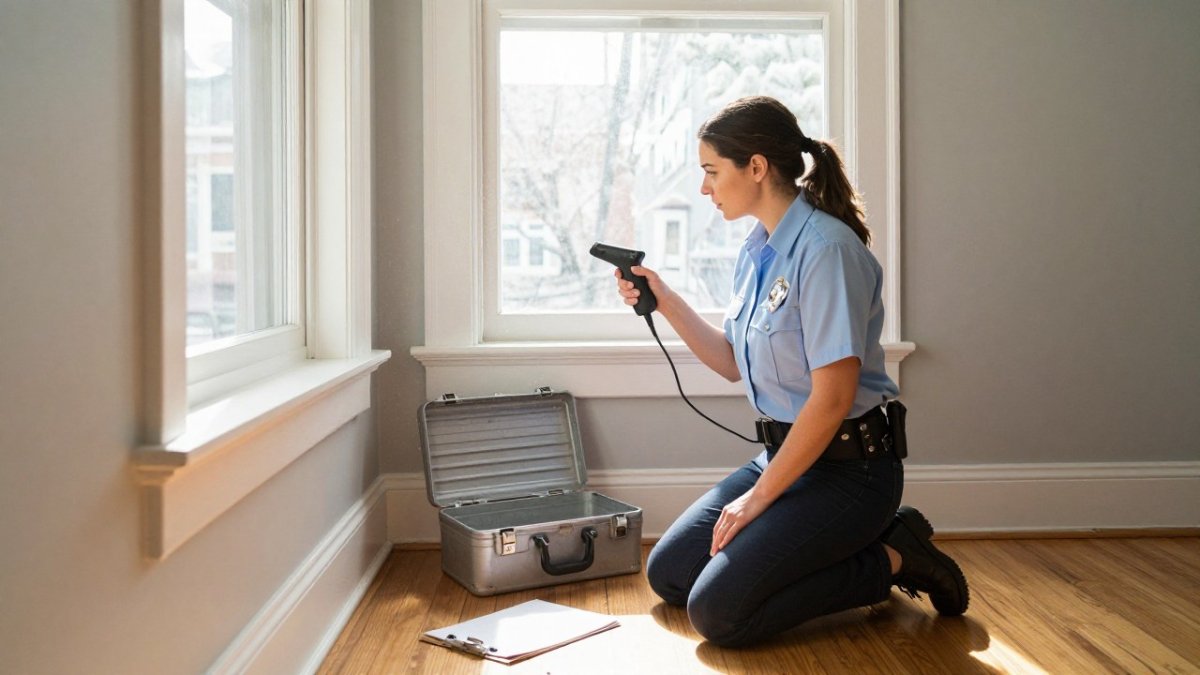
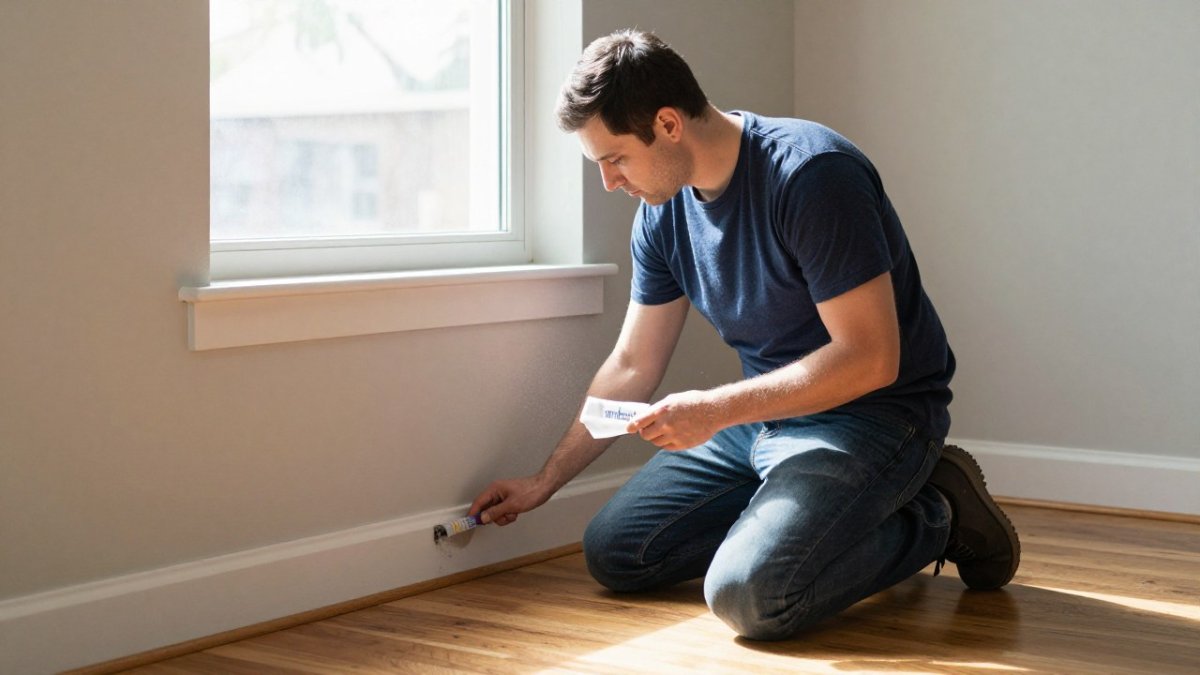
Step 4: Complete the Lead Dust Inspection Philadelphia assessment. Dust wipe samples are collected from floors, windowsills, and window troughs and sent to a laboratory for analysis against the applicable dust lead standard. This testing supports a Lead Safe Inspection Philadelphia for rental licensing.
Step 5: Submit documentation and receive the certificate. Once results clear, the inspection report and certificate documentation are assembled for the city and for the tenant disclosure file. Keep the certificate with your lease records so it is ready at license renewal.
Step 6: Track the validity period. Certificates are time-limited, and the renewal date should be calendared alongside the lease renewal and rental license renewal. It helps to set a reminder well before expiration so a failed retest does not collide with a lease signing.
Watch out: booking an inspection after a lease is already signed or a license renewal is already due leaves no room to remediate and retest if the unit fails.
If a property does not pass, the process continues rather than restarts: address the identified hazards with a qualified contractor, retest the affected surfaces, and document each step. Our lead-safe inspection pricing page lists current flat-rate pricing by unit size, and you can book a lead-safe inspection in Philadelphia once you know which property and certificate you need.
Lead Dust Wipe Testing for Rental Properties
Dust wipe testing collects surface samples from floors, windowsills and window troughs, which are then sent to a laboratory for analysis. The results determine whether dust lead levels meet the applicable standard. Prepare by cleaning those surfaces with appropriate lead-safe methods before the inspector arrives, and make sure the unit is accessible.
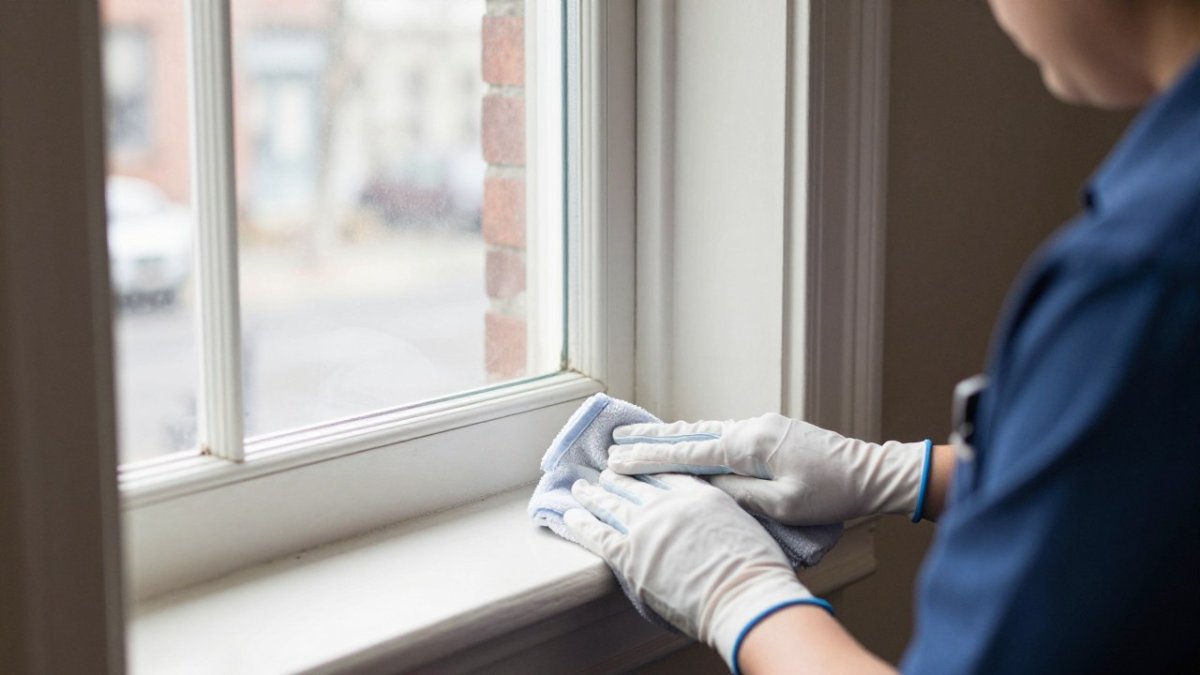
If you want a faster route to scheduling dust testing for a Philadelphia unit, a fast lead dust testing guide for Philadelphia compliance explains the process and requirements in more detail.
Dust wipe testing follows a clear sequence, summarised below.
| Step | What happens | Note |
|---|---|---|
| Sample collection | Wipes taken from floors, windowsills and window troughs | Surfaces sampled as they are on the day |
| Preparation | Clean surfaces with lead-safe methods before inspector arrives | Unit must be accessible |
| Laboratory analysis | Samples sent to a lab | Compared against the applicable dust lead standard |
| Result | Shows whether dust lead levels meet the standard | Determines whether the property passes |
How Pennsylvania and Federal Lead-Based Paint Disclosure Rules Fit In
Philadelphia's ordinance sits alongside federal requirements. The U.S. Environmental Protection Agency states that sellers, landlords, real estate agents and property managers must provide specific lead information under the Lead-Based Paint Disclosure Rule (U.S. Environmental Protection Agency, Real Estate Disclosures about Potential Lead Hazards). Federal disclosure is a baseline, and the city's certification rules add obligations on top of it for covered rentals.
Meeting the federal disclosure duty does not satisfy Philadelphia's certification requirement, so landlords of covered properties should track both. Confirm any Pennsylvania-level obligations with the relevant state agency, since the supplied research does not describe them in detail.
What to Do After a Failed Test and Keeping Your Records Compliant
A failed dust test is a compliance event with a defined response, and most competitors stop at "remediate and retest." The practical workflow below is the part landlords actually need.
1. Read the report before you call a contractor. Identify which surfaces failed and by how much. A single failed windowsill is a different job from failed floors throughout a unit, and the scope drives both cost and timeline.
2. Notify the tenant in writing. Document the date, the finding, and the steps you are taking. Keep a copy in the unit file. Clear communication also reduces the chance a tenant reports the condition to the city before you have had a chance to correct it.
3. Remediate with lead-safe methods. Work with a qualified contractor on the specific hazards identified, using containment and lead-safe work practices.
4. Retest the affected areas. A retest confirms the hazard has been addressed and produces the documentation the city expects. Schedule it as soon as remediation is complete so the certificate timeline stays on track.
5. Reassemble the certificate file. Once the retest clears, update the inspection report, laboratory results, and certificate documentation together.
Records to keep in one place:
- The inspection report and laboratory dust wipe results
- The certificate and its expiration date
- Tenant disclosure forms and the date each was provided
- Remediation invoices and contractor documentation
- Retest results and tenant notification letters
Watch out: a certificate that has expired is treated the same as no certificate at all, so a missing renewal reminder is one of the most common compliance failures.
For landlords managing multiple units, a simple spreadsheet with columns for property address, certificate date, expiration date, lease renewal date, and rental license renewal date keeps the whole portfolio visible.
Lead paint rules in Philadelphia affect leasing, licensing and tenant safety all at once, so an early, documented inspection is the simplest way to stay ahead of them. Contact 99leadsafe.com to confirm what your rental needs and to schedule your lead dust inspection.
Frequently Asked Questions
Are Philadelphia landlords required to test for lead paint?
Philadelphia landlords of pre-1978 rental properties rented to households with children six years old or younger must comply with the city's Lead Paint Disclosure and Certification Law. According to the Philadelphia Department of Public Health, landlords must test and certify rental properties as lead-safe or lead-free to execute a new or renewed lease or to receive or renew a rental license. Testing is therefore part of the compliance process for covered units, and landlords should confirm their property's status before signing a lease.
Is lead-based paint disclosure required when renting a property in Philadelphia?
Yes, for covered properties. Federal law under the Lead-Based Paint Disclosure Rule requires sellers, landlords, real estate agents, and property managers to provide specific information about potential lead hazards in pre-1978 housing. The U.S. Environmental Protection Agency describes these obligations in its real estate disclosure guidance. Philadelphia's certification law adds local testing and certification requirements on top of the federal disclosure duty.
What is the difference between a lead-safe certificate and a lead-free certificate?
A lead-safe certificate indicates that a property meets applicable lead dust safety standards at the time of testing, while a lead-free certificate reflects a stricter standard for the absence of lead-based paint. The two carry different inspection requirements, so landlords should confirm which certification applies before testing. Philadelphia landlords who are unsure which status their property needs can ask a qualified inspector to explain the requirements.
What does a lead dust wipe inspection check?
A lead dust wipe inspection collects dust samples from surfaces such as floors, windowsills, and window troughs, then sends those samples to a laboratory for analysis. The results show whether lead dust levels meet applicable standards. Cleaning these surfaces with lead-safe methods before the inspection is a recommended preparation step. Results determine whether a Lead Safe Certificate can be issued.
What documents should landlords provide to tenants about lead paint?
Landlords should give tenants the lead hazard information and disclosure documents required under federal and local rules, including the EPA pamphlet Protect Your Family from Lead in Your Home and any disclosure form covering known lead-based paint or hazards. Landlords should also provide copies of current lead-safe or lead-free certification where applicable. Keeping signed acknowledgments on file helps demonstrate compliance during a city review.
How long must a landlord keep a copy of the lead paint disclosure?
Landlords should keep copies of lead paint disclosure forms, signed acknowledgments, and certification documents for as long as the tenancy and any related compliance review may continue. Federal disclosure guidance from the EPA emphasizes retaining signed records as evidence of compliance. Landlords should keep these records organized by unit so they can be produced quickly if the city requests them.
What should landlords do if a rental fails a lead dust test?
If a rental fails a lead dust test, the landlord should address the lead dust hazard, typically through cleaning or remediation by qualified professionals, then arrange retesting before a Lead Safe Certificate can be issued. Landlords should not sign a new or renewed lease for the unit until it meets the applicable certification requirement. Visit 99leadsafe.com to learn about lead dust inspections and book a $99 Lead Safe Inspection for your Philadelphia rental.