 how-to
How to Schedule Bulk Lead Inspections for Rental Properties
Last Updated: November 5, 2026
Quick Summary
To schedule bulk lead inspections, build one unit list with each address, unit number, year built and tenant status, group units by building or block, confirm tenant access, then submit a single request with your preferred window. One organized booking covers your whole portfolio in one visit and one lab batch.
- Confirm each unit was built before 1978 and is rented or about to be leased before adding it to the batch.
- Pull year built from the property record, not a listing site, to avoid scoping errors.
- Send tenants written notice with the date, time window and inspector details, and keep a copy.
- Lab results from dust wipe samples come back in 2 to 7 business days.
- Schedule the retest at the same time as mitigation work so a failed unit does not become a second project.
Table of Contents
- Why Scheduling Bulk Lead Inspections Saves Landlords Time and Money
- Before You Book: Confirm Which Units Need Lead Testing
- How to Book Multiple Units in One Request
- Tenant Notice for Lead Inspection: What to Send and When
- The Lead Dust Wipe Testing Process, Unit by Unit
- Your Lead Inspection Checklist for Rental Properties
- Lead Inspection Documentation for Landlords: What to Keep After Results
- Mitigation vs. Abatement: What a Failed Unit Actually Needs
- Book Your Bulk Lead Inspection and Get Every Unit Certified
- Frequently Asked Questions
Why Scheduling Bulk Lead Inspections Saves Landlords Time and Money
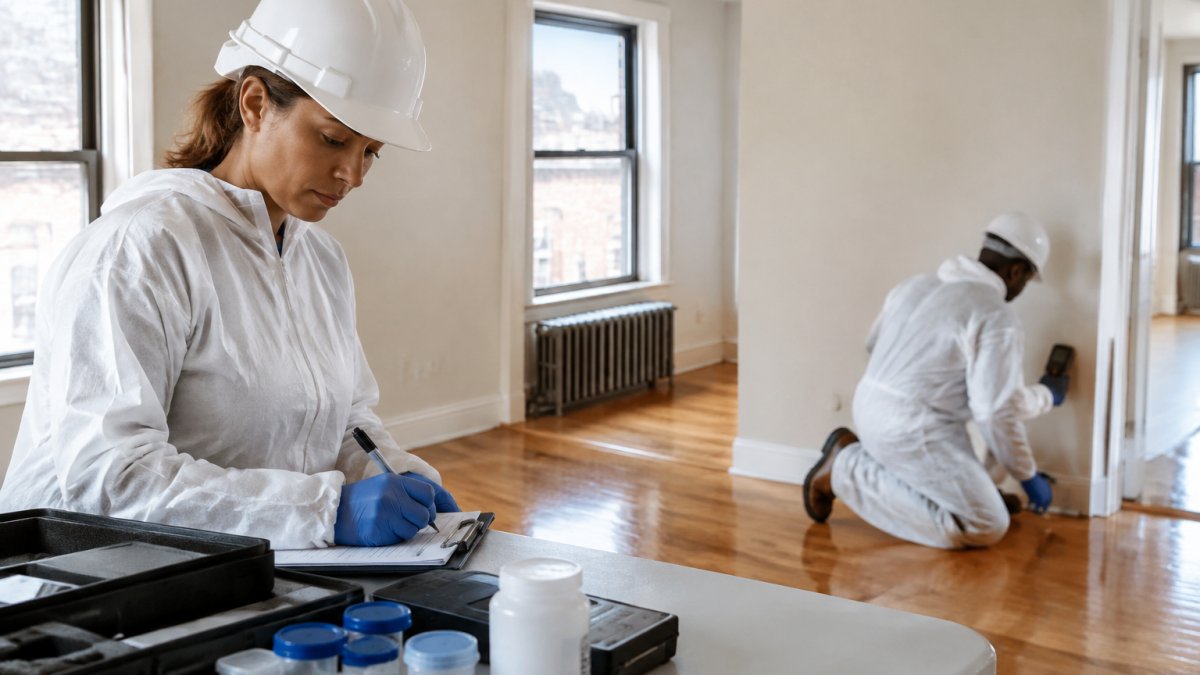
Bulk lead inspections let a landlord book testing for several rental units in a single request instead of one property at a time. At 99leadsafe.com, we handle multi-unit portfolios across the Greater Philadelphia area this way: one scheduling call, one lab batch, one set of records.
- One mobilization instead of many. An inspector travels once, not five times.
- One lab batch. Samples from every unit move through analysis together.
- Fewer scheduling gaps. No waiting weeks between unit one and unit eight.
That last point matters more than landlords expect. For a closer look at how bulk inspections keep an entire rental portfolio compliant, read how bulk lead inspection keeps your rental portfolio compliant. The EPA's lead disclosure rule and the city's rental registry both reward records that are complete and current.
Before You Book: Confirm Which Units Need Lead Testing
Not every rental unit needs a lead-safe certificate, and booking units outside the requirement wastes money and lab capacity.
The core rule: pre-1978 housing is where lead-based paint risk lives. A unit built before that year almost always needs testing. Newer construction usually does not.
Run this quick filter first:
- Was the building constructed before 1978?
- Is the unit currently rented or about to be leased?
- Does the property sit in a jurisdiction with a rental lead requirement?
If you answer yes to the first three, book it. If you are unsure whether a property qualifies, read our breakdown of which Philly rentals need lead-safe certification before you build your unit list.
The triggers that actually pull a unit into the batch
Most practitioners sort units into three buckets before booking, and the bucket determines whether a unit goes on the list now, later, or never.
- Age trigger. Construction before 1978 is the federal dividing line under the EPA's lead disclosure rule and the HUD lead-safe housing rule. A unit built in 1977 is in scope; a unit built in 1979 is generally out unless a local ordinance says otherwise.
- Occupancy trigger. A vacant unit between tenants still needs a current certificate before it can be re-leased. A unit that will sit empty for months can sometimes be deferred, but the certificate still has to be in place before the next lease signs.
- Condition trigger. Deteriorated paint, friction surfaces, and bare soil raise the risk profile even in units that would otherwise pass. These are the units most likely to fail a dust wipe, so they belong in the first batch, not the last.
Exemptions and edge cases that trip up portfolios
A common pattern is a landlord who assumes an exemption applies and skips a unit that later shows up in an audit. The exemptions that come up most often:
- Post-1978 construction. Generally out of scope, but confirm the local rental license rule does not add a separate trigger.
- Units with no painted surfaces. Rare, but a unit with no lead-painted components may qualify for a reduced scope. The inspector makes that call.
- Short-term and transient rentals. These can fall under different rules than a standard annual lease.
Build the unit list before you call
A clean unit list is what makes a bulk booking work. For each unit, capture:
- Street address and unit number
- Year built, pulled from the property record, not from memory
- Current status: occupied, vacant, or about to be leased
Group the list by building and by block. Units in the same building or on the same block get tested in one visit, which is where the bulk savings come from.
Watch out: pulling year built from a listing site instead of the property record is the most common scoping error we see.
Once the list is confirmed, the booking step is short. The work is in the scoping.
How to Book Multiple Units in One Request
Booking several units at once takes one organized request, not several separate calls.
Here is the sequence we recommend:
- Build a unit list. Address, unit number, year built, and current tenant status for each.
- Group by location. Units in the same building or on the same block get tested in one visit.
- Check tenant access. Confirm someone can let the inspector in on the proposed date.
- Submit one request. Send the full list with your preferred window.
- Confirm the schedule. Get written confirmation of dates per unit.

The woman is American.
Do not book units you have not confirmed are vacant or accessible. A locked door on inspection day burns a slot and pushes your whole batch back.
Booking several units at once takes one organized request, not several separate calls.
| Step | What to do |
|---|---|
| 1 | Build a unit list with address, unit number, year built, tenant status |
| 2 | Group by location so one visit covers a building or block |
| 3 | Check tenant access and confirm someone can let the inspector in |
| 4 | Submit one request with the full list and preferred window |
| 5 | Confirm the schedule in writing with dates per unit |
Tenant Notice for Lead Inspection: What to Send and When
Tenants must be told before an inspector arrives. The tenant notice for lead inspection is not a courtesy, it is a legal step, and skipping it can void the result.
Send written notice with:
- The date and time window for the inspection
- What the inspector will do inside the unit
- Who is entering and their role
Give tenants reasonable advance notice, many landlords find two to three days works, but check the notice period your lease and local rules require. Deliver it in writing and keep a copy. The HUD lead-safe housing rule treats documentation of notice as part of the compliance record.
Watch out: verbal notice with no paper trail is the single most common documentation gap we see. If a tenant later disputes entry, you have nothing to show.
The Lead Dust Wipe Testing Process, Unit by Unit
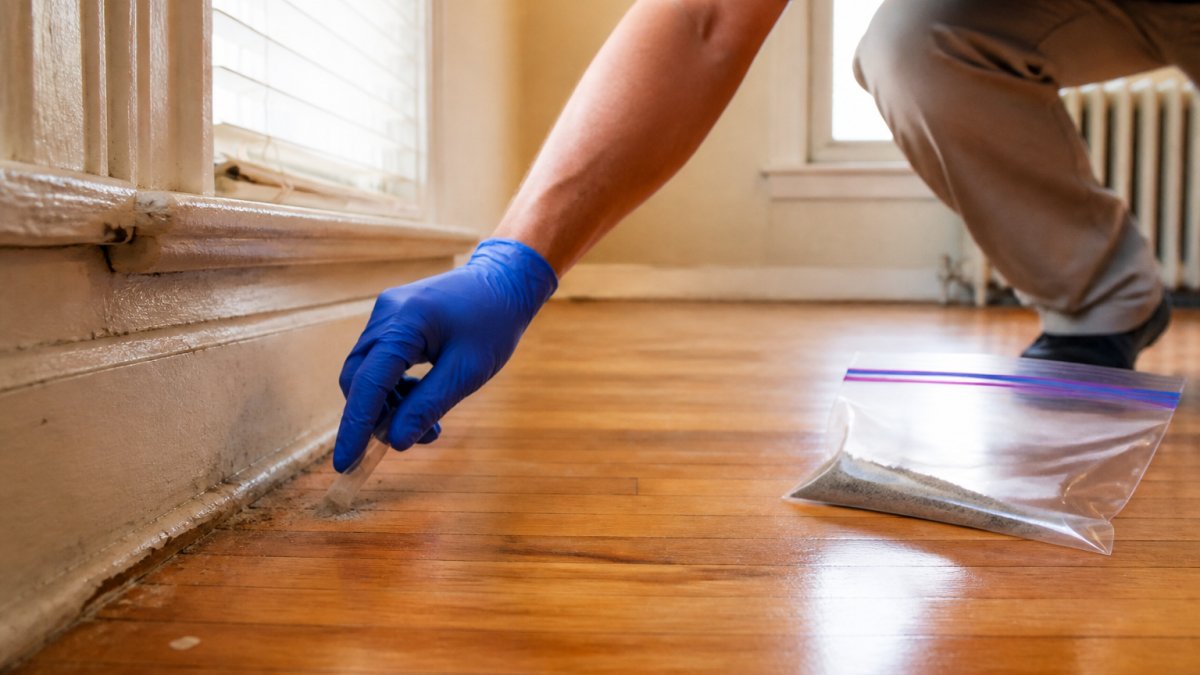
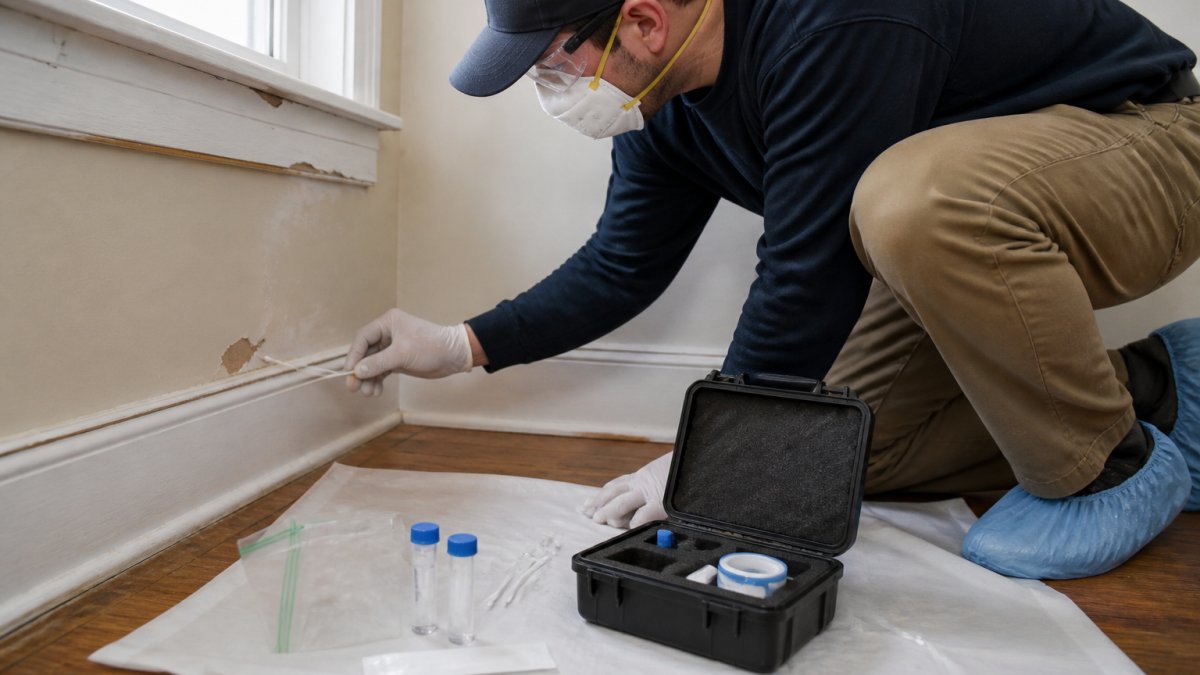
Lead dust wipe testing is the lab-analyzed collection of dust samples from surfaces where lead accumulates.
The inspector wipes specific surfaces and sends each wipe to an EPA-approved lab. Results come back in 2 to 7 business days.
Which surfaces get sampled:
- Window troughs, where dust settles and stays
- Window sills, especially on older double-hung units
- Door frames and the friction points around them
The inspector also performs a visual check for chipping, peeling, and damaged paint that could generate toxic dust.
Getting each unit ready speeds the visit. Our guide on how to prepare for a lead dust inspection covers what to clear and clean beforehand.
Your Lead Inspection Checklist for Rental Properties
A lead inspection checklist for rental properties keeps a multi-unit batch from turning into chaos. Use the same list for every unit so nothing gets skipped.
Before the visit:
- Unit list confirmed with year built and status
- Tenant notice delivered and copied
- Access arranged for the inspection window
During the visit:
- Inspector confirms identity and scope
- Dust wipes collected from all required surfaces
- Visual inspection of wear-prone surfaces completed
After the visit:
- Lab results received per unit
- Certificates filed
- Failing units flagged for remediation and retest
Lead Inspection Documentation for Landlords: What to Keep After Results
Lead inspection documentation for landlords is the file that protects you when a tenant, a buyer, or the city asks questions. Keep it complete and keep it long.
Retain these records:
- The lead-safe certificate for each unit
- Lab reports with sample locations and results
- Tenant notice copies with delivery dates
Store them digitally and back them up. A shared folder per property, with a subfolder per unit, is the simplest system that survives staff turnover.
Landlord liability in lead cases usually turns on what you knew and what you documented. For a deeper walkthrough of what to retain and for how long, see our guide to landlord documentation and filing for lead liability.
Mitigation vs. Abatement: What a Failed Unit Actually Needs
A unit that fails dust testing does not automatically need abatement. This is where landlords overspend.
Mitigation means controlling the hazard without removing it. You stabilize damaged paint, seal friction surfaces, and clean thoroughly.
Abatement means permanently removing the lead hazard.
Most failed dust wipes trace back to a fixable surface: a worn window trough, a rubbing door, a chipping sill.
The trade-off is real. Mitigation needs monitoring because the hazard can return.
Read the lab report before you spend
The first step after a failure is not a repair, it is a read. The lab report tells you which surface failed and by how much, which determines the response.
- A single surface just over the threshold. This is the classic mitigation case. Clean, stabilize, retest.
- Multiple surfaces across a unit. This points to a building-wide condition, often a shared stairwell or a common window type. Fix the pattern, not the unit.
- A surface with visible deterioration. Chipping, peeling, or crumbling paint on the failing surface means stabilization comes first, before any cleaning.
The retest is part of the plan, not an afterthought
A mitigation that is not followed by a retest is not a closed file. Build the retest into the original booking so it does not become a second scheduling project weeks later.
- Schedule the retest at the same time you schedule the mitigation work.
- Clean thoroughly after the work and before the retest, because dust from the repair itself can cause a second failure.
- Keep the before-and-after photos with the lab reports so the file shows the fix, not just the result.
Watch out: retesting too soon after mitigation, before dust from the repair settles and is cleaned, is a common cause of a second failure that looks like the fix did not work.
When abatement is the right call
Abatement is the permanent removal of lead-based paint and lead-contaminated components, and it is a regulated job that requires certified professionals. It is usually the right call when:
- Deterioration is severe and widespread across the unit
- The same surface has failed repeatedly after mitigation
- A renovation will disturb painted surfaces anyway, so removal and renovation happen together
For most rental portfolios, abatement is the exception, not the default. The default is mitigate, clean, retest, and document.
The insurance and liability angle competitors miss
Lead safety compliance affects more than the certificate. A complete file of tests, notices, mitigation records, and retests is what a landlord points to when an insurer or attorney asks what was known and what was done.
For a deeper walkthrough of what to retain and for how long, see our guide to landlord documentation and filing for lead liability.
Book Your Bulk Lead Inspection and Get Every Unit Certified
Your portfolio has one compliance calendar, and it does not care how many units you own.
99leadsafe.com runs a $99 lead-safe inspection and certification for landlords and property owners.
If you have a batch of units and a deadline, do not spread it across five vendors and ten weeks. Contact our team with your unit list and book the whole portfolio in one request.
Get started with 99leadsafe.com and put every unit on one certificate schedule.
Frequently Asked Questions
How do landlords schedule lead inspections for multiple rental units?
Gather each property address, unit number, and tenant contact in one list, then submit a single request to a certified lead inspector covering all units. Ask whether the inspector can handle your full portfolio in one booking and confirm how many units can be tested per visit. For a portfolio of eight units, one coordinated request usually means one scheduling conversation, one tenant notice timeline, and one set of results instead of eight separate bookings.
Can multiple rental units be inspected on the same day?
Often yes, depending on unit count, access, and how many dust-wipe samples each unit needs. Inspectors typically group units in the same building or nearby addresses to reduce travel time. When you book bulk lead inspections, tell the inspector how many units you have and whether tenants will be home. Grouping units by address and confirming access in advance is the most reliable way to get several units tested in one visit.
What documents should landlords keep after lead dust testing?
Keep the inspection report, lab results for each dust-wipe sample, the certification or compliance certificate, and proof that tenants received notice. Store copies for every unit, not just the building. Lead inspection documentation for landlords should also include the date of testing, the inspector's credentials, and any remediation records if work was done. Keep these files organized by address so you can produce them quickly if the city or a tenant asks.
What should landlords prepare before a lead-safe inspection?
Confirm tenant access, clear the areas the inspector will sample, and note any chipping or peeling paint, window troughs, or door frames that look worn. Tell tenants the inspection date in writing and keep a copy of that notice. Have your unit list and prior inspection reports ready. A prepared unit lets the inspector move faster, which matters when you are scheduling several units back to back.