 how-to
How Bulk Lead Inspection Keeps Your Rental Portfolio Compliant
Last Updated: November 3, 2026
Quick Summary
A bulk lead inspection schedules lead testing across multiple rental properties in fewer coordinated visits instead of one address at a time, so travel, lab batches, and records are shared. It keeps every property documented before lease renewal or rental license deadlines arrive.
- Booking one unit at a time repeats travel, splits lab batches, and scatters records.
- New federal lead rules require full compliance by January 12, 2026, for homes and child-occupied buildings.
- Rank properties by a written risk score covering age, occupancy, condition, history, and deadlines.
- Match scope to each property: full inspection, dust wipe testing, risk assessment, or clearance testing.
- Send tenants written notice at least a week ahead and group units by building for one access block.
Table of Contents
- Why One Property at a Time Slows Down Portfolio Compliance
- Lead-Based Paint Inspection Requirements Landlords Must Meet
- How to Prioritize Properties for a Bulk Lead Inspection
- Lead Dust Wipe Testing for Rental Properties in a Multi-Unit Schedule
- What Drives Bulk Lead Inspection for Properties Cost
- Securing a Lead Safe Certificate Philadelphia Landlords Can Rely On
- Standardizing Reports and Records Across Every Property
- Book Your Portfolio Inspection with 99leadsafe.com
- Frequently Asked Questions
Why One Property at a Time Slows Down Portfolio Compliance
Scheduling a bulk lead inspection for properties one address at a time is the most common reason landlords miss compliance deadlines.
An estimated 29 million residences in the country contain lead-based paint, according to NPI Wisconsin's residential lead paint prevalence estimate.
Landlords who book one unit at a time often find that a lease renewal or rental license deadline arrives before the portfolio is fully documented.
Here is the core problem in plain terms:
- Travel time repeats. An inspector drives to the same block four times instead of once.
- Lab batches split. Samples go out in small groups, so results arrive in fragments.
- Records scatter. Each report sits in a different folder with a different format.
- Deadlines slip. Compliance depends on the slowest property, not the fastest.
A bulk lead inspection fixes all four at once. Below, we explain how to plan one, what the rules require, and how to keep every property documented.
Lead-Based Paint Inspection Requirements Landlords Must Meet
A lead-based paint inspection is a surface-by-surface check of a rental property for lead paint and lead dust, performed by a certified professional and documented in a written report. Federal rules and local rental license conditions both drive the requirement.
Federal Rules and Local Rental License Conditions
Federal lead rules tightened recently. New federal rules require full compliance by January 12, 2026, for homes and child-occupied buildings, according to Pace Labs' summary of 2026 federal lead dust standards. Hazard and clearance levels are stricter than before.
The HUD guidelines for evaluation and control of lead-based paint hazards set the national framework for how inspections are performed and reported. Local rental license conditions sit on top of that framework.
For a full breakdown of what applies to your buildings, see Philadelphia lead inspection requirements.
What a Certified Inspector Checks
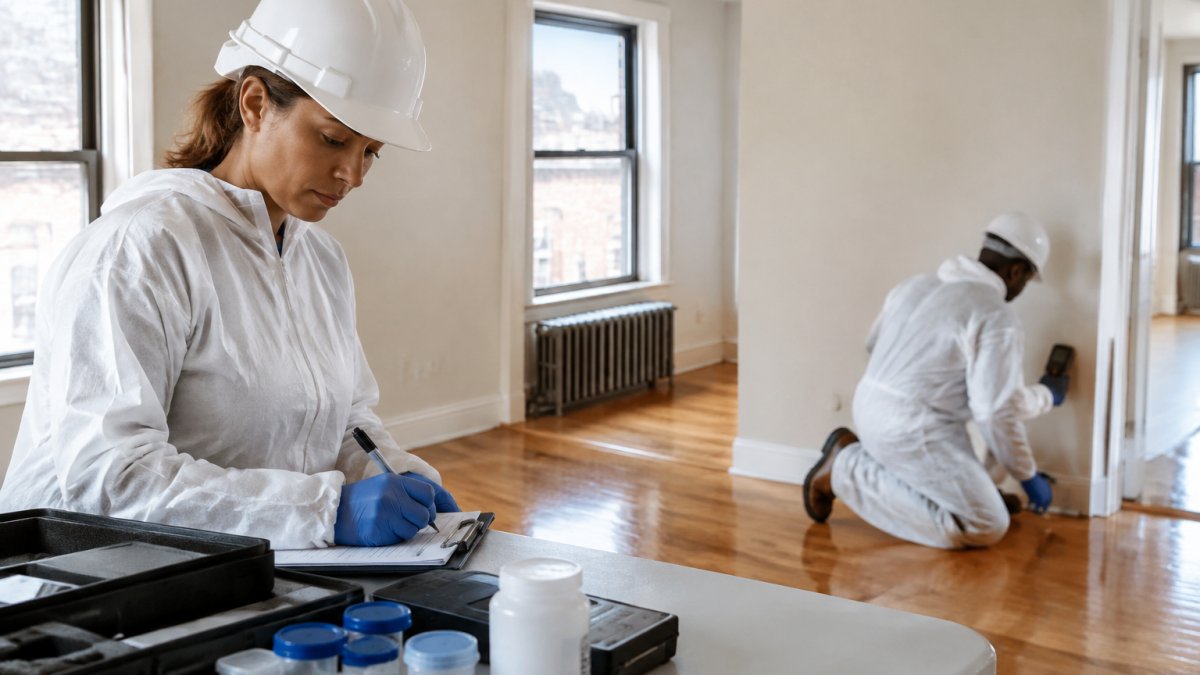
A certified inspector or certified risk assessor looks at more than peeling paint. The inspection scope typically covers:
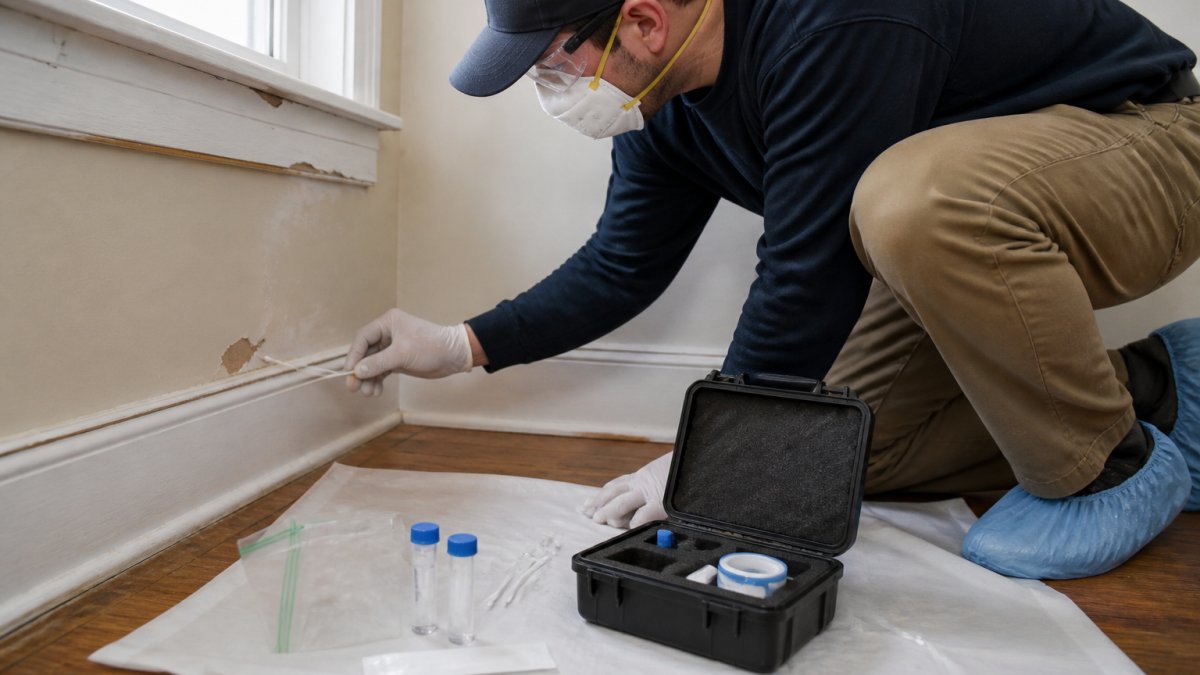
- Deteriorated paint on walls, trim, doors, and windows
- Paint-chip sampling sent for laboratory analysis
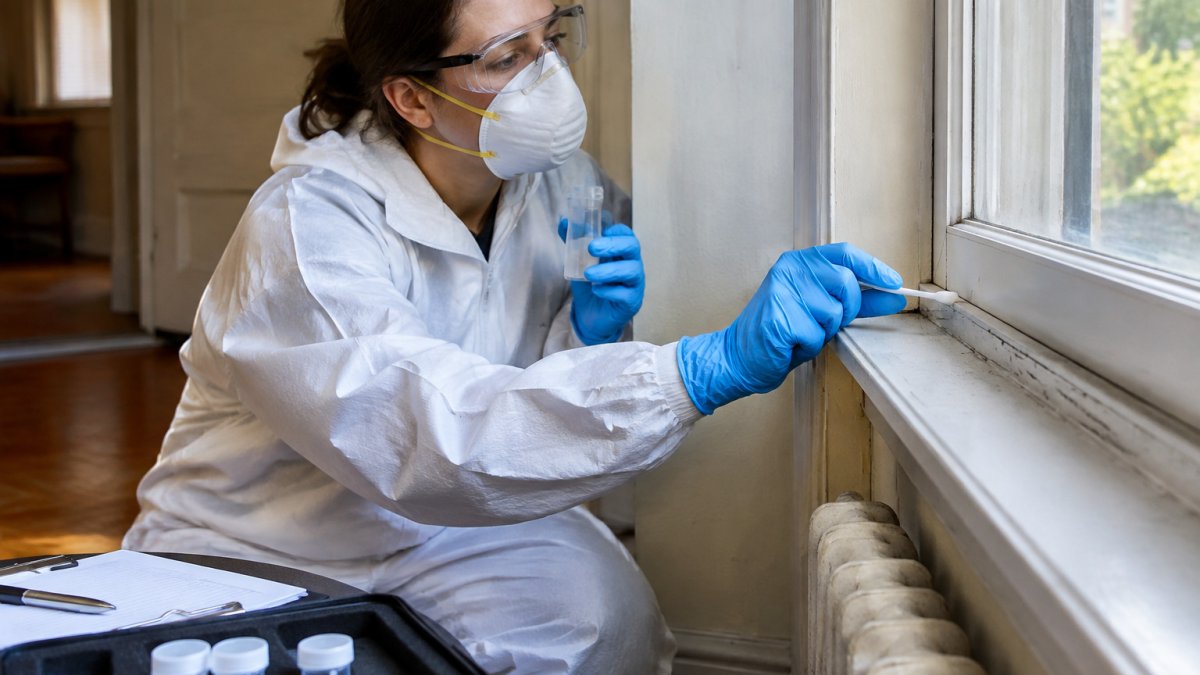
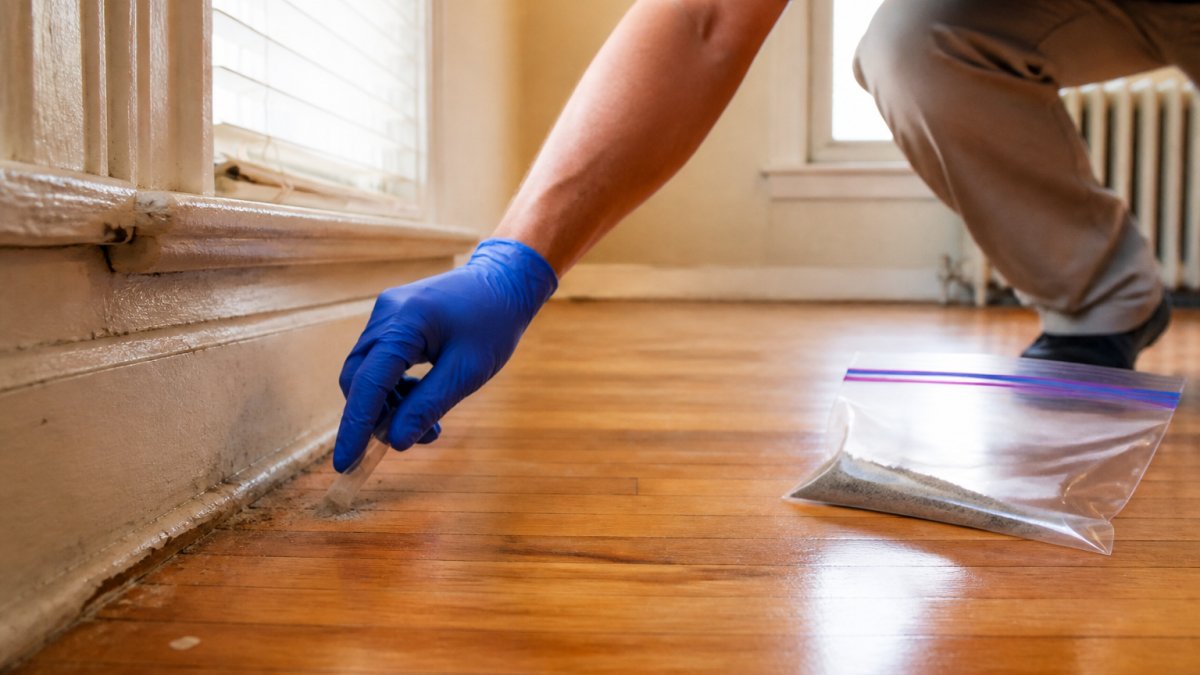
- Dust-wipe sampling on floors, sills, and window wells
- XRF testing (X-ray fluorescence) to read lead concentration in painted surfaces without damage
- Common hazard locations such as friction surfaces and impact points
A visual inspection alone can miss hazards. Dust wipe sampling or XRF testing gives a complete picture, a limitation ACIA NJ notes in its guidance on visual inspections.
How to Prioritize Properties for a Bulk Lead Inspection
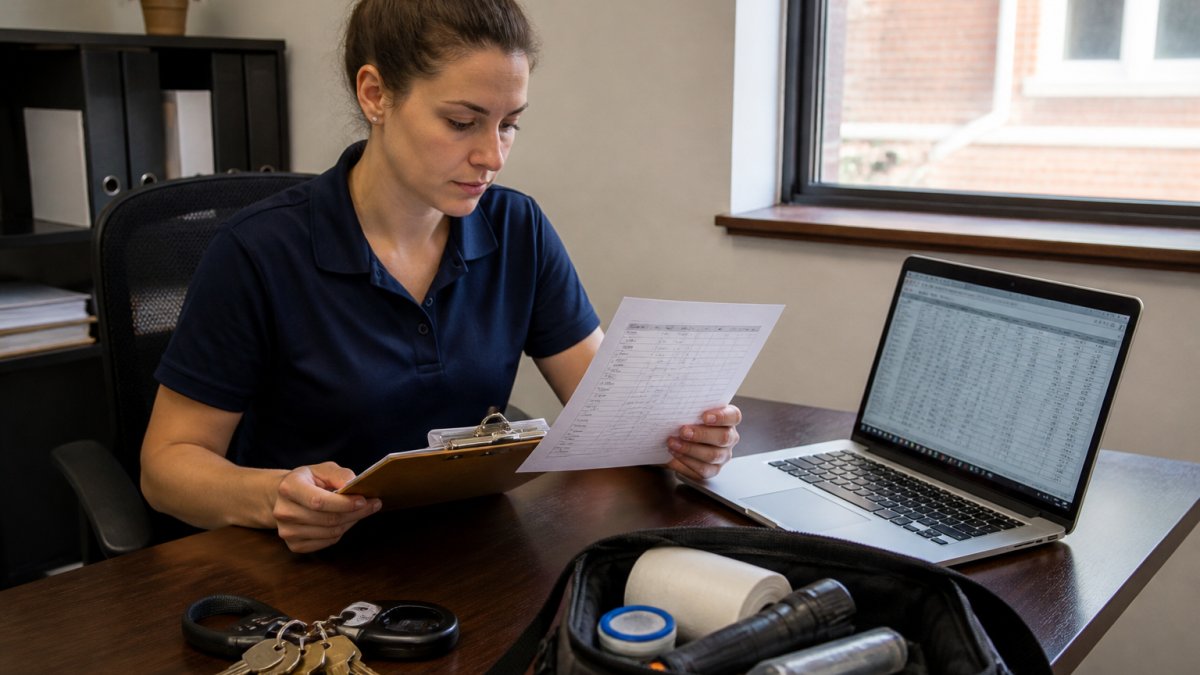
Rank properties by risk first, then schedule in that order. Building age, tenant profile, condition, and prior findings decide who goes first, and a written scoring method keeps the order defensible if a reviewer or owner asks why one building was tested before another.
Build a Risk Score for Each Property
Use a simple point system so every address gets the same treatment. A simple pattern is a score in each of several risk categories, then a total:
- Construction year band. Pre-1940 scores highest; 1940-1959 next; 1960-1977 lower; post-1977 lowest (and often out of scope for lead paint rules).
- Occupancy risk. Units with a child under six, a pregnant tenant, or a tenant who reports symptoms score highest. Vacant units score lower but still count if they will be leased soon.
- Condition. Deteriorated paint, water damage, friction surfaces, and recent renovation score higher than a well-maintained unit.
- History. Prior failed dust wipes, complaints, or abatement work raise the score because retesting and clearance records may be needed.
- Business deadline. A lease renewal, license renewal, or sale date within 90 days raises the score.
Sort high to low and schedule the highest-scoring properties first.
Decide the Inspection Scope Before You Schedule
Prioritization is not only about order, it is also about which service each property needs. Ordering the wrong scope wastes a visit and a lab batch.
- Full lead-based paint inspection fits buildings with unknown paint history, pre-1940 stock, or a sale or refinance coming up.
- Lead dust wipe testing fits units that were previously inspected, recently renovated, or are being turned over between tenants.
- Risk assessment fits buildings with known deteriorated paint where the owner needs a hazard-control plan, not just a pass/fail.
- Clearance testing fits any unit where abatement or remediation was performed; it confirms the work is complete before the unit is re-occupied.
A practical rule: if the property has never been inspected and was built before 1960, start with a full inspection. If it has a current report and only the tenant changed, dust wipe testing is usually enough.
Watch out: skipping the scope decision and booking every property for a full inspection can double lab costs on units that only needed dust wipes.
Handle the Edge Cases
- Mixed-age portfolios. Score each building separately; do not average a portfolio.
- Recently renovated units. Renovation can disturb dust; test after cleaning and before the next tenant moves in.
- Units that failed before. Put them in the first tier and confirm what retest the prior report requires.
- New acquisitions. Add them to the register the day the deal closes so they enter the next batch.
Once the scores are set, move to the scheduling and tenant-coordination steps below so the top-tier properties actually get tested in the window you planned.
Lead Dust Wipe Testing for Rental Properties in a Multi-Unit Schedule
Lead dust wipe testing for rental properties measures lead dust on floors, sills, and window wells using treated wipes sent to a lab. In a multi-unit schedule, the goal is to test units efficiently.
Batching units by building can make scheduling more efficient.
Coordinating Tenants and Occupied Units
Occupied units need notice and access windows. A practical sequence:
- Send written notice to every tenant at least a week ahead
- Group units by building so access happens in one block
- Offer morning and evening windows for working tenants
- Keep a backup list of units for no-shows
Preparing Each Unit Before the Inspector Arrives
Clean conditions change results. Dust wiped from a recently cleaned sill reads differently than dust settled for weeks.
A few general preparation steps include: how to prepare for lead dust inspection.
- Do not sweep or dry-dust for 24 hours before the visit
- Keep windows closed so dust settles on sills
- Clear access to window wells and floors near friction surfaces
- Note any recent renovation work for the inspector
What Drives Bulk Lead Inspection for Properties Cost
Pricing depends on quantity, dates, and delivery, so check 99leadsafe.com for current prices or a quote. For a detailed breakdown of pricing factors, see the cost of lead inspection for rental units.
National benchmarks give a rough frame. Professional lead inspection typically runs $200 to $1,500 per property, with a national average near $600 (IRIS Lab, 2026). Lab fees for paint, soil, or dust wipe samples commonly run about $40 per sample, per Wisconsin State Laboratory of Hygiene's fee schedule.
How the Cost Drivers Interact
A per-unit price is not simply unit count times a flat rate. Four drivers compound:
- Unit count sets total inspection hours and total sample volume.
- Building age sets how many surfaces and rooms need sampling; older stock usually needs more wipes and more paint-chip samples.
- Occupancy status sets access time; occupied units need notice, access windows, and sometimes a second visit for no-shows.
- Travel distance sets inspector time on site; clustering by ZIP code reduces it.
When you batch units by building, the same trip covers several addresses, so travel and setup are shared. When you batch samples into one shipment, lab handling is shared too. The savings show up per unit, not per sample.
Per-Unit Versus Per-Building Pricing
Ask how the inspector quotes before you compare bids:
What Usually Raises the Bill
Watch out: a low per-unit quote that assumes a small sample count can end up costing more than a higher quote that includes the samples you actually need.
Budgeting Across a Portfolio
Build the budget from the register, not from a single quote, and check 99leadsafe.com for current pricing.
| Cost Driver | What It Changes | How to Control It |
|---|---|---|
| Unit count | Total inspection hours | Batch units by building |
| Building age | Number of samples needed | Prioritize oldest first |
| Occupancy status | Access and scheduling time | Send notice early |
| Sample volume | Lab fees per sample | Group samples in one shipment |
| Travel distance | Inspector time on site | Cluster by ZIP code |
| Retests and second visits | Total visit count | Confirm retest pricing up front |
Securing a Lead Safe Certificate Philadelphia Landlords Can Rely On
A Lead Safe Certificate documents that a rental unit passed lead hazard inspection. Landlords should confirm the certificate requirements that apply to their rental license.
The process follows a clear path:
- Book the inspection and confirm the scope
- Complete the dust wipe and surface testing
- Receive lab results
- Address any failed surfaces and arrange retesting if needed
- File the certificate with your compliance records
Our guide on how to get Lead Safe Certification in Philadelphia covers each step in detail. If a unit fails, ask about retest pricing up front so there are no surprise bills.
Standardizing Reports and Records Across Every Property
One format for every property saves hours at license renewal. Ask your inspector for consistent written findings across the portfolio.
A typical inspection report can include:
- Property address and unit number on every page
- Sampling method used for each surface
- Laboratory results with lead concentration readings
- Hazard location listed room by room
- Risk level and recommended hazard control steps
- Clearance testing results where abatement or remediation occurred
Store reports in one shared folder, named by address and inspection date. When a city reviewer asks for compliance records, you produce them in minutes, not days.
Book Your Portfolio Inspection with 99leadsafe.com
Coordinating a bulk lead inspection for properties across a portfolio takes planning, but the payoff is a single compliance window instead of months of scattered visits. Waiting can leave a rental without the documentation a license renewal or lease requires.
Our $99 lead-safe inspection includes EPA-approved lab analysis, results in 2 to 7 business days, and expedited service when a lease signing is close. Every report comes with professional documentation and filing instructions, so your records stay consistent across every address.
Get started with 99leadsafe.com and put your whole portfolio on one compliance schedule. Visit 99leadsafe.com to book your inspection.
Frequently Asked Questions
How much does a bulk lead inspection cost for several rental properties?
Pricing depends on the number of units, the inspection scope, and how many dust-wipe samples each property needs. Pricing depends on quantity, dates, and delivery. Check 99leadsafe.com for current pricing and a quote.
When do landlords need lead testing for rental properties?
Testing is commonly tied to federal lead-based paint requirements for pre-1978 housing, to local rental license conditions, and to renovation or turnover that disturbs painted surfaces. Visual checks alone can miss hazards. If you manage multiple units, consider scheduling testing before lease renewals and before renovation work begins.
What is the difference between a lead-based paint inspection and lead dust testing?
A lead-based paint inspection identifies where lead paint exists on surfaces, often using XRF testing or paint-chip sampling. Lead dust wipe testing measures lead dust on floors, windowsills, and other surfaces where occupants are exposed. Both matter for compliance: the inspection maps the hazard, and dust testing shows current exposure risk.
How do landlords coordinate lead dust testing across multiple properties?
Group properties by location and schedule one inspection day per cluster, notify tenants at least a week ahead, and prepare each unit by clearing floors and windowsills. Ask the inspector to standardize sampling locations and reporting so results are easy to compare.