 how-to
Is Professional Lead Testing Required for Home Sales in Philly?
Last Updated: November 1, 2026
Quick Summary
No, Philadelphia does not require professional lead testing to sell a home. The city's lead certification rules apply to rental properties, not sales, so sellers owe buyers disclosure of known hazards rather than a clean certificate. Lead testing remains optional for a sale and can help reassure buyers.
- Philadelphia's rental lead law took effect October 1, 2020, per the Greater Philadelphia Association of Realtors.
- Selling a pre-1978 home requires disclosing known lead-based paint hazards and giving the buyer the EPA pamphlet.
- A lead-safe certificate is tied to the unit and inspection date, not the owner, and does not transfer to a buyer.
- Landlords need certification when signing or renewing a lease or applying for or renewing a rental license.
- A failed dust wipe test is usually resolved by repairing deteriorated paint, cleaning thoroughly, and retesting.
Table of Contents
- The Short Answer on Lead Testing for Philadelphia Home Sales
- Philadelphia Rental Lead Requirements vs. Home Sale Rules
- Lead Paint Disclosure When Selling a Home in Philadelphia
- Lead Dust Wipe Testing for Landlords: When It Applies
- How to Prepare for a Lead-Safe Inspection
- Verifying Inspector Credentials and Reading the Report
- Book Your Lead-Safe Inspection with 99leadsafe.com
- Frequently Asked Questions
The Short Answer on Lead Testing for Philadelphia Home Sales
No, Philadelphia does not require professional lead testing to sell a home. The city's lead certification rules apply to rental properties, not sales. According to City of Philadelphia lead and healthy homes resources for landlords, landlords must test and certify rentals to sign a new or renewed lease or to get or renew a rental license. A home sale is not on that list.
That distinction trips up a lot of sellers. They hear "Philadelphia lead law" and assume a test is mandatory before closing. It isn't. What you owe a buyer is disclosure, not a clean certificate.
This guide from 99leadsafe.com separates the two sets of rules. Below, we'll show you exactly what applies to a sale, what applies to a rental, and where sellers still get caught.
Philadelphia Rental Lead Requirements vs. Home Sale Rules
Rental rules and sale rules are two different systems. Mixing them up is the most common mistake we see, and it costs landlords time and money.
Philadelphia rental lead requirements center on certification. The city requires owners of pre-1978 rental properties to certify the unit is lead-safe or lead-free before a lease starts or a rental license is issued or renewed (Rental Property Lead Certification Law | Department of Public Health). The Greater Philadelphia Association of Realtors noted the rental lead law took effect October 1, 2020. Certification involves a visual inspection and dust-wipe sampling, per how to prepare for your lead test.
What the certificate actually covers matters. A lead-safe certificate confirms that tested dust-lead levels on sampled surfaces fall below the applicable clearance standards and that paint is intact at the time of inspection. It is tied to the unit and the inspection date, not to the owner, and it does not travel with the property to a new owner. That is why a sale does not satisfy a rental obligation and a rental certificate does not satisfy a sale.
Home sales work differently. No city certificate is required to close. Instead, federal and state disclosure duties apply.
| Property situation | Professional test required? | What triggers it |
|---|---|---|
| Selling a home | No | Federal disclosure of known hazards |
| Renting a pre-1978 unit | Yes | New or renewed lease, license |
| Owner-occupied home | No | Nothing mandatory |
| Child-care facility | Check local rules | Licensing requirements |
The short version: rentals need a certificate. Sales need a disclosure. Keep those straight and you avoid most compliance headaches.
Lead Paint Disclosure When Selling a Home in Philadelphia
Selling a pre-1978 home means you must disclose known lead-based paint hazards to the buyer. Federal law requires it. You give the buyer the EPA pamphlet and a disclosure form, and you hand over any reports you already have.
Here's what most sellers miss: disclosure is not the same as testing. You are not required to test. You are required to tell the buyer what you know. If you have an old inspection report, share it. If you don't, say so.
The safest path is to complete the disclosure form honestly and keep records. Sellers who need help with the paperwork can follow how to fill out the Philadelphia lead disclosure form step by step.
A test is optional for a sale, but it can help. A clean report reassures buyers and can speed up negotiations. It is a selling tool, not a legal requirement.
Lead Dust Wipe Testing for Landlords: When It Applies
Lead dust wipe testing for landlords applies at specific trigger points, not on a random schedule. The city ties it to leases and licenses.
You need certification when you:
- Sign a new lease on a pre-1978 unit
- Renew an existing lease
- Apply for or renew a rental license
- Rent to a family with young children in an older property
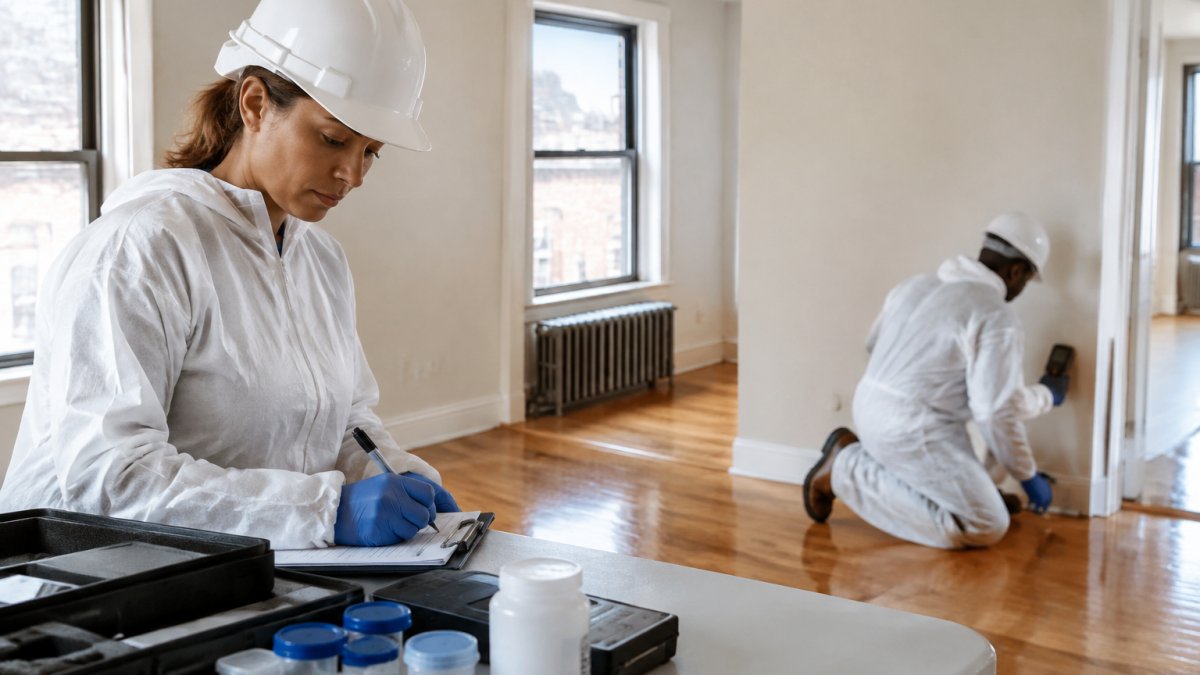
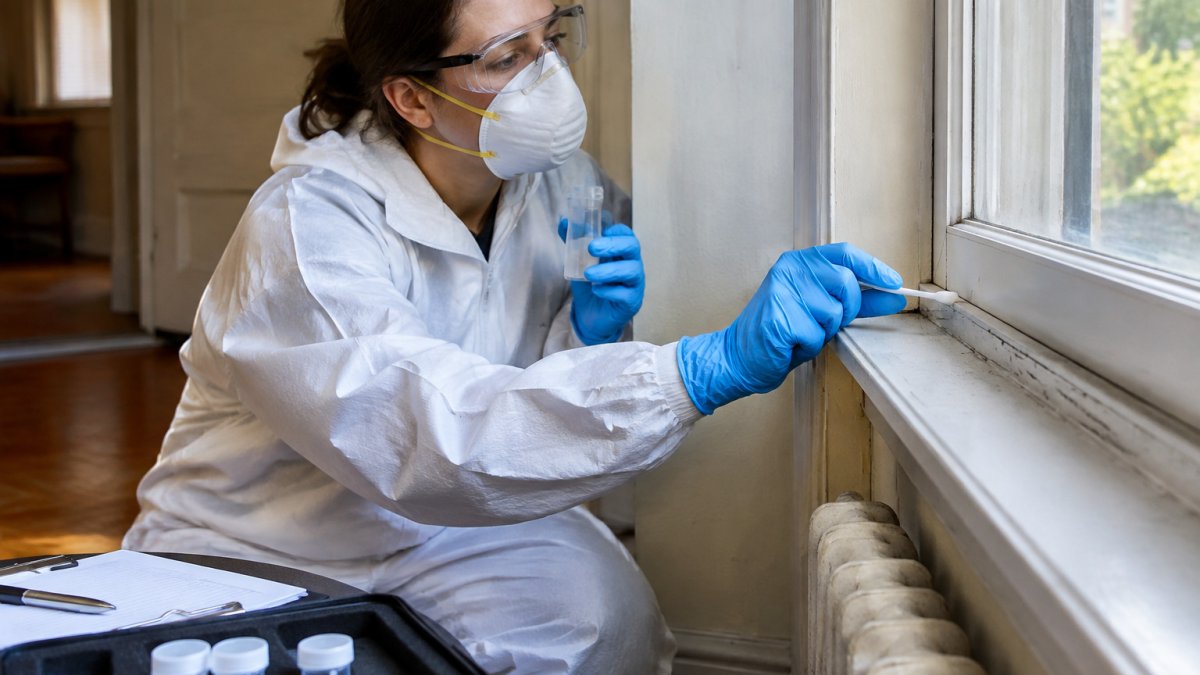
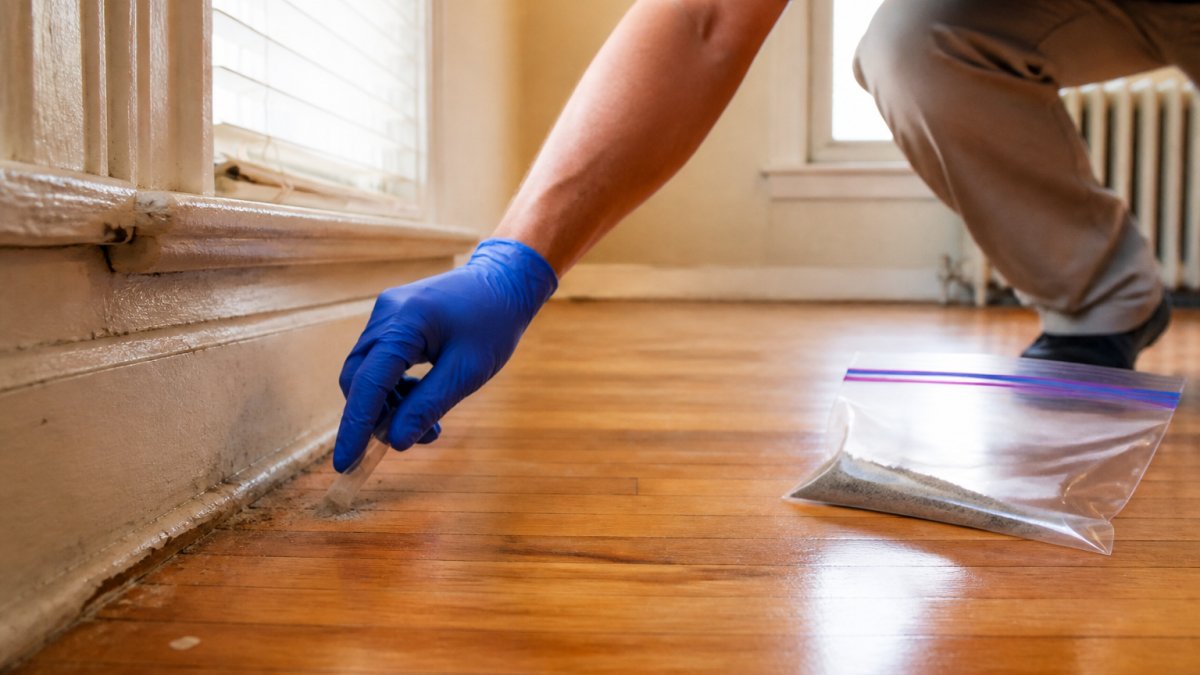
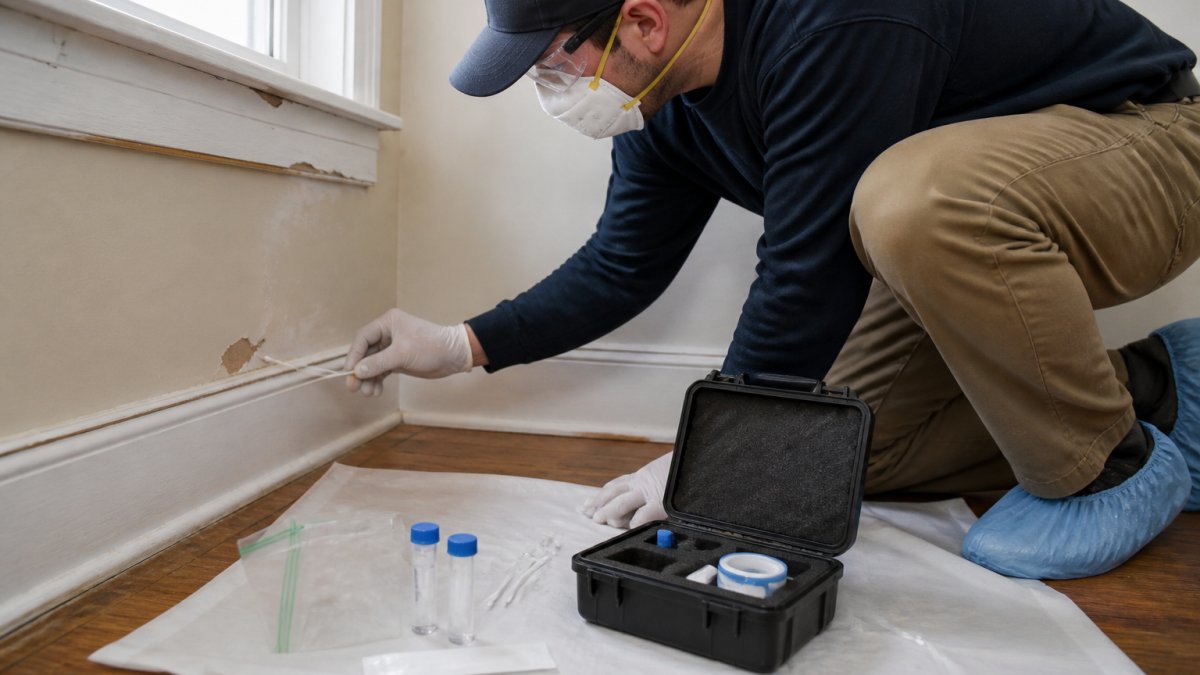
The test itself is straightforward. A certified technician wipes surfaces where dust collects, like windowsills, window wells, floors, and other horizontal surfaces, and sends the samples to a lab.
What the wipe test actually measures is dust-lead loading on those surfaces, reported against clearance standards. A unit passes when sampled surfaces fall below the applicable thresholds and paint is intact. A unit fails when dust-lead levels exceed the standard or when deteriorated paint is present at the sampling locations.
If a unit fails, the usual path is to address the source (repair deteriorated paint, clean thoroughly) and retest. Retesting is common and expected; it is not a sign that something went wrong. Budget time for a retest if your unit is older or has visible paint deterioration.
Watch out: skipping recertification because "nothing changed" is a common and costly error. The city checks certification status, and a lapsed certificate can stall a lease or a license renewal. Build recertification into your lease calendar so it never surprises you.
How to Prepare for a Lead-Safe Inspection
Preparation decides whether you pass on the first visit. A little work ahead of time saves a retest.
Do these before the inspector arrives:
- Clean windowsills, floors, and window wells with a damp cloth
- Wipe down horizontal surfaces where dust settles
- Fix peeling or chipping paint on walls, trim, and doors
- Clear access to every room the inspector needs to see
- Remove loose debris and clutter near testing spots
- Have your property details and prior reports ready
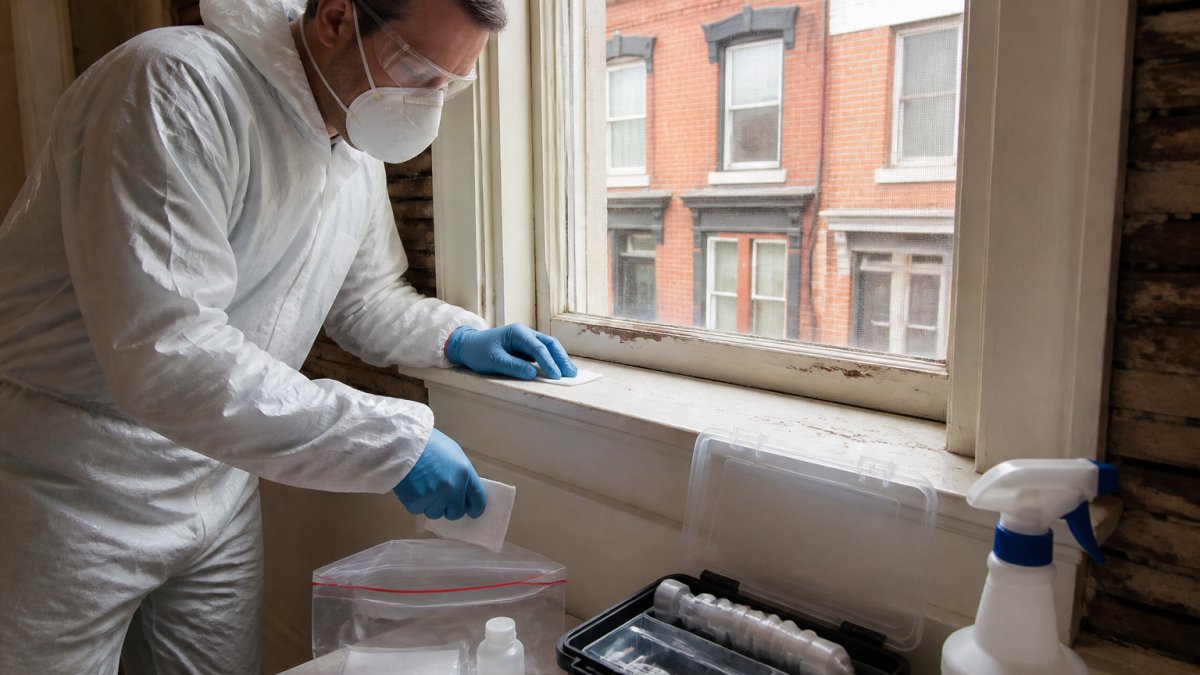
For a full walkthrough, use these 7 steps to prepare your home for lead inspection. The goal is simple: clean surfaces and intact paint give you the best shot at passing.
Verifying Inspector Credentials and Reading the Report
Not every company that offers a "lead test" is qualified to certify a rental. Check credentials before you book.
Ask the inspector for proof of certification and confirm the lab's approval status before booking. A legitimate report lists the sampling locations and the lab results for each one.
When you read the report, look for:
- Which surfaces were sampled
- The lab result for each sample
- Whether the unit passed as lead-safe or lead-free
- The certificate date and expiration
If you are comparing providers, review 7 credential checks for verifying lead inspector certification before you commit.
Lead-safe versus lead-free: lead-safe means hazards are controlled and dust levels pass. Lead-free means no lead paint is present at all. Most older homes certify as lead-safe.
Book Your Lead-Safe Inspection with 99leadsafe.com
At 99leadsafe.com, we handle lead-safe inspections for rentals, homes, and child-care facilities across the Greater Philadelphia area.
Here's what you get:
- A $99 lead-safe inspection
- Results in 2 to 7 business days
- EPA-approved lab analysis
- Expedited service available
- Professional documentation and filing instructions
Reach out through our contact page to get started.
Frequently Asked Questions
Is professional lead testing required to sell a home in Philadelphia?
No. Philadelphia's lead certification rules apply to rental properties at lease signing or license renewal, not to home sales. Sellers of pre-1978 homes must provide the federal lead-based paint disclosure and the EPA pamphlet, but they are not required to hire a professional tester. Some sellers choose voluntary lead testing to market the home or negotiate repairs, but it is not a legal condition of sale.
Does Philadelphia require a Lead-Safe Certificate for a home sale?
A Lead-Safe Certificate is tied to rental licensing and lease events, not home sales. Landlords must certify rental units to execute a new or renewed lease or to obtain or renew a rental license. A homeowner selling a property is not subject to that rental certification requirement. If the buyer plans to rent the property, the rental rules then apply to the new owner.
When do Philadelphia landlords need lead dust wipe testing?
Landlords need lead dust wipe testing before executing a new or renewed lease and before receiving or renewing a rental license for pre-1978 properties. The certification process includes a visual inspection and dust-wipe sampling by a certified technician. Results typically return in 2-7 business days through an EPA-approved lab, so schedule testing well before your lease signing or license deadline.
How can a landlord prepare a rental property for a lead-safe inspection?
Clean windowsills, floors, and other surfaces to remove dust, and clear access to tested areas. Repair peeling paint on friction surfaces like windows and doors, since deteriorated paint can fail the visual inspection. Keep documentation of any prior lead paint removal or abatement. Confirm the technician has current Pennsylvania certification, and allow enough time for lab results before your lease or license deadline.
What does a lead dust wipe inspection check?
A lead dust wipe inspection checks for lead dust on surfaces such as windowsills, floors, and window wells using treated wipes. The samples go to an EPA-approved lab for analysis. The inspector also performs a visual inspection for deteriorated paint. Results show whether lead dust levels meet EPA safety standards, and the report documents the property's lead-safe status for rental compliance.
The rules are not as confusing as they look once you separate sales from rentals. Sales need disclosure. Rentals need a certificate. Get the certificate right and your lease or license moves forward without delay. Get started with 99leadsafe.com and book a $99 lead-safe inspection that keeps your property compliant and your tenants safe.