 how-to
How to Fill Out the Philadelphia Lead Disclosure Form
Table of Contents
- Philadelphia Lead-Based Paint Disclosure Requirements
- Lead Disclosure Form Instructions for Rental Properties
- Philadelphia Lead-Safe Certificate Requirements
- How to Get a Lead-Safe Certificate in Philadelphia
- Common Situations: Unknown Hazards, Existing Certificates, and Exemptions
- What to Do When a Required Step Is Incomplete
- Frequently Asked Questions
Last Updated: October 19, 2026
Philadelphia Lead-Based Paint Disclosure Requirements
Federal law requires landlords to disclose known lead-based paint hazards before a tenant signs a lease in any pre-1978 rental. This guide from 99leadsafe.com walks through how to fill out the Philadelphia lead disclosure form line by line, plus how the city's separate Lead-Safe Certificate fits into the same file.
The federal rule comes from the EPA lead disclosure rule for rental property, which applies nationwide. Philadelphia adds its own rental lead rules on top. Landlords who treat these as one form get tripped up fast.
Three documents usually sit in a compliant lease file:
- The federal lead-based paint disclosure form
- Philadelphia's lead hazard disclosure addendum
- The city Lead-Safe Certificate or a valid exemption
Most guides blur these together. They are not the same document, and each has its own signature and recordkeeping rules.
Lead Disclosure Form Instructions for Rental Properties
Filling out the form takes about ten minutes per unit once you have the inspection report in hand. The work is mostly matching what you know about the property to the checkboxes and blank lines. Below is a field-by-field walkthrough of the federal disclosure form (EPA Form 7470-1A for the disclosure and 7470-1B for the acknowledgment), which is the document most landlords mean when they say "lead disclosure form."

Step 1: Identify the Property and Parties
Start with the address and unit number exactly as they appear on the lease. Then list the landlord's legal name and the tenant's full name.
Small mismatches cause problems later. A missing unit number or a nickname instead of a legal name can make the form hard to enforce. If the property is a multi-unit building, put the unit number on every page, not just the first.
Step 2: Complete the Known Hazards Section
This section asks what you know about lead-based paint and lead-based paint hazards on the property. You have three honest options:
- Known hazards present: attach the inspection report and describe the findings
- No knowledge of hazards: check the box stating you have no reports or records
- Reports exist but you have not reviewed them: disclose that fact
Never leave this blank. An incomplete section reads as a missing disclosure.
If you have a current EPA lead-safe certification guidance report, attach it and reference it by date. The form also asks you to list any records or reports you have, so write the report title, date, and the inspector or lab that produced it.
Step 3: Complete the Agent and Lessor Blocks
If a property manager handles the lease, the agent block names the agent and the agent's company. The lessor block names the owner. Both can be the same person for a self-managed rental, but do not leave either blank if a manager is involved.
This is where most file errors start. A form signed by an agent with no authority noted on the lease is easy to challenge later.
Step 4: Obtain Signatures and Retain Records
The tenant signs and dates an acknowledgment confirming receipt of the disclosure and the EPA pamphlet "Protect Your Family from Lead in Your Home." You sign as the landlord or authorized agent.
Then keep copies. A common mistake is filing the original in the tenant's folder and forgetting the landlord copy. Retain both for at least three years after the lease ends. The acknowledgment is a separate page from the disclosure itself, so keep the pair together.
Philadelphia Lead-Safe Certificate Requirements
Philadelphia requires a Lead-Safe Certificate or a valid exemption for most rental properties before you can rent them. The certificate confirms the property passed a lead dust wipe test or a certified lead inspection.
The city's rental license process checks for this. A missing or expired certificate can hold up your rental license.
Key points for landlords:
- The certificate is tied to the property, not the tenant
- It has an expiration date, so track renewals
- An exemption form applies only in specific cases the city defines
How to Get a Lead-Safe Certificate in Philadelphia
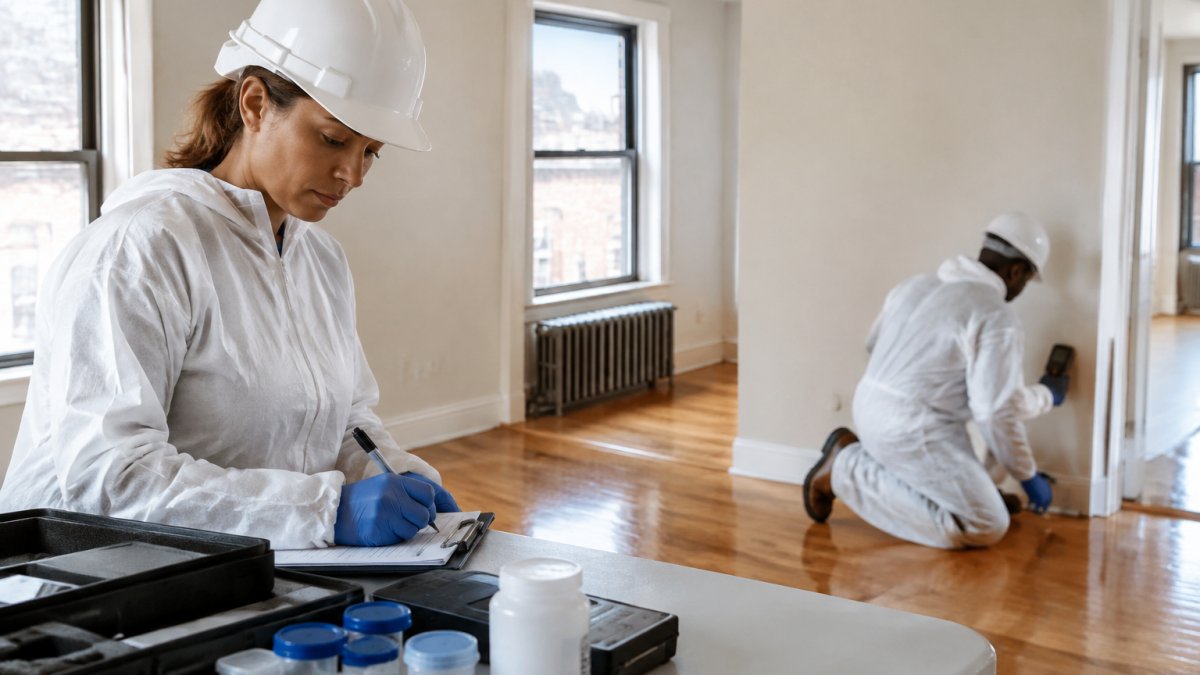
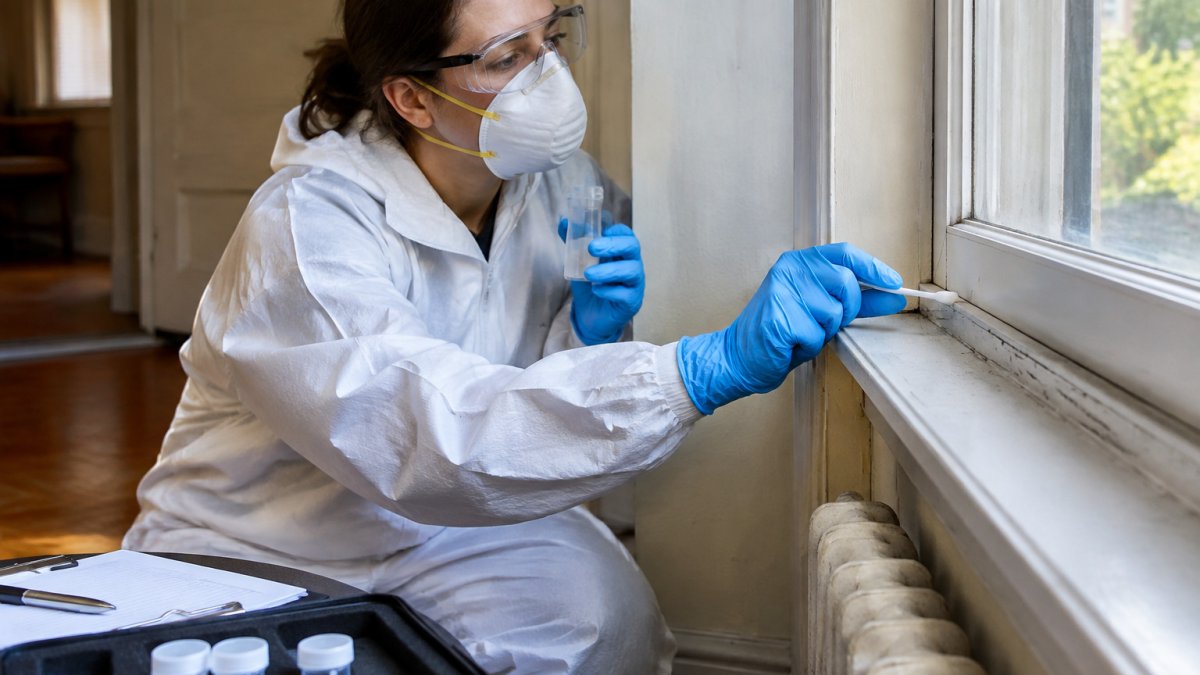
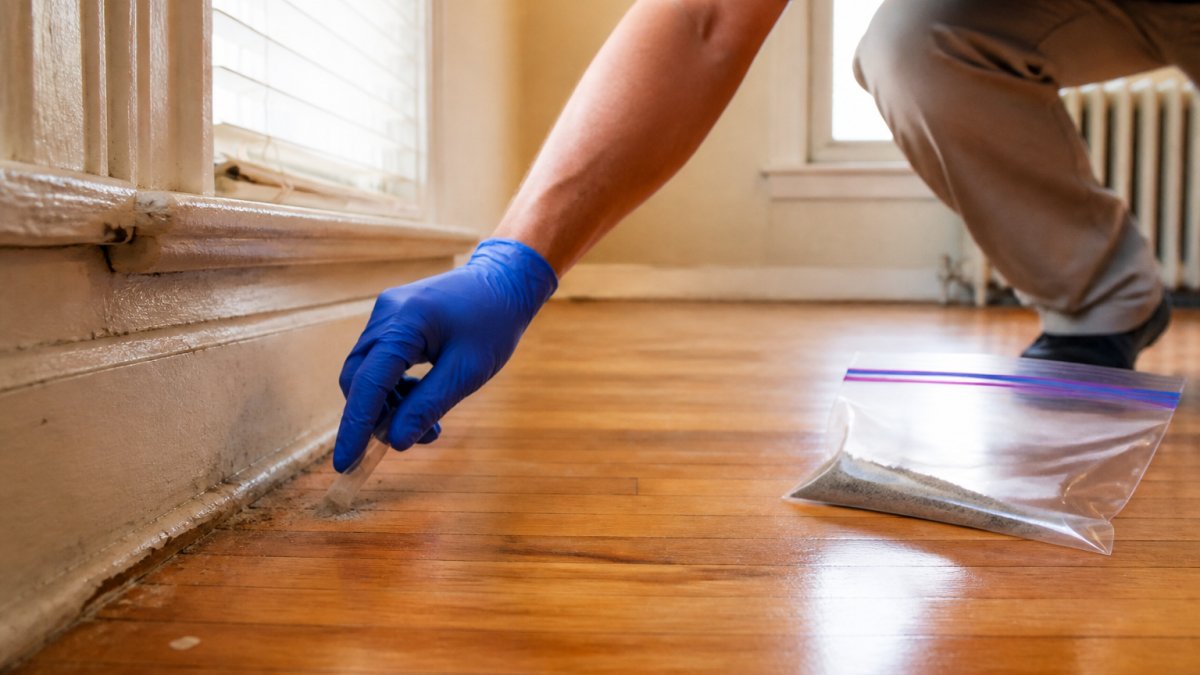
Getting certified starts with a lead dust wipe test or a certified lead inspection by a qualified inspector. The inspector collects dust samples and sends them to an EPA-approved lab. The certificate itself is issued after the property passes, and the city ties it to the rental license file.
Here is the usual sequence:
- Confirm your property is covered by the city rules
- Book a lead dust inspection with a certified provider
- The inspector collects samples and submits them for lab analysis
- Results come back and the certificate is issued if the property passes
- File the certificate with the city as required
What the Certificate Actually Is
The Lead-Safe Certificate is a city-issued document that confirms the property passed a lead dust wipe test or a certified lead inspection. It is tied to the property, not the tenant, and it carries an expiration date. That date is the single most important field on the document, because the rental license check looks at whether the certificate is current at the time of licensing, not whether one existed at some point.
How the Certificate Fits the Rental License File
The city's rental license process checks for a current certificate or a valid exemption. A missing or expired certificate can hold up your rental license. Practically, that means the certificate belongs in the same file as the rental license application, not in a separate inspection folder.
Timing and Turnaround
Turnaround matters when a lease is pending. At 99leadsafe.com, results typically come back in 2-7 business days through EPA-approved lab analysis, with expedited service available when a signing date is close. Build the retest window into your calendar: if the property fails, you fix the identified hazard and retest, and that second cycle adds days you may not have before a lease signing.
If the Property Fails
A failed dust wipe test is not the end of the process. The inspector identifies the hazard location, you fix it, and you retest. Ask about retest pricing up front so there are no surprise bills. Keep the failed report in the file alongside the passing one, because the paper trail shows the hazard was addressed.
Common Situations: Unknown Hazards, Existing Certificates, and Exemptions
Real files rarely look clean. Here is how to handle the three situations that come up most.
Unknown hazards. If you have no inspection records, check the "no knowledge" box on the disclosure and get a dust test done. Guessing is not an option.
Existing certificate. Attach a copy to the lease file and note the expiration date. If it expires mid-lease, schedule the retest before renewal.
Exempt property. Some properties qualify for an exemption form. Keep the signed exemption in the file the same way you would a certificate.
| Situation | Disclosure Form | Certificate Needed | Next Step |
|---|---|---|---|
| No records on file | Check "no knowledge" box | Yes | Book a dust test |
| Current certificate | Attach copy | No, already valid | Track expiration |
| Valid exemption | Attach copy | No | Retain signed form |
| Failed test | Disclose findings | Yes, after retest | Fix hazard, retest |
What to Do When a Required Step Is Incomplete
Missing steps happen. The fix depends on who dropped the ball.
- Landlord missed the disclosure: complete and sign it now, then get the tenant's signature. Document the date.
- Tenant never signed: send the acknowledgment and keep proof of delivery.
- Inspector report is missing: request a copy from the lab or inspector and attach it.
- Certificate expired: book a new inspection before the next lease.
The theme is the same: fix it in writing and keep the record. Verbal promises do not hold up.
If you are unsure whether your file is complete, a HUD lead disclosure guidance review of the federal requirements helps you spot gaps.
Frequently Asked Questions
Is a lead disclosure form the same as a Lead-Safe Certificate?
No, they are different documents. The lead disclosure form is a federal requirement to inform tenants about known lead-based paint hazards. A Lead-Safe Certificate is a local Philadelphia document proving a property has passed a lead inspection and is safe for rental. Landlords need both to be fully compliant.
What information does a landlord need to provide on a lead-based paint disclosure?
The form requires the property address, landlord and tenant names, and disclosure of any known lead-based paint or hazards. You must also provide the EPA pamphlet 'Protect Your Family From Lead In Your Home' and give tenants a 10-day window to conduct their own lead testing.
When must a Philadelphia landlord give a tenant the lead disclosure?
You must provide the disclosure form and EPA pamphlet before the tenant signs the lease agreement. The tenant must sign and date the form to acknowledge receipt, and you must retain a copy for at least three years as part of your written records.
What should a landlord do if they do not know whether a rental has lead-based paint?
If you have no knowledge of lead-based paint, you must still disclose that fact on the form. The law requires you to state that you have no reports or records of lead hazards. You can then hire a certified lead inspector to test the property and update your records.
Filling out the Philadelphia lead disclosure form is manageable once you separate the federal disclosure, the city addendum, and the Lead-Safe Certificate. Missing any one of them is where compliance breaks down. 99leadsafe.com provides $99 lead-safe inspections with EPA-approved lab analysis, results in 2-7 business days, and clear filing instructions so your lease file holds up. Get started with 99leadsafe.com and rent your property with confidence.