 how-to
Cost of Lead Inspection for Rental Units: 2026 Guide
Table of Contents
- What Drives the Cost of Lead Inspection for Rental Units
- Lead Dust Wipe Testing for Rental Properties: Why It Changes the Price
- Who Pays for Lead Paint Inspection: Landlord or Tenant?
- How to Prepare for a Lead Inspection and Avoid a Retest Fee
- Lead Inspection Turnaround Time and What Delays Cost You
- How to Budget Lead Inspection Cost Across a Multi-Unit Portfolio
- Frequently Asked Questions
Last Updated: October 16, 2026
What Drives the Cost of Lead Inspection for Rental Units
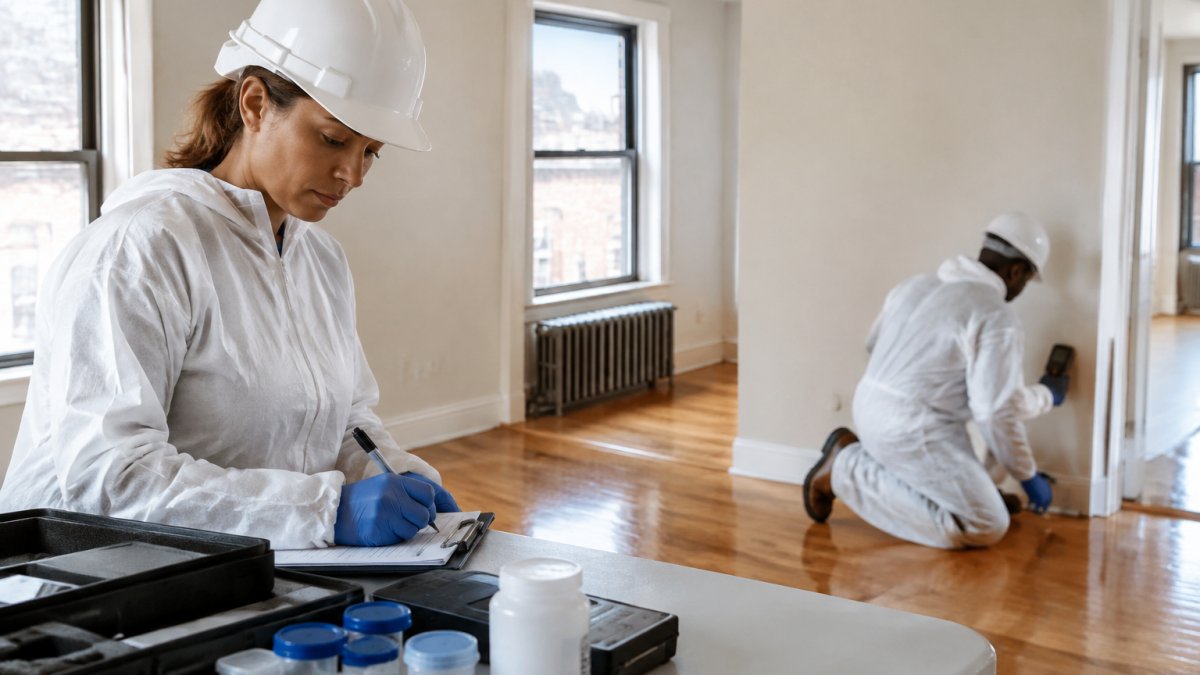
The cost of lead inspection for rental units depends on four things: property size, the number of units, how many samples the inspector takes, and what the quote actually covers. There is no single flat rate. A studio with two samples and a six-unit building with twenty samples are different jobs.
At 99leadsafe.com, we quote rental lead inspections every week, and the questions are always the same: what is included, what costs extra, and how do I avoid paying twice. This guide answers those questions directly.
Here is the part most landlords get wrong. They shop on headline price alone. Then the invoice arrives with add-ons they never agreed to, or the report fails and they pay for a retest. The real cost of a lead inspection is not the number on the quote. It is the quote plus everything it left out.
Property Size, Units, and Sample Count
Sample count is the biggest single driver of price. More rooms, more surfaces, more samples, more lab work, more money.
An inspector tests painted surfaces that wear or get touched: windows, doors, stairs, railings, trim. Older housing has more of these surfaces, and worn paint raises the odds of a positive result.
Multi-unit buildings multiply the work. Each rental unit gets its own inspection and its own report, because each unit needs its own certificate.
- Single-family rental: one inspection, one report
- Duplex or triplex: one inspection per unit
- Larger buildings: per-unit pricing, often with a volume discount
What a Quote Includes and What Costs Extra
A complete quote should list the site visit, the number of samples included, lab analysis, and the written report. Anything else is an add-on.
Ask these questions before you book:
- How many samples does the base price cover?
- What is the fee for each additional sample?
- Is the lab fee included or billed separately?
- Does the price include the certificate and filing instructions?
- What happens if the property fails?
Lead Dust Wipe Testing for Rental Properties: Why It Changes the Price
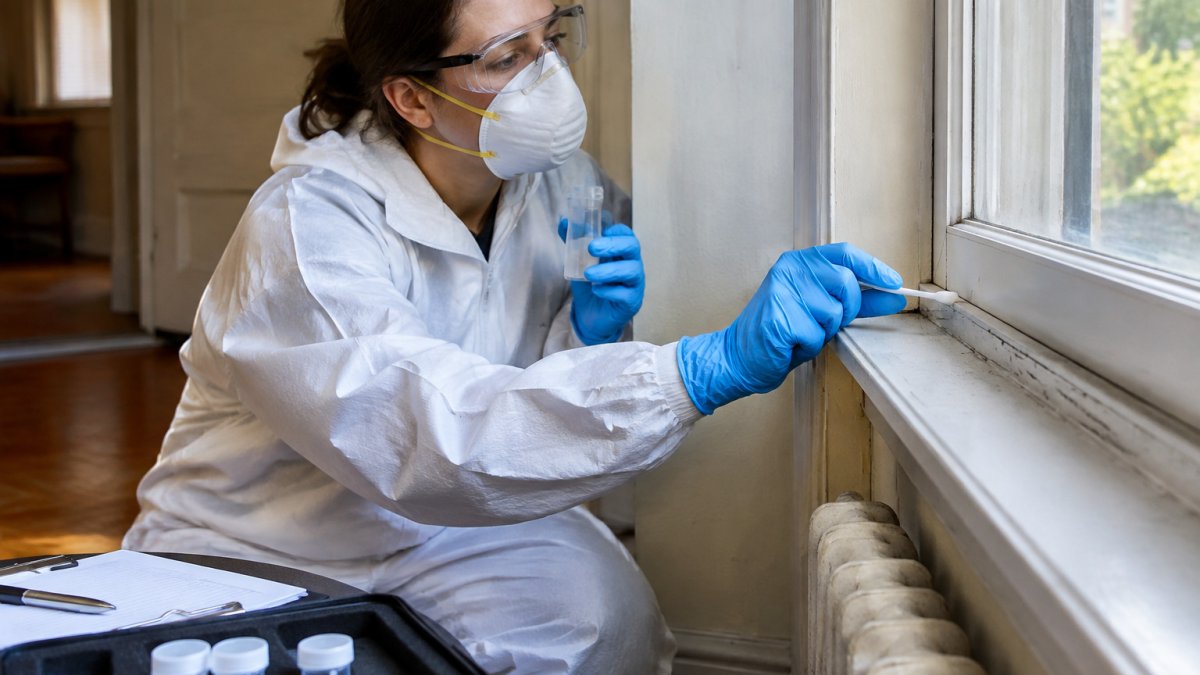
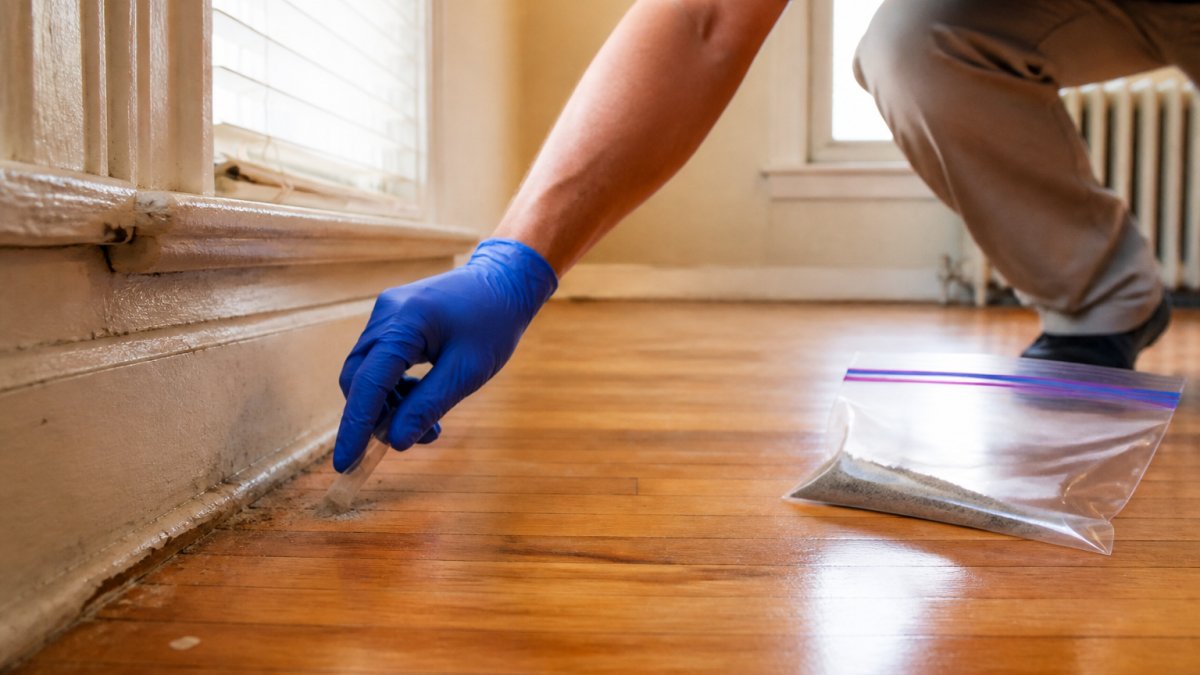
Lead dust wipe testing for rental properties often costs more than a simple paint inspection, because it adds lab analysis on top of the site visit. Dust wipes are collected from floors, windowsills, and window wells, then sent to a lab for analysis.
This matters because dust is the main way lead reaches tenants, especially children under six. A painted surface can look fine and still shed lead dust.
Dust wipe testing is also what clearance testing uses after repair or abatement work. Clearance testing confirms the unit is clean enough to reoccupy. It is a separate service from a lead-safe inspection, and it is priced separately.
So when you compare quotes, check which test you are actually buying:
- Visual inspection plus paint testing: checks painted surfaces
- Dust wipe testing: checks floors, sills, and wells for lead dust
- Risk assessment: identifies hazards and their causes
- Clearance testing: confirms a unit is clean after work
Who Pays for Lead Paint Inspection: Landlord or Tenant?
The landlord pays. Lead paint inspection is a property owner cost, not a tenant cost. It is part of owning and renting an older building, the same way a rental license or a smoke detector is.
Tenants can trigger an inspection by filing a complaint, but they do not pay for it. In many cities, a tenant complaint routes through the local health department, and the owner is the party held responsible for fixing the problem.
This is why smart landlords treat inspection as a scheduled cost, not an emergency one. A planned inspection is cheaper and calmer than a complaint-driven one.
How to Prepare for a Lead Inspection and Avoid a Retest Fee
Preparation is the cheapest insurance against a retest fee. A retest costs money and time, and it delays your certificate.
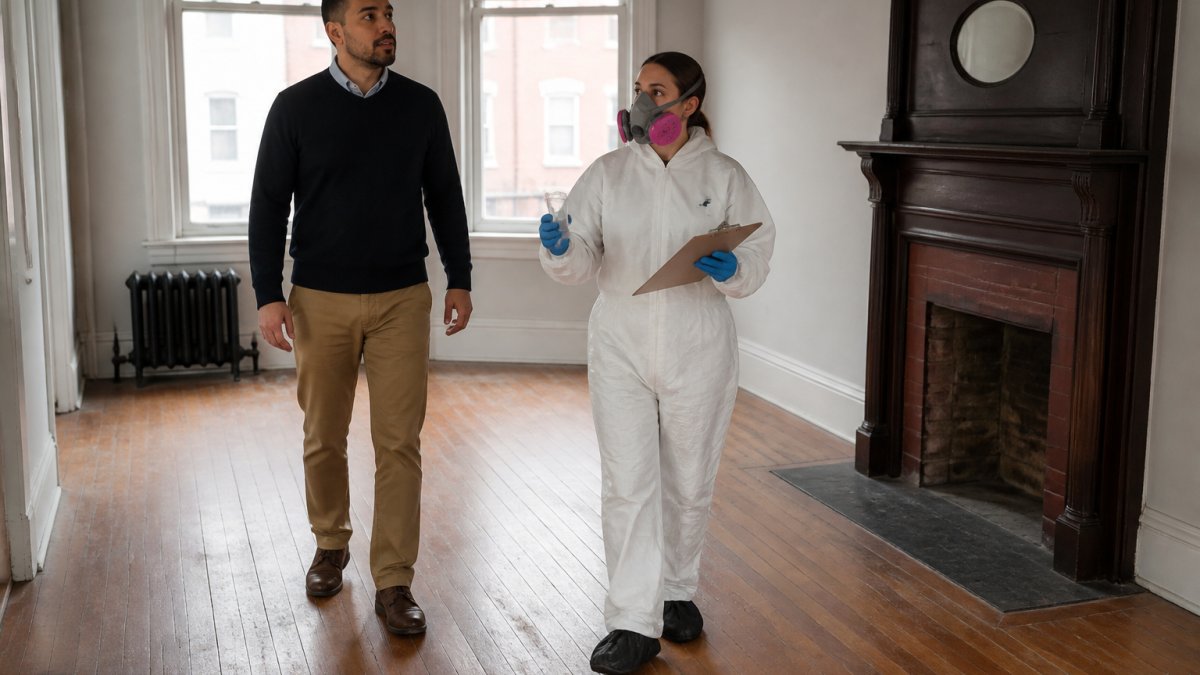
A retest usually happens for one of two reasons: the inspector could not access a surface, or the unit was dirty enough to skew a dust wipe.
Use this checklist before the site visit:
- Confirm the inspection date with tenants in writing
- Clear furniture away from windows, doors, and stairs
- Clean floors, windowsills, and window wells
- Repair peeling or chipping paint on tested surfaces
- Make sure the inspector can reach every room and closet
- Note any recent repairs so the inspector can document them
The last item matters more than it looks. Documented repairs can change what the inspector tests and how the report reads.
Lead Inspection Turnaround Time and What Delays Cost You
Lead inspection turnaround time is typically measured in business days, and the clock starts when the samples reach the lab, not when the inspector leaves your property. Results commonly come back within a few business days.
At 99leadsafe.com, results come back in 2 to 7 business days, and expedited service is available when a lease signing is close.
Delays cost you in three ways:
- A vacant unit that cannot be rented
- A lease signing that slips
- A tenant who has to wait to move in
If you have a deadline, say so when you book. Ask whether expedited lab processing is available and what it adds to the bill.
How to Budget Lead Inspection Cost Across a Multi-Unit Portfolio
Budget per unit, not per building. That is the single most useful habit for a multi-unit portfolio. It makes your numbers predictable and your scheduling easier, and it matches how certificates are actually issued, one per rental unit.
Here is a worksheet you can copy into a spreadsheet:
| Line Item | How to Fill It In |
|---|---|
| Number of units | Count every rental unit separately, including accessory units |
| Base inspection fee per unit | From your written quote |
| Additional sample fee | Per-sample rate times expected extra samples |
| Lab fee | Confirm whether it is included |
| Common-area allowance | Stairs, hallways, shared porches, and basements if they are part of the scope |
| Expedited fee | Only if you have a deadline |
| Retest reserve | Set aside an amount per unit for a possible retest |
| Total per unit | Add the lines above |
Add a retest reserve to every unit. Most units pass, but the ones that fail are the ones that hurt your budget.
A Worked Example for a Small Multi-Unit Building
Say you own a four-unit building. Each unit needs its own inspection and its own certificate, so you are buying four inspections, not one. Your quote gives a base fee per unit, a sample allowance per unit, and a per-sample rate beyond that. If two of the four units are older with more window and door surfaces, expect those two to run over the sample allowance while the other two stay inside it.
Now add the shared spaces. If the scope includes a common stairwell or shared porch, that is additional surface area and potentially additional samples. Ask up front whether common areas are billed as part of a unit or as a separate line.
Finally, add the retest reserve. If one unit fails and needs a repair and a retest, that cost lands on one unit, but it affects the whole building's schedule. Budgeting the reserve per unit keeps that from becoming a cash-flow surprise.
Per-Unit Pricing and Volume Scheduling
Per-unit pricing is the norm for multi-unit buildings, and volume scheduling is where you save real money. Booking eight units in one visit usually costs less per unit than booking eight separate appointments, because travel and mobilization are shared across the batch.
Here is how we would do it:
- Group units by building and schedule them in one block
- Ask for a per-unit rate for the full batch, in writing
- Confirm how many samples the batch price includes per unit
- Ask whether the lab fee scales down with volume
- Confirm how common areas are handled in the batch price
- Get the retest policy in writing before you sign
Tie the Budget to the Rental License Cycle
In Philadelphia, rental properties are subject to lead-safe certification requirements tied to the rental license, and the certification must be renewed on a cycle (Rental Property Lead Certification Law | Department of Public Health). That means your lead budget is not a one-time cost, it is a recurring line item per unit, per cycle. Landlords who treat it that way avoid the two most expensive outcomes: a last-minute expedited fee and a lapsed certificate that puts the rental license at risk.
If you are not sure whether your property needs a lead-safe certification or a full inspection, ask before you book. Child-care facilities, rental units, and owner-occupied homes fall under different requirements, and the wrong service wastes money.
Frequently Asked Questions
How much does a lead inspection for a rental unit cost?
Lead inspection cost depends on property size, the number of units, and how many samples the inspector collects. A single rental unit with a small number of samples sits at the low end, while a multi-unit building with many rooms and surfaces pushes the total higher. 99leadsafe.com offers a $99 lead-safe inspection and certification for landlords, with current pricing and portfolio quotes on its website.
Who pays for lead paint inspection in a rental property?
In practice, the landlord or property owner pays. Lead-safe certification is part of the owner's obligation to rent a pre-1978 unit legally, and the certificate stays with the property, not the tenant. Some owners fold the cost into the unit's operating budget or a small rent adjustment at renewal. Tenants can trigger an inspection through a 311 complaint, but the compliance cost still lands on the owner.
What is the difference between a lead inspection and lead dust testing?
A lead inspection checks painted surfaces, and often the dust on floors, windowsills, and window troughs, for lead hazards. Lead dust wipe testing focuses only on dust samples collected with wipes and sent to an EPA-approved lab. Many rental compliance programs require the dust wipe portion because it reflects what a tenant, especially a child under six, actually touches. A full inspection gives you the broader picture.
What happens if a rental unit does not pass a lead inspection?
You get a report identifying the specific surfaces or areas that failed. The fix depends on the hazard: cleaning and re-wiping for dust, or repair and repainting for deteriorated paint. After the work, a clearance or reinspection confirms the unit is safe. Ask upfront how much a retest costs so a failed first test does not turn into a surprise bill.
Lead compliance is not optional for landlords of older rental units, and the paperwork does not wait for a convenient week. 99leadsafe.com handles lead-safe inspections for rentals, homes, and child-care facilities across the Greater Philadelphia area, with EPA-approved lab analysis, results in 2 to 7 business days, and expedited service when your lease signing is close. Get started with 99leadsafe.com and lock in your Lead-Safe Certificate before your next tenant moves in.