 how-to
Lead Inspection Retesting Costs in Philadelphia
Table of Contents
- What is a Lead Safe Certificate and Why Retesting Matters
- Philadelphia Lead Safe Certification Requirements for Rental Properties
- Understanding Lead Dust Wipe Test Cost and Initial Inspection Pricing
- Retesting vs. Initial Inspection Costs: What You Need to Budget
- What Happens When a Property Fails Inspection and Retesting Timeline
- How to Pass Lead Inspection in Philadelphia: Compliance Checklist
- Step-by-Step Compliance Process and Regulatory Timeline
- Frequently Asked Questions
Last Updated: September 25, 2026
What is a Lead Safe Certificate and Why Retesting Matters
A lead safe certificate is official documentation proving your property meets EPA safety standards for lead dust levels. This certificate becomes mandatory for rental properties built before 1978 in many jurisdictions, and it's your proof of compliance with local housing codes.
Properties don't stay compliant forever, lead dust accumulates over time from normal wear and tear on painted surfaces. Retesting ensures your certification stays current and your tenants remain protected. Understanding the difference between initial inspection costs and lead inspection retesting cost is critical to your budget planning.
The cost of lead inspection retesting varies based on property size, test type, and whether you're addressing failed areas or conducting routine compliance checks.
Philadelphia Lead Safe Certification Requirements for Rental Properties
Philadelphia's rental property regulations require lead hazard control for any residential unit built before 1978. The city's Department of Public Health enforces these standards through its lead safe ordinance, which mandates that property owners maintain lead-safe conditions and provide proof of compliance.
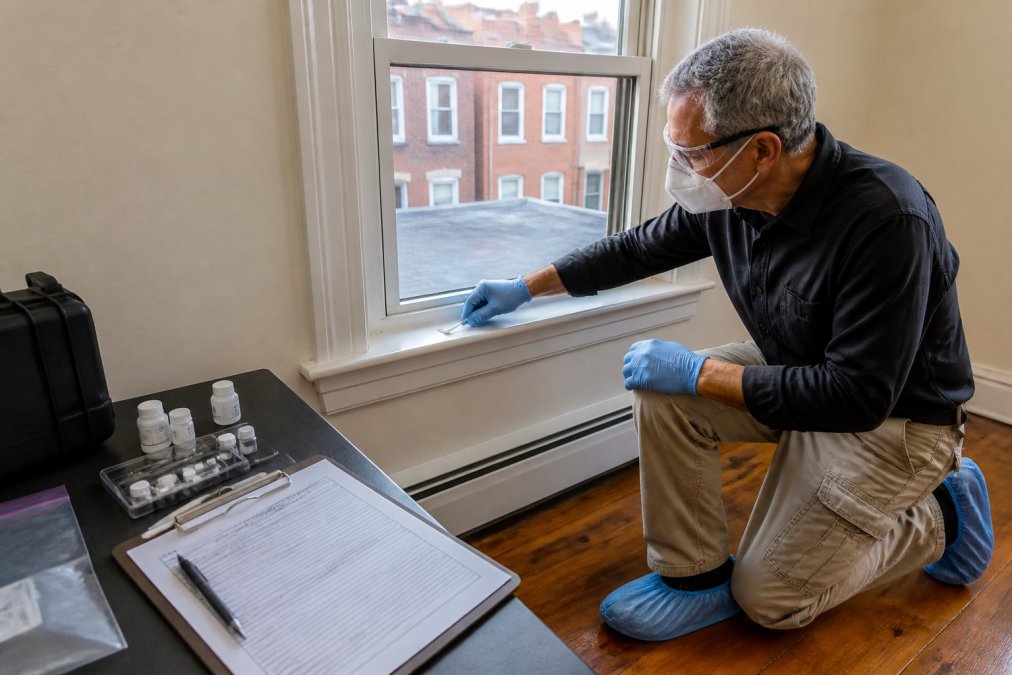
Your rental property must pass a visual inspection and dust wipe sampling. The visual inspection identifies deteriorating paint and chipping surfaces; dust wipe samples from windowsills, floors, and other surfaces go to an EPA-approved laboratory for analysis.
Certification requirements depend on property type. A studio apartment requires fewer test locations than a multi-family unit with shared common areas; child-care facilities face additional scrutiny due to children's vulnerability to lead poisoning.
The certificate is valid for a set period, after which retesting becomes necessary. Property maintenance violations or tenant complaints can trigger unscheduled testing.
Understanding Lead Dust Wipe Test Cost and Initial Inspection Pricing
The dust wipe test is the core of lead hazard assessment. A certified lead inspector collects samples from multiple surfaces using standardized wipes, which are then analyzed in a laboratory. The number of test locations depends on your property's square footage and layout.
Initial inspection pricing reflects testing scope. A studio requires fewer samples than a three-bedroom unit; common areas in multi-family buildings add additional test locations and cost. Laboratory analysis is a fixed component using EPA-approved labs.
Results typically arrive within 2 to 7 business days. Expedited service is available for a modest fee, delivering results within 2-3 business days.
Retesting vs. Initial Inspection Costs: What You Need to Budget
Here's the critical distinction: retesting costs differ significantly from initial inspection pricing, and many landlords are caught off guard by the cumulative expense.
Initial inspection covers full property assessment, visual walkthrough, sample collection, and laboratory analysis. Retesting focuses on areas that previously failed or require compliance verification, typically limited to routine verification at the same locations if the property passed initially.
If your property failed, retesting is necessary after remediation to verify the fix worked. Some properties require multiple rounds of retesting if initial remediation attempts don't fully resolve lead hazards.
A full re-inspection of a failed property may involve additional sampling locations or more frequent testing if contamination was severe.
| Inspection Type | Scope | Timeline | Typical Use Case |
|---|---|---|---|
| Initial Inspection | Full property assessment, all test locations | 2-7 business days for results | New rental property certification |
| Retesting (Passed) | Routine verification at original locations | 2-7 business days for results | Annual compliance renewal |
| Retesting (Failed) | Additional sampling after remediation | 2-7 business days per round | Confirming lead hazard control |
What Happens When a Property Fails Inspection and Retesting Timeline
When your property fails a lead inspection, you're subject to regulatory deadlines, potential fines, and enforcement action if you miss compliance windows.
What a Failed Inspection Report Contains:
A failed inspection report documents exact surfaces where lead dust exceeded EPA action levels (40 µg/ft² for floors, 250 µg/ft² for windowsills), visual hazards, property details, laboratory results, and remediation recommendations. You receive a defined compliance deadline.
Regulatory Compliance Deadlines:
You typically have 30 to 90 days to complete lead hazard control measures. During this window, you must hire a contractor, complete remediation, schedule retesting, and receive passing results. Contractor scheduling delays can easily consume your timeline.
What Happens If You Miss the Deadline:
Missing your deadline triggers enforcement action: civil fines ($300-$1,000+ per day), loss of rental license, tenant remedies (rent withholding, lease breaks), legal liability for lead exposure, and potential property liens. A single missed deadline can cost thousands in fines alone, not including lost rental income.
The Remediation Phase (Weeks 1-8 of your compliance window):
Contact EPA-certified lead abatement contractors immediately, this is not a DIY project. Common approaches: Paint Encapsulation ($500-$2,000/room, faster but requires maintenance), Paint Removal ($1,500-$5,000+/room, eliminates source), or Component Replacement ($2,000-$10,000+, permanent). All remediation must include lead-safe cleanup with HEPA vacuums and wet-wiping before retesting. Improper work can increase lead contamination and cause retesting to fail.
Scheduling Retesting (Weeks 8-10 of your compliance window):
Schedule retesting at least 2-3 weeks before your compliance deadline. Retesting follows the same process: dust wipe samples from the same locations sent to an EPA-approved laboratory, results within 5-7 business days. If you pass, file the certificate with your housing authority and provide copies to tenants. If you fail, identify why remediation failed and perform additional remediation and retesting. Each cycle takes 2-3 weeks; failing late in your compliance window leaves insufficient time for additional rounds.
Timeline Example: Property Fails Initial Inspection
Week 1: Failed report; Week 2-3: Hire contractor; Week 4-8: Remediation; Week 9: Retesting samples; Week 10-11: Lab analysis; Week 12: Passing results; Week 13: Compliance deadline. Contractor delays compress this timeline and risk missing your deadline.
Multiple Retesting Rounds:
Some properties require two or three testing cycles before passing. Each failed retest adds 2-3 weeks and increases costs. Budget for multiple rounds: Budget for multiple rounds of testing and remediation. Total compliance cost for a failed property can be significant.
Avoiding the Retesting Trap:
Ensure remediation is thorough the first time. Work with contractors who guarantee their work and provide clearance testing. Cutting corners on remediation almost always results in failed retesting and additional costs.
How to Pass Lead Inspection in Philadelphia: Compliance Checklist
Passing a lead inspection requires understanding what inspectors test for. Most landlords focus on surface cleanliness, but the real issue is lead dust accumulation on high-wear surfaces and deteriorating paint that releases lead particles.
Common Lead Hazard Categories That Cause Inspection Failure:
Inspectors prioritize five surface categories where lead dust concentrates. **1.
Pre-Inspection Preparation Strategy:
Pre-Inspection Checklist:
- Identify all visible paint deterioration and document with photos
- Repair or encapsulate deteriorated paint on walls, trim, and frames
- Repair loose caulk around windows and doors
- Address worn or damaged flooring in high-traffic areas
- HEPA-vacuum all floors thoroughly
- Wet-wipe all windowsills, frames, and sashes
- Clean door frames and thresholds
- Wipe baseboards and other horizontal surfaces
- Ensure inspector access to all rooms and common areas
- Gather documentation of past lead work or remediation
- Schedule inspection for a time when property is clean and accessible
Why This Matters:
Step-by-Step Compliance Process and Regulatory Timeline
Phase 1: Initial Inspection: Schedule with a certified inspector who conducts visual assessment and collects dust wipe samples. Phase 2: Results (5-7 business days): If passed, receive lead safe certificate. If failed, you have 30-90 days to remediate. Phase 3: Remediation: Contractors perform paint encapsulation, surface replacement, or full lead removal. Phase 4: Retesting: After remediation, schedule retesting; results determine certification. Phase 5: Compliance Documentation: File certificate with city and provide to tenants.
Frequently Asked Questions
How much does lead inspection retesting cost in Philadelphia?
Retesting costs vary based on property size, the number of areas tested, and whether you're retesting after a failed initial inspection. For current pricing specific to your property, visit 99leadsafe.com or request a quote. Retesting costs depend on your specific situation and the extent of remediation needed.
Is retesting required if a property fails the initial lead dust wipe test?
Yes, if your property fails the initial dust wipe test, retesting is required to verify that lead hazard control measures have been properly completed. Philadelphia rental property regulations mandate that properties must pass lead-safe certification before a lease can be executed. After you address the identified hazards, a certified lead inspector must conduct retesting to confirm compliance with EPA standards for lead dust levels.
What are the Philadelphia lead safe certification requirements for rental properties?
Rental properties in Philadelphia built before 1978 must obtain a lead-safe certificate of compliance before tenants can occupy the unit. This requires a visual inspection and dust wipe sampling by a certified lead inspector. The property must meet EPA lead dust standards: floors at 40 micrograms per square foot and windowsills at 250 micrograms per square foot. Documentation must be filed with the city, and the certificate is valid for a specified period before renewal is required.
How long does it take to get lead inspection results in Philadelphia?
Results typically arrive within 2-7 business days from the date of inspection, depending on lab processing time and whether expedited service is selected. This timeline allows you to identify any lead hazards and plan remediation before your compliance deadline. Expedited service options may be available if you have a tight lease signing or regulatory deadline. Contact 99leadsafe.com for current turnaround times and expedited service availability.