 How-to
What Causes a Lead Inspection to Fail in Philadelphia?
Last Updated: November 16, 2026
Quick Summary
The most common causes of lead inspection failure in Philadelphia are deteriorating paint on high-friction surfaces, lead dust left in window troughs and carpet edges, and non-paint problems like contaminated soil, friction surfaces, recent renovations, and missing documentation. A unit can look clean and still fail on a single dust wipe.
- Wet-wipe window sills and troughs, and HEPA vacuum then wet-mop floors instead of dry sweeping.
- Visual inspection, dust-wipe testing, and XRF testing are separate methods, so intact paint can still fail on dust.
- Fix rubbing doors and grinding sashes, since friction can turn intact paint into dust.
- Gather prior repair records and certificates, because undocumented work can stall certification.
- Dust samples are submitted to a qualified laboratory, with results generally available in 2-7 business days.
Table of Contents
- Why Philadelphia Rentals Fail Lead Dust Inspection
- 1. Deteriorating Paint on Floors, Windowsills, and Troughs
- 2. Lead Dust That Cleaning Alone Does Not Remove
- Philadelphia Lead Dust Wipe Testing: How Results Are Interpreted
- 3. Non-Paint Problems That Trigger a Failed Inspection
- How to Prepare for a Lead Dust Inspection: A Room-by-Room Checklist
- Philadelphia Lead-Safe Certificate Requirements and Repair Workflow
- How Long Is a Lead Certification Good for in Philadelphia?
- Frequently Asked Questions
Why Philadelphia Rentals Fail Lead Dust Inspection
Most Philadelphia rental units end in a lead inspection failure for reasons a landlord could have fixed in an afternoon.
A property can look clean and have intact paint, and then one room in the lab results can sink the whole certification.
The stakes are real. A Philadelphia study found that 25% of households had an elevated front-door floor-dust lead level, and 28% had elevated lead in a child play area (Assessment of Child Lead Exposure in a Philadelphia Community).
Below, we walk through the most common causes of a lead inspection failure, how results are read, and how to prepare room by room.
The failures repeat, and most trace back to a short list of causes a landlord could have fixed in an afternoon.
| Problem | Cause | Fix |
|---|---|---|
| Deteriorating paint | Cracking, flaking, chipping, peeling, or chalking on high-friction surfaces | Scrape and repair before repainting |
| Lead dust in troughs | Window troughs never wet-wiped | Wet-wipe sills and troughs |
| Dust spread by cleaning | Floors cleaned with a dry broom | HEPA vacuum, then wet-mop |
| Carpet dust | Carpet not vacuumed with a HEPA filter | HEPA vacuum carpet edges |
| Lead-contaminated soil | Bare-soil play areas tracked indoors | Address soil in yards and play areas |
| Friction surfaces | Doors, sashes, or drawers abrading intact paint into dust | Fix rubbing doors and grinding sashes |
| Recent renovations | Sanding or demolition without containment | Use plastic sheeting and negative air |
| Missing documentation | Prior repair done but not documented | Gather prior repair records and certificates |
1. Deteriorating Paint on Floors, Windowsills, and Troughs
The number one cause of a failed inspection is paint that is cracking, flaking, chipping, peeling, or chalking. Philadelphia's certification process names visual defects as a possible basis for failure, alongside dust-wipe and XRF testing (City of Philadelphia Lead Certification Submission System FAQ).
Some surfaces wear faster than others:
- Windowsills take constant friction from opening and closing.
- Window troughs collect paint chips and dust.
- Floors and stairs get scuffed and abraded.
- Doors and door frames rub against the latch.
- Radiators and baseboards trap dust and chip easily.
Repainting over a rough surface without scraping can trap the defect and make it worse.
2. Lead Dust That Cleaning Alone Does Not Remove
Lead dust can be present even when painted surfaces look clean. That is the part most landlords miss. A quick sweep and a mop will not clear dust from window troughs, carpet edges, or the tracks where sashes slide.
Household dust is the main exposure route for children. Lead dust settles on floors and sills, then transfers to hands and toys.
A failed dust-wipe result usually points to one of these:
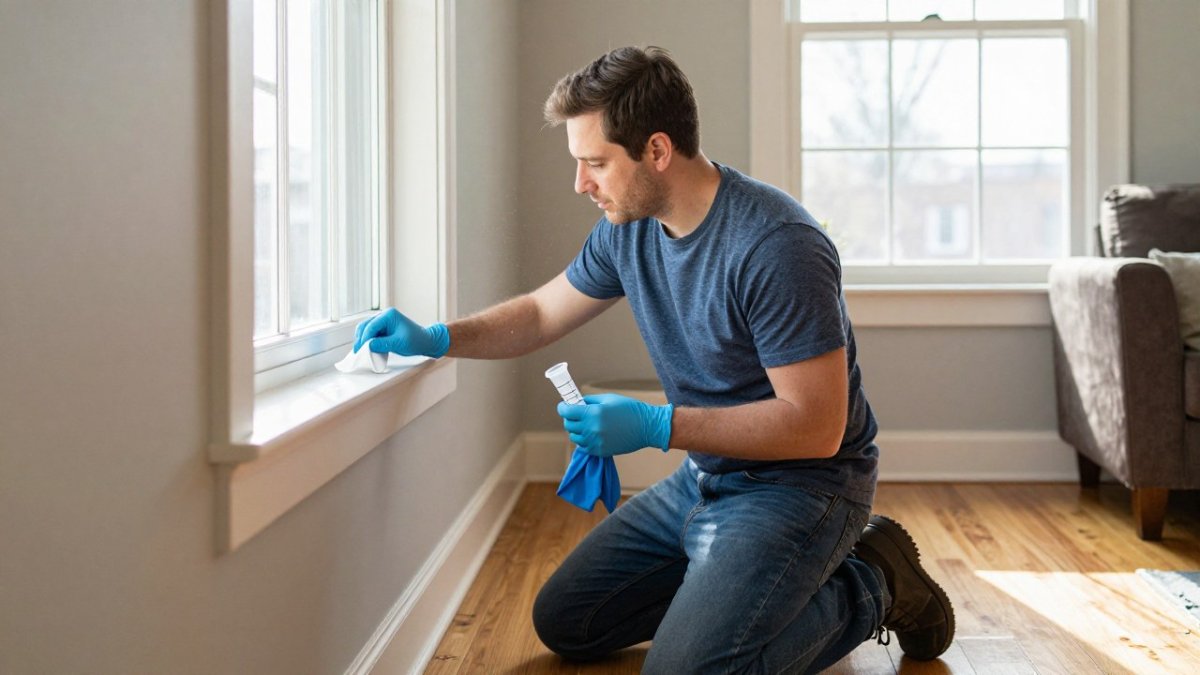
- Window troughs that were never wet-wiped
- Floors cleaned with a dry broom, which spreads dust
- Renovation debris left in corners
- Carpet that holds dust and was not vacuumed with a HEPA filter
If your unit just failed a dust wipe, you still have options, and the next steps are outlined in our guide on what happens if a rental fails a lead test.
Philadelphia Lead Dust Wipe Testing: How Results Are Interpreted
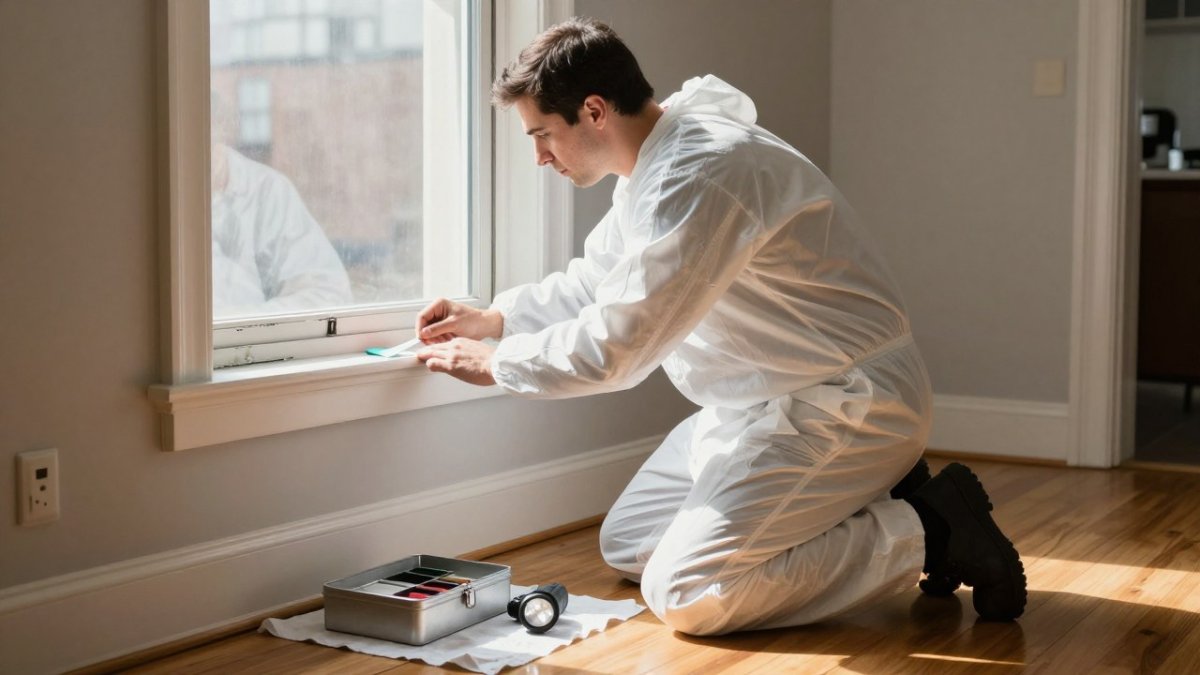
A lead dust wipe test is a lab-analyzed sample collected by wiping a set surface area, usually one square foot on a floor, or a defined area on a windowsill or window trough, and measuring the lead dust left on the wipe. Results are reported in micrograms of lead per square foot (µg/ft²), compared against applicable limits, and the property passes or fails based on those numbers. The interpretation step, not the cleaning step, is often where landlords get surprised.
What the wipe actually measures
The wipe captures settled dust, not paint. That distinction matters because a unit with intact paint can still fail if dust has accumulated in the wrong place. The lab reports a concentration for that specific surface.
The surfaces that decide the result
Inspectors do not sample randomly. They target the surfaces where lead dust settles and where children's hands and mouths reach:
- Floors, especially in rooms where children play, sleep, or crawl
- Windowsills, interior sills where dust collects and paint wears
- Window troughs, the recessed track where sashes slide, a notorious dust trap
- Stairs, rails, and thresholds, high-friction and high-touch surfaces
A unit can pass on floors and sills yet fail on a single window trough that was never wet-wiped.
How the three testing methods interact
Three testing methods can trigger a failure in Philadelphia:
- Visual inspection for deteriorating paint, cracking, flaking, chipping, peeling, or chalking
- Dust-wipe testing for lead dust on surfaces
- XRF testing for lead in the paint itself
These are not interchangeable. A visual inspection can pass while a dust wipe fails, because the paint looks intact but dust has settled. An XRF reading can confirm lead in the paint while the dust wipes pass, because the paint is intact and not generating dust. The certification decision weighs all three, which is why a unit can look clean and still fail.
Why sampling and lab handling matter
Proper dust wipe sampling, laboratory analysis, and compliance with local rules are what make a result stand up if the city reviews it. Samples should go to an appropriately accredited laboratory.
Cleaning after the inspector arrives, rather than before, can spread dust from a trough onto a floor.
For a deeper explanation of how samples are taken and read, see our guide on what a lead dust wipe test is. If you want a Lead Dust Inspection Philadelphia landlords can rely on, 99leadsafe.com provides lab-analyzed dust samples; visit https://99leadsafe.com to learn about and book your $99 lead dust inspection.
3. Non-Paint Problems That Trigger a Failed Inspection
Not every failure comes from a paint defect. Some properties fail on issues a landlord never connected to lead, and these causes are often invisible on a walkthrough.
Watch for these, and understand the mechanism behind each:
- Lead-contaminated soil in yards or play areas. Soil can carry lead from exterior paint, past demolition, or historic deposits. A unit with a bare-soil play area can fail even when the interior is spotless, because the hazard is tracked indoors on shoes and hands.
- Friction surfaces that create dust even when paint looks fine. A door that rubs its frame, a window sash that grinds in its track, or a drawer that scrapes can abrade intact paint into dust without any visible defect. The paint looks whole; the dust wipe tells a different story.
- Recent renovations that spread dust without containment. Sanding, scraping, or demolition without plastic sheeting and negative air moves dust into rooms that were never part of the work. The renovation room may pass while a distant bedroom fails.
- Missing documentation from a prior repair. A repair that was done but not documented can leave the unit without the paper trail the certification review expects. The work may be fine; the file is not.
- Water damage that loosens paint from the substrate. A leaking sill or a damp wall can lift paint from behind, creating a defect that is not visible until the paint lets go. The moisture source has to be fixed before the paint repair will hold.
- Inaccessible areas that the inspector cannot reach. A locked basement, a blocked closet, or a sealed crawlspace can prevent a complete inspection and stall certification until access is arranged.
Philadelphia lead-risk research considers housing conditions and neighborhood factors, not just paint findings.
The takeaway: a certificate covers the whole unit, so a single overlooked area can sink the result.
When you are ready to test or retest, you can book a lead-safe inspection with 99leadsafe.com. Our inspections start at $99, and dust samples go to a qualified laboratory for analysis.
How to Prepare for a Lead Dust Inspection: A Room-by-Room Checklist
Preparation is where landlords win or lose. Cleaning before the inspection can lower your risk of a failed dust wipe.
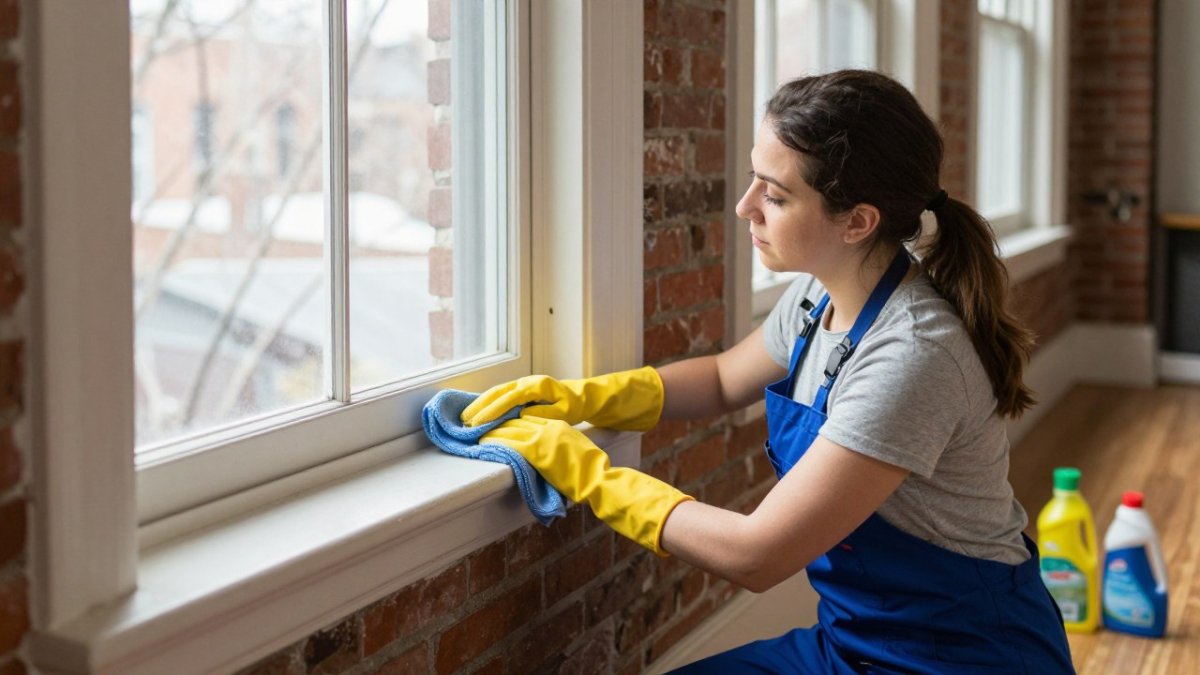
Use this checklist before your inspection:
- Windows: wet-wipe sills and troughs; check for chipping paint
- Floors: HEPA vacuum, then wet-mop; avoid dry sweeping
- Stairs and rails: wipe handrails and treads; check for worn paint
- Doors: wipe frames and thresholds; fix rubbing doors
- Kitchen and bath: clean behind appliances and under sinks
- Exterior: check porches, railings, and window exteriors
- Basement: clear dust and debris from ledges and floors
- Documentation: gather prior repair records and certificates
Make sure the property is accessible and ready. Our full step-by-step prep guide covers cleaning, safety, and documentation in more detail.
Philadelphia Lead-Safe Certificate Requirements and Repair Workflow
A Lead Safe Certificate confirms a property met applicable lead dust safety standards at the time of testing. It is not the same as Lead Free status, which involves different inspection requirements. Many landlords don't realize these are two separate certifications.
Here is how the repair workflow runs:
- Test the unit with a certified inspector.
- Review the lab results and any failed areas.
- Repair failed areas using a certified renovator.
- Reinspect the corrected areas.
- Certify once results meet applicable requirements.
The Philadelphia Lead Court study found that most properties were remediated within one year of an initial failed inspection after the court was established in 2002 (Temple University Public Health Law Research). That tells you the fix is achievable.
When you are ready to test or retest, you can book a lead-safe inspection with 99leadsafe.com. Our inspections start at $99, and dust samples go to a qualified laboratory for analysis.
How Long Is a Lead Certification Good for in Philadelphia?
Lead certification validity periods depend on the certificate type and current City requirements, so confirm the expiration date on your documentation.
Two things can shorten that window:
- New renovation work that disturbs paint
- A change in occupancy that triggers a new requirement
Landlords should track the expiration date the same way they track a rental license. A lapsed certificate can affect rental licensing and tenant turnover. Our guide on how long a lead certification is valid explains the renewal rules.
Philadelphia's lead rules reward landlords who prepare and act fast. If you are unsure whether your unit will pass, the smart move is to test before the city does. 99leadsafe.com provides lead-safe inspections with lab analysis, and dust samples are submitted to a qualified laboratory.
Frequently Asked Questions
What commonly causes a rental property to fail lead dust wipe testing?
The most common causes are visible dust on floors and windowsills, deteriorating paint on friction surfaces like windows and doors, and dust left in window troughs. Philadelphia's certification process can also flag visual defects and XRF readings. Dust can accumulate easily in older housing.
What happens if a Philadelphia rental property does not pass lead dust testing?
The failed area must be corrected by a certified renovator, then the property is reinspected. At 99leadsafe.com, the company helps property owners understand results and next steps before booking a reinspection.
Can cleaning reduce lead dust before a clearance test?
Cleaning helps, but it must be done correctly. Wet wiping floors, windowsills, and window troughs with appropriate lead-safe methods removes settled dust, yet dust can remain in cracks, behind radiators, and on friction surfaces. Cleaning alone does not guarantee a pass. Testing confirms whether dust levels meet requirements.
How long is a lead certification good for in Philadelphia?
Certification length depends on the type of certificate and current City requirements, so landlords should confirm the expiration date on their documentation. A Lead Safe Certificate confirms the property met applicable lead dust standards at the time of testing, while Lead Free status involves different inspection requirements. At 99leadsafe.com, we help landlords understand what their certificate covers and when retesting may be needed.