 How-to
What Happens If a Rental Fails a Lead Test
Last Updated: November 12, 2026
Quick Summary
A failed rental lead test means dust wipe samples came back above allowed lead dust levels, and Philadelphia requires remediation by a certified contractor when results show the unit is not lead-safe. Freeze any move-in on a vacant unit, notify occupied tenants in writing, then book a clearance retest only after cleanup is finished.
- Pull the lab report and note which rooms, surface types, and test methods failed.
- Do not sign a lease, collect a deposit, or hand over keys on an open failure.
- A passing visual inspection does not cancel out a failed dust wipe result.
- Wait until the contractor says the unit is ready before booking the clearance retest.
- Treat every failed report as a disclosure event and keep copies of all notices.
Table of Contents
- What a Failed Lead Dust Test Means for Your Rental
- Failed Lead Dust Test: Rental Landlord Next Steps
- Lead Hazard Remediation for a Rental Property
- Rental Lead Inspection Retesting and Clearance
- Philadelphia Rental Lead Certification Requirements
- Tenant Rights, Disclosure, and Documenting Landlord Inaction
- Book Your $99 Lead-Safe Inspection and Certification
- Frequently Asked Questions
What a Failed Lead Dust Test Means for Your Rental
A failed rental lead test means the dust wipe samples taken from your unit came back above the allowed lead dust levels. The City of Philadelphia is direct about the consequence: a property that is not lead-safe based on dust-wipe results must be remediated by a certified contractor, according to Philadelphia's rental property lead certification law.
That single result changes your timeline, your wallet, and your legal standing as a landlord. A failed test is a to-do list, not a catastrophe. Below, we break down what the report actually says, who fixes what, and how to get back to a passing clearance.
Failed Lead Dust Test: Rental Landlord Next Steps
A failed lead dust test starts a clock, and the order you do things in matters as much as the work itself. The sequence below is built to help protect your rental license, your lease, and your liability position at the same time.
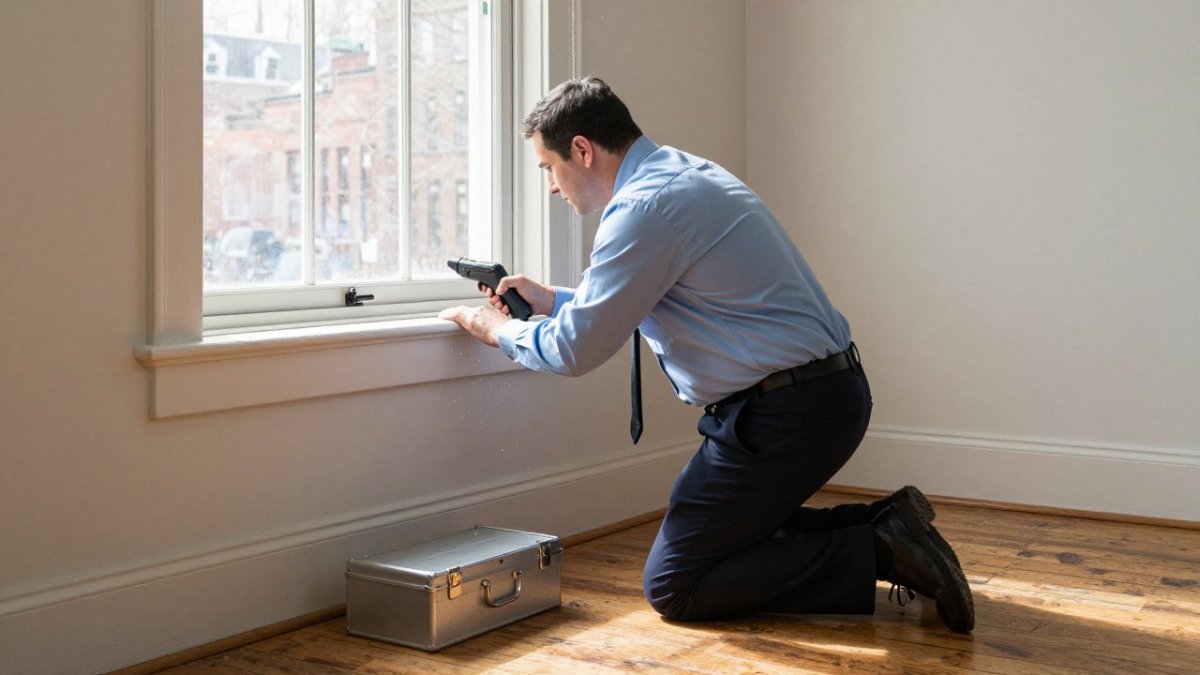
- Pull the lab report and read the sample map. Note which rooms failed, which surface type failed (floor, window sill, window trough), and which test method produced the result. A dust wipe result is not the same as an XRF result, and the report should tell you which one you are looking at.
- Freeze the move-in if the unit is vacant. Do not sign a new lease, collect a deposit, or hand over keys on a unit with an open failed dust wipe. A signed lease on a known hazard is the single most expensive mistake we see.
- Notify the tenant in writing if the unit is occupied. State the result, the remediation plan, and the expected timeline. Keep a copy. This notice is also your disclosure record.
- Hire a certified contractor for the remediation. Philadelphia requires remediation by a certified contractor when dust-wipe results show the unit is not lead-safe, per Philadelphia's rental property lead certification law. Get a written scope and photos before work starts.
- Book the clearance retest only after cleanup is finished. Retesting too early is a common mistake. Dust settles after cleanup, and a premature retest can fail on residue that would have cleared in another day.
- File your certification once the retest passes. The passing clearance report is the document that closes the loop with the city.
Watch out: a passing visual inspection does not cancel out a failed dust wipe. They test different things, and the dust result is what drives remediation and clearance.
Reading Your Dust Wipe Report and Test Types
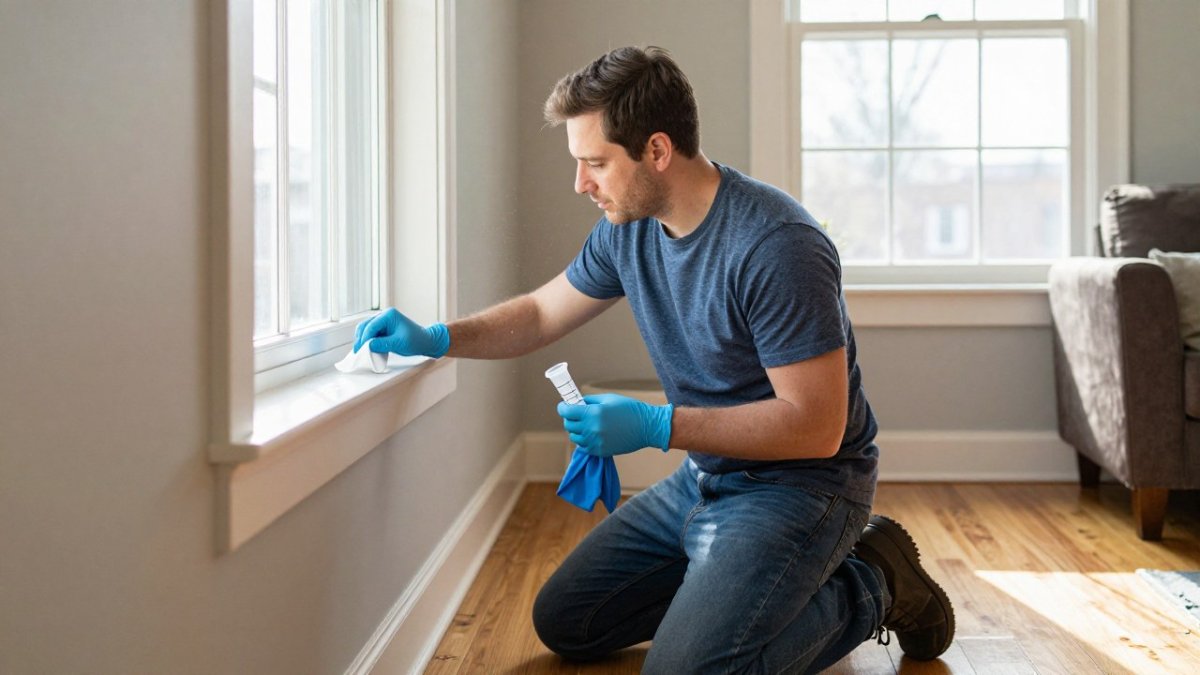
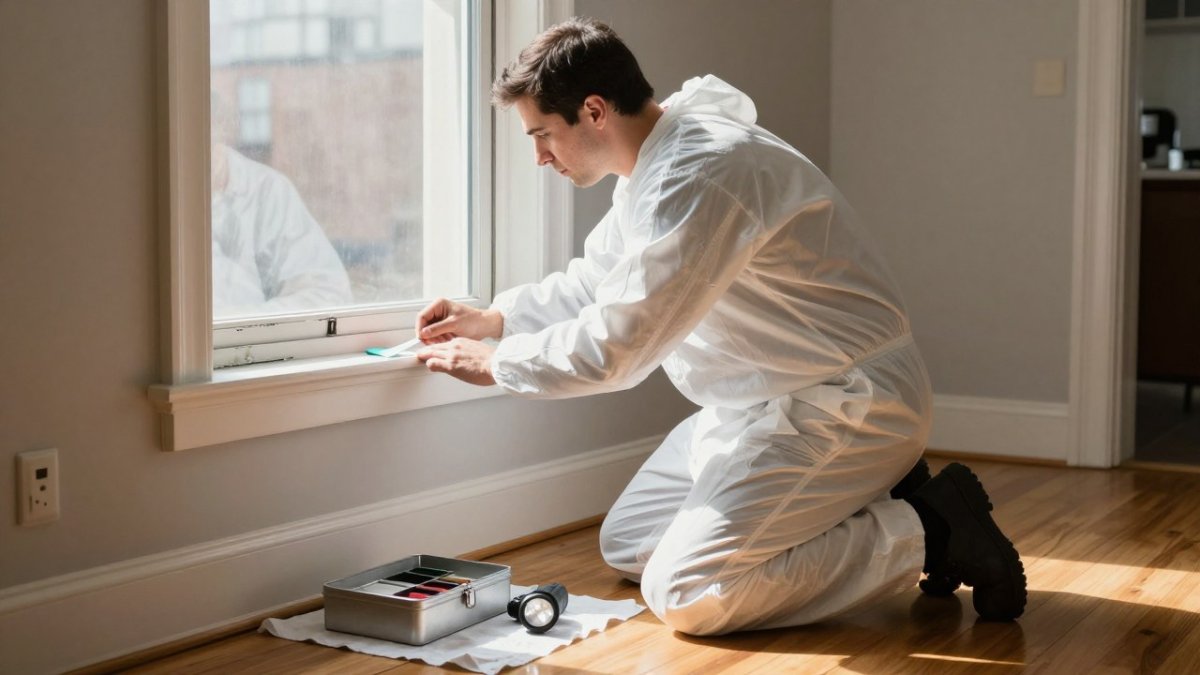
A dust wipe test measures lead dust on surfaces like window sills, window troughs, and floors (the EPA). A visual inspection checks for peeling paint and deteriorated surfaces. An XRF test uses a handheld device to measure lead in the paint itself. Each answers a different question, and a report may include more than one.
Your report will name the rooms and the surfaces sampled. Failed rooms are flagged against the standard for that surface type, so a floor sample and a window sill sample can fail at different thresholds. If the wording is unclear, our guide on what a lead dust wipe test measures explains each line of the report.
A risk assessment is a separate service from a dust wipe inspection. It identifies the sources of lead hazards and recommends controls, and it is often the right next step when a unit fails repeatedly in the same location.
Occupied Versus Vacant: Two Different Playbooks
An occupied unit can usually stay occupied during remediation, but the contractor will need access and may restrict certain rooms. Coordinate access in writing and give the tenant the remediation schedule so they can plan around it.
A vacant unit should stay vacant until it passes clearance. Do not hand over keys on a unit with an open failed test. Delay the move-in date or place the tenant in another unit if you have one, and document the delay and the reason in writing. That paper trail is what protects you if the tenant later disputes the timeline.
Here is the order of steps a landlord should follow after a failed lead dust test.
| Step | What to do | Note |
|---|---|---|
| 1 | Pull the lab report and read the sample map | Note failed rooms, surface type, and test method |
| 2 | Freeze the move-in if the unit is vacant | No lease, deposit, or keys on an open failure |
| 3 | Notify the tenant in writing if occupied | State result, remediation plan, and timeline; keep a copy |
| 4 | Hire a certified contractor for remediation | Get a written scope and photos before work starts |
| 5 | Book the clearance retest after cleanup is finished | Retesting too early is a common mistake |
| 6 | File your certification once the retest passes | The passing clearance report closes the loop with the city |
Lead Hazard Remediation for a Rental Property
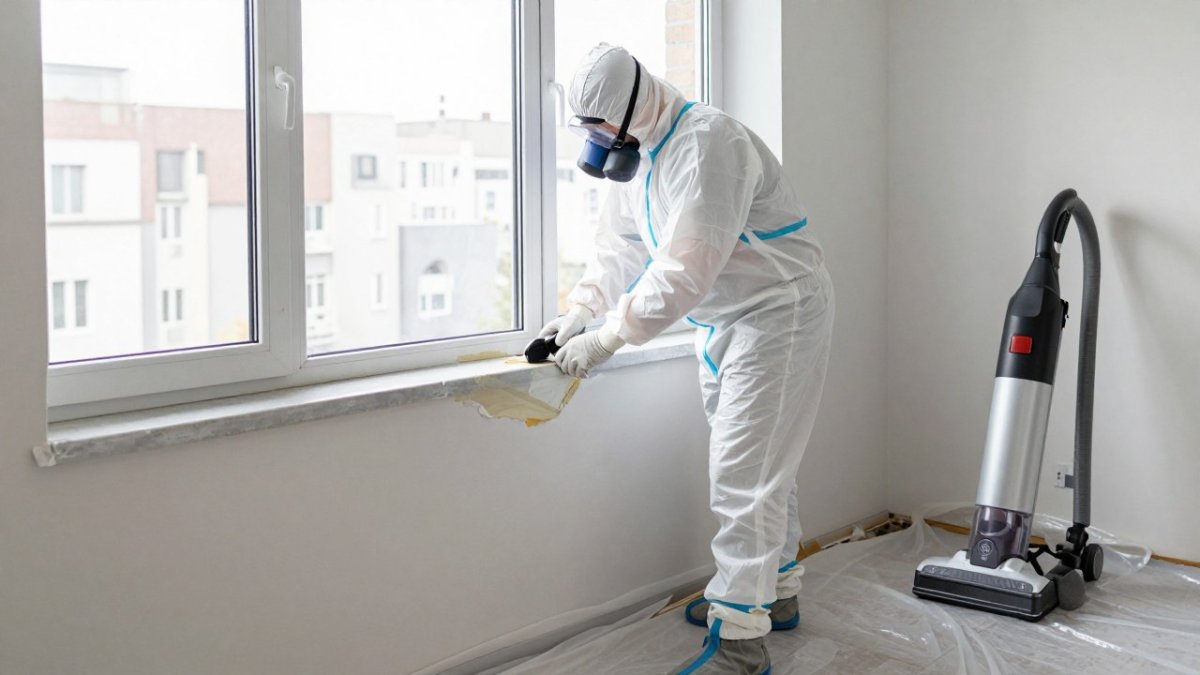
Lead hazard remediation for a rental property must be done by a certified contractor. Philadelphia requires it when dust-wipe results show the unit is not lead-safe. This is not a job for a handyman with a scraper and a shop vac.
Typical remediation work includes:
- Stabilizing or replacing deteriorated painted surfaces
- Wet-scraping and containment to keep dust out of the air
- Sealing gaps around windows and doors
- HEPA vacuuming and full cleanup at the end
- Proper disposal of debris
The contractor should document every step. Ask for photos and a written scope before work starts. Once the work is done, our guide on how to pass a lead clearance test for your rental walks through the retest step by step. That paperwork matters when the city or a tenant asks questions later.
What Happens to the Lease, Rent, and Move-In Plans
An occupied unit can usually stay occupied during remediation, but the contractor will need access and may restrict certain rooms. A vacant unit should stay vacant until it passes clearance.
For move-in plans, the rule is simple: do not hand over keys on a unit with an open failed test. Delay the move-in date or place the tenant in another unit if you have one. Document the delay and the reason in writing.
Rent during remediation is a gray area. Put any agreement in writing so there is no dispute later.
Rental Lead Inspection Retesting and Clearance
Rental lead inspection retesting confirms the remediation worked. A clearance test is a fresh dust wipe taken after cleanup, and it is the document that proves the unit is lead-safe.
Two things trip landlords up here:
- Retesting too early. Dust settles after cleanup. Wait until the contractor says the unit is ready.
- Cleaning before the retest. Do not sweep or vacuum with a standard vacuum. It can spread dust back onto the surfaces being tested.
If the retest fails, you go back to remediation for the flagged areas and test again. Our breakdown of lead inspection retesting costs in Philadelphia covers what a retest involves and how to plan for it.
Philadelphia Rental Lead Certification Requirements
Philadelphia rental lead certification requirements apply to landlords of rental units in older buildings. The certificate proves the unit was tested and found lead-safe.
To get a Lead-Safe Certificate, you generally need:
- A dust wipe test from a certified inspector
- Lab results showing the unit meets lead dust standards
- Remediation records if the first test failed
- A passing clearance report
- The certification filed with the city
Requirements can change, so confirm the current checklist with the city before you file. Confirm the current checklist with the city before you file.
Tenant Rights, Disclosure, and Documenting Landlord Inaction
Tenants have the right to know about lead hazards in a rental unit. Landlords have disclosure obligations for known lead-based paint hazards before a lease is signed.
If a landlord ignores a failed test, tenants can document it. That means keeping copies of reports, photos, and written notices. Those records support complaints to the health department and, in serious cases, legal claims.
Landlords should treat every failed report as a disclosure event. Put the result in writing to the tenant, state the remediation plan, and keep a copy. If you are worried about exposure, our article on landlord liability for lead paint exposure explains where the risk sits.
Book Your $99 Lead-Safe Inspection and Certification
A failed test is fixable. The landlords who get through it fastest are the ones who act on the report the same week and use a certified inspector for the retest.
At 99leadsafe.com, we provide lead dust inspections for rentals across Philadelphia and Norristown. Our inspections start at $99, results come back in 2 to 7 business days through an EPA-approved lab, and expedited service is available when a lease signing is close. You get the documentation you need to file and stay compliant.
Get started with 99leadsafe.com and turn your failed report into a passing certificate. See our pricing and package details to book your inspection.
A failed lead test does not have to cost you a tenant or a violation. The fix is a clear sequence: read the report, remediate with a certified contractor, retest, and file. 99leadsafe.com handles the testing side with $99 inspections, EPA-approved lab analysis, results in 2 to 7 business days, and expedited service when you are on a deadline. Get started with 99leadsafe.com and get your rental back to lead-safe.
Frequently Asked Questions
Can tenants stay in a rental after it fails a lead test?
In most cases, yes. A failed dust wipe test does not automatically require tenants to move out, and the City of Philadelphia's guidance focuses on having a certified contractor remediate the hazard rather than vacating the unit. Landlords should tell tenants what was found, keep children away from peeling paint and dust, and clean sills and floors with wet methods while repairs are scheduled. If a child under six lives there, the family should talk to a pediatrician about a blood lead test. Move-out is usually only needed if remediation cannot be contained safely.
How soon should a landlord arrange retesting after lead hazard work?
Schedule rental lead inspection retesting as soon as the certified contractor finishes and cleanup is complete. Clearance testing only reflects conditions on the day it is done, so dust from later work or a rushed cleanup can fail it again. Before the retester arrives, confirm the work area was wet-cleaned and a HEPA vacuum was used. If your first test failed, build a few extra days into any lease signing deadline.
What records should a landlord keep after a failed lead inspection?
Keep the original dust wipe report, the contractor's remediation invoice and scope of work, the clearance or retest results, and your Lead-Safe Certificate once issued. Store copies digitally and hand tenants the required lead disclosure paperwork. These records are what you show the health department or housing authority if a question comes up, and they protect you if a tenant disputes the timeline. If you manage multiple units, file each property separately so a failed inspection at one address never gets mixed up with a passing one.
What can tenants do if a landlord does not address lead hazards?
Document everything in writing: the test report, dated photos of peeling paint or dust, and every message you sent the landlord. Send a written repair request and keep the reply. If nothing happens, contact the Philadelphia Department of Public Health's lead program or call 311 to report the hazard, and ask about a visual inspection. Families with young children should also ask a pediatrician about blood lead testing. Tenants have legal protections, and a written record of the failed test and the landlord's inaction is the strongest evidence.