 how-to
Can a Landlord Be Liable for Lead Paint Exposure?
Last Updated: October 25, 2026
Quick Summary
A landlord can face lead paint liability when a tenant or a child under six is harmed by lead-based paint or lead dust on a property the landlord owns, controls, or manages. The claim usually rests on negligence: a hazard existed, the landlord knew or should have known about it, and the exposure caused harm. Keeping dated disclosure forms, repair records, and inspection reports is the core defense.
- Federal law requires landlords to disclose known lead-based paint hazards in pre-1978 housing before a tenant signs a lease.
- Landlords must give tenants a 10-day window for an independent lead risk assessment or inspection.
- Signed acknowledgment forms must be kept for at least three years after the lease begins.
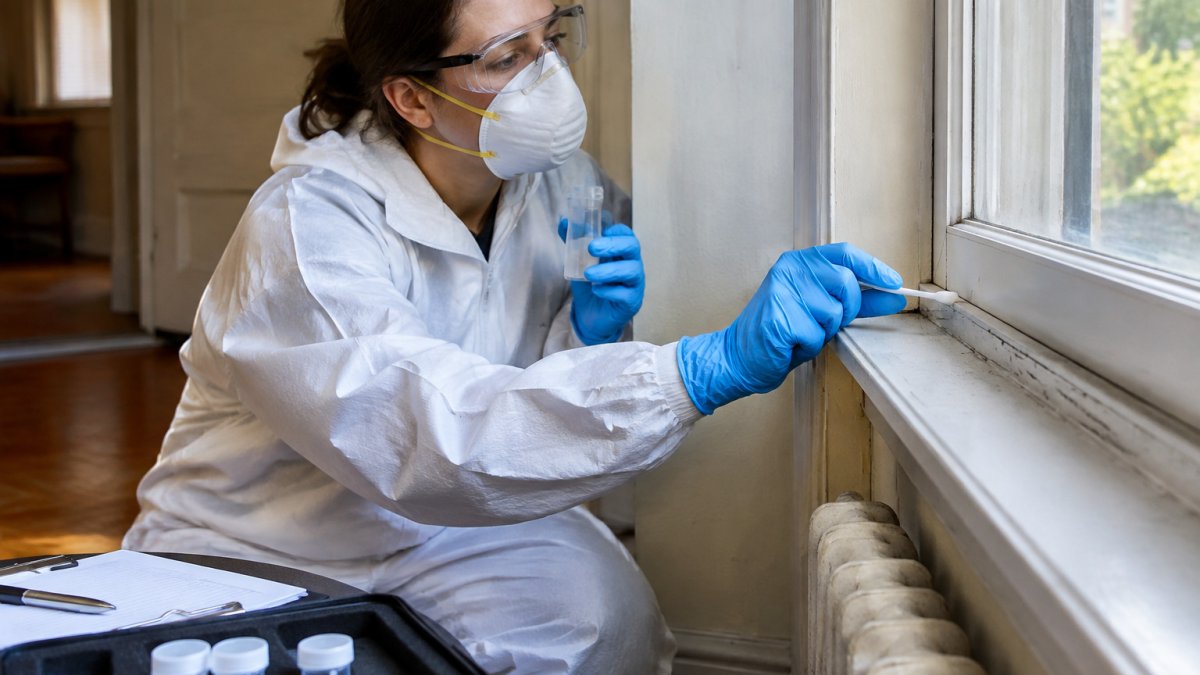
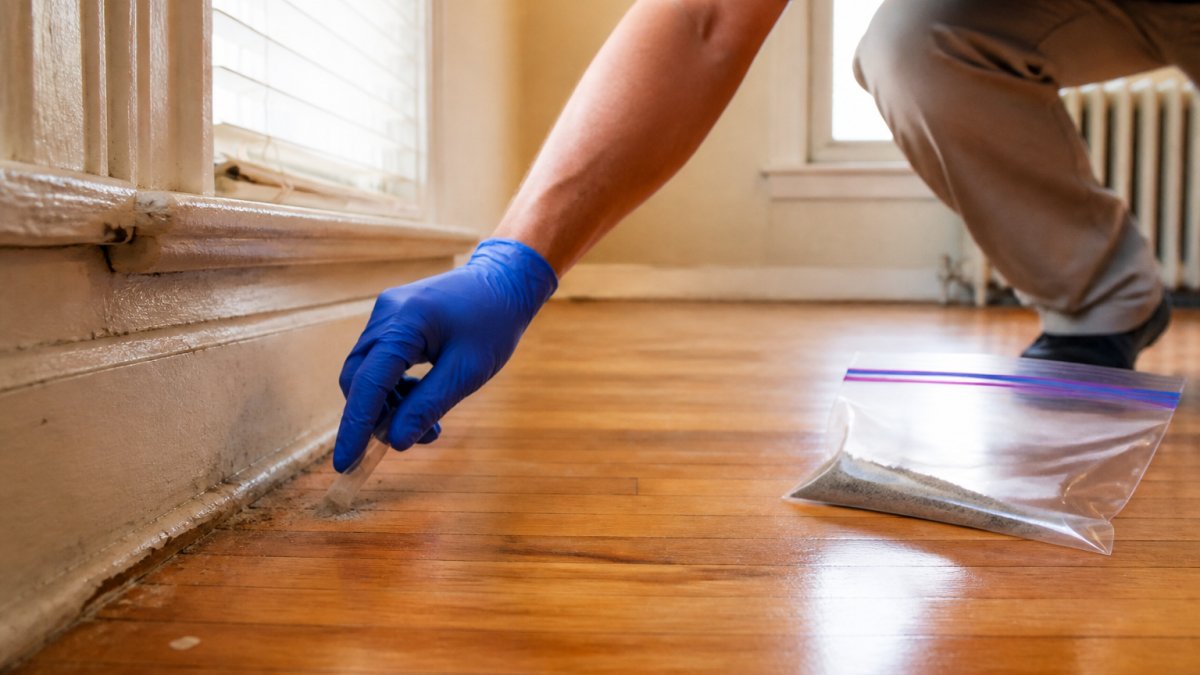
- Lead dust testing collects wipe samples from floors and windowsills and sends them to a lab for analysis.
- Results from 99leadsafe.com arrive in 2 to 7 business days, with expedited service available.
Table of Contents
- When Landlords Face Lead Paint Liability
- Lead Paint Disclosure Requirements for Landlords
- Lead Paint Tenant Notification: What Must Be in Writing
- Lead Dust Testing for Rental Properties: Your Best Defense
- How a Lead-Safe Inspection for Rental Properties Limits Exposure
- Common Landlord Mistakes That Invite Lawsuits
- Book Your Lead-Safe Inspection and Protect Your Investment
- Frequently Asked Questions
When Landlords Face Lead Paint Liability
Landlord liability for lead paint exposure starts with a simple question: what did you know, and when did you act?
The legal theory is usually negligence. The tenant must show a lead paint hazard existed, the landlord knew or should have known about it, and the exposure caused harm. Courts also weigh local housing code duties, which often require rental housing to stay free of deteriorating paint.
The 'Knew or Should Have Known' Standard
The "knew or should have known" standard means a landlord is treated as aware of a hazard when a reasonable owner in the same position would have discovered it. You do not need a tenant complaint or a failed inspection to trigger that duty.
That is why documentation matters more than memory. Our guide to landlord documentation and filing for lead liability walks through what to keep and how to organize it.
Lead Paint Disclosure Requirements for Landlords
Federal law requires landlords to disclose known lead-based paint hazards before a tenant signs a lease in pre-1978 housing (the EPA). The lead-based paint disclosure rule also requires giving tenants the EPA pamphlet on lead hazards and keeping signed acknowledgment forms.
Disclosure is not the same as remediation. Telling a tenant about known hazards satisfies part of the duty; it does not excuse you from repairing chipping paint or deteriorating paint that creates a lead dust risk.
What the Federal Disclosure Rule Actually Requires
The federal rule applies to most pre-1978 rental housing. Before a tenant is obligated under a lease, the landlord must:
- Disclose any known lead-based paint or lead paint hazard in the unit, including common areas
- Give the tenant the EPA pamphlet Protect Your Family From Lead in Your Home
- Keep the signed acknowledgment for at least three years after the lease begins (the EPA)
A common failure pattern is a disclosure form that is signed but undated, or a pamphlet handed over verbally with no acknowledgment. Either gap weakens the paper trail you would need if a tenant later files a civil lawsuit.
How Local Certification Sits on Top of Federal Disclosure
Federal disclosure is the floor, not the ceiling. Many older rental markets layer a separate certification requirement on top of it, and that local layer is where most compliance failures happen.
That is why the disclosure packet and the certification record should live in the same file. The disclosure proves you told the tenant what you knew; the Lead-Safe Certificate proves you tested and addressed the property's condition.
Disclosure Records as Liability Evidence
Disclosure records do double duty. They satisfy the federal rule, and they establish what you knew and when you acted, the core of the 'knew or should have known' standard.
Our walkthrough on how to fill out the Philadelphia lead disclosure form covers the fields that trip owners up, and our guide to landlord documentation and filing for lead liability shows how to organize disclosure and inspection records so they hold up under scrutiny.
Here are the federal disclosure steps a landlord must complete before a tenant is obligated under a pre-1978 lease.
| Step | Requirement | Note |
|---|---|---|
| Disclose hazards | Known lead-based paint or lead paint hazard, including common areas | Applies to pre-1978 rental housing |
| Give pamphlet | EPA pamphlet Protect Your Family From Lead in Your Home | Federal requirement |
| Lease form | Include disclosure and acknowledgment form in lease packet | Signed and dated |
| Inspection window | Give tenant a 10-day window for independent risk assessment | Unless parties agree in writing otherwise |
| Record retention | Keep signed acknowledgment at least three years after lease begins | Evidence for liability defense |
Lead Paint Tenant Notification: What Must Be in Writing
Lead paint tenant notification must be in writing, signed, and dated, and it should list any known lead-based paint or lead dust hazards on the property. Verbal warnings leave you with nothing to show a public health department or a court.
A solid written notice includes:
- The address and unit number
- A statement of any known lead paint hazard
- The EPA pamphlet acknowledgment
Philadelphia adds its own certification requirements on top of the federal rule, so a generic form copied from another state can leave gaps.
The Tenant-Side Response Sequence (The Gap Most Guides Miss)
Most articles stop at what the landlord must put in writing. The stronger angle, and the one that decides real claims, is what a tenant should do after suspected exposure, because that sequence is also the evidence trail a landlord will be judged against. A practical response plan looks like this:
- Document conditions in writing. Photograph peeling paint, chipping paint, and dust on windowsills and floors, with dates visible in the frame.
- Notify the landlord in writing. A text, email, or letter that describes the hazard and requests repair creates a dated record of notice. Keep a copy.
- Preserve the notice chain. Save every repair request, response, and work order. This is the record that shows what the landlord knew and when.
- Contact the local health or housing authority if the hazard is not addressed. An official inspection report is strong evidence of both the hazard and the notice.
- Do not delay medical care. A blood lead level test for a child under six should happen regardless of what the landlord does next; medical records are separate from the housing dispute and should not wait on it.
For landlords, this sequence is a checklist in reverse. If a tenant can produce dated photos, a written repair request, and an official inspection, the 'knew or should have known' question is largely answered. The defense is a file that shows you responded: a dated acknowledgment, a repair invoice, and a follow-up lead dust testing report.
Proving Notice and Causation
The evidence that connects exposure to a property and shows the landlord knew or should have known usually falls into four buckets:
- Inspection and testing records, a lead dust inspection or Lead-Safe Certificate showing the property's condition on a specific date
- Repair requests and work orders, dated records showing the landlord was told and how they responded
- Medical testing, a child's blood lead level results and the dates they were taken
A common pattern is a tenant with strong medical records but no dated repair request, or a landlord with a repair invoice but no record of the notice that prompted it. Either gap weakens the case. That is why the written notification and the repair record should be treated as a single file, not two separate ones.
Why This Matters for Landlords
A written notification system is cheap insurance. When a tenant reports deteriorating paint, the landlord who responds in writing, acknowledgment, repair date, follow-up test, builds the record that limits landlord liability. The landlord who responds verbally builds nothing. Our inspection and certification services produce the dated reports that complete that file.
Lead Dust Testing for Rental Properties: Your Best Defense
Most exposure happens through dust, not paint chips. A unit can look clean and still have lead dust on a sill where a child plays. If you want the mechanics first, read what a lead dust wipe test involves.

Watch out: skipping the lab and relying on a home test kit gives you no defensible result, and an unsupported "it's fine" is worse than no test at all.
How a Lead-Safe Inspection for Rental Properties Limits Exposure
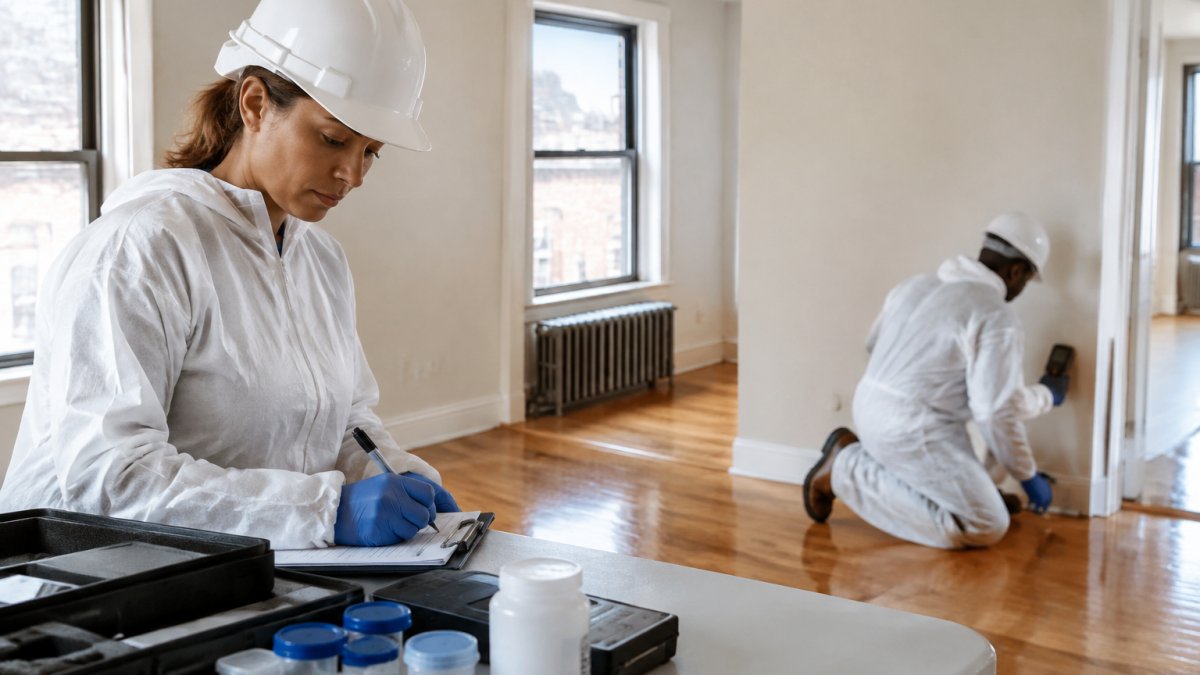
A lead-safe inspection for rental properties documents the condition of painted surfaces and dust, then produces the certification landlords need for rental compliance. The report is your proof that you identified hazards and responded.
A typical inspection follows a clear sequence:
- Confirm the building's construction year
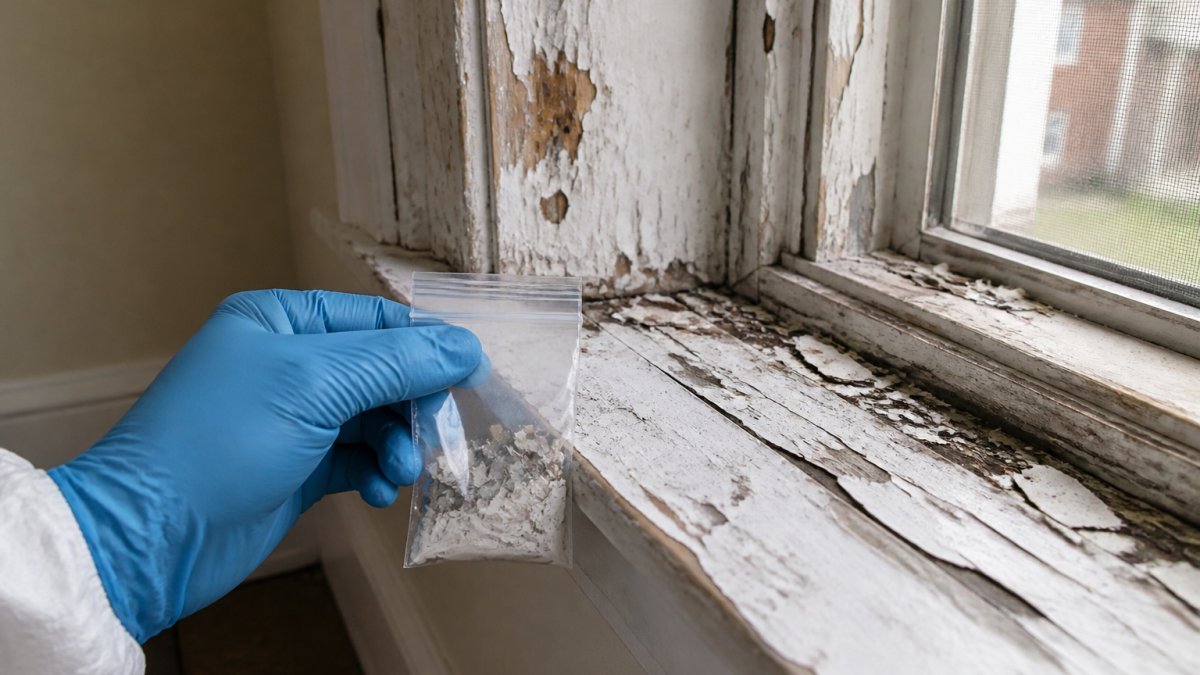
- Inspect painted surfaces for peeling paint and chipping paint
- Collect dust wipe samples from high-contact areas
- Submit samples for EPA-approved lab analysis
- Issue results and a certification report
Results from 99leadsafe.com arrive in 2 to 7 business days, with expedited service available when a lease signing is close. That timeline matters when a tenant is waiting to move in.
Common Landlord Mistakes That Invite Lawsuits
The costliest mistakes are rarely dramatic. They are small omissions that turn into negligence claims and civil lawsuit exposure.
- Painting over deteriorating paint without cleaning the dust first
- Never testing a pre-1978 unit because no one complained
- Using untrained maintenance staff for renovation work
A common mistake is treating a fresh coat of paint as a fix. Paint covers the surface, not the dust that settled below it, and a blood lead level test on a child later can trace back to that oversight. Researchers publishing in [the Environmental Health study on landlord perspectives | https://pmc.ncbi.nlm.nih.gov/articles/PMC3967847/] note that local damage awards against landlords shape how owners view their own legal exposure, which is exactly why prevention beats defense.
Book Your Lead-Safe Inspection and Protect Your Investment
The gap between a compliant rental and a legal claim is usually one inspection. Lead paint liability rarely comes from bad intent; it comes from missing records and untested surfaces. Our inspection and certification services cover rentals, single-family homes, and child-care facilities, and our pricing page lays out costs before you commit.
Here is what you get with 99leadsafe.com:
- A flat $99 lead-safe inspection
- EPA-approved lab analysis
- Results in 2 to 7 business days
- Professional documentation for your files
Get started with 99leadsafe.com and put a dated, defensible inspection report behind every unit you own.
Frequently Asked Questions
Can a tenant sue a landlord for lead paint exposure?
Yes. A tenant can file a personal injury claim if a child under six or another occupant has an elevated blood lead level and the property contains a lead paint hazard the landlord knew or should have known about. The tenant must typically prove exposure occurred at the property, that the landlord had notice of the hazard, and that the landlord failed to repair or disclose it. Documented lead dust testing and inspection records are the evidence that decides most of these cases.
What do lead paint disclosure requirements for landlords actually require?
Federal rules require landlords of pre-1978 rental housing to disclose any known lead-based paint or lead paint hazard before a lease is signed, give tenants the EPA pamphlet on lead hazards, and include a disclosure and acknowledgment form in the lease. Keep signed copies for at least three years. Disclosure alone does not remove liability, so pair it with lead dust testing for rental properties to show you identified and addressed hazards.
When should a landlord arrange lead dust testing?
Test before renting to a new tenant, after any renovation or repair that disturbs painted surfaces, and whenever a tenant reports peeling, chipping, or deteriorating paint. In Philadelphia, rental license rules also require a lead-safe certification for pre-1978 units. A lead-safe inspection for rental properties with lab analysis gives you documentation that holds up if the city or a tenant questions your compliance.
What records should landlords keep after a lead inspection?
Keep the inspection report, lab results for every dust wipe sample, the lead-safe certificate, signed disclosure and acknowledgment forms, and records of any repair or hazard remediation work. Store them for at least three years, longer if a claim is filed. These records prove you acted on known hazards and support your defense if a tenant alleges lead paint liability.
Lead exposure claims reward the landlord who kept records and punish the one who guessed. If your portfolio includes pre-1978 units in Philadelphia or Norristown, book the $99 lead-safe inspection, keep the report on file, and stop wondering whether your paperwork would hold up.