 how-to
How Long Is a Lead Certification Valid in Philadelphia?
Table of Contents
- How Long a Lead Certification Lasts in Philadelphia
- The Philadelphia Lead-Safe Certificate Validity Period
- Philadelphia Lead Dust Wipe Testing Requirements
- Lead-Safe Certificate vs. Lead-Free Certificate Philadelphia
- How to Pass a Lead-Safe Inspection
- Events That Reset or Shorten Your Certification
- Renewal Checklist for Landlords and Property Managers
- Conclusion
- Frequently Asked Questions
Last Updated: October 21, 2026
How Long a Lead Certification Lasts in Philadelphia
A lead certification in Philadelphia is valid for 24 months from the date the certifying inspector signs off on the property. That two-year window is the answer most landlords want first, and it's the one we repeat most often at 99leadsafe.com. But the clock starts on the inspection date, not the day you file the paperwork. Miss the renewal by even a few weeks and the certificate lapses. The rental license then sits out of compliance until a new dust wipe test clears.
Below, we'll show you exactly how the validity period works, what resets it early, and how to renew without a gap. The process is simple once you know the rules. Most landlords get tripped up by the timing, not the test.
The Philadelphia Lead-Safe Certificate Validity Period
The validity period is 24 months, and it applies to every covered rental unit. Philadelphia's lead paint law requires a certified lead-safe or lead-free certificate before a rental license is issued or renewed. The city ties the two together: no valid certificate, no license.
Here's what that means in practice:
- The 24-month clock starts on the inspection date, not the certificate mailing date.
- A rental license renewal can fall inside or outside that window. Check both dates.
- If the certificate expires mid-tenancy, you still need a new test before the next license renewal.
- Keep the certificate on file and give a copy to each tenant.
The city can ask for proof at any point. Landlords who can't produce a current certificate face license problems and tenant complaints.
Philadelphia Department of Public Health lead paint and certification guidance
Philadelphia Lead Dust Wipe Testing Requirements
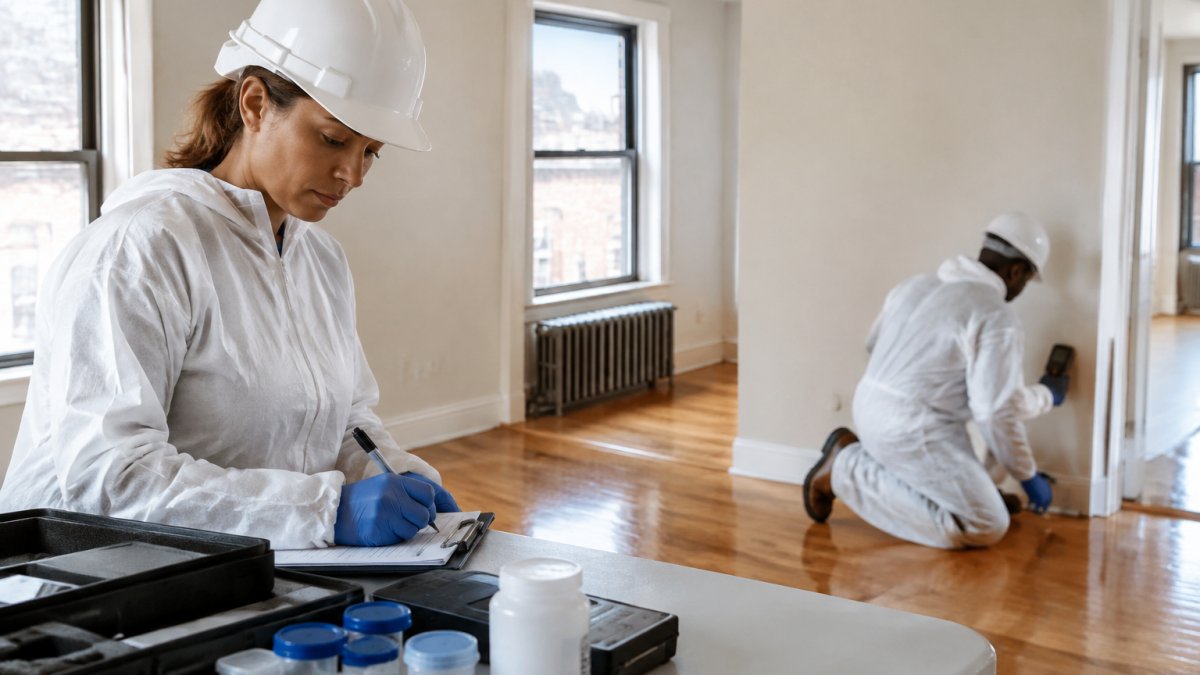
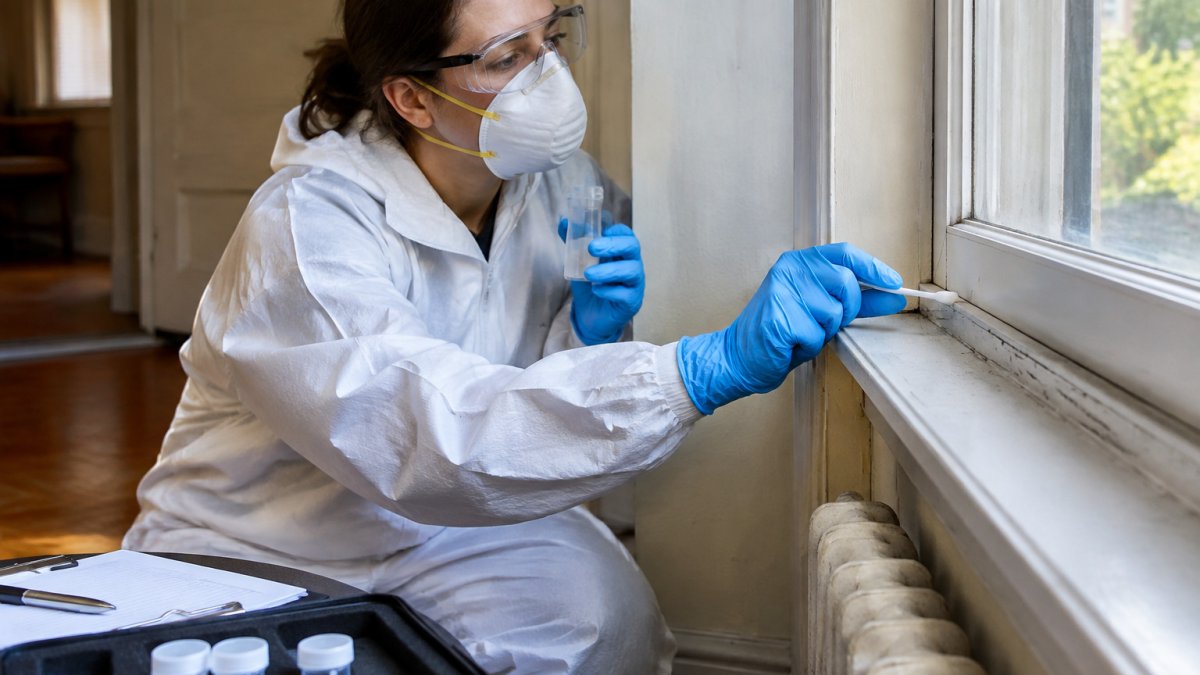
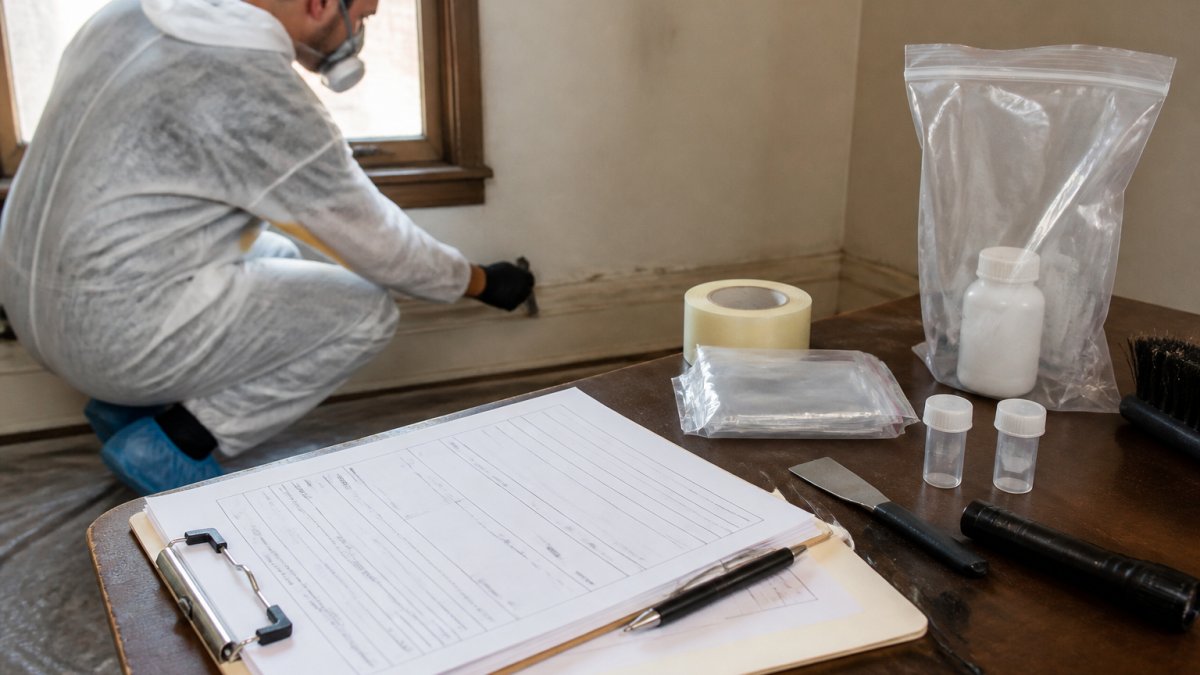
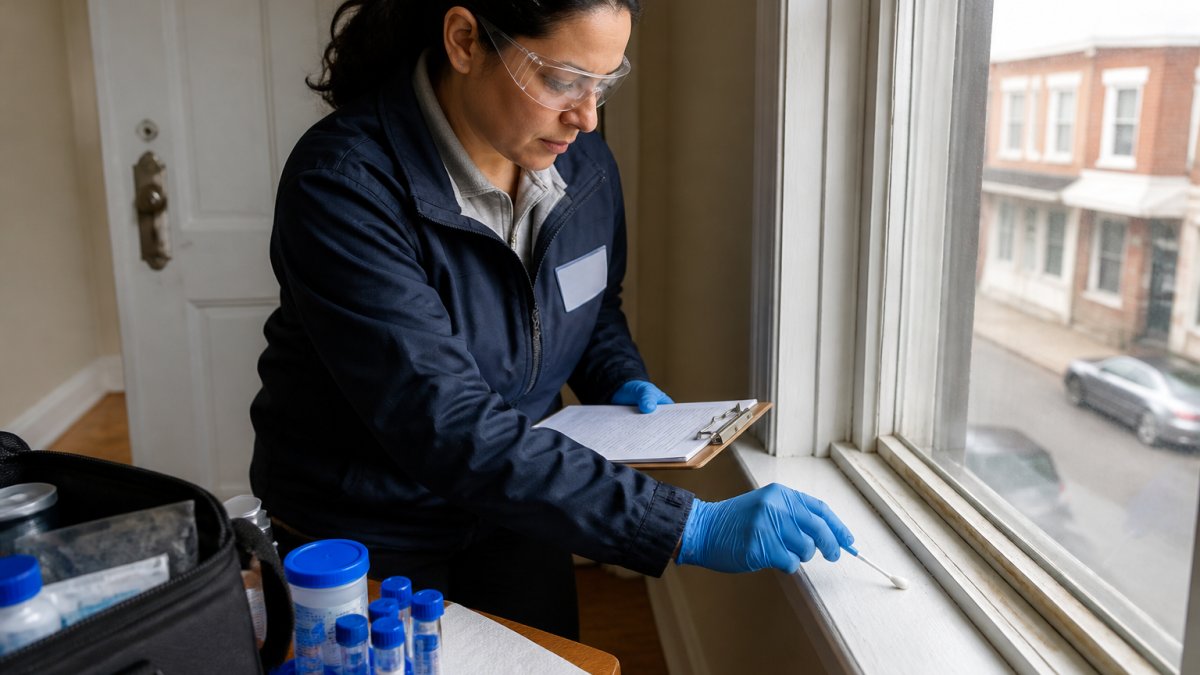
Dust wipe testing is the core of a lead-safe certification, and it's what separates a real lead-safe inspection from a quick visual walk-through. A certified inspector collects dust samples from surfaces where lead dust settles, sends them to an EPA-approved laboratory, and the lab reports lead loading for each surface. If every sample comes back at or below the applicable clearance levels, the unit passes. If any sample exceeds the limit, the unit does not certify until the hazard is corrected and the unit is retested.
Where samples are taken
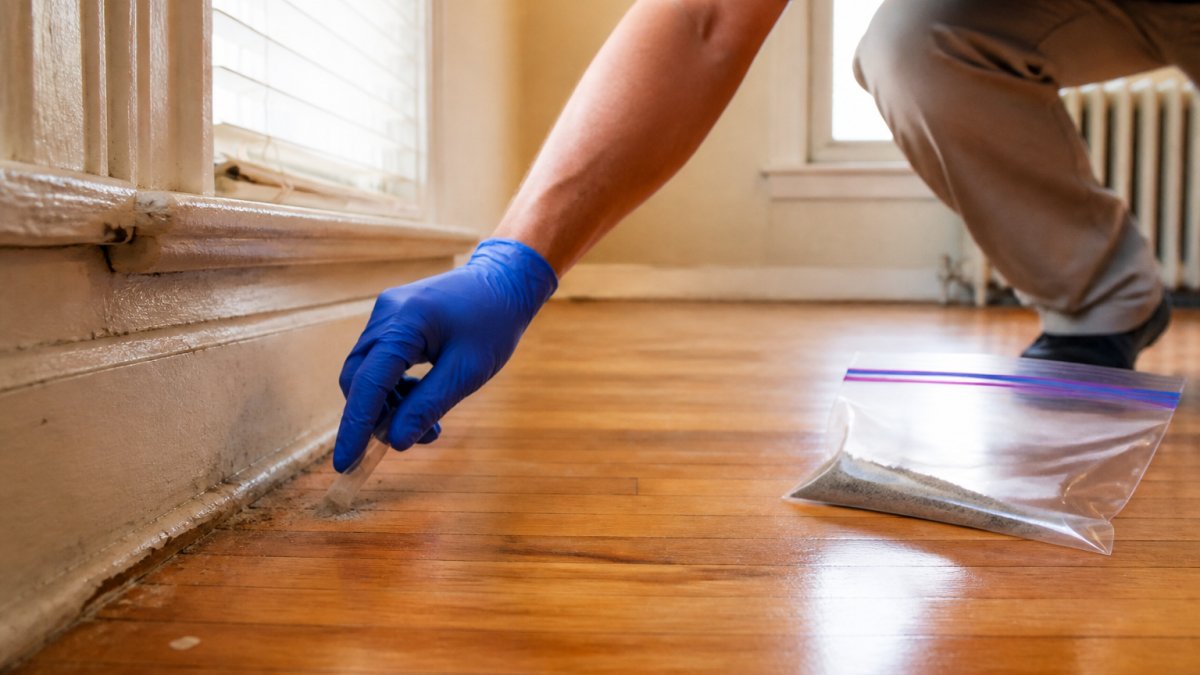
A dust wipe inspection is not a random sweep. The inspector targets surfaces where lead dust accumulates and where children are most likely to contact it. Typical sampling locations include:
- Interior windowsills
- Window troughs (the well between the sash and the sill)
- Floors, especially near windows and doors
- Stair treads and landings
- Other reachable surfaces identified during the visual assessment
The inspector also performs a visual check for deteriorated paint. Any peeling, chipping, or cracked paint must be repaired and stabilized before sampling, because a failed visual assessment stops the process before dust wipes are even collected.
How results are evaluated
The laboratory reports lead loading for each sampled surface, usually in micrograms per square foot (µg/ft²). The inspector compares each result to the clearance criteria that apply to that surface type. A unit passes only when every sample is at or below the applicable limit. One elevated sample is enough to fail the unit, there is no averaging across surfaces.
What happens after a failed test
A failed dust wipe is not the end of the process, but it does reset the clock. The typical sequence is:
- Identify the source. The inspector or a certified risk assessor determines whether the dust came from deteriorated paint, renovation debris, or tracked-in soil.
- Correct the hazard. Stabilize or remove the deteriorated paint, seal or replace the component, and address the underlying cause.
- Clean thoroughly. Wet-wipe and HEPA-vacuum the affected surfaces. Ordinary sweeping or dry dusting can spread dust rather than remove it.
- Retest. A new round of dust wipes confirms the unit now passes. Retesting is a separate visit and a separate lab cost.
Why the sampling details matter for landlords
Most failed certifications trace back to a surface nobody cleaned or a paint defect nobody fixed before the inspector arrived. Understanding where samples are taken and how pass/fail is determined lets you prepare the unit properly and avoid paying for a second visit. It also helps you spot the difference between a real dust wipe inspection and a visual-only walk-through that will not satisfy the rental license requirement.
EPA lead dust clearance and sampling guidance
Lead-Safe Certificate vs. Lead-Free Certificate Philadelphia
The two certificates are not the same thing, and the difference matters for older housing. A lead-safe certificate means the property passed dust wipe testing and has no deteriorated lead paint. A lead-free certificate means the property has no lead-based paint at all, confirmed by a certified inspector.
Here's the comparison:
| Feature | Lead-Safe Certificate | Lead-Free Certificate |
|---|---|---|
| What it proves | No lead dust hazard, paint intact | No lead-based paint present |
| Testing method | Dust wipe sampling plus visual | Paint inspection and lab analysis |
| Common for | Pre-1978 rental units | Properties fully remediated |
| Validity | 24 months | 24 months |
| Best for | Most landlords | Gut-renovated older buildings |
Most landlords of pre-1978 housing go with lead-safe. It's faster, cheaper, and it satisfies the rental license requirement. Lead-free is the stronger claim, but it demands a full paint inspection and often a bigger budget.
How to Pass a Lead-Safe Inspection
Passing starts before the inspector arrives. The most common reason a unit fails is deteriorated paint or dust on a surface nobody cleaned. Follow these steps:
- Fix peeling paint first. Repair and stabilize any chipping or cracking paint on windows, doors, and trim.
- Clean thoroughly. Wet-wipe windowsills, troughs, floors, and stair rails. Use a HEPA vacuum on carpets and crevices.
- Clear the sampling areas. Remove clutter from windowsills and floors near windows.
- Check every unit. Each covered rental unit needs its own clearance.
- Book the inspection. Schedule with a certified inspector and confirm the lab timeline.
We handle this at 99leadsafe.com with EPA-approved lab analysis and results in 2-7 business days. Expedited service is available.
Events That Reset or Shorten Your Certification
A certificate does not always run the full 24 months. Certain events restart the clock or cut it short, and the most common one is a failed re-inspection or a newly discovered lead hazard. If the city or a tenant reports deteriorated paint, you may need a fresh dust wipe test even inside the valid window. Treat the old certificate as expired the moment a triggering event occurs, and book a new inspection early rather than waiting for a renewal notice.
Triggers that reset the clock
- Major renovation or paint disturbance in a covered unit. Any work that disturbs painted surfaces can generate lead dust and invalidate the prior clearance.
- A change in how the property is used, such as converting a unit to a child-care facility, which brings stricter lead requirements.
- A tenant complaint that leads to a city inspection. A complaint-driven inspection can result in an order to correct and retest.
- A new rental license application for a unit that was not previously covered.
- A failed re-inspection during a routine compliance check.
Enforcement and consequences of noncompliance
Philadelphia ties the lead-safe certificate to the rental license: no valid certificate, no license. That linkage is the enforcement mechanism. A landlord who cannot produce a current certificate at license renewal or during a city inspection faces license problems, orders to correct, and tenant complaints that can escalate. The practical risk is not a single fine, it is losing the ability to legally rent the unit until the certificate is restored. Because the certificate is a condition of the license, letting it lapse effectively puts the unit out of compliance even if the tenant stays in place.
How to verify your compliance status
Landlords and property managers should keep a simple compliance file per property:
- The current certificate and its inspection date
- The laboratory dust wipe report
- The rental license and its expiration date
- A log of any repairs, renovations, or complaints since the last inspection
Review that file before every lease signing and every license renewal. If any triggering event has occurred since the last inspection, assume the certificate is no longer valid and schedule a new dust wipe test. Verifying your own status before the city does is the cheapest way to stay compliant.
Renewal Checklist for Landlords and Property Managers
Renewal is where careful landlords pull ahead. The goal is to never let the certificate lapse. Use this checklist:
- Note the inspection date on your calendar and set a reminder 60 days before month 24
- Confirm every covered unit still has a current certificate
- Fix any paint issues before booking the renewal test
- Schedule the renewal inspection with a certified inspector
- Keep lab reports and certificates in one folder per property
- Give updated copies to tenants after each renewal
- Align renewal dates with your rental license cycle
Property managers with multiple buildings should batch inspections. We can coordinate several units in one visit at 99leadsafe.com.
Conclusion
The 24-month validity period is easy to track once you build it into your calendar. The harder part is staying ahead of failures, renovations, and license renewals that all compete for the same window. That's where a reliable inspection partner earns its keep.
At 99leadsafe.com, we offer a $99 lead-safe inspection with EPA-approved lab analysis, results in 2-7 business days, and expedited service when you need it. We provide the documentation and filing guidance to keep your rental license compliant. Get started with 99leadsafe.com and keep every unit certified without the scramble.
Frequently Asked Questions
How long is a Lead-Safe Certificate valid for a Philadelphia rental property?
A Lead-Safe Certificate for a Philadelphia rental property is valid for 24 months from the date of the dust-wipe inspection. You must renew before that two-year window closes to avoid a lapse in compliance. Mark the expiration date on your calendar as soon as the certificate is issued, and schedule the renewal inspection several weeks early so lab turnaround time does not push you past the deadline. A lapsed certificate can affect your rental license and expose you to city enforcement.
Does a new tenant require a new lead dust inspection in Philadelphia?
No. Signing a new tenant does not by itself trigger a new inspection. The certificate runs on its own 24-month cycle regardless of tenant turnover. What does trigger a new inspection is a change in property condition, such as a renovation, a failed test, or a notice from the city. You still owe new tenants the required lead paint disclosure and a copy of the current certificate. Keep the document ready so you can hand it over at lease signing.
What happens if my rental fails a lead dust wipe test?
A failed dust wipe test means one or more samples came back above the allowed level. You cannot get a certificate until the hazard is addressed and the property is retested. The usual path is to clean or repair the source, then schedule a follow-up dust wipe inspection. Retesting carries its own fee, so budget for it rather than assuming one visit covers everything. Ask your inspector which rooms or surfaces failed so you target the fix instead of cleaning the whole unit.
Who can perform a lead-safe inspection for a Philadelphia rental?
The inspection must be done by a certified lead professional, typically an EPA-certified lead inspector, risk assessor, or lead-safe certifier working with an accredited lab. A general handyman or property manager cannot issue the dust wipe results the city accepts. Ask for the certification and the lab's accreditation before booking. The report and certificate must come from that qualified third party, not from you, or the documentation will not hold up if the city questions it.