 how-to
Philadelphia Lead Inspection Requirements: What Landlords Need
Table of Contents
- Philadelphia Lead Inspection Requirements: An Overview
- Philadelphia Lead-Safe Certificate Requirements
- Who Is Qualified to Perform a Philadelphia Lead Inspection?
- The Lead-Safe Inspection Process for Landlords
- Lead Dust Wipe Testing for Rental Properties
- How to Prepare for a Lead Dust Test
- What Happens If Your Property Fails Lead Dust Testing
- Conclusion
- Frequently Asked Questions
Last Updated: October 21, 2026
Philadelphia Lead Inspection Requirements: An Overview
Philadelphia treats a rental property as a business asset with a legal safety obligation attached. That single sentence is the core of the Philadelphia lead inspection rulebook, and everything else in this guide explains how to satisfy it.
At 99leadsafe.com, we run these inspections for landlords and property managers across the region. The work is not complicated. The paperwork and timing are where owners get caught.
Here is the short version of what a Philadelphia lead inspection covers:
- Covered housing: most residential rental units built before 1978, including single-family rentals, multi-unit buildings, and dormitory-style housing
- Certification type: either lead-safe (dust levels below the standard) or lead-free (no lead paint present)
- Who inspects: a certified lead inspector or risk assessor, not a general handyman
- What is tested: a visual inspection plus dust-wipe samples sent to an approved lab
- What you get: a certificate you can hand to tenants and file with the city
The city's lead paint rules sit under the Philadelphia Department of Public Health lead paint program, which publishes the current certificate forms and renewal timelines. Read the official page before you schedule anything. Requirements get updated, and a certificate that was valid three years ago may not match what the city asks for today.
Philadelphia Lead-Safe Certificate Requirements
A Lead-Safe Certificate is the document proving a rental unit's dust-lead levels fall below the legal threshold after a certified inspection. It is the certificate most landlords need. Lead-free certification is the rarer, stricter alternative.
What the certificate actually requires:
- A passing dust-wipe test from a certified inspector, with lab results attached
- A visual inspection confirming no deteriorated paint on friction and impact surfaces
- Correct owner information matching the property record
- A current certificate date within the renewal window the city sets
- Tenant notification with a copy of the certificate at move-in and at renewal
The distinction between the two certificate types matters more than most owners realize. Lead-free certification means the property has no lead-based paint at all, verified by a certified inspector, and it typically lasts longer before renewal. Lead-safe certification accepts that lead paint may be present but confirms it is not creating a dust hazard. For older rowhouses with layers of paint, lead-safe is the realistic path.
One more thing: the federal EPA lead disclosure rule still applies on top of city rules. You must disclose known lead paint hazards to tenants, regardless of what your certificate says.
Who Is Qualified to Perform a Philadelphia Lead Inspection?
Only a certified lead inspector or lead risk assessor can produce results the city will accept. A general home inspector, a painter, or a property manager with a test kit cannot issue a valid certificate.
The credentialing chain works like this. Individual inspectors and risk assessors are certified under the federal EPA lead abatement and inspection certification program, and many states run their own certification programs that the EPA authorizes.
When you vet an inspector, ask for four things:
- The individual's certification, name and credential number for the person who will actually collect the samples and sign the report, not just the firm's marketing page
- Lab accreditation, confirmation that samples go to a NLLAP-accredited laboratory
- A sample report, so you can see whether it includes per-sample pass/fail status, sampling locations, and the certificate itself
- Who signs the certificate, the name that will appear on the document you hand to tenants and file with the city
Why the person sampling matters: dust-wipe collection is easy to do wrong. A wipe taken from the wrong surface area, taken after a hasty dry sweep, or taken from a spot that was never a friction or impact surface produces a result that either fails unfairly or passes without proving anything. Certification exists to prevent both outcomes, and the lab accreditation requirement exists so the numbers hold up if a tenant or city inspector challenges them later.
A practical verification step most landlords skip: ask the inspector to show the certification card or number for the individual, and cross-check it against the EPA or state certification database before the visit.
At 99leadsafe.com, our inspections run through an EPA-approved lab, and we hand you the documentation and filing instructions. That matters when a tenant or a city inspector asks questions later.
The Lead-Safe Inspection Process for Landlords
The process has four stages, and the whole thing usually wraps in a few business days once sampling is done. Here is what to expect.
Stage 1: Scheduling and intake. You provide the property address, unit count, and build year.
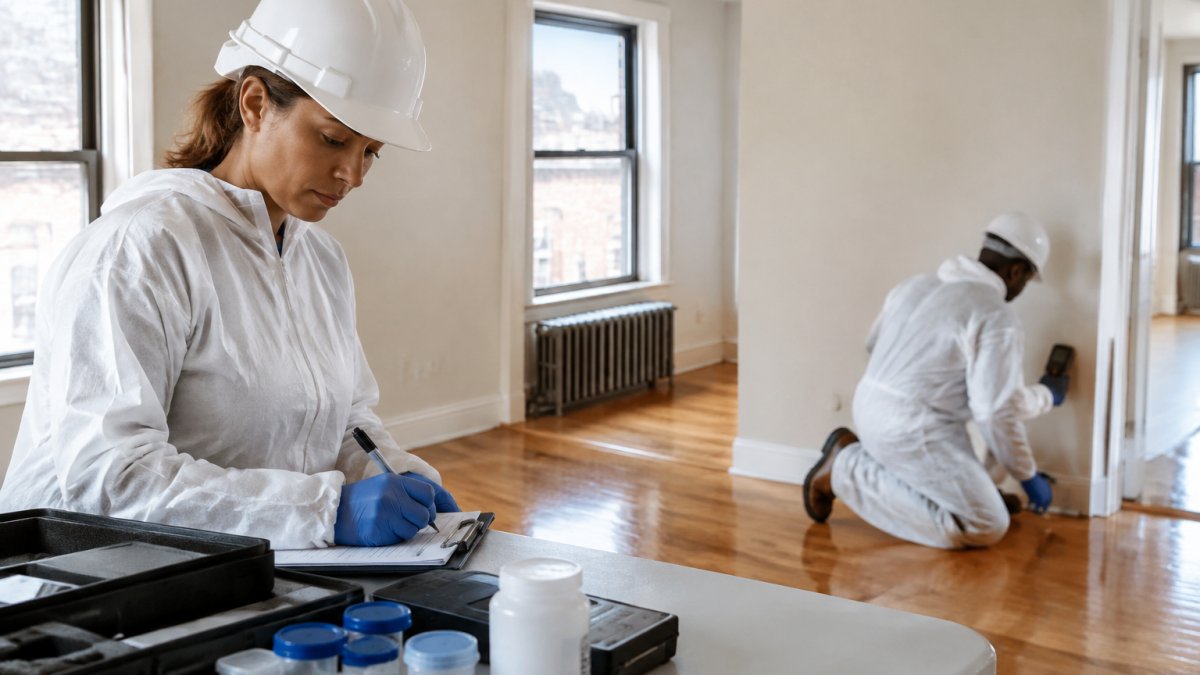
Stage 2: Visual inspection. The inspector walks the unit looking for deteriorated paint, especially on windows, doors, stairs, and any surface a tenant touches or that rubs against another surface.
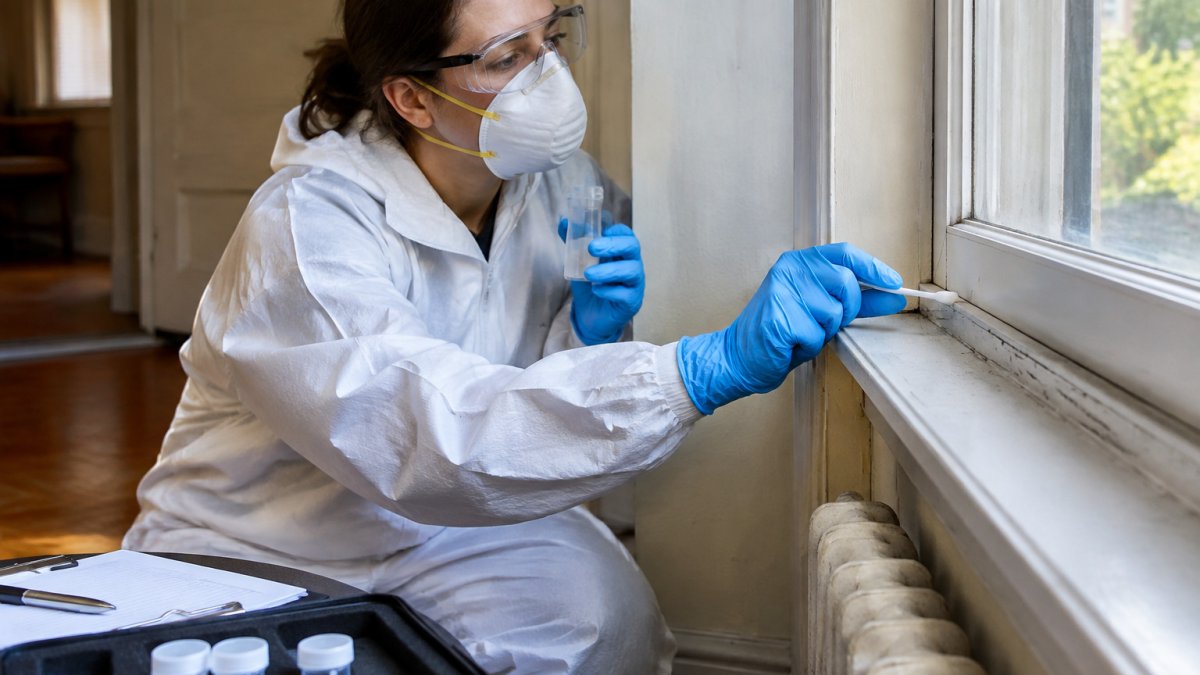
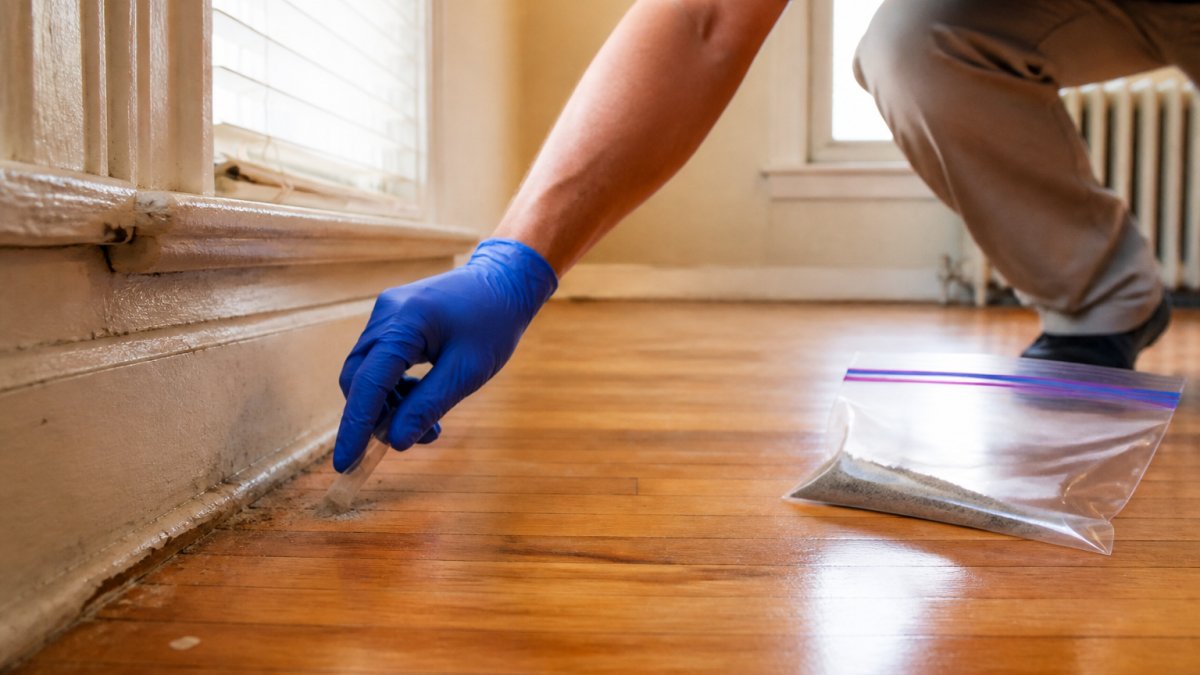
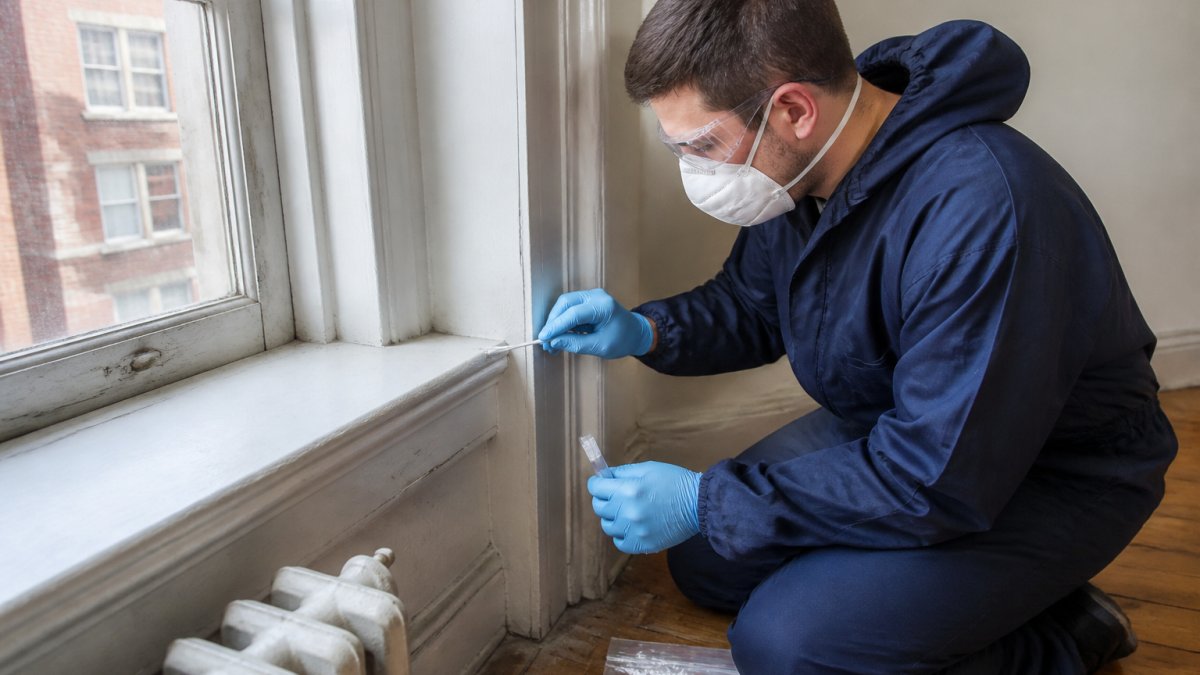
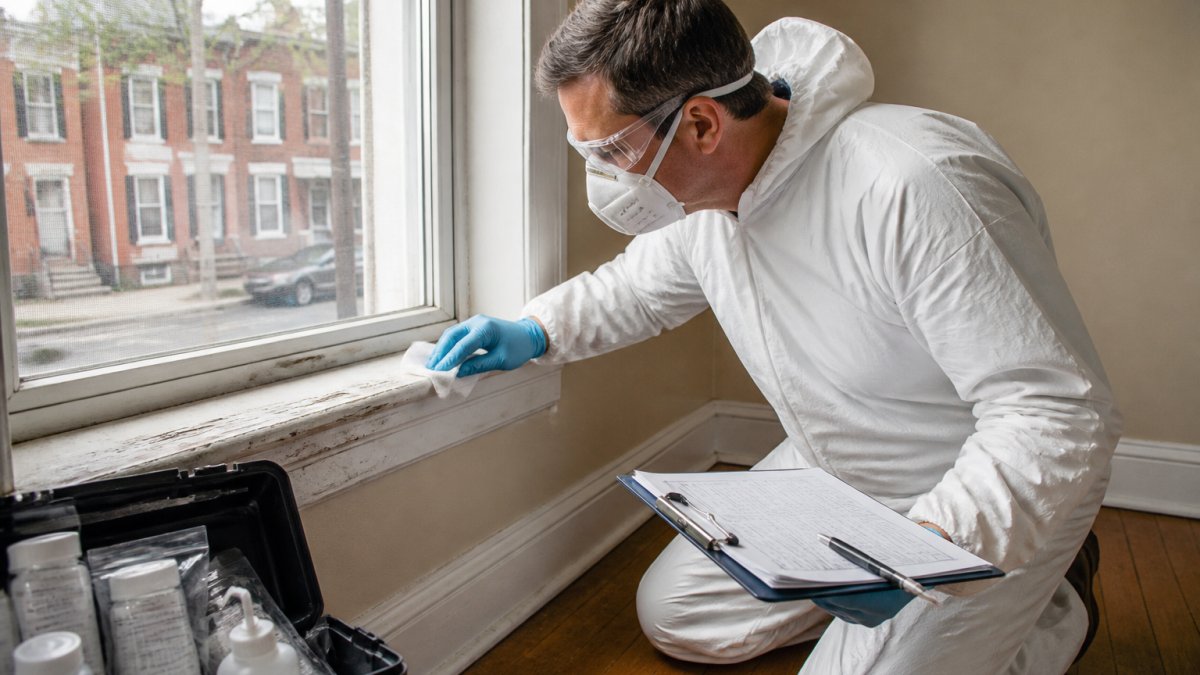
Stage 3: Dust-wipe sampling. The inspector collects wipes from floors, windowsills, and window wells in each room tested. Samples go to the lab.
Stage 4: Report and certificate. You receive results with pass or fail status per sample, plus the certificate if the unit passes.
Lead Dust Wipe Testing for Rental Properties
Dust-wipe testing is the part that decides pass or fail. The inspector wipes a measured area, seals the wipe in a lab tube, and the lab reports how much lead dust was collected.
Where samples typically come from:
- Floors, especially near doors and high-traffic paths
- Interior windowsills, the classic failure location in older housing
- Window wells and troughs, where paint chips collect
- Stair treads and handrails in multi-unit buildings
The EPA's lead dust clearance standards define the numeric thresholds labs compare against. Those numbers get revised, so confirm the current limits with your inspector rather than relying on a figure you heard years ago.
Two practical points most guides skip. First, dust testing is not the same as a paint inspection. A unit can have lead paint everywhere and still pass if the paint is intact and the dust is clean. Second, the test reflects conditions on the day of sampling. A unit that passes can fail a year later if a window starts binding. That is why renewal exists.
How to Prepare for a Lead Dust Test
Preparation is where landlords either save a retest fee or create one. The goal is a unit in normal, clean, lived-in condition, not a construction clean.
Do these before the inspector arrives:
- Clean floors, windowsills, and window wells with a damp cloth or mop, not a dry sweep
- Wipe down interior windowsills and troughs where chips collect
- Fix or stabilize any peeling, chipping, or crumbling paint
- Remove visible paint chips and debris from floors and stairs
- Clear access to every room that will be tested
- Confirm the inspector can reach all units on the schedule
Do not do these:
- Do not dry-sweep or use a standard vacuum right before testing, it spreads dust
- Do not paint over failing surfaces to hide them
- Do not skip cleaning a unit because it is vacant
What Happens If Your Property Fails Lead Dust Testing
A failed result is not a dead end. It is a to-do list with a deadline attached, and the deadline is the part that matters, because a unit cannot be rented on a lapsed or failed certificate without putting the rental license at risk.
First, understand what 'fail' means. The lab compares each dust-wipe sample against the federal dust-lead clearance standards published by the EPA lead dust clearance standards.
The report tells you which samples failed and where. Your next steps:
- Address the source. Stabilize or remove the deteriorated paint at the flagged location. If the work disturbs painted surfaces, use a certified lead-safe renovation firm, a standard contractor can create a bigger dust hazard than the one being fixed.
- Clean thoroughly. Wet-clean the affected areas and let them dry. Do not dry-sweep or use a standard vacuum, which spreads dust onto the surfaces about to be retested.
- Retest. A clearance retest confirms the fix worked. Ask your inspector about retest pricing before you schedule, so there are no surprise charges, and confirm whether the retest covers only the failed locations or the full unit.
- Document everything. Keep the failed report, the repair records, and the passing retest together. If a tenant or city inspector questions the unit later, this file is your defense.
The cost of a retest depends on how many samples and units are involved. What you cannot afford is renting the unit while a failure sits unresolved. Tenant notification rules and city enforcement both apply, and a lapsed certificate puts the rental license at risk, the city can pull the license, and that is a far more expensive problem than a retest.
A pattern worth knowing: failures cluster on friction and impact surfaces, windows, doors, stairs, and floors near entryways, because those are where paint breaks down and dust collects. A unit that passes can fail a year later if a window starts binding or a sill goes uncleaned.
Conclusion
The hardest part of Philadelphia lead compliance is not the inspection itself. It is the calendar. Certificates expire, tenants move, and a property that passed two years ago can fail on a window that started sticking last winter. Landlords who treat renewal as a scheduled task stay ahead of it. Everyone else gets a city letter.
99leadsafe.com handles the inspection, the EPA-approved lab analysis, and the documentation you need to file, with results in 2-7 business days and expedited service when a lease signing is close.
Get started with 99leadsafe.com and keep your rental certificate current instead of chasing it.
Frequently Asked Questions
How do landlords get a Lead-Safe Certificate in Philadelphia?
Landlords hire an EPA-certified or state-certified lead inspector to perform a visual inspection and dust-wipe sampling of the rental unit. If dust levels fall below the EPA clearance thresholds, the inspector issues the documentation you submit with your rental license application. The certificate is property-specific and must be renewed as the city requires. 99leadsafe.com provides this inspection and the supporting paperwork for landlords across the Greater Philadelphia area.
When does a Philadelphia rental property need lead dust testing?
Dust testing is required for pre-1978 rental properties as part of the Lead-Safe Certificate process, typically before a new tenant moves in and at each certificate renewal. If a property has been renovated or had paint disturbed, retesting is needed before it can be certified again. Check the current city requirements or ask your inspector, since the rules and renewal windows can change.
What happens if a rental property does not pass lead dust testing?
A failed dust-wipe test means lead dust was found above the EPA clearance levels. The landlord must clean the affected areas, address any deteriorated paint, and then schedule a retest. The property cannot receive a Lead-Safe Certificate until it passes. Budget for the retest and any remediation work, and ask your inspector about the specific next steps for your unit.
How can landlords prepare a rental property for a lead-safe inspection?
Clear access to windows, floors, and doorways, clean visible dust and debris, and make sure all areas the inspector needs to sample are reachable. Do not paint over or repair damaged surfaces right before the test without telling your inspector. Provide keys and unit access, and confirm the appointment details in advance. Proper preparation helps the inspection run on time and avoids a failed test caused by avoidable dust.