 ultimate-guide
EPA Lead Safety Standards for Landlords: A Complete Guide
Table of Contents
- Which Federal Lead Rules Apply to Your Rental Property
- Lead-Based Paint Disclosure Requirements for Landlords
- Lead-Safe Certification for Landlords: What It Is and When You Need It
- Lead Dust Wipe Testing for Rental Properties
- Your Lead-Safe Inspection Checklist for Rental Properties
- What to Do After a Suspected or Confirmed Lead Hazard
- Common Mistakes, Edge Cases, and Enforcement
- Frequently Asked Questions
Last Updated: October 18, 2026
Which Federal Lead Rules Apply to Your Rental Property
Three federal rule sets govern lead safety standards in rental housing, and landlords routinely confuse them. The Lead-Based Paint Disclosure Rule (42 U.S.C. 4852d) requires disclosure before a lease is signed. The Lead Renovation, Repair and Painting Rule governs paid work that disturbs paint in pre-1978 housing. The Lead Safe Housing Rule applies to federally assisted properties. At 99leadsafe.com, we see landlords cite one rule while being audited under another.
Which properties are covered? Any rental unit in pre-1978 housing where a child under six lives or is expected to live, plus most units receiving federal assistance. Post-1978 housing is generally exempt from disclosure.
Lead-Based Paint Disclosure Requirements for Landlords
Disclosure is the one federal duty every landlord of pre-1978 housing owes, whether or not lead paint is present. Before a tenant is bound to a lease, you must disclose any known lead-based paint or lead hazards in the unit and provide the required pamphlet. This obligation comes from the Lead-Based Paint Disclosure Rule (42 U.S.C. 4852d) and applies to owners of pre-1978 rental housing, property managers, and real estate agents involved in the lease.
The EPA Pamphlet, Disclosure Form, and Tenant Signatures
You must give the tenant the EPA-approved lead hazard information pamphlet, disclose known hazards, and obtain signed acknowledgments. The EPA lead disclosure rule overview spells out the required elements: the pamphlet, the disclosure of known hazards, and the tenant's signed acknowledgment. Keep the signed disclosure form with the lease.
The practical sequence matters. Provide the pamphlet and disclosure before the tenant signs. Give the tenant a reasonable opportunity to review the disclosure and, if requested, a period to conduct an independent lead inspection or risk assessment. Then collect signatures from the tenant and from every agent or owner involved in the transaction. A pamphlet handed over without a signature is not compliance.
Recordkeeping and Retention Rules
Retain the signed disclosure and acknowledgment for at least three years after the lease begins. Store the signed form alongside the lease, not in a separate file, so an auditor can match documents to tenancies. For multi-unit properties, keep a unit-by-unit file rather than a building-level folder; a missing acknowledgment for one unit is a finding even if the rest are complete.
Federal Disclosure vs. Local Lead-Safe Certification
Disclosure is paperwork; it does not certify that a unit is lead-safe. A growing number of local ordinances require a separate lead-safe inspection or certificate before a rental license is issued or renewed. Philadelphia's rental license lead requirements and Norristown's rules are local additions layered on top of federal standards, and they change. That is why we always tell landlords to verify current local requirements through Philadelphia's official rental licensing guidance rather than rely on a guide written a few years ago. A complete compliance file usually holds both: the signed federal disclosure and the current local lead-safe documentation.
Lead-Safe Certification for Landlords: What It Is and When You Need It
Lead-safe certification for landlords is documentation showing a rental unit has passed a lead hazard inspection and dust wipe testing. It is distinct from federal disclosure, which is paperwork, and from RRP certification, which covers contractors performing renovations.
Here's where it gets interesting. Federal law does not create a national rental lead-safe certificate. State and local ordinances do. Philadelphia's rental license lead requirements and Norristown's rules are local additions layered on top of federal standards, and they change. That is why we always tell landlords to verify current local requirements through Philadelphia's official rental licensing guidance rather than rely on a guide written a few years ago.
Lead Dust Wipe Testing for Rental Properties
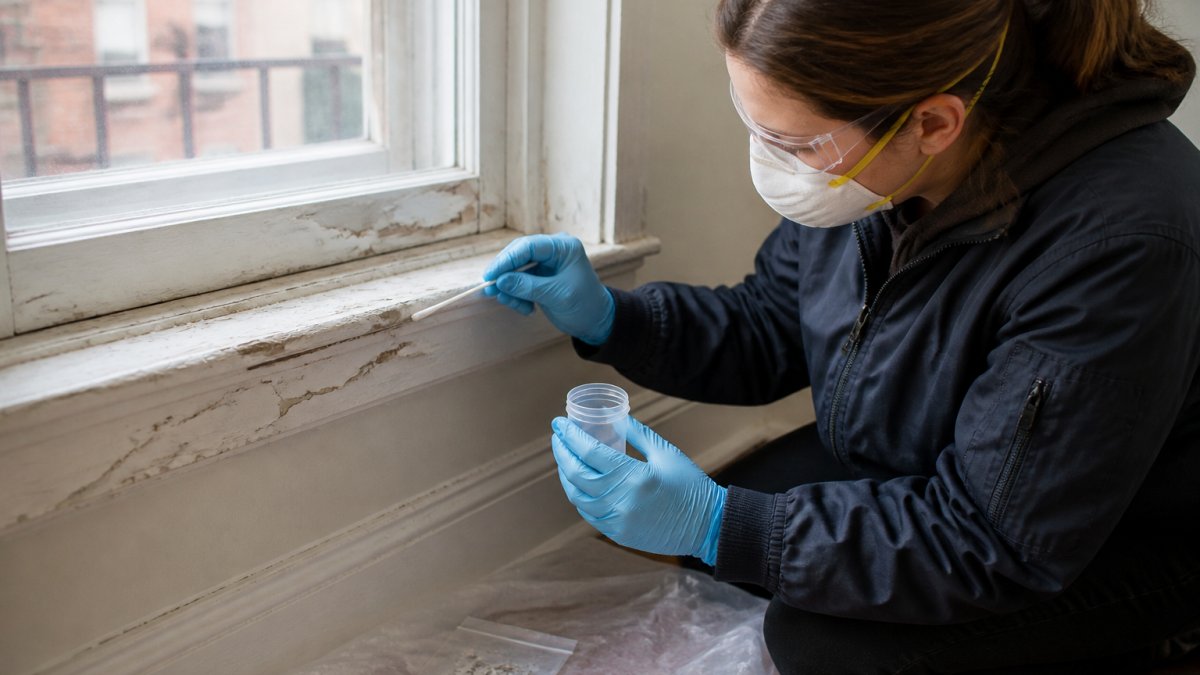
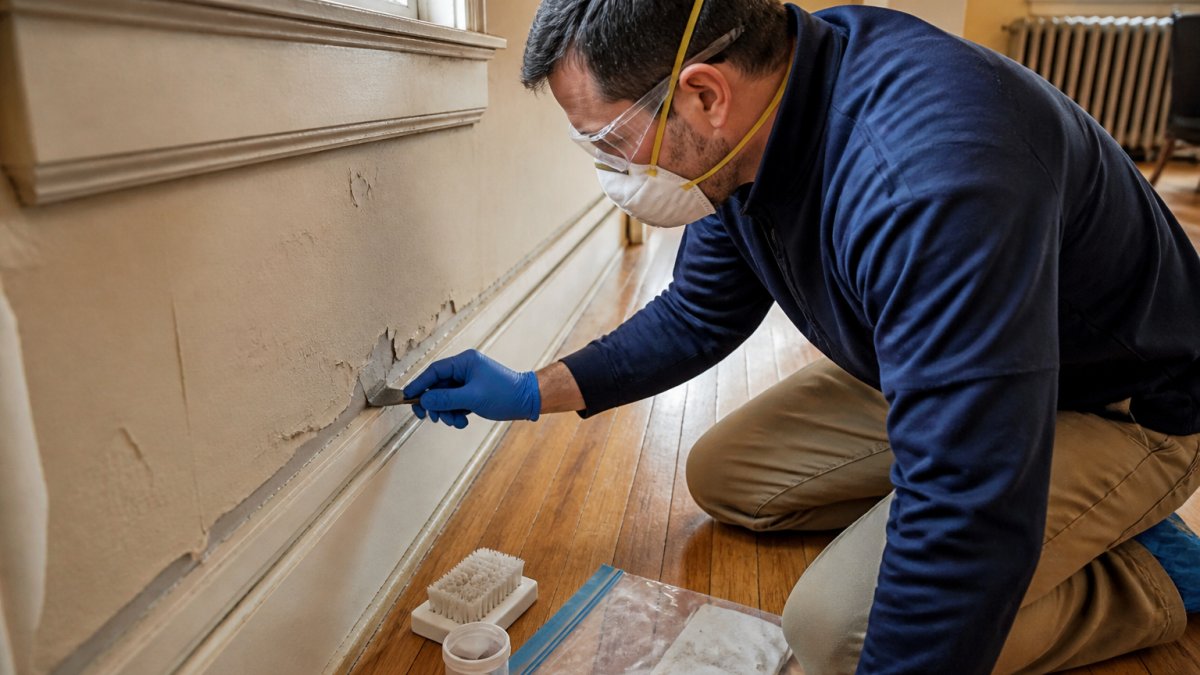
Dust wipe testing is the field method for measuring lead dust on surfaces where children crawl, play, and put hands in mouths. A certified inspector wipes a measured area of floor, windowsill, or window trough and sends the wipe to an accredited lab.
How Dust Wipe Samples Are Collected and Read
Collection follows a fixed protocol: a template marks the sampling area, a fresh wipe is used per surface, and each sample is sealed and labeled with its location. The lab digests the wipe and reports lead loading by surface area. Results are compared against the clearance standards that apply to your property type.
Your Lead-Safe Inspection Checklist for Rental Properties
Use this checklist to prepare a unit before inspection. A little prep prevents a failed test and a retest.
- Repair peeling, chipping, or flaking paint on walls, trim, and windows
- Clean floors, windowsills, and window troughs thoroughly
- Remove visible dust and debris from window wells
- Confirm every window opens and closes without friction
- Document any prior repairs and keep receipts
- Schedule the inspection before the lease signing date
- Have the disclosure form and pamphlet ready for the new tenant
What to Do After a Suspected or Confirmed Lead Hazard
A confirmed hazard is not a crisis if you act in order. Most practitioners follow a sequence that protects tenants, limits liability, and produces a defensible file.
1. Stop work that could spread dust. Halt sanding, scraping, demolition, or any repair that disturbs painted surfaces until the hazard is assessed. Isolate the area and keep occupants out of it.
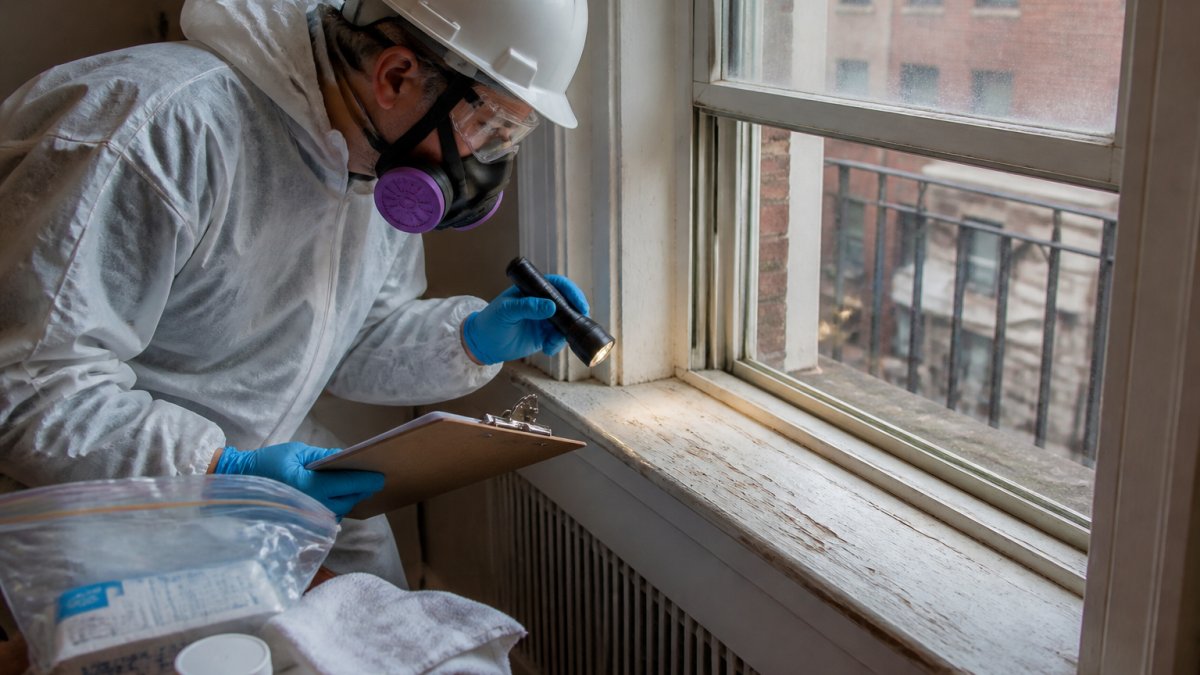
2. Have the hazard assessed by a qualified professional. A risk assessment identifies the source and extent of lead hazards and recommends controls; an inspection determines whether lead-based paint is present and where.
3. Choose a control method. Interim controls, paint stabilization, specialized cleaning, dust suppression, and safe work practices, manage hazards without full removal and are common for moderate conditions.
4. Retest to confirm clearance before reoccupying or re-renting. Clearance dust wipe testing after work verifies that lead dust has been reduced to applicable standards. Do not re-rent on the strength of a visual inspection alone.
5. Notify tenants and document. Tell occupants what was found, what work was done, and what to expect. Keep the inspection report, the lab results, the repair records, and the clearance report together.
This is the area where federal lead safety standards and local lead-safe requirements most often overlap. Federal law sets disclosure and renovation standards; local ordinances may set their own inspection, certification, and notification steps. Confirm which apply to your property before you choose a contractor or a control method.
Common Mistakes, Edge Cases, and Enforcement
The most frequent failures we see are procedural, not physical. Landlords skip the disclosure because "the tenant didn't ask." They hand over a pamphlet without collecting a signature. They hire an uncertified handyman for a repair that disturbs paint, which triggers RRP obligations. They let a certificate lapse between tenants.
Edge cases trip people up too. A unit occupied by adults only still sits inside a pre-1978 building, so the building's status does not disappear. Short-term rentals and child-care facilities in older buildings carry their own expectations. Enforcement comes from multiple directions: federal disclosure penalties, local licensing reviews, and civil liability if a child is harmed.
Lead compliance for older rental housing is a paperwork discipline as much as a physical one, and the landlords who stay out of trouble are the ones who treat it that way. If you own pre-1978 units in Greater Philadelphia, 99leadsafe.com provides a $99 lead-safe inspection with EPA-approved lab analysis, results in 2-7 business days, expedited service when a lease signing is close, and clear documentation with filing instructions. Get started with 99leadsafe.com and put a defensible compliance file behind every unit you rent.
Frequently Asked Questions
What EPA lead safety requirements apply to landlords?
The main federal rules are the Lead-Based Paint Disclosure Rule, which requires landlords to disclose known lead hazards and provide the EPA pamphlet to tenants in pre-1978 housing, and the Renovation, Repair and Painting Rule, which requires certified contractors using lead-safe work practices for most repairs in pre-1978 housing. Some properties also fall under the Lead Safe Housing Rule if they receive federal assistance. Local rules, such as Philadelphia's rental license lead requirements, can add inspection and certification obligations on top of these federal standards.
When does a rental property need a lead inspection or dust testing?
Any rental property built before 1978 should be evaluated for lead hazards, especially before a new tenant moves in or after renovation work disturbs paint. Dust wipe testing is the standard way to confirm whether lead dust is present on floors, windowsills, and other surfaces. In Philadelphia, landlords must meet the city's lead-safe certification requirements to obtain or renew a rental license. If you are unsure whether your property triggers testing, check with your local health department or a certified inspector.
What is the difference between lead-based paint disclosure and lead-safe certification?
Disclosure is a federal requirement: you tell tenants about known lead hazards and give them the EPA pamphlet before they sign a lease. Lead-safe certification is a separate process, often required locally, where an inspector evaluates the property and confirms it meets lead-safe conditions. Disclosure is paperwork; certification is a documented evaluation of the unit. Many landlords need both, and they serve different purposes in a compliance file.
How do landlords arrange lead dust wipe testing?
Contact a certified lead inspector or risk assessor who follows EPA protocols. The inspector collects dust samples from floors, windowsills, and window wells using approved wipes, then sends them to an accredited lab. Results typically come back within a few business days. Schedule testing before a lease signing or after any renovation that disturbs paint. Keep the lab report and inspector credentials in your records in case the city or a tenant asks for proof.
What does a lead-safe inspection check in a rental property?
An inspector looks for deteriorated paint, visible dust, and other lead hazards on surfaces like windows, doors, stairs, and porches. They may test paint in good condition and collect dust wipe samples from high-contact areas. The goal is to confirm the unit is free of lead hazards or identify what needs repair. The inspector documents findings and provides a report you can use for certification and your compliance records.
How can landlords prepare a rental property for a lead-safe inspection?
Clean floors, windowsills, and window wells so dust samples are not skewed by recent mess. Repair peeling or damaged paint before the inspection, but do not dry-sand or dry-scrape, which spreads lead dust. Remove clutter from areas the inspector needs to access. Have your disclosure forms and prior inspection reports ready. If you are unsure what to fix first, ask the inspector for a pre-inspection checklist so you address the right items.
What records should landlords keep after lead testing?
Keep the inspection report, lab results, disclosure forms signed by tenants, and proof that you provided the EPA pamphlet. Retain records for at least three years after the disclosure, though many landlords keep them for the life of the property. Store copies digitally and in a physical file. If a tenant or city agency asks for proof of compliance, you will need these documents quickly. Good records also protect you if a dispute arises.
Who is qualified to perform lead-based paint inspections or risk assessments?
Only certified lead inspectors or risk assessors should perform these evaluations. They must be trained and certified, often through an EPA-accredited program or a state program authorized by EPA. Ask for certification credentials and confirm the lab used for dust analysis is accredited. Hiring an unqualified tester can leave you with invalid results and no legal protection. Verify credentials before you book, especially if you need documentation for a rental license.