 ultimate-guide
Child Care Facility Lead Safe Requirements: A Landlord's Guide
Last Updated: October 30, 2026
Quick Summary
Child care facility lead safe requirements apply to licensed child care centers, group day care homes, and family day care homes in older buildings where children under six spend time regularly. Testing covers four separate media, paint, dust, soil, and water, each with its own sampling method and governing rule, so one passing report is not full clearance.
- A child-occupied facility is visited by the same child under six at least two days a week, three hours per day, totaling 60 hours a year.
- Pre-1978 buildings carry a federal presumption of lead-based paint, so paint, dust, and renovation rules apply.
- Dust wipes are collected from floors, interior windowsills, and window troughs and compared against federal clearance levels.
- Water testing requires a first-draw sample from outlets children use; flushing the line before sampling destroys the test.
- After a failed test, clean with wet methods and HEPA vacuums, repair deteriorating paint, then retest before reopening.
Table of Contents
- Which Child Care Facilities Must Meet Lead Safe Requirements
- Lead Testing in Child Care Facilities: Paint, Dust, Soil, and Water
- How Lead Dust Wipe Testing Works and What the Results Mean
- Lead Hazard Response in Child Care Facilities After a Failed Test
- Lead Inspection Documentation and Recordkeeping for Compliance
- Building Age, Testing Schedules, and Who Can Perform the Inspection
- Schedule Your Child Care Facility Lead Inspection
- Frequently Asked Questions
Which Child Care Facilities Must Meet Lead Safe Requirements
Child care facility lead safe requirements apply to any building where children under six spend time regularly, and in Pennsylvania those child care facility lead safe requirements cover licensed child care centers, group day care homes, and family day care homes operating in older buildings. This guide breaks down what landlords and facility operators actually need to document. The stakes are concrete: lead dust settles on windowsills and floors where toddlers crawl, and young children absorb it far more readily than adults. Below, we'll show you exactly which facilities are covered, how testing works, and what happens when a result comes back elevated.
Licensed Centers, Day Care Homes, and Child-Occupied Facilities
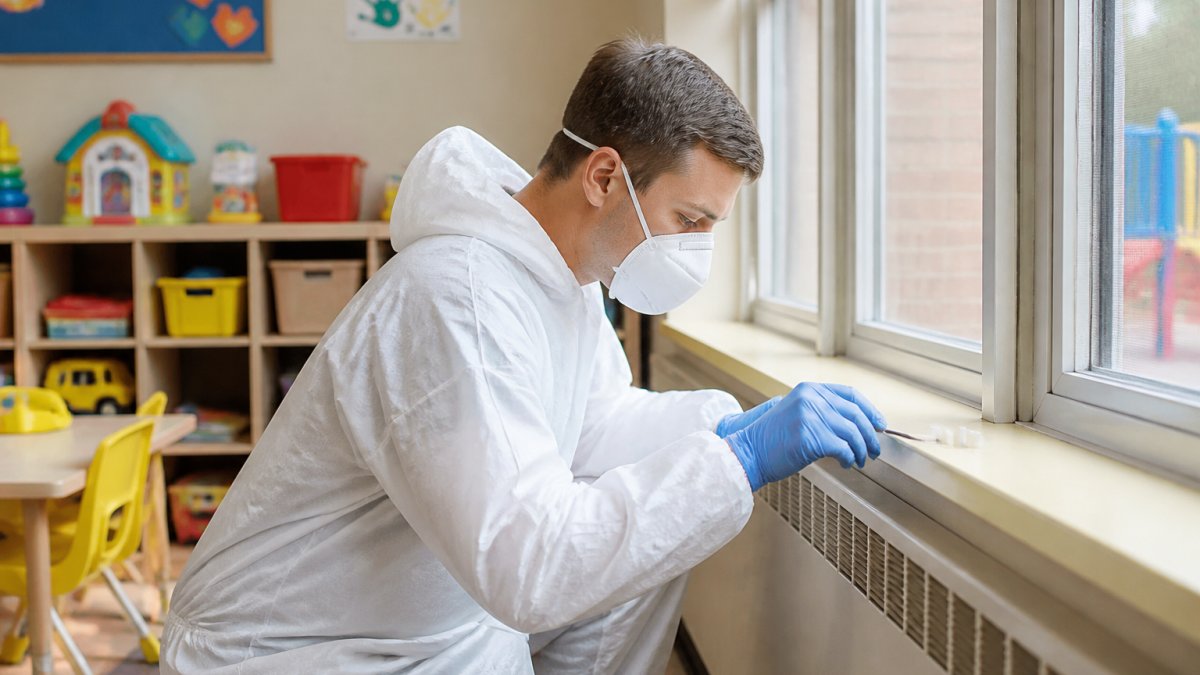
A child-occupied facility is a building, or portion of one, visited regularly by the same child under age six on at least two different days within any week, provided each day's visit lasts at least three hours and the combined annual visits total at least 60 hours. That federal definition, set out in EPA's lead-based paint program rules, is the line most landlords miss.
The categories that typically trigger obligations:
- Licensed child care centers caring for seven or more children
- Group day care homes serving seven to twelve children
- Family day care homes serving up to six children, licensed or registered
A landlord renting commercial space to a tenant who runs a center inherits exposure even without operating the business. The lease should state who tests, who pays, and who holds the records.
For operators in Pennsylvania, the state's child care certification rules layer on top of the federal framework. Our breakdown of child care lead certification requirements in PA covers the state-specific paperwork in detail.
Lead Testing in Child Care Facilities: Paint, Dust, Soil, and Water
Lead testing in child care facilities covers four distinct media, and each has its own sampling method, its own governing rule, and its own failure mode. Treating them as one inspection is the single most common compliance error landlords and facility operators make, because a building can pass one medium and fail another on the same day.
Paint: The Renovation and Deterioration Rule
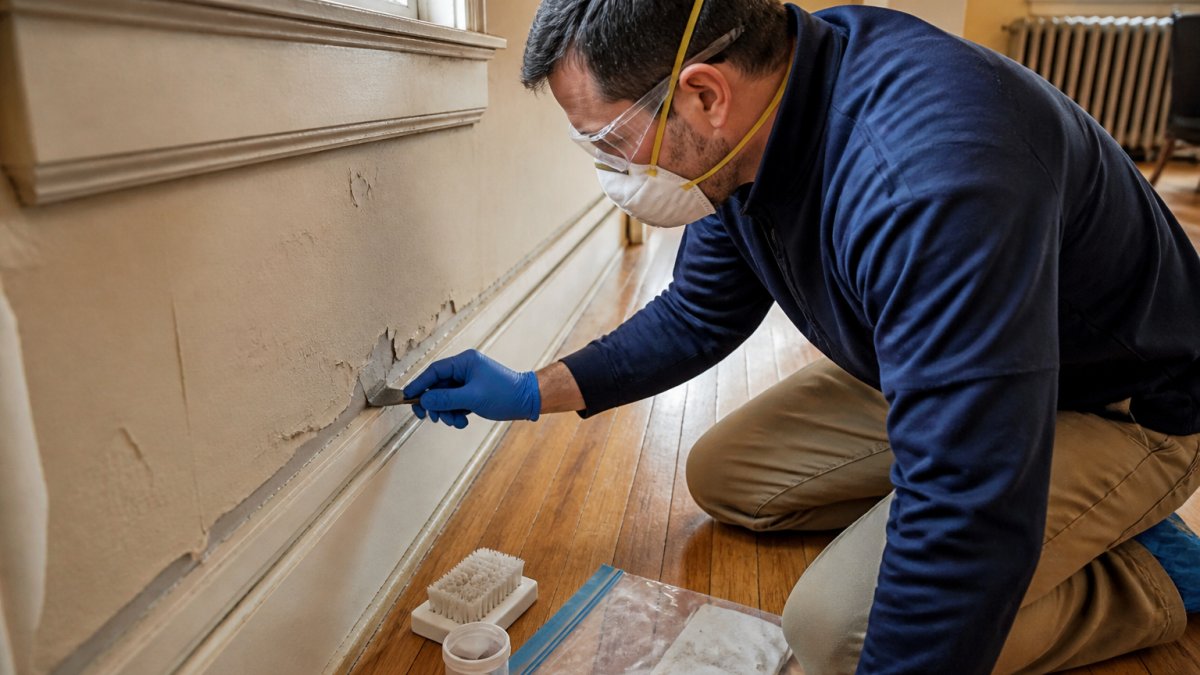
Paint is tested with an XRF analyzer, which reads lead content through layers of paint without damaging the surface, or with a paint chip sent to an accredited lab when the XRF reading is ambiguous. The federal framework presumes lead-based paint in housing and child-occupied facilities built before 1978, so a pre-1978 building starts from a presumption of hazard rather than a clean slate.
Dust: The Exposure Pathway That Actually Matters
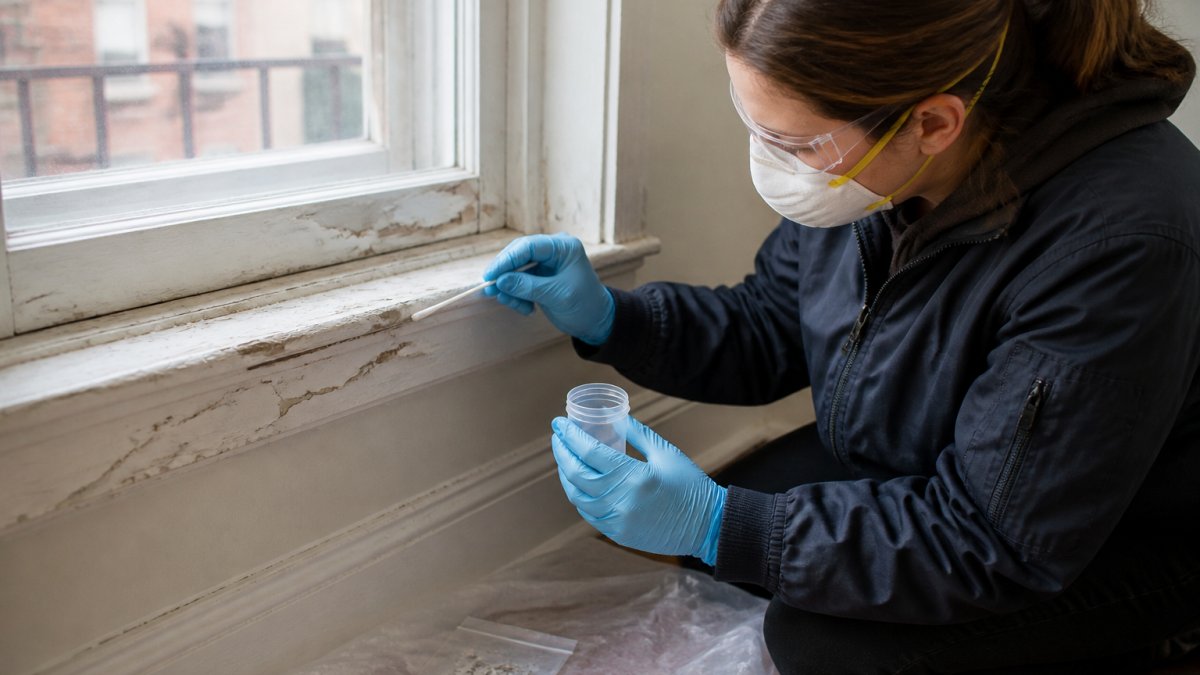
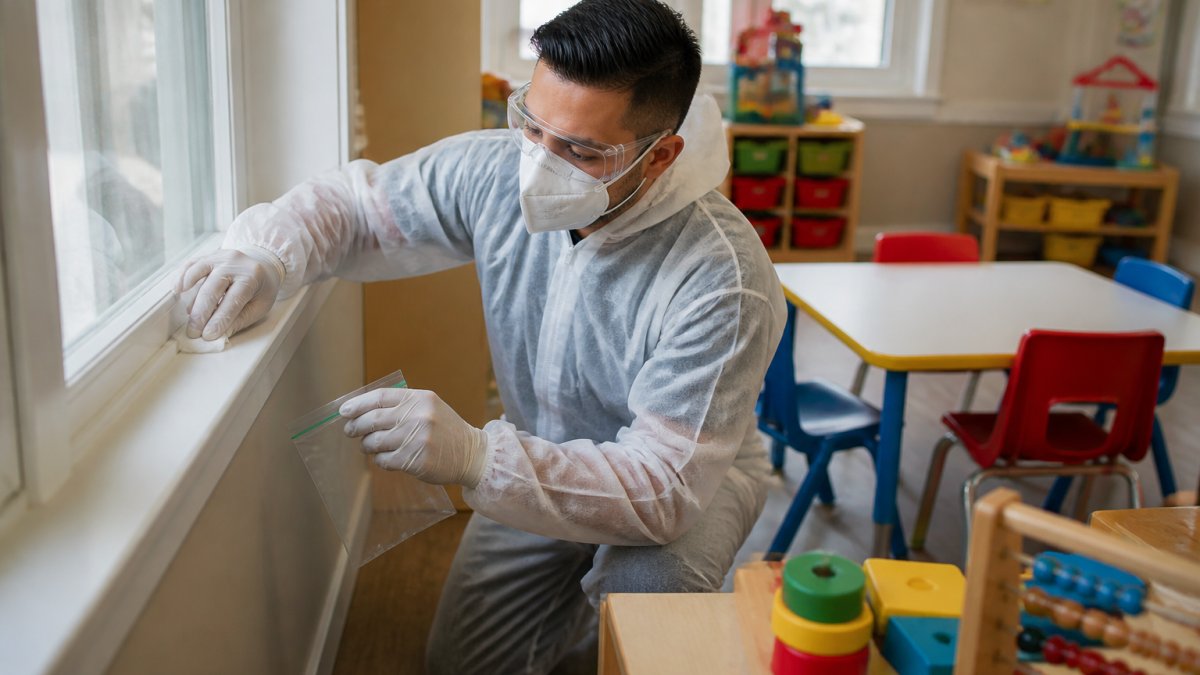
Dust is collected with wipes from floors, interior windowsills, and window troughs, the three surfaces where lead dust accumulates and where children's hands and mouths reach. Results are reported in micrograms per square foot and compared against federal clearance levels. Dust is the medium most directly tied to a child's blood lead level, because deteriorating paint, friction surfaces on windows and doors, and tracked-in soil all deposit lead dust exactly where toddlers crawl and play. A passing paint inspection with no dust wipes collected is not clearance; it is an incomplete file.
Soil: Bare Dirt and Sandbox Areas
Soil is sampled from bare dirt in play areas and from sandbox areas, because exterior soil tracked indoors is a documented contributor to interior dust loading. Soil sampling is often skipped when the facility has no bare dirt, but play areas, drip lines under windows, and sandbox borders should be evaluated before that conclusion is written down.
Water: A Separate Rule With Its Own Sampling Protocol
Water is the medium most often confused with paint and dust rules, and it is governed separately. Drinking-water lead testing in child-occupied facilities typically requires a first-draw sample, water that has sat in the plumbing overnight or through a stagnation period, collected from outlets children actually use for drinking and food preparation. Outlet selection matters: a kitchen tap, a classroom bubbler, and a hallway fountain can produce very different results from the same building because of the fixture, the solder, and the length of pipe between the outlet and the main.
Why the Distinction Matters for Your File
Each medium has its own regulator, its own sampling protocol, and its own corrective action.
For operators in Pennsylvania, the state's child care certification rules layer on top of the federal framework. Our breakdown of child care lead certification requirements in PA covers the state-specific paperwork in detail.
Each of the four media has its own sampling method, governing rule, and failure mode, so they should never be treated as one inspection.
| Medium | Sampling method | Governing rule |
|---|---|---|
| Paint | XRF analyzer or paint chip sent to accredited lab | Federal lead-based paint program; pre-1978 presumption |
| Dust | Wipes from floors, interior windowsills, window troughs | Federal lead-based paint program; compared to clearance levels |
| Soil | Sampled from bare dirt in play areas and sandboxes | Federal lead-based paint program |
| Water | First-draw sample from outlets children use | Drinking-water rules with their own action levels |
How Lead Dust Wipe Testing Works and What the Results Mean
Lead dust wipe testing is the process of wiping a measured surface area with a treated wipe, sending the wipe to an accredited lab, and comparing the result against federal clearance levels. For a deeper explanation of what a lead dust wipe test is and how it works, see our landlord guide.
Results are reported in micrograms per square foot (the EPA). The EPA's lead hazard standards and clearance guidance sets the thresholds inspectors compare against, and an elevated result means the surface needs cleaning and retesting before the space is cleared.
Three things determine whether your result holds up:
- The lab's accreditation under the EPA's National Lead Laboratory Accreditation Program
- The inspector's certification and the chain-of-custody paperwork
- The sampling locations, which should match where children actually spend time
Lead Hazard Response in Child Care Facilities After a Failed Test
Lead hazard response in child care facilities starts the moment an elevated result lands, and the first step is containment, not panic. Move children out of the affected room, restrict access, and document the date and time of the decision.
The sequence that works:
- Notify the facility director, the property owner, and the licensing agency as required
- Clean the affected surfaces with wet methods and HEPA vacuums, never dry sweeping
- Repair any deteriorating paint or friction surface that generated the dust
A common mistake is repainting over the problem without addressing the dust. Paint encapsulates a surface; it does not remove the dust already sitting in the carpet or the window trough.
Lead Inspection Documentation and Recordkeeping for Compliance
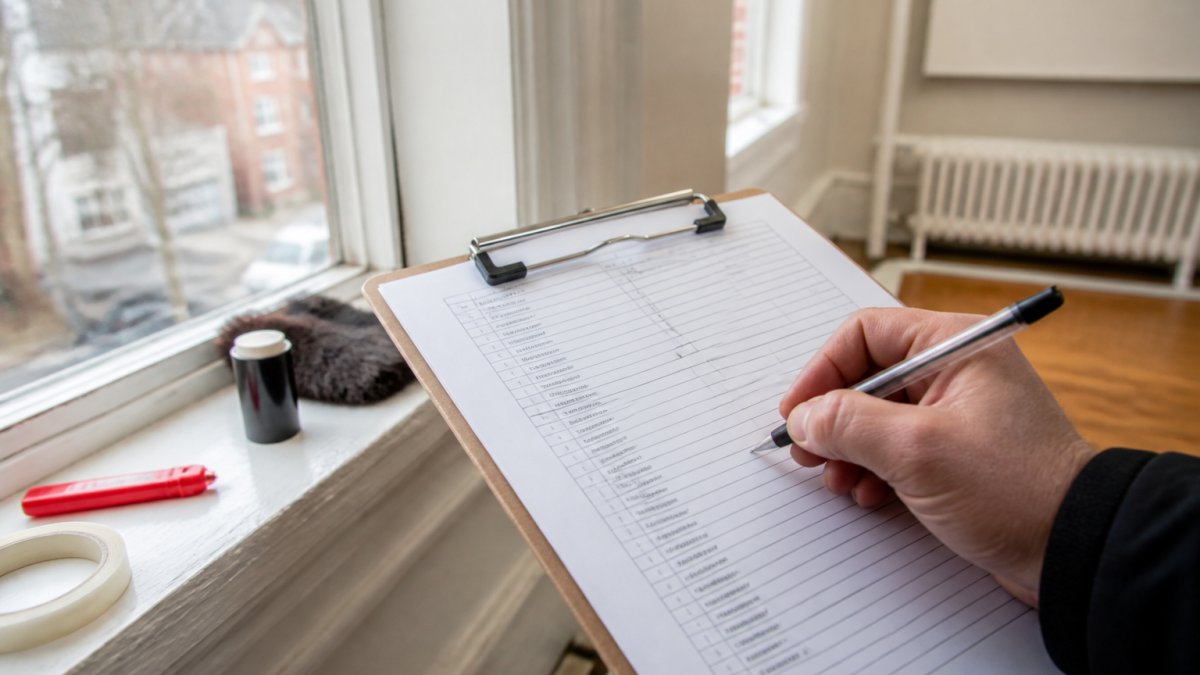
Lead inspection documentation is the paper trail that proves compliance when a licensing inspector, a tenant, or a plaintiff's attorney asks. Keep the original lab report, the inspector's certification number, the sampling diagram, and the clearance certificate together in one file per property. Our guide to landlord documentation and filing for lead liability covers what to retain and for how long.
What belongs in every file:
- Certified inspector's name and certification number
- Accredited lab's name, address, and accreditation number
- Date of inspection and date results were received
Retention periods vary by program, so confirm the current requirement with your licensing agency rather than guessing.
Building Age, Testing Schedules, and Who Can Perform the Inspection
Building age drives almost every lead decision, and the date that matters most is 1978. Structures built before 1978 carry the federal presumption of lead-based paint, and the older the building, the higher the likelihood of lead plumbing, lead solder, and lead service lines feeding the water supply. A building constructed after 1978 is generally outside the paint-hazard framework, though water testing can still apply and local rental licensing rules can impose their own requirements regardless of construction date.
Age Thresholds That Change the Rule
- Pre-1978 construction: presumption of lead-based paint; paint, dust, and renovation rules apply
- Pre-1950 construction: higher likelihood of lead plumbing and lead service lines; water testing deserves priority
- Post-1978 construction: generally outside the paint-hazard framework, but water and local licensing rules can still apply
Do not assume a renovation date resets the clock. A pre-1978 building that was gutted in 2005 is still a pre-1978 building for the purposes of the presumption unless documentation establishes otherwise.
Testing Schedules and Retest Triggers
Testing schedules depend on the program, and a missed cycle is the most common compliance failure we see. Rather than guess at an interval, build the schedule from three inputs: the initial inspection date, the retest interval your licensing authority sets, and the events that force an out-of-cycle retest. Those events typically include:
- A failed dust wipe or elevated water result, which requires retesting the same locations after cleaning or repair
- Renovation, repair, or painting that disturbs a painted surface
- A change of tenant or facility operator
Who Can Perform the Work
Who can perform the work matters as much as when, and the credential has to match the task:
- Paint inspections and risk assessments require a certified lead-based paint inspector or risk assessor
- Clearance testing after remediation requires a certified clearance technician
- Dust wipes collected by an uncertified person may not be accepted as proof of compliance
Ask for the certification number before work begins and verify it against the issuing program. Our guide on how to choose a lead-based paint inspector walks through the questions to ask. A report without a verifiable certification number is a report a licensing inspector can reject.
A Practical Compliance Checklist
Turn the rules into a file that survives review. For each property, maintain:
- Certified inspector's name and certification number
- Accredited lab's name, address, and accreditation number
- Date of inspection and date results were received
Schedule Your Child Care Facility Lead Inspection
Compliance deadlines rarely announce themselves politely. A licensing renewal, a new tenant, or a parent's question can put your file under review with little notice, and the documentation has to already exist.
At 99leadsafe.com, we provide lead-safe inspection and certification for child care facilities and rental properties across the Greater Philadelphia area.
If you operate a child care facility and need to confirm where you stand, contact our team to schedule your inspection and get the paperwork moving.
Frequently Asked Questions
Do child care facilities need lead testing?
Yes, in most cases. Licensed child care centers, day care homes, and child-occupied facilities in pre-1978 buildings must address lead-based paint hazards under federal EPA rules, and many states and cities add their own lead testing requirements. Testing typically covers paint, dust, bare soil, and drinking water. Confirm the exact obligations with your state child care licensing agency and local health department, then keep documentation on file.
How is lead dust tested in a child care facility?
A qualified inspector or risk assessor collects dust wipe samples from surfaces children touch, such as windowsills, floors, and play areas. The wipes go to a certified laboratory, and results are compared with EPA lead dust clearance standards. Sampling should follow recognized protocols so results hold up during licensing or regulatory review. Keep the lab report and inspector credentials with your facility records.
What should a facility do if lead is found?
Stop using the affected area until it is cleaned or stabilized, and notify staff and parents as required. Hire certified professionals to perform remediation, then arrange clearance dust wipe testing to confirm the area is safe before reopening it. Document every step, including the initial report, the corrective action, and the clearance results, because regulators and licensing staff may ask for the full record.
How often should child care facilities test for lead?
Testing schedules depend on your state and local rules, the building's age, and whether renovation work has occurred. Many facilities test at licensing or renewal, after any renovation that disturbs paint, and on a recurring schedule set by the health department. Check with your licensing agency for the exact interval, and schedule testing well before your license renewal date so results arrive in time.
Who can perform lead inspections or dust wipe testing?
Use an EPA-certified inspector or risk assessor, and a laboratory recognized under the EPA's National Lead Laboratory Accreditation Program. Some states require additional state certification. Ask for credentials before booking, and confirm the lab report will include the information your licensing agency expects. Inspectors who regularly work with child care facilities can also help you prepare documentation for review.
What records should a child care facility keep after lead testing?
Keep the inspection report, lab results, inspector and laboratory credentials, remediation invoices, and clearance testing results. Store them with your licensing file and keep copies for at least as long as your state requires. A simple compliance binder, organized by date and location, makes licensing visits and parent questions much easier to handle. Update it every time testing or repair work is completed.
Lead compliance is not a one-time task; it is a record you maintain. The operators who stay ahead of it are the ones who test on schedule, keep every lab report, and fix problems before a licensing inspector finds them. Get started with 99leadsafe.com and put a certified, documented inspection behind your facility.