 ultimate-guide
Philadelphia Rental Property Lead Laws 2026: Full Guide
Table of Contents
- Philadelphia Rental Property Lead Laws 2026: What Changed and What Still Applies
- The 2026 Legal Status: What Is Actually Enforced
- Which Rental Properties Must Comply With Philadelphia Lead Certification Law
- Lead-Safe Certificate vs. Lead-Free Certificate: Which One Do You Need?
- Lead Dust Testing Philadelphia: How the Wipe Sampling Process Works
- Lead Safe Certification Philadelphia: Step-by-Step Landlord Compliance Workflow
- Lead Inspection Norristown PA and Greater Philadelphia: Local Differences to Know
- Penalties, Enforcement, and Tenant Disclosure Requirements
- Frequently Asked Questions
Last Updated: October 7, 2026
Philadelphia Rental Property Lead Laws 2026: What Changed and What Still Applies
Philadelphia rental property lead laws 2026 are, at their core, a certification regime: landlords of most pre-1978 rentals must have the property certified lead-safe or lead-free and must give tenants the certificate. The long version is where landlords get tripped up, because the law's exemptions, deadlines, and disclosure duties depend on the property, the tenant, and the timing of the lease.
At 99leadsafe.com, we work with Philadelphia landlords and property managers every week who are trying to sort out what actually applies to their building. Below, we break down the enforcement reality in 2026, the exemptions, the difference between lead-safe and lead-free, how dust wipe testing works, and the step-by-step workflow for getting certified.
The 2026 Legal Status: What Is Actually Enforced
The certification requirement is enforced through the rental license process, not as a standalone inspection program. The underlying authority sits with Philadelphia Code Title 6, Chapter 6-800, which sets out the certification and disclosure duties.
What changed heading into 2026 is mostly enforcement posture, not the statute itself. The city has been tightening its rental license audit process, and landlords who previously slipped through are being asked for documentation at renewal.
Which Rental Properties Must Comply With Philadelphia Lead Certification Law
All rental properties are covered, with a narrow set of exceptions. The law applies broadly to residential rental units, and the certification obligation attaches to the property, not to the landlord's portfolio size.
The trigger is the property's construction date. The EPA's lead renovation, repair and painting rule explains why that cutoff matters and what it means for older housing stock.
Exemptions and Edge Cases Landlords Ask About
The exemptions are where most confusion lives. The commonly cited ones include:
- Properties certified lead-free
- Units where the landlord can document that no lead-based paint hazards exist
- Certain short-term or transient occupancies, depending on how the city reads the lease
Edge cases are the hard part. A property built in 1977 but renovated in 1990 may still have lead paint under newer layers. A mixed-use building with one residential unit above a storefront is still a residential rental for that unit. When in doubt, the safe move is to test rather than assume.
Lead-Safe Certificate vs. Lead-Free Certificate: Which One Do You Need?
A Lead-Safe Certificate confirms that lead-based paint hazards have been controlled and the property passes dust wipe testing. A Lead-Free Certificate confirms that no lead-based paint is present at all, which is far more common in newer construction or fully remediated properties.
For most pre-1978 Philadelphia rentals, lead-safe is the realistic target. If your property has any lead paint, you are pursuing lead-safe certification, not lead-free.
| Certificate Type | What It Confirms | Typical Property | Renewal Needed |
|---|---|---|---|
| Lead-Safe | Hazards controlled, dust wipes pass | Most pre-1978 rentals | Yes, on city schedule |
| Lead-Free | No lead-based paint present | Post-1977 or fully abated | Rarely, if ever |
Lead Dust Testing Philadelphia: How the Wipe Sampling Process Works
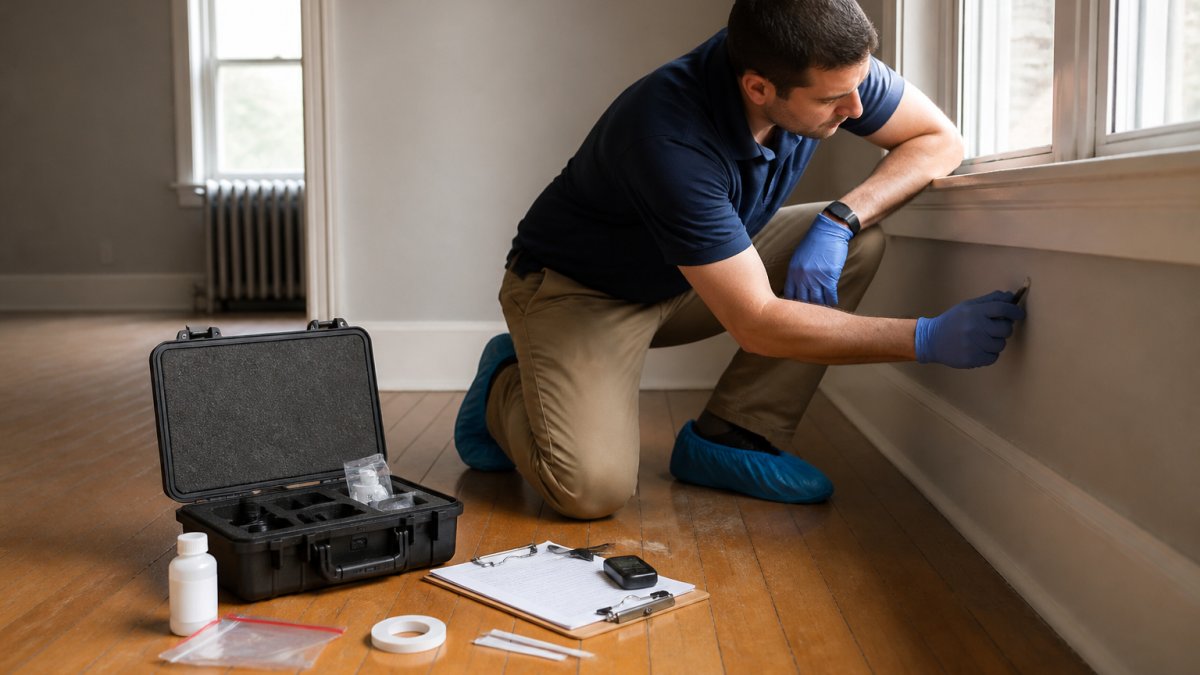
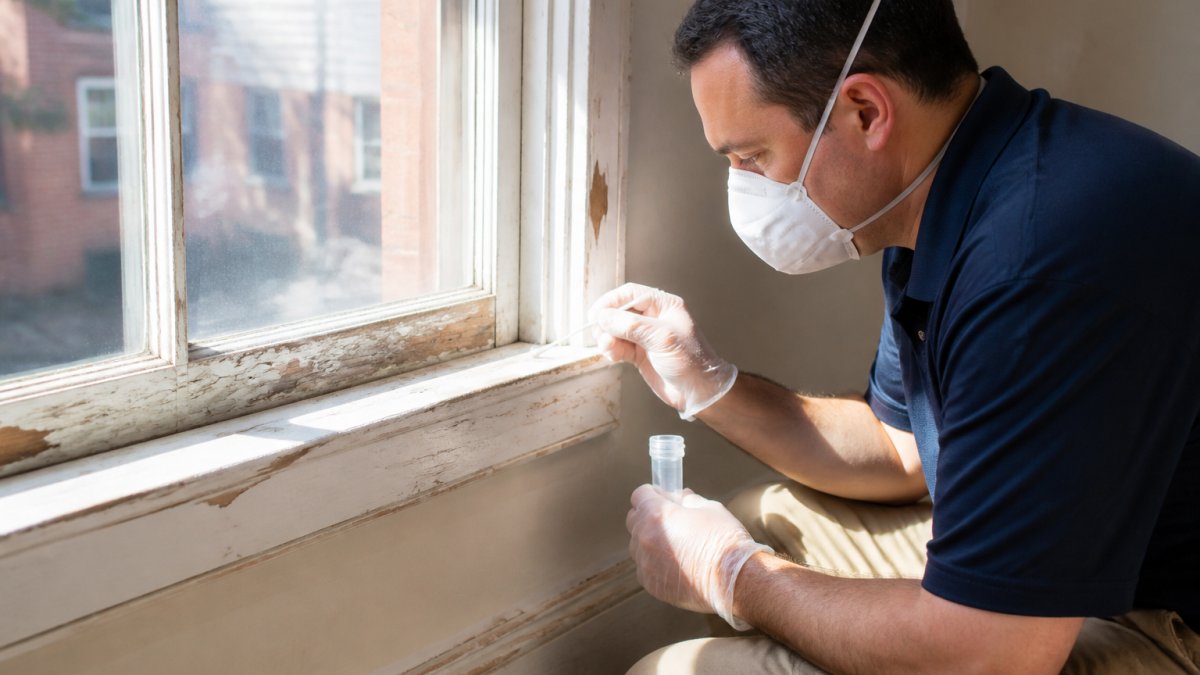
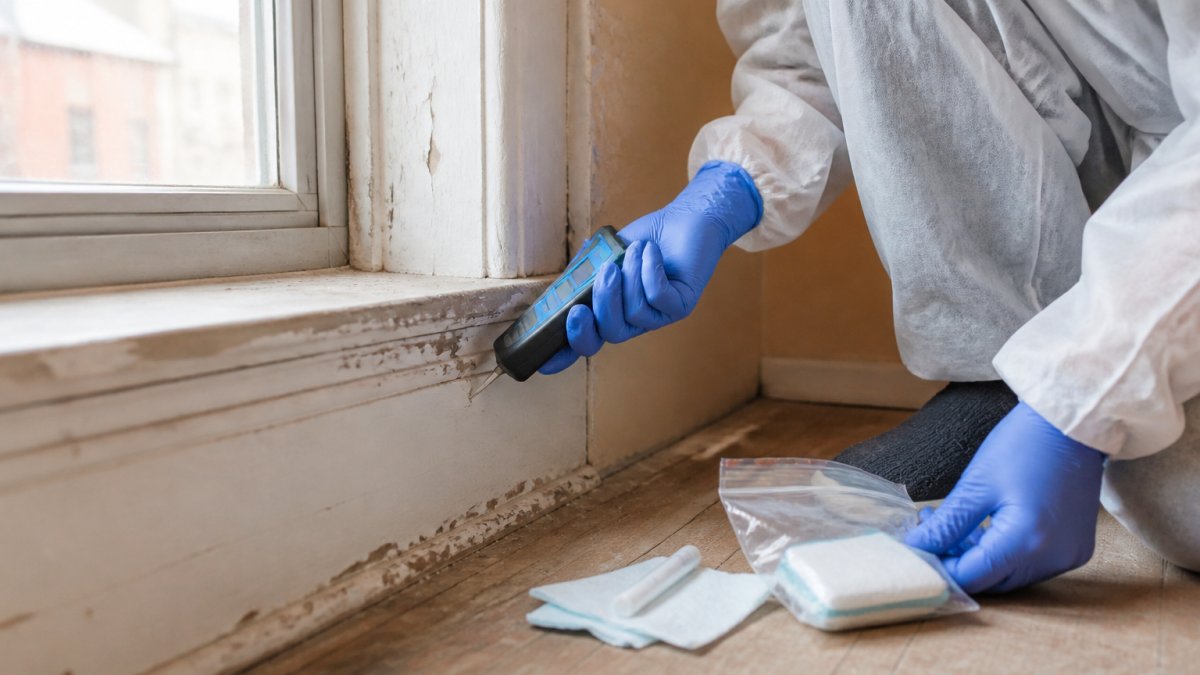
Lead dust testing in Philadelphia measures the amount of lead in dust on surfaces where children and tenants actually come into contact: floors, windowsills, and window wells. A certified inspector collects wipe samples from those surfaces, sends them to an accredited lab, and compares results to federal clearance thresholds.
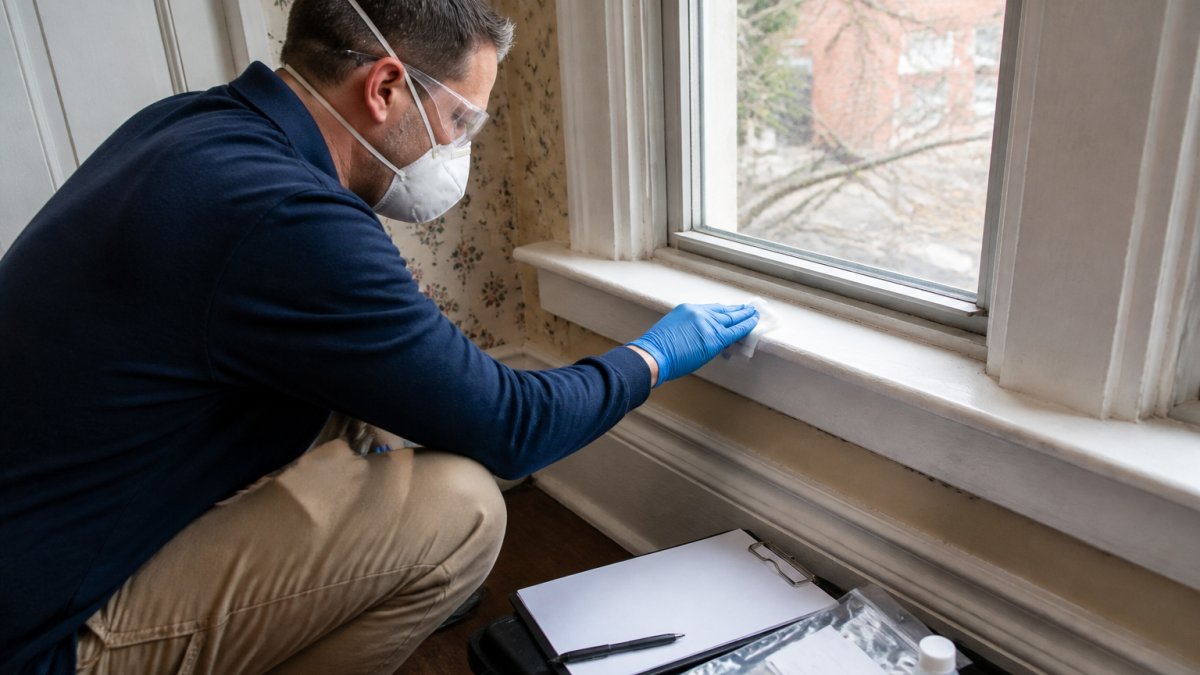
The process is deliberately unglamorous. The inspector wipes a defined area, seals the sample, and logs the location. Lab analysis is what determines pass or fail.
What Happens If Your Property Fails the Dust Wipe Test
A failed dust wipe is not a dead end, but it does stop the clock. The property needs the identified hazard addressed, then retested to confirm clearance. The failure usually points to a specific surface, a deteriorating windowsill, a friction point on a door, or settled dust in a window well, rather than the whole property.
Lead Safe Certification Philadelphia: Step-by-Step Landlord Compliance Workflow
Lead-safe certification in Philadelphia follows a predictable sequence, but the details inside each step are where landlords either sail through renewal or get stuck. Here is the workflow we walk landlords through, with the operational specifics that most summaries leave out.
- Confirm your property is covered. Check the construction date and any exemption that might apply. Pre-1978 housing is the default trigger. A property built in 1977 but renovated in 1990 may still have lead paint under newer layers, so do not treat a post-1977 renovation as automatic clearance.
- Identify the correct certification path. Most pre-1978 rentals pursue a Lead-Safe Certificate. Lead-Free status requires documented absence of lead-based paint, which is rare outside post-1977 construction or full abatement.
- Schedule the lead inspection. Choose a certified inspector and confirm the scope explicitly covers dust wipe sampling of floors, windowsills, and window wells. A visual-only walkthrough does not produce a certifiable result.
- Prepare the unit before the visit. Wet-clean high-contact surfaces and address visible paint deterioration. Do not dry sweep or dry vacuum, both spread dust and can cause avoidable failures.
- Complete the inspection. The inspector collects wipe samples from defined areas, seals each sample, and logs the location. Lab analysis, not the on-site visit, determines pass or fail.
- Wait for lab results. Turnaround varies by provider. Our own at 99leadsafe.com runs two to seven business days, with expedited service when a lease signing is close.
- Address any failures and retest. A failed wipe usually points to a specific surface, a deteriorating windowsill, a friction point on a door, or settled dust in a window well, rather than the whole property. Remediate the identified hazard, then retest to confirm clearance.
- Obtain and retain your certificate. Keep the certificate and the underlying inspection report on file. Retain them for the life of the tenancy and through any ownership transition; a new owner inherits the compliance obligation.
- Deliver the certificate to tenants. Provide it at lease execution and to each new tenant at move-in. Certification without disclosure does not satisfy the law.
- Re-test on the triggers that reset the clock. Change of occupancy, a new child under age six moving in, completed remediation, or the city's renewal schedule can each require a fresh certification. Build these triggers into your leasing calendar so they never surface as an emergency.
Timing: When to Test Relative to the Lease
The most common operational mistake is testing too late. If a unit is vacant and you are marketing it, test before you sign, a failed wipe with a tenant already committed forces you into remediation under time pressure. If a unit is occupied, schedule around the tenant and confirm the inspector's scope covers the surfaces tenants actually touch.
Records to Retain
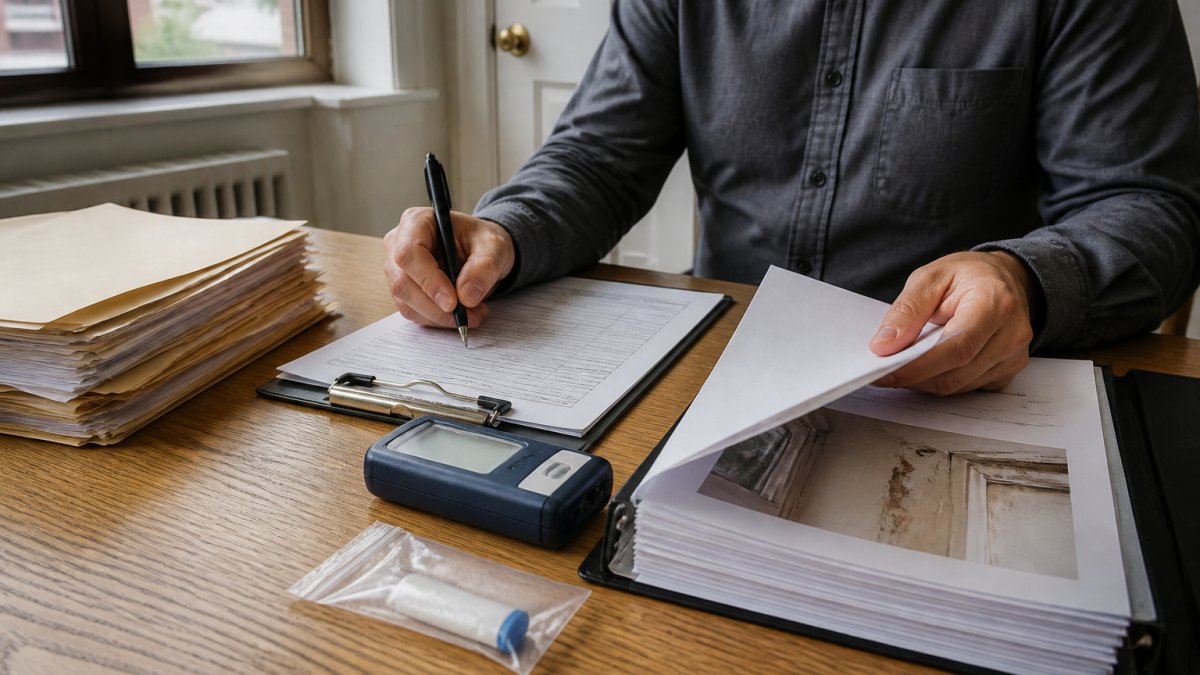
Keep the certificate, the inspection report, the lab results, and proof of delivery to tenants. If the city asks for documentation at rental license renewal, you want a single file that answers the question without a scramble. Landlords who treat certification as a one-time event rather than an ongoing record-keeping duty are the ones who get caught at the worst moment.
Lead Inspection Norristown PA and Greater Philadelphia: Local Differences to Know
Lead inspection in Norristown PA and the surrounding municipalities follows the same federal framework but can differ in local enforcement, filing, and timing.
For investors with a portfolio spread across the region, the practical takeaway is to map each property to its jurisdiction and confirm the local requirement before assuming compliance. This is also where we see landlords ask whether we can handle multiple units at once.
Penalties, Enforcement, and Tenant Disclosure Requirements
Penalties for non-compliance run primarily through the rental license, not through a standalone lead inspection program. That distinction matters: the city does not typically send a lead inspector door-to-door. Enforcement surfaces when a landlord applies for or renews a rental license, when a tenant files a complaint, or when a property changes hands.
How Enforcement Actually Reaches a Landlord
- Rental license denial or non-renewal. A landlord who cannot produce a current certificate can be blocked from obtaining or renewing the rental license that authorizes the unit to be rented at all.
- Fines and code enforcement. The Department of Licenses and Inspections can issue violations and fines for failure to certify or failure to disclose.
- Civil liability. If a tenant or child is harmed by lead exposure, the landlord can face civil claims. This is the exposure that carries the largest financial risk and the one most landlords underestimate.
Tenant Disclosure: What Must Be Delivered, and When
Federal disclosure rules for pre-1978 housing require landlords to disclose known lead-based paint and lead-based paint hazards and to provide the EPA pamphlet to tenants.
Deliver the certificate at lease execution and to each new tenant at move-in. Keep proof of delivery, a signed acknowledgment or a dated record, because the burden of showing you disclosed falls on you, not the tenant.
Tenant-Facing Guidance and Health Response
Tenants have a role here too, and landlords who understand it handle disputes better. A tenant who suspects a lead hazard can request testing through the city's health department, and a child under age six is the population most at risk, which is why the certification and disclosure duties are strictest around units where young children live.
HUD's lead-based paint disclosure requirements and the CDC's guidance on childhood lead exposure both matter here, because the health stakes are why the law exists.
Frequently Asked Questions
Do all rental properties in Philadelphia require a lead-safe certificate?
Not all, but most do. Philadelphia's lead certification law applies to rental properties built before 1978, which covers the vast majority of the city's housing stock. Properties built in 1978 or later are generally exempt because lead-based paint was banned that year. Some additional exemptions exist for certain property types, but landlords of pre-1978 units should assume they need certification unless they can confirm a specific exemption applies to their situation.
What is the difference between a lead-safe and lead-free certification?
A lead-safe certificate means the property has no lead-based paint hazards present, such as deteriorating paint, dust, or soil contamination, even if lead paint is still intact somewhere. A lead-free certificate is stricter: it confirms the property contains no lead-based paint at all. Lead-free certification typically requires more extensive testing, while lead-safe certification is the standard most landlords pursue for rental compliance.
What happens if a landlord fails to provide a lead-safe certificate to tenants?
Failing to provide a required lead-safe certificate can result in enforcement action from the city, including fines and potential inability to rent the property legally. Tenants may also have legal remedies. The certificate must be delivered to tenants at lease signing or before they move in. Keeping documentation of delivery is important in case the city requests proof of compliance during an audit or complaint investigation.
How often must a rental property be re-certified for lead safety?
Certification requirements depend on the property's condition and the type of certificate obtained. Lead-safe certificates generally need renewal when a new tenant moves in or when the certificate expires, whichever comes first. If a property has been certified lead-free, that status may last longer. Landlords should track expiration dates and schedule re-inspection before a new lease is signed to avoid gaps in compliance.
Are there specific lead testing requirements for properties built before 1978?
Yes. Pre-1978 rental properties in Philadelphia must undergo lead dust wipe testing by a certified inspector before certification can be issued. The testing checks for lead dust on surfaces like floors, windowsills, and window troughs. If dust levels exceed EPA thresholds, the landlord must address the hazard and have the property retested before a certificate can be issued.
How long does it take to get lead inspection results and a certificate?
Turnaround time varies by provider, but many inspections produce lab results within a few business days. After the inspection, samples are sent to an EPA-approved lab for analysis. Once results confirm the property meets lead-safe standards, the certificate is issued. Landlords with upcoming lease signings should schedule inspections well in advance to avoid delays in getting documentation to new tenants.