 how-to
How Long Does a Lead Inspection Take? Rental Guide
Table of Contents
- How Long a Lead Inspection Actually Takes, Start to Finish
- What Happens During a Lead Inspection
- Lead Inspection Preparation for Landlords and Tenants
- What Can Delay or Extend an Inspection
- Lead Inspection Results Turnaround Time and Report Delivery
- Lead-Safe Certificate Requirements for Rental Properties
- Frequently Asked Questions
Last Updated: October 5, 2026
How Long a Lead Inspection Actually Takes, Start to Finish
Most rental property lead inspections take a few hours on site for a typical Philadelphia row home or apartment. The full process, from booking to certificate in hand, usually runs a few business days.
That gap surprises landlords. The inspector finishes in an afternoon. The paperwork takes longer.
A lead inspection is a surface-by-surface evaluation of a property to find lead-based paint and lead dust hazards. It is not the same as a risk assessment, and it is not a quick visual walkthrough. The clock starts when the inspector arrives and stops when a certified report reaches your inbox.
This guide from 99leadsafe.com breaks down each stage: on-site time, lab analysis, and report delivery. Below, we show you exactly where the hours go, what slows an inspection down, and how to prepare so yours runs on the fast end of the range.
What Happens During a Lead Inspection
A lead inspection has two working parts: a visual and surface check of painted areas, then dust wipe sampling sent to a lab. Each part takes time, and the second one depends on how many samples your property needs.
The inspector documents conditions first. Then they test surfaces and collect dust wipes. Then the samples leave the property.
Visual Inspection and Surface Testing
The inspector walks every room and checks painted surfaces: walls, windows, doors, trim, and stairs. They look for deteriorating paint, chipping, and friction points where paint wears down.
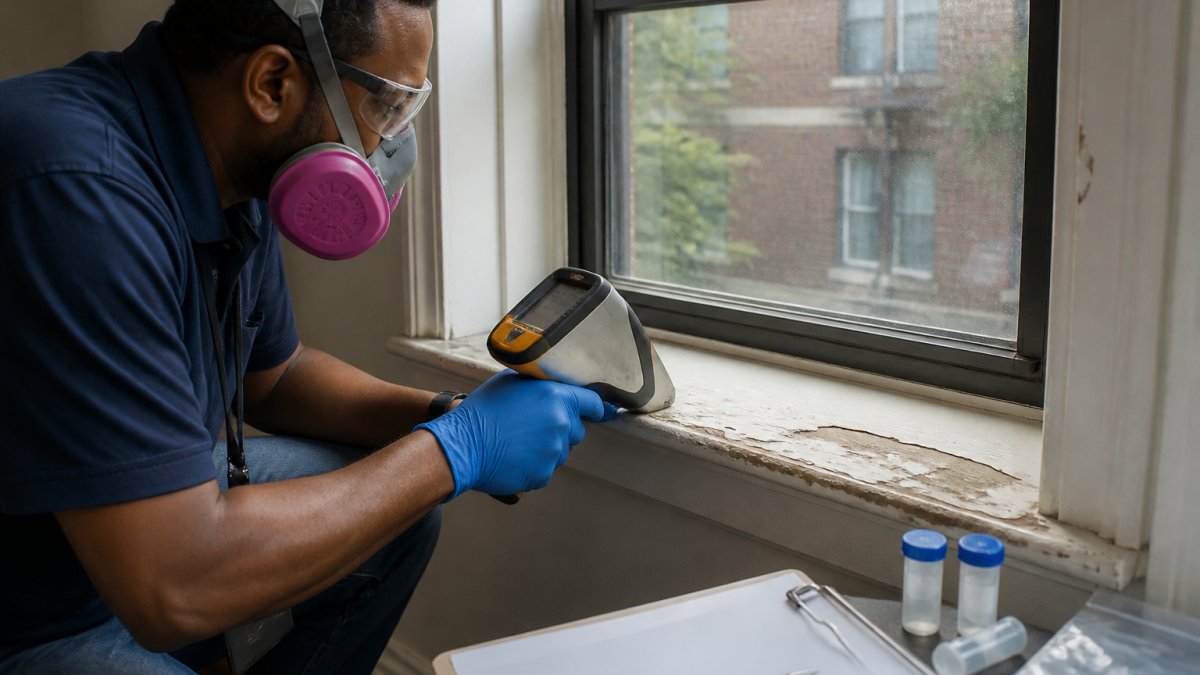
Testing methods vary. Many inspectors use an XRF analyzer, a handheld device that reads lead in paint without damaging the surface. Others collect paint chip samples for lab work. XRF testing is faster because results appear on the spot.
Access matters here. A locked basement, a tenant who is not home, or furniture pushed against walls all add minutes. Multiply that across eight units and the hours add up.
Lead Dust Wipe Testing: Sampling and On-Site Time
Dust wipe sampling is the part most landlords underestimate. Lead dust is the main exposure risk, especially for children, so this step matters more than the paint check.
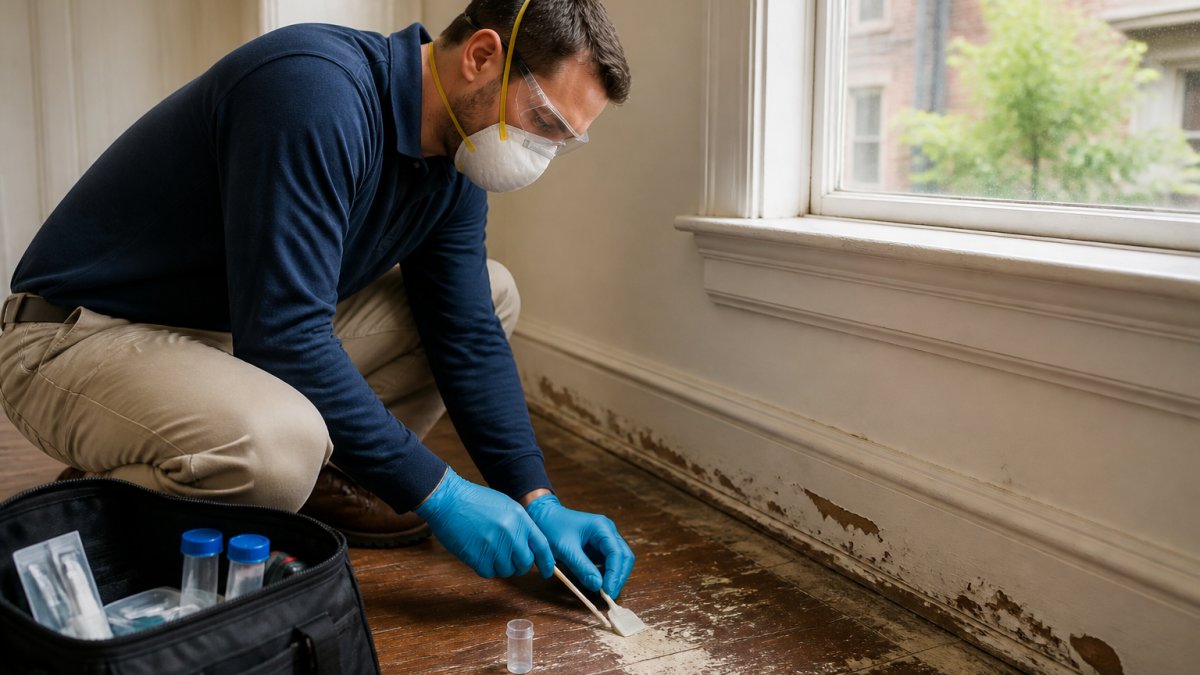
The inspector wipes specific surfaces: window sills, window troughs, floors, and sometimes stairs. Each wipe goes into a sealed tube with a label. One sample per surface, per room.
A single-family home might need a handful of wipes. A multifamily building with several apartments can need dozens. More samples means more time on site and more lab work afterward.
Lead Inspection Preparation for Landlords and Tenants
Preparation is the single biggest lever you control. A ready property can cut an hour off the visit. A cluttered one can add two.
Give tenants clear notice before the visit. Ask them to clear window sills, move furniture away from walls, and unlock every room the inspector needs. Confirm access to basements, crawl spaces, and utility closets.
A short checklist helps:
- Notify all tenants in writing at least 48 hours ahead
- Clear window sills and troughs of plants, blinds, and clutter
- Pull furniture at least two feet from painted walls
- Unlock basements, storage rooms, and utility closets
- Confirm someone can let the inspector in, or arrange key access
- Note any rooms under repair or recently painted
What Can Delay or Extend an Inspection
Several things stretch the clock, and almost all of them are avoidable. The most common delay is access. If the inspector cannot get into a unit, the visit stalls or gets rescheduled.
Other common extenders:
- Property size and layout. More rooms and more floors mean more surfaces and more samples.
- Occupied units. Furniture, belongings, and tenants coming and going slow the walkthrough.
- Deteriorated paint. Crumbling surfaces may need closer inspection and extra documentation.
- Renovation work. Recent painting or repairs can hide or complicate surface conditions.
- Sample count. Every additional wipe adds collection time and lab cost.
A multifamily building with eight occupied units will not finish in the same window as an empty single-family home. Plan the day around the larger number.
Lead Inspection Results Turnaround Time and Report Delivery
Lab analysis drives the total turnaround. Dust wipes must be processed by an accredited lab, and that step usually takes a few business days. Once results come back, the inspector compiles the report: sample locations, readings, and a clear pass or fail for each surface.
So the timeline splits cleanly:
| Stage | Typical Duration | What Happens |
|---|---|---|
| On-site inspection | 2-4 hours | Visual check, XRF or paint testing, dust wipes |
| Lab analysis | 2-7 business days | Accredited lab processes dust wipe samples |
| Report and certificate | 1-2 business days after lab | Results compiled, certificate issued |
Expedited service can shorten the middle stage when you are up against a deadline. If you have a lease signing or license renewal coming, say so when you book.
How to Read Your Results
Reports use three basic outcomes, and each one points to a different next step:
- Negative (below clearance). No lead dust hazard detected at the sampled locations. You can move forward with certification and, if required, renew your rental license.
- Positive (above clearance). One or more surfaces exceeded the clearance standard. The unit is not cleared until the hazard is corrected and retested.
- Inconclusive or insufficient samples. A surface was inaccessible, a sample was compromised, or the lab flagged a result. The inspector typically returns to resample before issuing a certificate.
Read the report surface by surface, not as a single pass/fail. A unit can clear in the kitchen and fail at a window trough in a bedroom. That detail tells you exactly where to focus remediation.
What to Do While You Wait for Results
Do not treat the wait as a green light. Until a certificate is in hand, the unit is not cleared:
- Hold off on signing a new lease or moving tenants into the unit.
- If the unit is occupied, keep children away from window sills, troughs, and floors near friction surfaces like doors and windows.
- Damp-wipe sills and floors and wash hands frequently as an interim precaution.
- Do not dry-scrape, sand, or power-wash painted surfaces, that spreads lead dust.
- Note any repairs or repainting done after the inspection; they can change results and may require retesting.
From Results to Next Steps
If the report is clean, keep the certificate with your rental license records and note the next testing window. If it fails, the path is remediation, then retesting, fix the hazard, then re-inspect to clear it. Common fixes include repairing deteriorated paint, addressing friction surfaces at windows and doors, and thorough cleaning of dust on sills, troughs, and floors.
99leadsafe.com handles inspections for single units and full multifamily buildings across the Greater Philadelphia area. We use EPA-approved lab analysis, deliver results in two to seven business days, and provide the documentation you need for compliance. Expedited service is available when a deadline is close.
Lead-Safe Certificate Requirements for Rental Properties
A Lead-Safe Certificate confirms a rental unit has been tested and meets lead safety standards. For many landlords, it is the document that keeps a rental license in good standing.
Who Needs One
The trigger is property age. Pre-1978 buildings carry the heaviest obligations because lead-based paint was common before the federal ban on residential lead paint. In Philadelphia, rental properties built before 1978 generally must show lead-safe status as part of rental license compliance, and Norristown landlords follow the same age-based logic under state and local rules. Confirm current requirements with the city before you renew, because thresholds and deadlines can change.
Types of Certification
Landlords often confuse two documents:
- Lead-Safe Certification. Based on dust wipe testing and a visual check for deteriorated paint. This is the faster, lower-cost path and the one most rental units use.
- Lead-Free Certification. Requires a full inspection showing no lead-based paint on any surface. Harder to obtain in older housing stock and usually unnecessary for routine rental compliance.
If your goal is to keep a rental license active, lead-safe certification is typically the route.
How to Pass a Lead-Safe Inspection
Passing is mostly about preparation and condition, not luck:
- Repair deteriorated paint before the visit, peeling, chipping, and crumbling surfaces are the most common failure points.
- Address friction surfaces at windows and doors, where paint wears and generates dust.
- Clean window sills, troughs, and floors so dust wipe samples are not contaminated by household debris.
- Provide full access to every room, basement, and utility area the inspector needs.
- Fix any known hazards before retesting rather than after.
If You Fail
The path forward is remediation, then retesting. Fix the hazard, then re-inspect to clear it. Common fixes include repairing and repainting deteriorated surfaces, correcting friction points, and thorough cleaning of dust on sills, troughs, and floors. Once the unit clears, the certificate is issued and you can proceed with license renewal.
99leadsafe.com handles inspections for single units and full multifamily buildings across the Greater Philadelphia area. We use EPA-approved lab analysis, deliver results in two to seven business days, and provide the documentation you need for compliance. Expedited service is available when a deadline is close.
Frequently Asked Questions
How long does a lead inspection take for a rental property?
For a typical single rental unit, the on-site portion of a lead inspection usually runs one to two hours. A whole single-family home with more rooms and painted surfaces can take two to four hours, and a multifamily building takes longer because every unit is sampled separately. Add lab analysis and report preparation on top of that, since those happen after the inspector leaves the property.
How long does lead dust wipe testing take?
Lead dust wipe testing itself is quick once the inspector is on site. Each wipe sample takes a few minutes to collect, and a standard unit may need several samples from floors, windowsills, and window wells. The longer part is laboratory analysis, which typically takes a few business days. The inspector's on-site time for dust wipe testing usually adds under an hour to the visit.
When do landlords need lead testing for a rental property?
Landlords generally need lead testing before obtaining or renewing a rental license for properties built before 1978, and again after certain renovation or repair work disturbs painted surfaces. Certification typically covers a set period before it must be renewed. Requirements vary by municipality, so confirm the current rules with your local licensing office and schedule testing early enough to avoid a lapse in your rental license.
What happens if a rental property does not pass a lead inspection?
If a property fails, the report identifies the specific surfaces or dust levels that exceeded limits. The landlord then addresses the lead hazard, often through cleaning, repair, or stabilization rather than full abatement, and schedules a retest. Retesting usually focuses on the failed areas, so it takes less time than the original inspection. Budget both the remediation work and the retest before your license renewal deadline.
Deadlines do not wait, and neither should your compliance. If you are staring down a lease signing or a rental license renewal, book your inspection early and build in the lab window. 99leadsafe.com offers a $99 lead-safe inspection with EPA-approved lab analysis, results in two to seven business days, and clear filing instructions so you know exactly what to submit. Get started with 99leadsafe.com and keep your rental properties compliant and your tenants safe.