 blog
blog
Lead Safe Certified Contractors: How to Verify Credentials
Table of Contents
- Why Lead Safe Certified Contractors Matter for Pre-1978 Properties
- EPA RRP Rule Requirements: What Contractors Must Follow
- Lead-Safe Certification Verification: A Step-by-Step Guide
- Lead Paint Inspection Services vs. Lead Abatement: What's the Difference?
- Cost Factors for Lead-Safe Projects and What Drives Pricing
- Insurance, Liability, and Compliance Documentation for Property Owners
- Homeowner Checklist Before Hiring Lead Safe Certified Contractors
- Conclusion
- Frequently Asked Questions
Last Updated: September 25, 2026
Why Lead Safe Certified Contractors Matter for Pre-1978 Properties
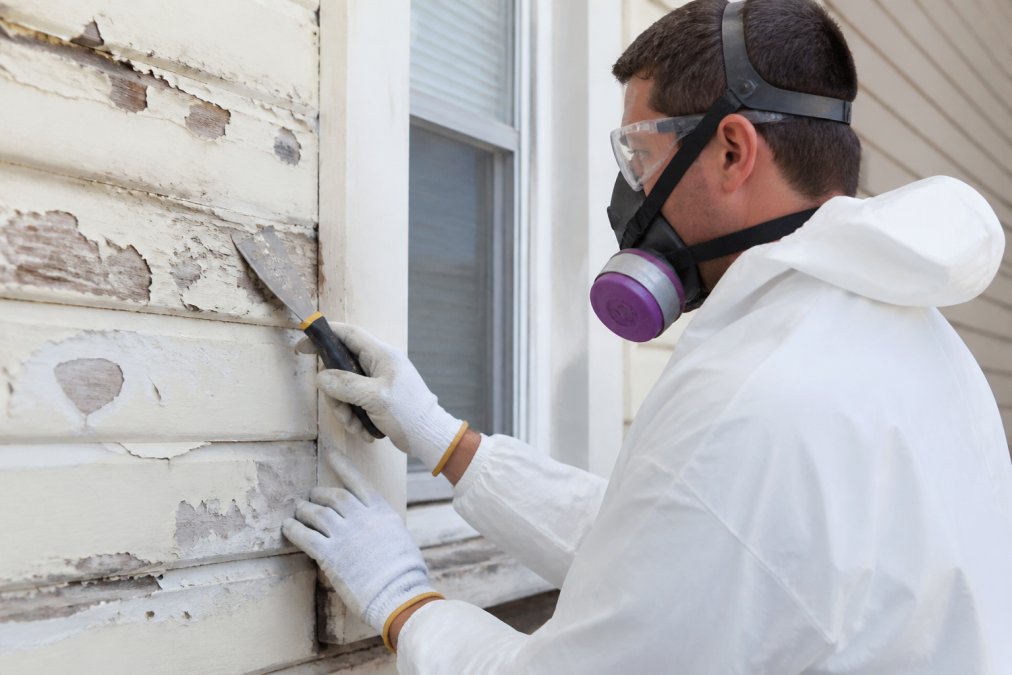
Lead Safe Certified Contractors are professionals trained and certified to handle renovation work in homes built before 1978 without spreading toxic lead dust. 99leadsafe.com works with property owners across the Greater Philadelphia area who need this protection for their rentals and child-care facilities.
The reason is simple. Any home or rental unit built before 1978 likely contains lead-based paint somewhere, and disturbing it during a renovation releases dust that is dangerous when inhaled or ingested. Children under six face the greatest risk because their developing nervous systems absorb lead more readily than adults. This is why the federal government treats renovation and repair work in pre-1978 housing as a regulated activity, not a casual fix-up.
For landlords and property managers, the stakes are legal as well as medical. Federal law requires that anyone paid to renovate, repair, or paint a pre-1978 property be certified, and the penalties for hiring an uncertified crew fall on the property owner, not just the contractor.
[EPA's lead(https://www.99leadsafe.com/blog?post=epa-lead-dust-hazard-standards-rental-units) renovation, repair and painting program overview | epa.gov]
EPA RRP Rule Requirements: What Contractors Must Follow
The RRP rule (Renovation, Repair and Painting Rule) is the federal regulation, issued under the Toxic Substances Control Act and enforced by the Environmental Protection Agency, that governs how paid work on pre-1978 housing and child-occupied facilities must be performed to prevent lead contamination. It took effect in 2010 and applies whenever renovation activities disturb painted surfaces above specific thresholds.
The rule is triggered when a paid renovation disturbs more than six square feet of interior painted surface per room or twenty square feet of exterior painted surface. Window replacement and demolition of painted components are treated as regulated activities regardless of square footage, because they generate lead dust and paint chips even in small quantities. Work that stays below those thresholds falls under the minor repair and maintenance exemption, but the exemption does not apply to window replacement or demolition.
Under the rule, a certified firm must:
- Assign at least one certified renovator to each job, and ensure that renovator is accessible for questions during the project
- Provide lead-safe work practices training to non-certified workers on site, delivered by the certified renovator
- Distribute the EPA's lead hazard pamphlet, Protect Your Family From Lead in Your Home, to occupants before work begins, and obtain a signed receipt
- Contain the work area with plastic sheeting, seal off HVAC vents and doorways, and post warning signs at entry points
- Prohibit practices that spread dust, including dry scraping, dry sanding, and the use of a heat gun above 1,100 degrees Fahrenheit
- Clean using HEPA vacuum and wet-wiping methods, then perform post-work cleaning verification
- Keep compliance documentation on file for three years from completion
Two certification categories matter here. A certified firm holds the EPA firm certification and is legally responsible for the job. A certified renovator is an individual who completed the EPA-accredited training course and passed the exam; that person must be on site at setup and at cleanup, and available by phone during the work. A firm cannot legally perform regulated work without at least one certified renovator assigned.
One common misconception: the opt-out provision that once allowed homeowners to waive lead-safe practices if no children under six lived in the home was removed in 2010 (the EPA). There is no opt-out today. If the work is regulated, the practices apply regardless of who lives there.
If a contractor cannot produce the firm certification, the renovator certificate, and the signed pamphlet receipt, they are not operating within federal safety standards, and you should not hire them.
EPA's lead renovation, repair and painting program overview
Lead-Safe Certification Verification: A Step-by-Step Guide
Verifying a contractor's certification takes about ten minutes and can save you thousands in fines. The steps below walk through exactly what to check.
How to Check EPA Firm Certification
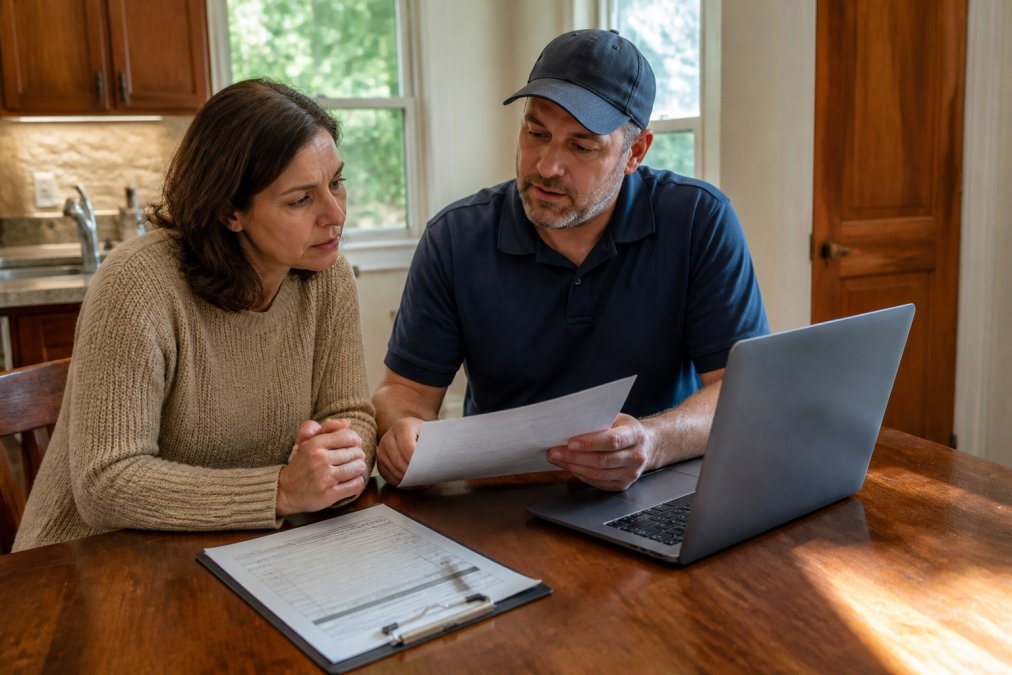
Start by asking for the firm's EPA certification number. Then verify it independently rather than trusting a photocopy. The Environmental Protection Agency maintains a searchable database of certified firms, and you can look up any firm by name, state, or certification number.
Confirm three things: that the firm is certified, that the certification is current, and that the certification covers the type of work you need.
What Documentation to Request Before Hiring
Before signing anything, request these documents in writing:
- A copy of the firm's EPA certification
- The certified renovator's training certificate
- A sample of the lead hazard pamphlet they distribute
- Their written lead-safe work practices plan for your project
- Proof of liability insurance
A common mistake is accepting a verbal assurance that "we're certified." Ask for the paper. A legitimate firm will have it ready.
Lead Paint Inspection Services vs. Lead Abatement: What's the Difference?
These two services solve different problems, and confusing them leads to paying for the wrong thing. The distinction also determines which certification the professional must hold, which affects both cost and timeline.
Cost Factors for Lead-Safe Projects and What Drives Pricing
Pricing for lead-safe work varies widely, and anyone quoting a flat number before seeing your property is guessing. What drives the cost is the scope of disturbance, the number of surfaces involved, and whether dust sampling or lab analysis is required.
The factors that move the number most:
- Square footage of painted surface being disturbed
- Whether containment is simple (one room) or complex (whole-floor)
- Number of dust wipe samples needed for clearance
- Whether the work is renovation or full abatement
- Turnaround time, since expedited scheduling costs more
Insurance, Liability, and Compliance Documentation for Property Owners
Insurance and liability are where the paperwork gets serious. If an uncertified crew contaminates a tenant's unit, the property owner can be held responsible for relocation, medical evaluation, and cleanup costs. Standard landlord policies often exclude pollution and contamination claims, which means the bill may come straight out of pocket.
Keep these records on file for every pre-1978 project:
- The contractor's current EPA certification
- The certified renovator's credentials
- The signed receipt showing the lead hazard pamphlet was delivered
- Post-work cleaning verification results
- Any lead dust sampling or lab reports
Homeowner Checklist Before Hiring Lead Safe Certified Contractors
Use this checklist before you sign a contract or let anyone start work.
- Confirm the property was built before 1978
- Verify the firm's EPA certification through the official database
- Confirm the certification is current and covers your work type
- Request the certified renovator's training certificate
- Ask for proof of liability insurance
- Get the lead-safe work practices plan in writing
- Confirm how post-work cleaning verification will be handled
- Ask who performs the lead dust sampling and lab analysis
- Confirm the timeline for receiving compliance documentation
- Keep copies of everything in your property file
| Item to Verify | Where to Check | Why It Matters |
|---|---|---|
| Firm certification | EPA database | Confirms legal right to work |
| Renovator training | Certificate copy | Ensures on-site supervision |
| Liability insurance | Insurance certificate | Covers contamination claims |
| Work practices plan | Written document | Defines containment methods |
| Dust sampling results | Lab report | Proves clearance passed |
Conclusion
The hardest part of lead-safe compliance is not the work itself. It is proving, months or years later, that the work was done correctly and by certified hands. That proof lives in your documentation, and it starts with choosing a provider whose testing and reporting you can rely on.
Frequently Asked Questions
How do I verify if a contractor is lead-safe certified?
Ask for their EPA firm certification number and individual renovator certification. Then verify directly through the EPA's online database or call the EPA regional office. Reputable lead safe certified contractors will provide this without hesitation. Check that the certification covers the specific type of work you need, whether that's renovation, repair, or abatement. Certification must be current, not expired. Request a copy of their lead-safe work practices training certificate as well.
What is the difference between lead abatement and lead-safe renovation?
Lead abatement permanently removes lead-based paint or contaminated dust from a property. Lead-safe renovation, governed by the EPA RRP rule, uses containment procedures and lead-safe work practices to minimize dust spread during repairs without fully eliminating the hazard. Abatement requires specialized contractors with additional certification. Renovation and repair work in pre-1978 housing triggers RRP requirements for any firm disturbing more than six square feet of painted surface. Your choice depends on whether you need permanent removal or interim control.
Does insurance cover lead paint removal?
Standard homeowner's insurance typically excludes lead paint removal and abatement costs. Some policies may cover remediation if lead poisoning resulted from a covered peril, but this is rare. Landlords should check their liability coverage carefully, since lead poisoning claims can be expensive. Many property owners pay out of pocket for lead evaluation and hazard control. Discuss coverage with your insurance agent before starting any project. Documentation from lead paint inspection services can help support any future claims.
Which contractors in Pennsylvania are certified for lead abatement?
Pennsylvania-certified lead abatement contractors hold specific state credentials beyond the federal EPA certification. The Pennsylvania Department of Labor and Industry maintains a list of certified abatement firms. You can also search the EPA's database for RRP-certified firms in your area. For abatement work, verify both state and federal certifications. For renovation projects disturbing lead paint, EPA RRP certification is the minimum requirement. Always confirm credentials are current before signing any contract.