 blog
blog
Alternatives to DIY Lead Test Kits for Rentals
Table of Contents
- Why DIY Lead Test Kits Fall Short for Rental Compliance
- False Negatives and False Positives: What the Data Shows
- Lead Safe Certification Philadelphia: What Landlords Actually Need
- Lead Dust Testing Philadelphia: The Gold Standard for Rental Properties
- Philadelphia Rental Lead Inspection: How the Process Works
- Professional Alternatives to DIY Kits: XRF, Lab Analysis, and Certified Inspectors
- Cost-Benefit Analysis: DIY Kits vs. Professional Testing
- What to Do If Your Property Tests Positive for Lead
- Frequently Asked Questions
Last Updated: September 29, 2026
Why DIY Lead Test Kits Fall Short for Rental Compliance
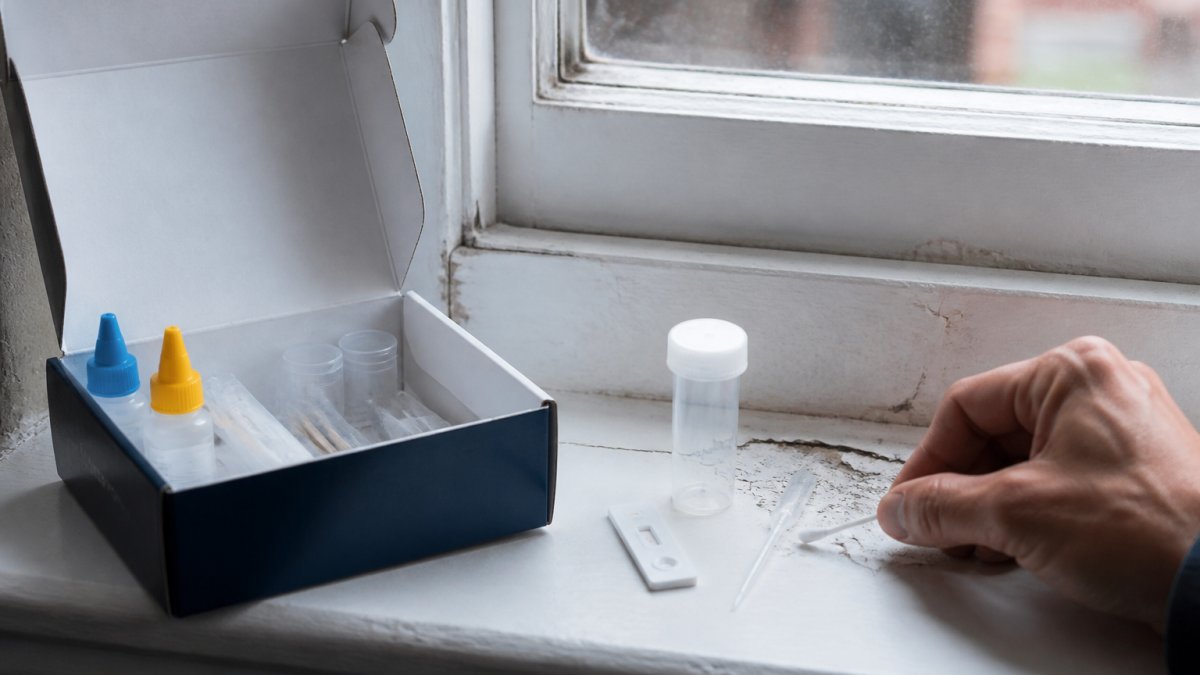
DIY lead test kits are colorimetric swabs that change color when they contact lead on a painted surface, and they are not accepted as proof of compliance for Philadelphia rental licenses. At 99leadsafe.com, we get calls every week from landlords who tested a windowsill themselves, watched the swab stay white, and assumed the property was cleared. It isn't.
False Negatives and False Positives: What the Data Shows
DIY swabs fail in both directions, and both are expensive. A false negative happens when the kit says "no lead" on a surface that contains it. A false positive is the reverse: the swab reacts to a surface that is actually clean. Neither result is reliable enough to file with a regulator.
Three problems explain most failures:
- Detection sensitivity. Consumer swabs typically respond only above a relatively high concentration threshold, so low-level lead in dust or a thin paint layer can slip past.
- Surface interference. The chemical reaction behind a colorimetric test can be thrown off by dark paint, sealants, or a dirty surface, producing a misleading color change.
- Wrong target. Swabs test paint. Philadelphia's rental requirements hinge heavily on lead dust, which requires dust wipe sampling sent to an accredited laboratory.
Legal Standing: Are DIY Results Accepted by the City?
No. Philadelphia's rental license process requires a Lead-Safe Certificate or Lead-Free Certificate issued through a recognized inspection or laboratory analysis pathway. A colorimetric swab from a retail kit carries no chain of custody, no laboratory accreditation, and no certifying signature, so it cannot generate that certificate.
Lead Safe Certification Philadelphia: What Landlords Actually Need
A Lead Safe Certification Philadelphia landlords can file is a formal document stating that a certified inspector tested the property and found lead dust levels below the regulatory threshold. It is issued after dust wipe samples are collected and analyzed by an accredited laboratory, not after a visual check.
Here's what the certificate package typically includes:
- Sample locations and collection dates
- Laboratory results for each dust wipe
- The certifying inspector's credentials
- A clear lead-safe or lead-hazard determination
Lead Dust Testing Philadelphia: The Gold Standard for Rental Properties
Lead dust testing Philadelphia landlords should prioritize measures the hazard that actually poisons children. Paint in good condition is a lower risk. Paint that is chalking, chipping, or rubbing against a door frame releases dust, and dust is what gets ingested.
Dust wipe sampling works like this:
- A certified inspector selects testing locations, typically windowsills, floors, and window troughs.
- A clean wipe is run over a measured area of each surface.
- Each wipe goes into a sealed container with a chain-of-custody form.
- An accredited laboratory runs the analysis and reports the lead loading per surface.
Philadelphia Rental Lead Inspection: How the Process Works
A Philadelphia rental lead inspection follows a defined sequence, and knowing it removes most of the anxiety. The inspector arrives, documents the property, collects samples from high-risk surfaces, and ships them to the lab.
What You'll Need
- Access to every unit and common area
- Knowledge of any recent renovations
- Your prior certificate, if you have one
Step 1: Schedule and Prepare [Time: 15 minutes]
Clear access to windows, floors, and door frames. Move furniture away from tested surfaces so the inspector isn't working around obstacles.
Expected Result: A confirmed appointment with a defined scope.
Step 2: On-Site Sampling [Time: 30-90 minutes]
The inspector collects dust wipes and, where needed, paint chip samples. Multi-unit buildings can usually be handled in a single visit.
Expected Result: Sealed samples with a signed chain-of-custody form.
Step 3: Laboratory Analysis [Time: 2-7 business days]
Samples go to an accredited laboratory for analysis. Expedited turnaround is often available when a lease signing is close.
Expected Result: A lab report with lead loading for each sample location.
Step 4: Certification and Filing [Time: 1-2 days]
The inspector issues the certificate and tells you exactly what to file and where.
Expected Result: A certificate you can attach to your rental license paperwork.
Professional Alternatives to DIY Kits: XRF, Lab Analysis, and Certified Inspectors
Three professional methods replace DIY kits, and each answers a different question. Choosing between them comes down to what you need documented.
X-Ray Fluorescence (XRF) Testing
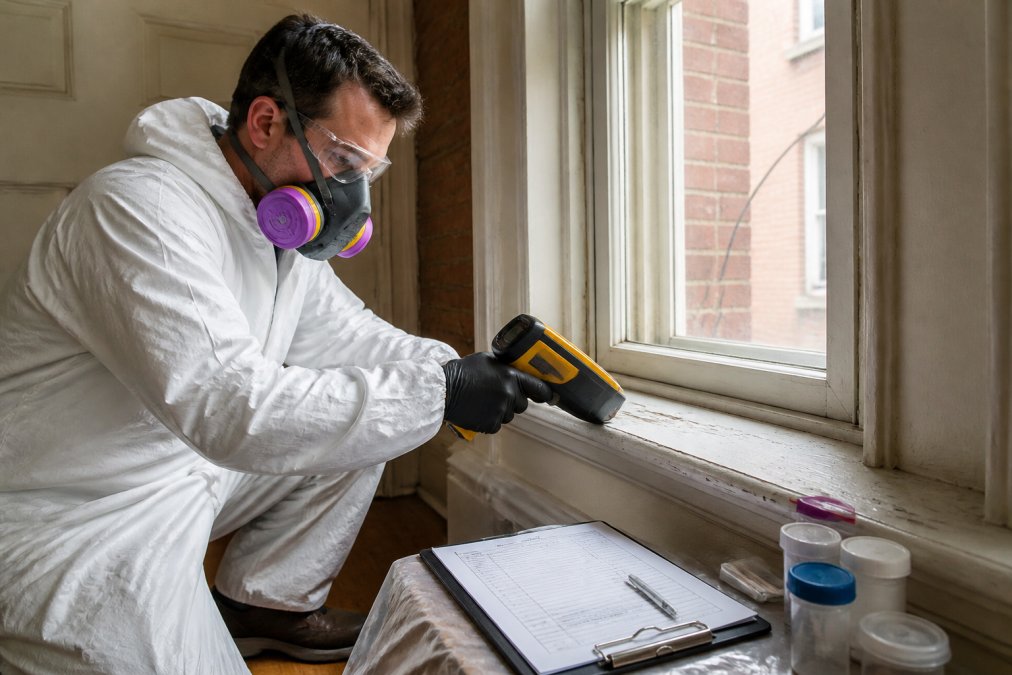
X-ray fluorescence is a handheld scanning method that reads lead concentration in paint without damaging the surface. The device emits radiation, the paint responds, and the analyzer reports a reading in seconds. It's fast and non-destructive, which makes it useful for large buildings with many surfaces. It measures paint, though, not dust, and it requires a trained operator.
Laboratory Paint Chip Analysis
Paint chip analysis means cutting a small sample of paint and sending it to an accredited laboratory for laboratory analysis. It's the most precise way to confirm what's in a specific layer of paint, including sub-surface testing under newer coats. The trade-off is that it damages the surface slightly and takes days, not minutes.
Certified Lead Dust Wipe Sampling
Certified lead dust wipe sampling is the method that maps directly to rental compliance. A certified inspector collects wipes from floors, sills, and troughs, and an accredited laboratory reports the lead loading. This is the pathway that produces a Lead-Safe Certificate.
| Method | What It Tests | Turnaround | Best For |
|---|---|---|---|
| DIY swab | Paint surface only | Minutes | Nothing compliance-related |
| XRF analyzer | Paint, non-destructive | Same day | Large multi-unit buildings |
| Paint chip analysis | Paint layers, precise | Several days | Confirming specific surfaces |
| Dust wipe sampling | Lead dust loading | 2-7 business days | Rental certification |
Cost-Benefit Analysis: DIY Kits vs. Professional Testing
Professional testing costs more up front, and it is still the cheaper option once you count what a failed compliance review costs. A DIY kit runs a few dollars at a hardware store. A professional inspection is a scheduled service with laboratory analysis behind it, and the price reflects the chain of custody, the accredited lab, and the certifying signature.
Here is the cost math most landlords never run:
- Documentation value. A DIY result has none for licensing. A professional report is the deliverable you actually need, so a DIY kit is a sunk cost the moment the city asks for a certificate.
- Retest risk. If a DIY result is challenged, you pay for professional testing anyway, plus the delay. You have now paid twice for one answer.
- Time cost. A rejected filing can push a lease signing or license renewal past its deadline. Lost rent for a single vacant week usually dwarfs the difference between a swab and a certified inspection.
- Liability. A missed lead hazard in a unit with young children is a serious legal exposure, and no hardware-store receipt will defend it.
What Actually Drives the Price of a Professional Inspection
Professional pricing is not a single number. It scales with four variables:
- Unit count. A single-family rental is one scope. A multi-unit building is priced per unit, and inspectors often discount the per-unit rate once you cross a threshold.
- Turnaround time. Standard lab turnaround is the baseline. Expedited analysis costs more because the lab is prioritizing your samples over the queue.
- Sample count. More windows, sills, and troughs means more wipes, more lab fees, and more time on site.
- Retest and clearance. If a unit fails, clearance testing after remediation is a separate charge. Ask about it before you schedule so the number does not surprise you.
The Three Cost Tiers Landlords Actually Choose Between
Most landlords end up in one of three buckets:
- DIY swab (lowest cost, zero compliance value). Fine for a curiosity check on your own home. Useless for a rental license file.
- Single-unit certified inspection (mid cost, full compliance). One unit, standard turnaround, certificate in hand. This is the tier most small landlords need.
- Portfolio inspection (volume cost, best per-unit rate). Multiple units scheduled in one block, which spreads the trip charge and often the lab fees across the whole portfolio.
Pricing for a professional inspection depends on unit count and turnaround time. 99leadsafe.com publishes its rates on its pricing page so you can compare before you book, and portfolio scheduling is available for landlords managing multiple units.
What to Do If Your Property Tests Positive for Lead
A positive result is a project, not a crisis, and the steps are well defined. The inspector's report tells you which surfaces or dust locations exceeded the threshold, and that list becomes your work order. What most guides leave out is the tenant side of the equation, which is where landlords get into trouble.
The Landlord-Tenant Layer Most Guides Skip
A positive lead result triggers obligations that go beyond fixing the paint:
- Disclosure. Federal law requires landlords to disclose known lead-based paint and lead hazards to tenants and buyers in pre-1978 housing, and to provide the EPA pamphlet on lead hazards. Once you have a lab report in hand, you have knowledge, and knowledge triggers disclosure.
- Notification. If a unit tests positive, the tenant needs to know which surfaces or dust locations are affected and what interim precautions to take, especially if a child under six lives there.
- Relocation and rent questions. If remediation makes a unit temporarily uninhabitable, the lease and local habitability rules govern whether the tenant stays, moves, or gets a rent adjustment. Get this in writing before work starts.
- Tenant requests for testing. Tenants can and do ask landlords for professional testing. A certified report is the cleanest way to answer that request and close the loop.
The Remediation Sequence
- Identify the source. Elevated dust usually traces back to deteriorating paint on a window, door frame, or sill.
- Stabilize the hazard. Wet-clean the affected surfaces and address the failing paint. Disturbing lead paint without proper containment spreads the hazard.
- Follow the renovation rules. Work that disturbs lead paint in pre-1978 housing falls under the EPA Renovation, Repair and Painting rule, which requires a certified renovator and specific containment practices.
- Retest after remediation. Clearance testing confirms the fix worked. Retesting fees depend on scope, so ask before you schedule.
- File the new certificate. Once clearance passes, the updated certificate goes into your license file, and the tenant notification record goes with it.
For landlords managing multiple units, 99leadsafe.com can handle an entire portfolio in one scheduling block, with results typically back in 2-7 business days and expedited options when a deadline is close.
Frequently Asked Questions
Are DIY lead test kits legally sufficient for rental property certification?
No. DIY lead test kits are not legally sufficient for rental property certification in Philadelphia. The city requires lead-safe certification based on professional testing, typically lead dust wipe sampling analyzed by an accredited laboratory. DIY kits lack the sensitivity and documentation needed to satisfy regulatory compliance. Landlords who rely on DIY results risk failed inspections, fines, and liability. Professional lead dust testing provides the certified documentation that holds up if the city questions your results.
What is the difference between XRF testing and DIY lead swabs?
DIY lead swabs rely on a chemical reaction that changes color when lead is present. Swabs only test the surface layer, often miss lead beneath newer paint, and produce false negatives. For rental compliance, lab-based dust wipe testing is the standard.
How do I obtain a Lead-Safe Certificate for my rental property?
To obtain a Lead-Safe Certificate in Philadelphia, you must hire a certified lead inspector to perform a lead dust wipe test. The inspector collects samples, submits them to an accredited laboratory, and provides a report. If lead levels are below EPA thresholds, you receive certification. The process typically takes 2-7 business days. Ensure your inspector is certified and familiar with Philadelphia rental lead laws. 99leadsafe.com offers this service with EPA-approved lab analysis.
What are the risks of relying on DIY lead tests for landlord compliance?
Relying on DIY lead tests exposes landlords to legal and financial risks. False negatives can lead to renting a property with lead hazards, triggering tenant lawsuits, fines, and mandated remediation. DIY results are not accepted by the city for certification, so you would still need professional testing. The cost of retesting and potential penalties far outweighs the savings. Professional lead dust testing ensures accuracy and provides the documentation needed for compliance.
The hard part of lead compliance isn't finding a test. It's finding documentation that holds up when the city asks for it. DIY kits can't produce that, no matter how carefully you use them. 99leadsafe.com handles the full path for landlords: certified dust wipe sampling, EPA-approved lab analysis, results in 2-7 business days, and a Lead-Safe Certificate with clear filing instructions. Get started with 99leadsafe.com and put a certificate in your license file instead of a swab in a drawer.