 how-to
How the Lead Safe Certification Renewal Process Works
Last Updated: October 26, 2026
Quick Summary
The lead safe certification renewal process requires a new lead dust wipe test at the property, a passing result from an EPA-approved lab, and a certificate issued off that fresh test. A renewal is a new test, not an extension, so you cannot renew by paying a fee or filing a form.
- The renewal clock starts on the test date, not the date you filed paperwork or your tenant moved in.
- Lab results typically take two to seven business days, with expedited service available near a deadline.
- Keep one documentation packet per rental unit, labeled by property address and test date.
- A property lead-safe certificate and an individual renovator credential are different documents; renewing one does not renew the other.
- If your certificate has expired, the fix is a full new dust wipe test and a new certificate.
Table of Contents
- Why the Renewal Deadline Catches Landlords Off Guard
- Philadelphia Lead-Safe Certificate Renewal Requirements
- Step 1: Confirm Your Current Certificate Status and Expiration Date
- Step 2: Schedule Lead Dust Wipe Testing for Rental Properties
- Step 3: Assemble Lead-Safe Inspection Documentation for Landlords
- How to Pass a Lead-Safe Inspection Before You Submit
- What Happens If Your Certification Has Already Expired
- Book Your Renewal Inspection and Get Certified for $99
- Frequently Asked Questions
Why the Renewal Deadline Catches Landlords Off Guard
Most landlords treat a lead safe certification like a smoke detector battery: out of sight, out of mind, until something forces the issue. That habit is expensive.
At 99leadsafe.com, we see the same pattern every month. A landlord calls in a panic two weeks before a rental license inspection, certain the certificate is still good.
The renewal process itself is not complicated. It has three real steps, one deadline, and a handful of documents.
Philadelphia Lead-Safe Certificate Renewal Requirements
Philadelphia requires landlords of pre-1978 rental properties to hold a current lead-safe certificate, and the certificate has a limited shelf life.
Here is what the renewal actually requires:
- A new lead dust wipe test at the property, even if nothing changed
- A passing result from an EPA-approved lab
- A certificate issued off that fresh test
The key point most landlords miss: a renewal is a new test, not an extension.
The EPA's Renovation, Repair and Painting rule sets the federal framework for lead-safe work and certification, and Philadelphia layers its rental-specific rules on top.
Step 1: Confirm Your Current Certificate Status and Expiration Date
Start by pulling your existing certificate and reading the expiration date out loud. Not the issue date. The expiration date.
This sounds trivial. It is where half of all compliance failures begin. Certificates get buried in email threads, filed under the wrong address, or issued to a prior owner before you bought the building.
Where to actually find the expiration date
A Philadelphia lead-safe certificate is issued off a specific dust wipe test, so the expiration date is tied to that test, not to the date you received the PDF or the date your tenant signed a lease. Look for these fields on the certificate itself:
- Test date, the date the inspector collected the dust wipes
- Expiration date, the date the certificate stops being valid
- Property address, including unit number, exactly as it appears on the rental license
If any of those fields is missing or illegible, treat the certificate as unverified and order a fresh test rather than guessing.
Verify the certificate, not just the paper
A PDF in your inbox is not proof of compliance. Before you rely on an inherited or forwarded certificate, confirm three things:
- The address matches exactly. A certificate for 1234 Main St. does not cover 1234 Main St., Unit B unless the unit is listed. Mismatched addresses are one of the most common reasons a rental license inspection flags a property as non-compliant.
- The test date is inside the valid window. If the certificate is close to expiring, schedule the renewal test now, do not wait for a reminder that will never come.
- The holder is you or your entity. If the certificate was issued to a previous owner, a property manager who no longer works with you, or a shell entity you have since dissolved, assume it will not satisfy the city and retest.
Individual credential vs. property certificate, don't confuse them
Landlords often mix up two different documents. A property lead-safe certificate proves a specific rental unit passed a dust wipe test. An individual renovator or inspector credential proves a person completed the required training.
If you inherited a property with an old certificate, assume nothing. Order a fresh test rather than gambling on someone else's paperwork.
For a detailed breakdown of how long a certificate stays valid and what resets the clock, read how long a lead certification is valid in Philadelphia.
Step 2: Schedule Lead Dust Wipe Testing for Rental Properties
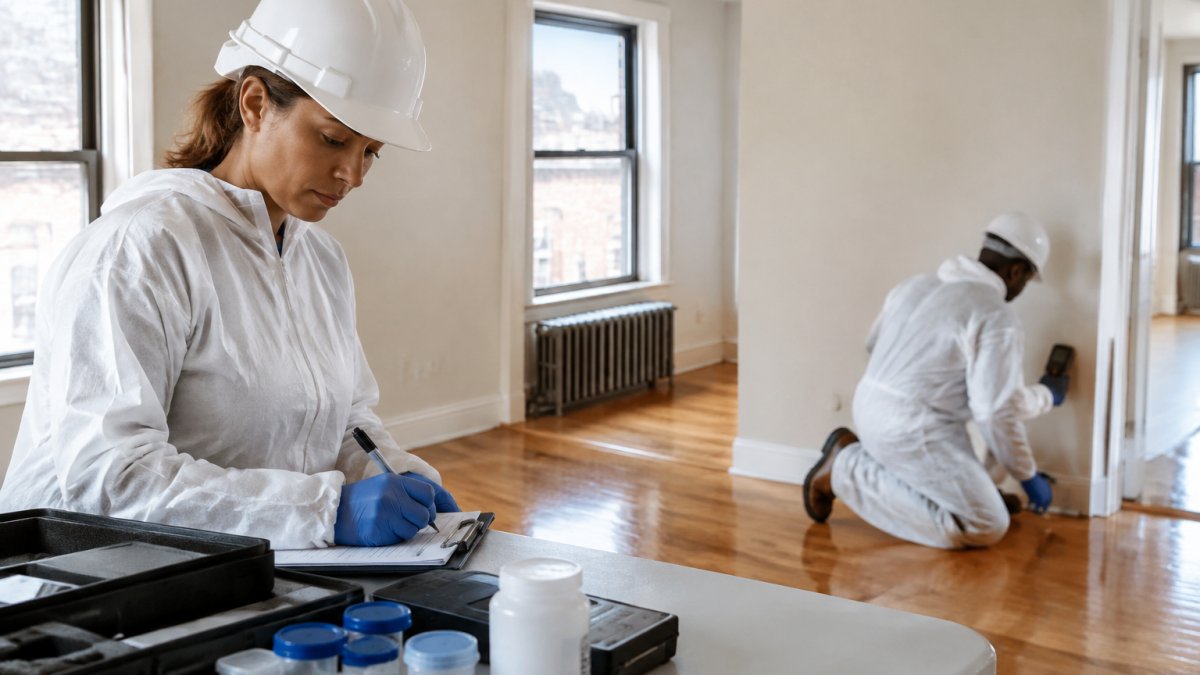
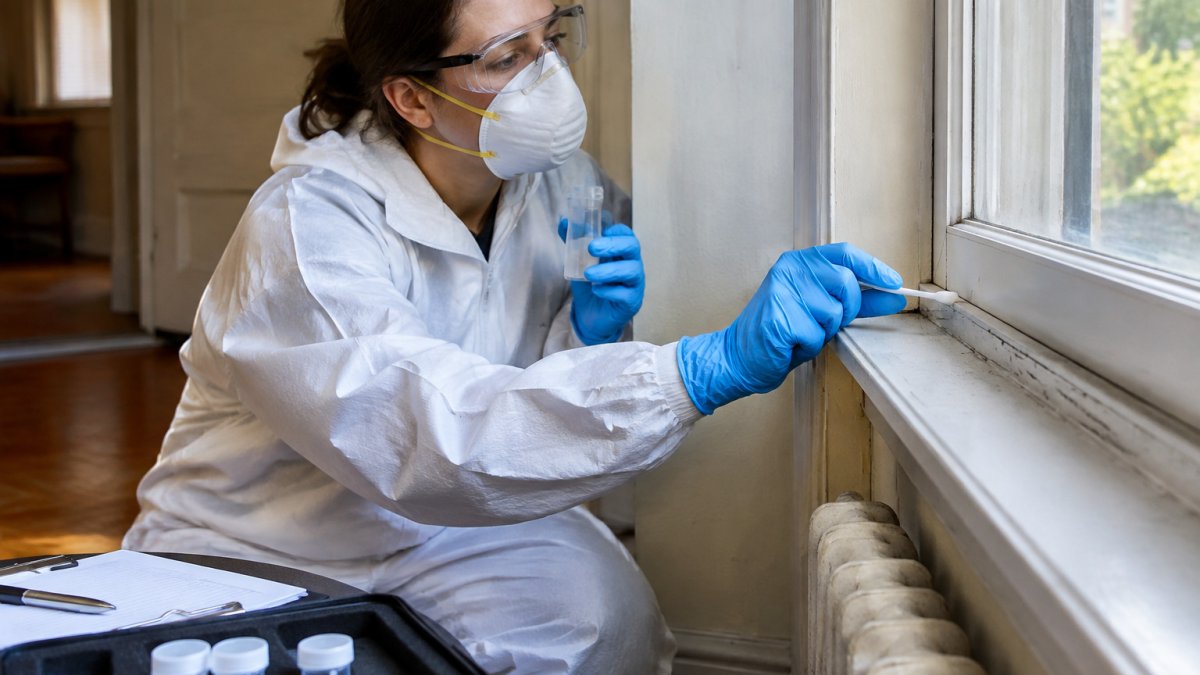
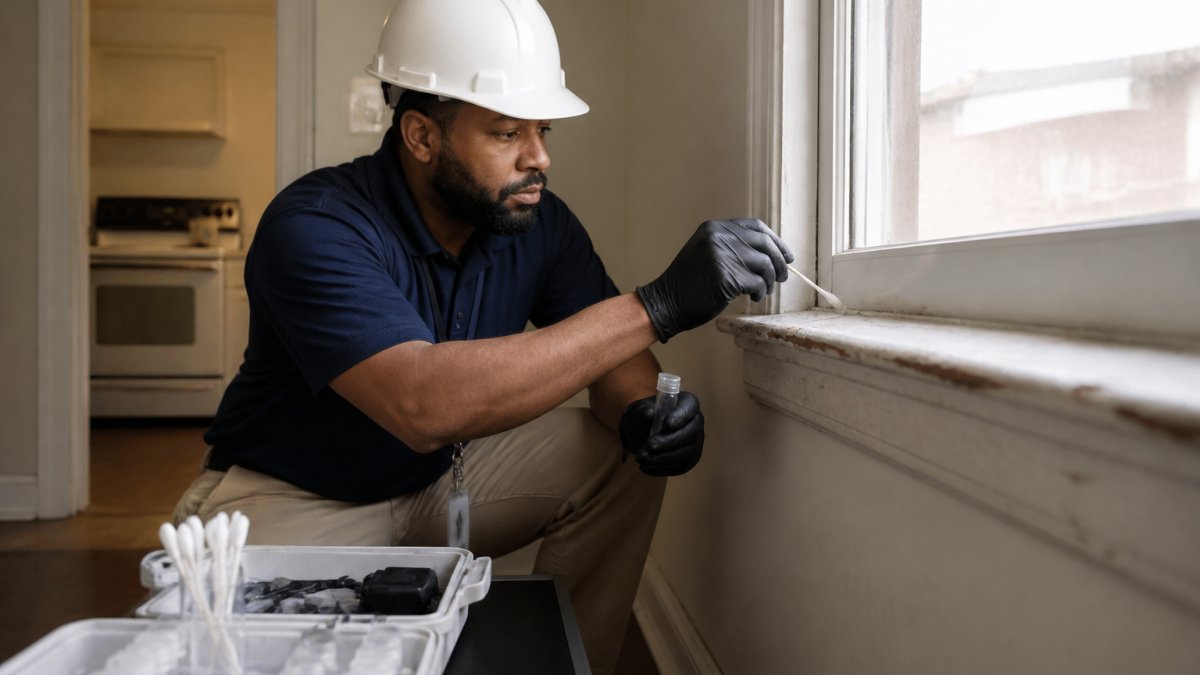
Lead dust wipe testing for rental properties is the core of the renewal.
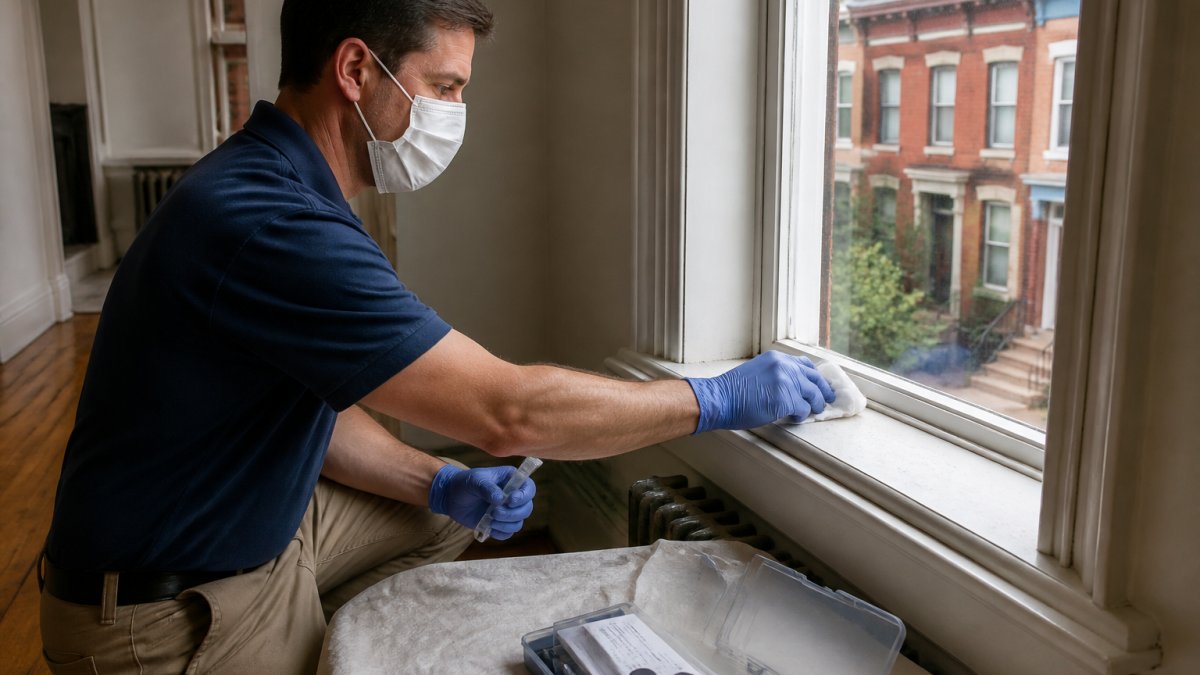
Timing matters more than most landlords expect.
A few practical notes from our side of the work:
- Clear access to all rooms, including occupied units
- Test before you paint or renovate, not after
- Keep the lab report, not just the certificate
If you are unsure what the test involves or how to explain it to a tenant, what a lead dust wipe test covers walks through the full procedure.
Here is the timing and turnaround to plan around when booking your renewal test.
| Item | Value | Note |
|---|---|---|
| Typical lab results | Two to seven business days | Expedited service available when a deadline is closing in |
| When to book | Before your certificate expires | Not after |
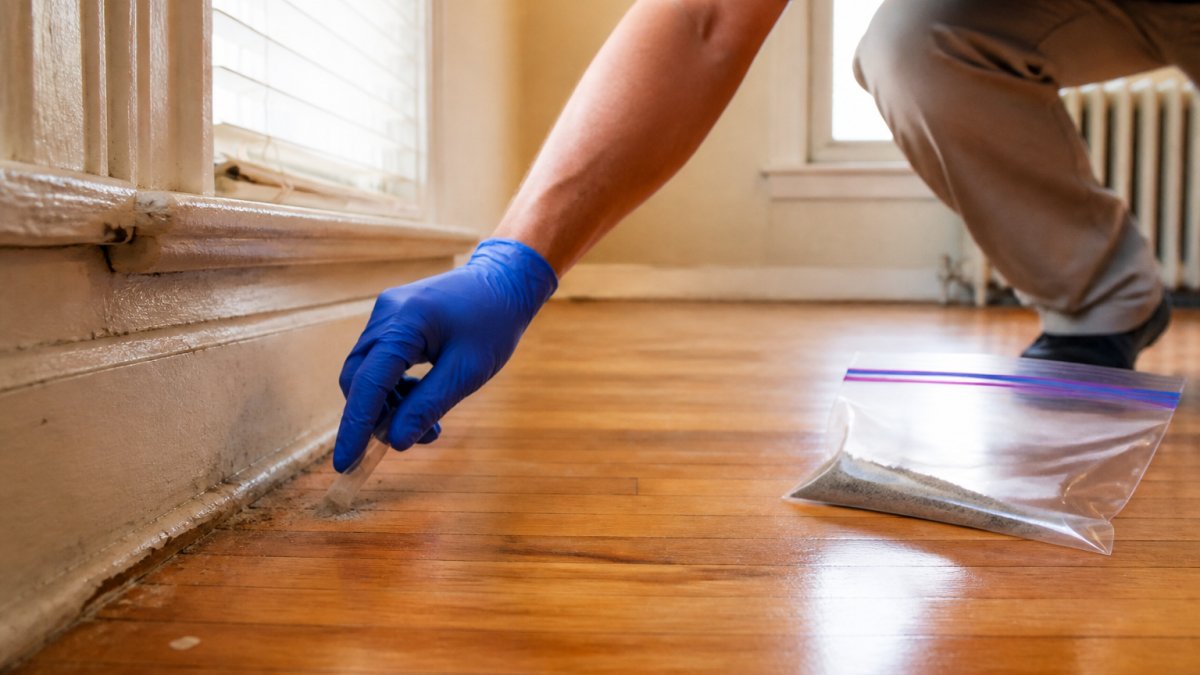
| What the inspector collects | Dust samples from window sills, floors, other surfaces | Sent to an EPA-approved lab |
| Best time to test | Before you paint or renovate | Not after |
| Access needed | All rooms, including occupied units | Clear access required |
| Records to keep | The lab report, not just the certificate | Landlord should hold the master copy |
Step 3: Assemble Lead-Safe Inspection Documentation for Landlords
Lead-safe inspection documentation for landlords is what proves compliance when the city asks. A certificate alone is not enough if you cannot produce the underlying lab report.
The renewal file, unit by unit
Keep one packet per rental unit, not one packet per building. A multi-unit property with a single shared folder is where documentation failures start. Each unit packet should contain:
- The current lead-safe certificate for that unit
- The lab report showing passing dust wipe results, with sample locations identified
- The inspector's name, firm, and credential details
Store the packet in one place, digital or physical, and make sure whoever handles your rentals can find it in under five minutes. When a rental license inspection lands, you do not want to be digging through a filing cabinet.
Records to retain beyond the certificate
A common pattern among landlords who pass inspections cleanly is that they keep more than the minimum. Retain:
- Every lab report, not just the passing one, a paper trail showing the property was tested on schedule is useful if a question ever arises about a gap.
- The inspector's credential information, so you can show the test was performed by a qualified party.
- Proof of the test date relative to the certificate expiration, so you can demonstrate the renewal was timely.
- Tenant access records, notes on when units were accessed for testing, which help explain any unit that was tested on a different date than the rest.
Handing off to a property manager
If a property manager runs your rentals, put the documentation obligation in writing. Specify who orders the renewal test, who receives the lab report, where the master file lives, and who produces it during a rental license inspection. The most common documentation failure in managed portfolios is not a missing test, it is a test that was ordered, passed, and then lost between the manager's inbox and the owner's file.
Documentation and the rental license inspection
When the city reviews your rental license, the certificate is the headline and the lab report is the supporting evidence. A certificate with no lab report behind it invites questions. A lab report with no certificate is incomplete. Keep them together, keep them current, and keep them labeled by address and test date.
One insider tip: label files by property address and test date, not by tenant name. Tenants change. Addresses do not.
How to Pass a Lead-Safe Inspection Before You Submit
How to pass a lead-safe inspection comes down to preparation, not luck. Most failures trace back to dust that was never cleaned or surfaces that were never stabilized.
Before the inspector arrives:
- Wet-wipe window sills, troughs, and floors
- Fix peeling paint on window frames and doors
- Clean up visible dust and debris in each room
- Confirm all units are accessible
Dust is the number one cause of failed tests. Lead dust settles on sills and floors long after a renovation ends, so a unit that looks clean can still fail.
For a full room-by-room walkthrough, see how to prepare for a lead dust inspection.
What Happens If Your Certification Has Already Expired
An expired certificate does not mean the building is unsafe. It means you are out of compliance, and that is a problem for your rental license.
The fix is straightforward: get the property retested and get a new certificate issued.
What you should expect:
- A full new dust wipe test at the property
- A new lab report and certificate
- Possible scrutiny from the city if a license inspection is already underway
The cost of retesting depends on the number of units and how quickly you need results, so check current rates before you book.
The lesson here is simple. Renew early, not on the last day.
Book Your Renewal Inspection and Get Certified for $99
Renewing on time is cheaper than fixing an expired certificate under pressure. At 99leadsafe.com, we handle the full renewal inspection for landlords across the Greater Philadelphia area, including Norristown, with EPA-approved lab analysis and results in two to seven business days.
Here is what you get:
- A $99 lead-safe inspection and certification
- EPA-approved lab analysis on every dust wipe sample
- Clear documentation ready for your rental license file
- Expedited service when a deadline is closing in
You can see exactly what is included on our pricing page before you schedule. No surprise line items, no vague estimates.
Frequently Asked Questions
How do I renew a lead-safe certificate for a Philadelphia rental property?
Start by checking the expiration date on your current certificate, then schedule lead dust wipe testing before the deadline. A certified inspector collects dust samples from windowsills and floors, an EPA-approved lab analyzes them, and you submit the passing report with your renewal paperwork. Keep copies of every report for your records. Renewing early, rather than waiting for the expiration notice, gives you time to fix any failed surfaces and retest without a gap in coverage.
Does renewing a lead-safe certificate require lead dust wipe testing?
Yes. Renewal is not a paperwork-only step. The certificate confirms the property has no lead dust hazards, so fresh dust wipe samples are needed to prove current conditions. A previous passing report does not carry over, because dust levels change with turnover, repairs, and renovation work. Budget for testing as part of every renewal cycle, and schedule it before the certificate lapses so your rental license stays in good standing.
What should landlords do if a rental property does not pass lead dust testing?
A failed test is a to-do list, not a dead end. The lab report identifies which surfaces exceeded limits, usually windowsills, window troughs, or floors. Clean those areas using lead-safe work practices, repair or repaint deteriorating surfaces, then retest. Document the remediation and the passing retest together. Many landlords build a small buffer into their renewal timeline specifically to cover one retest, which keeps the certificate from expiring while fixes are underway.
How can a landlord check whether a lead-safe certificate is still valid?
Look at the expiration date printed on the certificate itself, and confirm the property address and unit count match your records. Keep a digital copy in your compliance file so you can produce it during a rental license review or a tenant request. If you manage multiple units, track every certificate in one spreadsheet with renewal dates flagged 90 days out. That habit prevents the most common compliance failure: a certificate that quietly expired between lease signings.
The renewal deadline will not remind you, and the city will not either. Take ten minutes today to check your certificate's expiration date, and if it is close, book the test now. Get started with 99leadsafe.com and keep your rental license clean with a $99 lead-safe inspection.