 ultimate-guide
Why Lead Dust Is Dangerous for Children: Landlord Guide
Table of Contents
- Why Lead Dust Is Dangerous for Children
- Lead Poisoning Symptoms in Children: What Landlords Should Recognize
- Lead Dust Wipe Testing: How You Find the Hazard
- Lead Inspection for Landlords: Your Legal Duty in Philadelphia
- Lead-Safe Certification for Rental Properties: What It Proves
- What to Do When Lead Dust Shows Up in a Unit
- Keeping Your Rental Portfolio Lead-Safe
- Frequently Asked Questions
Last Updated: October 8, 2026
Why Lead Dust Is Dangerous for Children
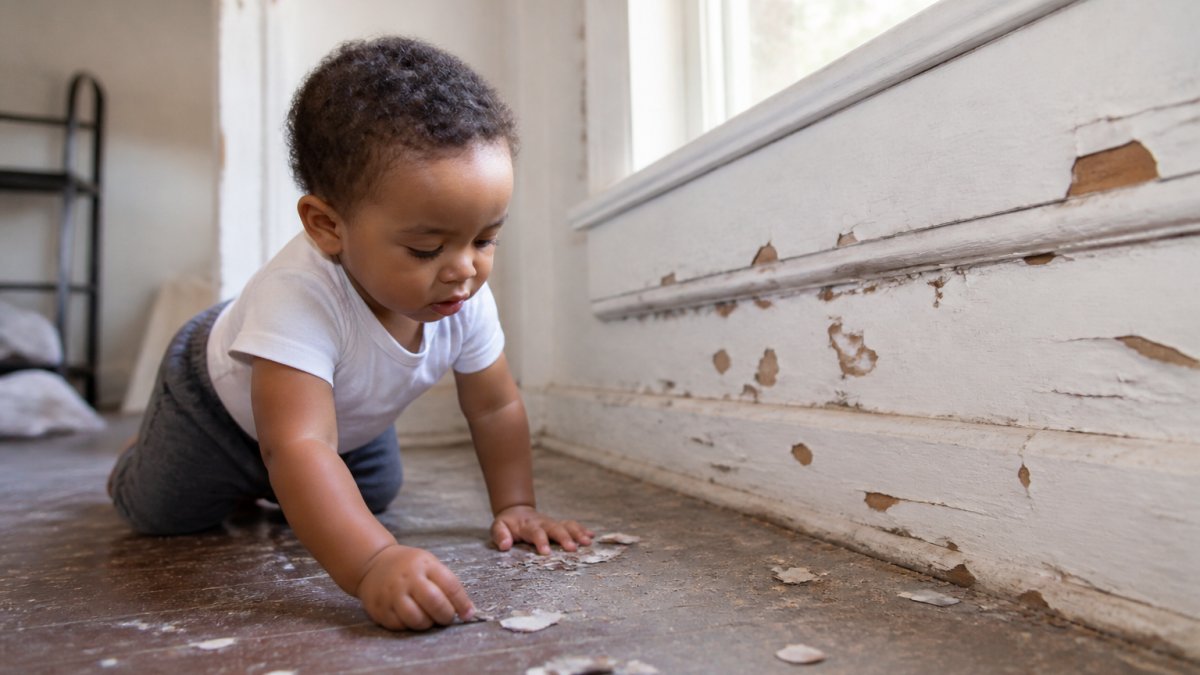
Lead dust is dangerous for children because it is invisible, settles on floors and windowsills where children crawl and play, and enters the body through normal hand-to-mouth behavior. Once inside, lead interferes with brain development, and there is no safe blood lead level in children. At 99leadsafe.com, we test rental units across the Greater Philadelphia area, and the pattern we see is consistent: the hazard is rarely a peeling wall, it is the fine dust left behind by friction on old windows and doors.
The consequences are not subtle. The CDC's childhood lead poisoning prevention program states plainly that no safe blood lead level in children has been identified, and that even low levels can damage the brain and nervous system. The EPA's lead renovation, repair and painting rule treats dust as a primary exposure pathway, which is why wipe sampling, not a visual walkthrough, is how you confirm a unit is clean.
That is the core argument of this guide: landlords who understand why lead dust is dangerous for children stop treating compliance as paperwork and start treating it as a testing problem with a verifiable answer. Below, we cover how exposure happens, which symptoms matter, how wipe testing works, and what Philadelphia requires of rental property owners.
How Lead Dust Gets Into a Child's Body
Children absorb lead dust primarily by hand-to-mouth contact. A toddler playing on a floor near a friction point, such as a window sash or a door frame in a pre-1978 building, picks up dust on their palms and fingers, then puts those hands in their mouth. Normal behavior becomes the exposure route.
The mechanics are unglamorous but important:
- Friction surfaces: windows, doors, stairs and porches generate dust as painted parts rub together
- Renovation and repair: sanding or scraping without containment spreads dust through the unit
- Tracking: dust moves from a work area into living space on shoes, tools and clothing
- Deteriorating paint: chalking and chipping paint releases fine particles that settle on surfaces children use
An adult inhaling the same dust may show no obvious effect. A child's developing nervous system does not have that margin.
Why Small Amounts Still Matter
There is no threshold below which lead dust becomes harmless. The CDC's guidance on blood lead reference values uses a reference value to identify children with higher exposure rather than to declare a safe floor, and the practical takeaway for landlords is that "a little dust" is not a defense.
What most guides miss is how little material it takes. A windowsill that looks clean can still fail a wipe test because the dust is fine enough to be invisible at normal viewing distance. That is why visual inspections alone cannot clear a unit, and why we rely on laboratory analysis of wipe samples to give owners a defensible answer.
Lead Poisoning Symptoms in Children: What Landlords Should Recognize
Lead poisoning symptoms in children are often absent or easy to mistake for something else, which is exactly why landlords should not wait for a tenant to report them. Many children with elevated blood lead levels show no obvious signs at all.
When symptoms do appear, they tend to be vague:
- Fatigue, irritability or unusual behavior changes
- Reduced appetite or stomach discomfort
- Headaches or difficulty concentrating
- Developmental delays noticed over time, not overnight
- In higher-exposure cases, more serious neurological effects
The trap for property owners is treating a tenant's complaint about a child's health as a maintenance issue. It is not. A blood test, not a visual inspection, determines whether a child has been exposed. Your role is to identify and control the dust source, document what you did, and let medical professionals handle diagnosis.
Lead Dust Wipe Testing: How You Find the Hazard
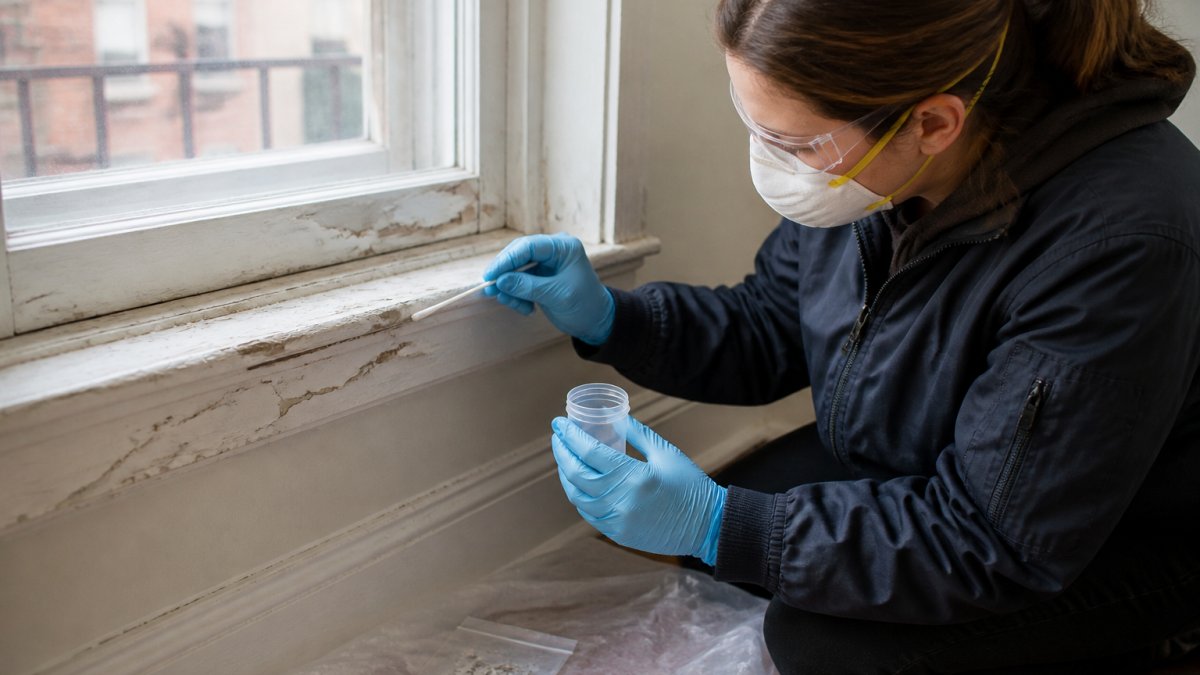
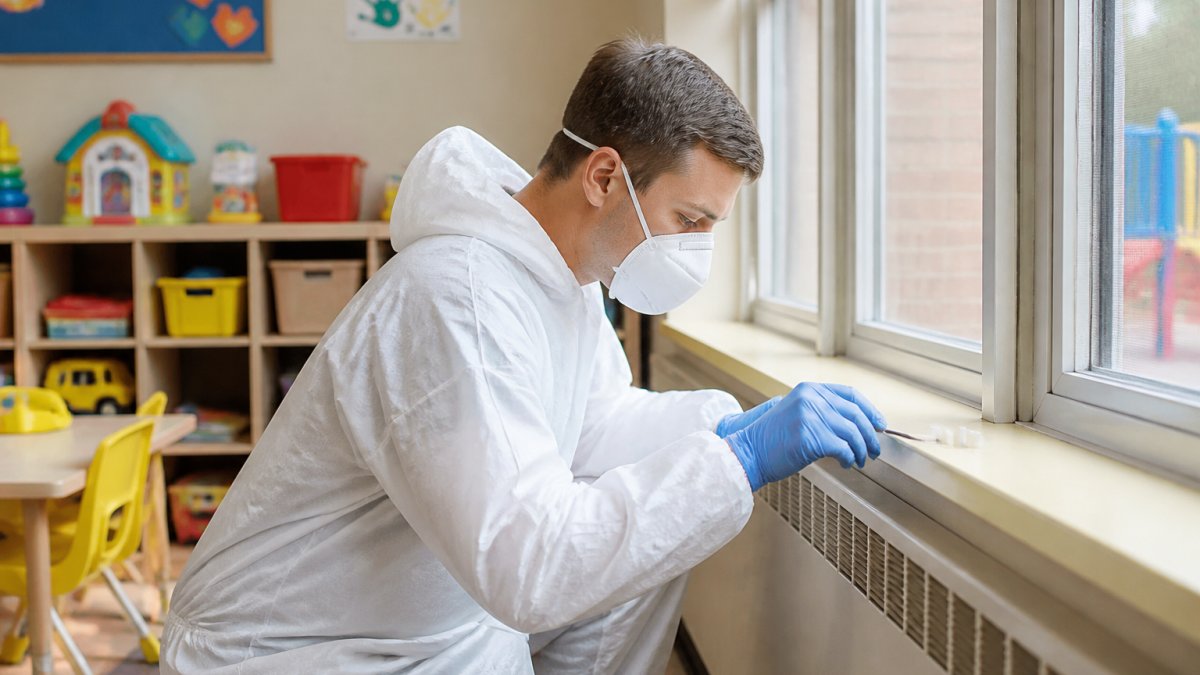
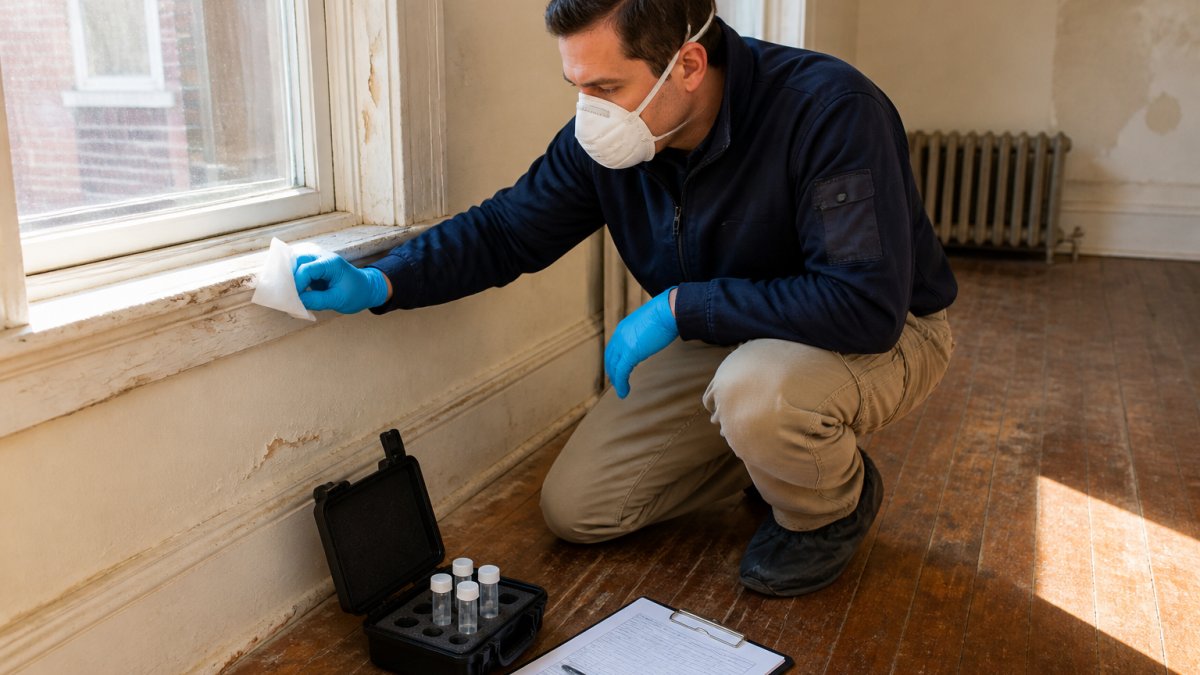
Lead dust wipe testing is the process of collecting surface samples from floors, windowsills and window wells with a treated wipe, then having an accredited laboratory analyze them for lead loading. It is the only reliable way to know whether a unit is actually clean.
How the Sampling Works
A technician selects the surfaces most likely to hold dust and most likely to be touched by a child. Typical sample locations include:
- Floors in rooms where children sleep or play
- Interior windowsills and window wells
- Stair treads and hand-contact surfaces
Each wipe goes into a sealed container, gets labeled and chain-of-custody documentation, and ships to an EPA-approved laboratory. Results come back as a lead loading figure per surface area, which is compared against the applicable clearance standard. At 99leadsafe.com, results typically return in 2 to 7 business days, with expedited service available when a lease signing is close.
The distinction that matters: a dust wipe test measures what is actually on the surface. A visual inspection only tells you what a person can see.
Lead Inspection for Landlords: Your Legal Duty in Philadelphia
Lead inspection for landlords in Philadelphia is a compliance obligation tied to the rental license, not an optional upgrade. If you own a pre-1978 rental property and rent to families with young children, the city's lead safety requirements apply to you.
The City of Philadelphia's lead paint and rental property requirements sets out the certification path owners must follow, and the EPA's lead-safe certification requirements explains the federal framework behind the dust standards used in testing. In practice, this means:
- Determining whether your property falls under the pre-1978 threshold
- Completing the required lead-safe certification or inspection process
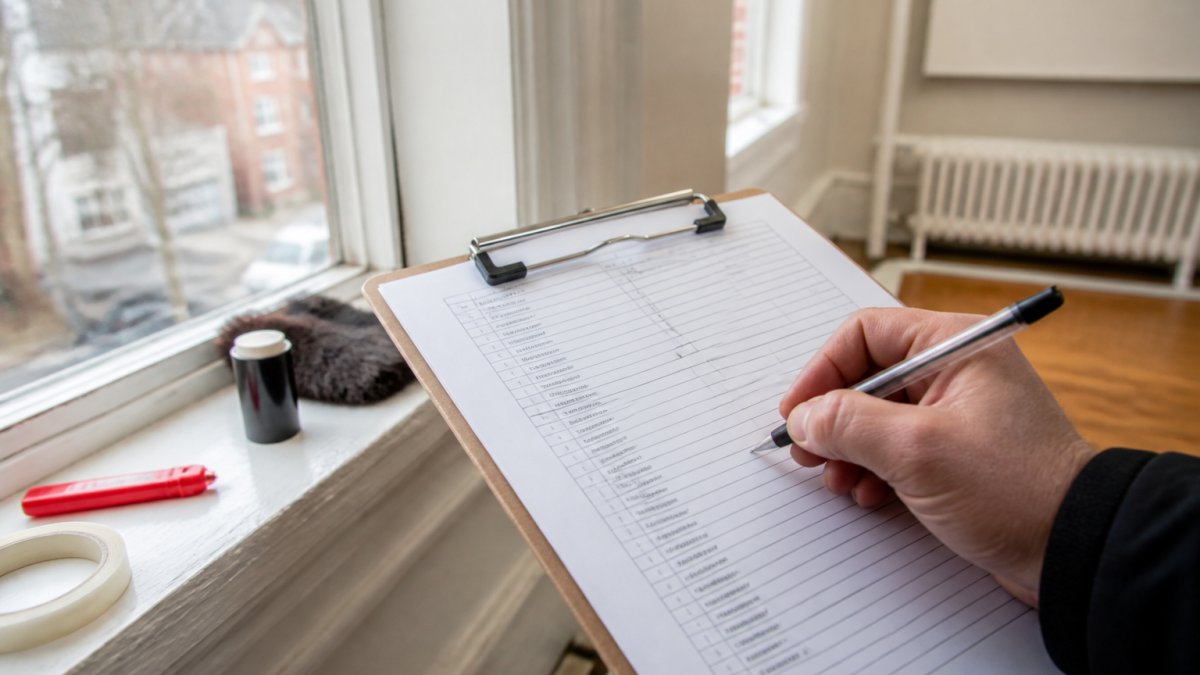
- Maintaining documentation that ties your certification to the rental license
- Re-certifying on the schedule the city requires
The most common mistake we see is an owner who assumes a passed visual inspection satisfies the requirement. It does not. Certification depends on documented testing and the right paperwork, filed correctly.
Lead-Safe Certification for Rental Properties: What It Proves
Lead-safe certification for rental properties proves that the unit was tested and met the applicable lead dust clearance standards at the time of testing, and that the required documentation exists to show it. It is a snapshot with a date on it, and that date matters.
What certification does not prove is that the property will stay clean forever. A window replacement, a repair project, or a tenant's renovation can reintroduce dust. That is why certification is a recurring obligation rather than a one-time event.
For owners of multiple units, the practical question is scheduling. We can handle multiple units in a single coordinated visit, which keeps the documentation consistent and avoids the scramble of booking inspections one at a time.
What to Do When Lead Dust Shows Up in a Unit
When lead dust shows up in a unit, the first step is containment, not panic. Stop any work that could be spreading dust, restrict access to the affected area, and get a clear picture of which surfaces failed.
A workable sequence looks like this:
- Isolate the area. Close off the room and stop dry sanding, scraping or demolition.
- Review the lab report. Identify which surfaces exceeded the standard so remediation targets the right places.
- Clean to clearance standards. Use wet methods and HEPA equipment, never a dry broom or a standard shop vacuum.
- Re-test after cleaning. Clearance is confirmed by a follow-up wipe test, not by appearance.
- Document everything. Keep the failed report, the remediation record and the passing clearance together.
Retesting after a failed result is a normal part of the process, and we build it into the schedule so owners are not surprised by a second visit. The goal is a clean clearance report, not a clean-looking room.
Keeping Your Rental Portfolio Lead-Safe
Keeping a portfolio lead-safe comes down to three habits: knowing which units are pre-1978, testing on a schedule instead of reacting to complaints, and keeping documentation current with the rental license. Owners who do all three rarely get caught off guard.
A simple tracking approach works better than memory:
| Task | Frequency | Why It Matters |
|---|---|---|
| Confirm pre-1978 status per unit | Once, at acquisition | Determines which rules apply |
| Dust wipe testing | On the city's certification cycle | Produces the report behind your certificate |
| Post-repair clearance test | After any renovation or repair | Confirms dust was not reintroduced |
| Documentation audit | Before each license renewal | Keeps certificate and report together |
The throughline here is that lead dust is a testing problem, and testing produces evidence. Owners who treat it that way pass inspections and sleep better. Owners who treat it as paperwork eventually get a failed report at the worst possible moment.
Lead dust is dangerous for children precisely because it is easy to ignore until it is not. If you own rental property in the Greater Philadelphia area, we can take the uncertainty out of compliance with a $99 lead-safe inspection, EPA-approved lab analysis, and results in 2 to 7 business days, with expedited service when your lease signing is close. You get the certification documentation, filing instructions, and a clear answer on your property's lead safety status. Get started with 99leadsafe.com and put a dated, defensible report behind every unit you own.
Frequently Asked Questions
Why is lead dust especially dangerous for children?
Children under six absorb lead more easily than adults and their brains are still developing, so even small amounts of lead dust can affect learning and behavior. They also crawl on floors and put hands and toys in their mouths, which puts them in direct contact with the dust that settles on surfaces. Because lead dust is often invisible, a child can be exposed daily without anyone noticing. Regular lead dust wipe testing is the reliable way to confirm whether a unit is safe.
Can lead dust harm a child without causing symptoms?
Yes. Most children with elevated blood lead levels show no obvious signs, which is why the CDC and pediatricians rely on blood testing rather than visible symptoms. When lead poisoning symptoms in children do appear, they are easy to mistake for a cold or stomach bug: fatigue, irritability, headaches, stomach pain, or constipation. Serious effects on attention, hearing, and development can occur long before any of these signs show up, so a clean-looking child is not proof of a clean unit.
How can landlords find out whether a rental has lead dust hazards?
A lead dust wipe test is the standard method. A certified inspector collects wipe samples from floors, windowsills, and other surfaces where dust collects, and an EPA-approved lab analyzes them for lead. For properties built before 1978, this testing supports the lead-safe certification for rental properties that Philadelphia requires at rental license renewal. Landlords can schedule testing for a single unit or an entire portfolio at once, and results are typically available within a few business days.
What should a landlord do if lead dust is found in a rental property?
Stop, document, and remediate before the unit is occupied. Hire a certified lead abatement or renovation firm to address the source, whether that is deteriorating paint on window frames, doors, or trim. Wet-clean surfaces, repair friction points, and remove dust with HEPA equipment rather than dry sweeping. After the work is done, retest to confirm the unit passes. Keep every report and clearance document on file, since Philadelphia rental license requirements expect proof of a lead-safe status.