 Comparison
Is Lead Inspection Worth It for Landlords?
Last Updated: November 7, 2026
Quick Summary
For most landlords, a lead inspection is worth it because skipping one is far more expensive than the test itself. Philadelphia requires landlords to certify rental properties as lead-safe or lead-free before executing a new lease, so without that certificate you cannot legally rent the unit.
- Federal disclosure rules apply nationwide to pre-1978 housing, while local certification applies at the point of leasing.
- The property owner pays for the inspection, not the tenant, so treat it as a cost of owning the asset.
- Dust wipe testing decides pass or fail because a clean-looking unit can still fail on settled lead dust.
- Wet-wipe windowsills, troughs, and floors before your test date, and avoid dry sweeping or dry sanding.
- A $99 lead-safe inspection includes EPA-approved lab analysis with results in 2-7 business days.
Table of Contents
- The Real Cost of Skipping a Lead Inspection
- Lead-Based Paint Inspection Requirements Every Landlord Should Know
- Lead Inspection vs. Risk Assessment vs. Lead-Safe Certification
- Who Pays for a Lead-Based Paint Inspection on a Rental Property?
- Lead Dust Wipe Testing for Rental Properties: What It Catches That a Visual Check Misses
- How to Pass a Lead-Safe Inspection Before Your Test Date
- Book Your $99 Lead-Safe Inspection and Certification
- Frequently Asked Questions
The Real Cost of Skipping a Lead Inspection
For most landlords, a lead inspection is worth it because the downside of skipping one is far more expensive than the test itself. Philadelphia requires landlords to certify rental properties as lead-safe or lead-free before executing a new lease, according to Batta Environmental Associates' lead testing overview. Without that certificate, you cannot legally rent the unit.
That single rule reframes the whole question. This is not a maintenance upgrade you can defer. It is a condition of doing business.
At 99leadsafe.com, we work with landlords across Philadelphia and Norristown who face this decision every time a unit turns over. The math is simple: a failed lease signing costs you a month of rent or more. A lead-safe inspection costs a fraction of that.
Below, we break down the real requirements, who pays, how dust wipe testing works, and how to pass on the first try.
Lead-Based Paint Inspection Requirements Every Landlord Should Know
Federal rules and local rules are two different layers, and landlords often confuse them. The federal layer is a disclosure and notification regime that applies nationwide to pre-1978 housing. The local layer is a certification regime that applies at the point of leasing. Passing one does not satisfy the other.
Here is what each layer actually requires:
| Rule Layer | What It Requires | Who Enforces It |
|---|---|---|
| Federal disclosure (Lead Disclosure Rule, 40 CFR Part 745) | Disclose known lead-based paint and hazards to tenants, provide the EPA pamphlet, and retain signed acknowledgments for three years | U.S. EPA and HUD |
| Federal renovation rule (RRP, 40 CFR Part 745, Subpart E) | Use a certified renovator and lead-safe work practices when disturbing paint in pre-1978 housing | U.S. EPA |
| Philadelphia rental certification | Certify the unit lead-safe or lead-free before a new lease and maintain the certificate for the rental license | City of Philadelphia |
| Norristown-area rentals | Confirm current municipal certification requirements before each lease | Municipality |
The EPA's real estate disclosure guidance notes that lead-based paint is usually not a hazard when it is in good condition. Deteriorating paint, peeling, chipping, or chalking, is where the risk begins, and that is the condition a visual assessment and dust wipe test are designed to catch.
A practical verification sequence before you sign a lease:
- Confirm the property's construction year. Pre-1978 housing triggers the federal disclosure rule; pre-1978 also triggers most local certification requirements.
- Pull the current local ordinance or health department guidance for the specific municipality, not a neighboring one. Certification rules differ between jurisdictions and can change between lease cycles.
- Check whether the requirement is a lead-safe certificate (based on dust wipe results) or a lead-free certificate (based on a full inspection with no lead paint found). They are not interchangeable.
- Confirm the certificate's expiration window and whether it must be renewed at each turnover or on a fixed calendar.
- Keep the disclosure acknowledgments, the certificate, and the lab report together in the unit file so they are retrievable at license renewal or inspection.
Watch out: relying on a neighboring city's rule or an outdated certificate is the most common compliance failure we see, the certificate may be valid on paper but expired for the current lease cycle.
For a full breakdown of what the city requires, see our guide to Philadelphia lead inspection requirements for landlords.
Lead Inspection vs. Risk Assessment vs. Lead-Safe Certification
These three terms get used interchangeably, and that confusion costs landlords money. They answer different questions, and only one of them produces the document a rental license usually requires.
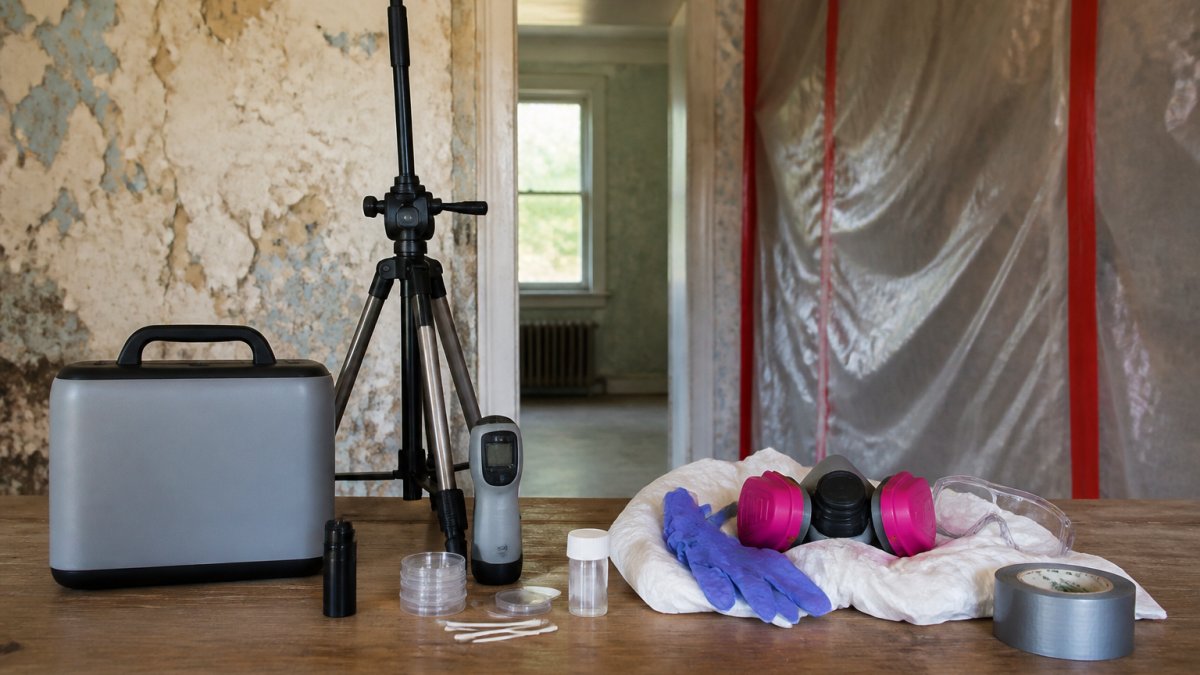
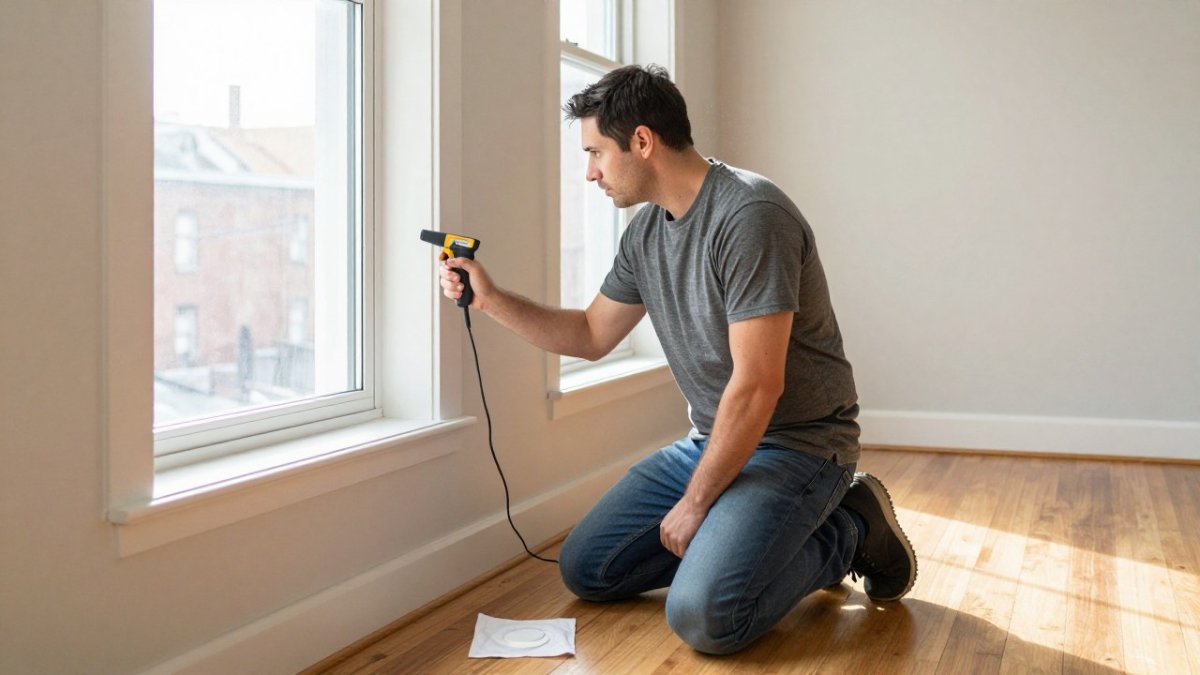
A lead inspection determines whether lead-based paint is present and where. It is a paint-focused evaluation: the inspector samples paint by component (window sash, door frame, baseboard, wall) and reports which surfaces contain lead. The EPA's homeowner and renter guidance treats inspections, risk assessments, and abatements as distinct evaluations. An inspection tells you what is there. It does not automatically identify every hazard, and it does not by itself produce a clearance or certification.
A risk assessment looks at whether existing conditions create a hazard, including dust, soil, and deteriorated paint. It is condition-focused rather than component-focused, and it typically includes dust wipe sampling. A risk assessment is the right tool when you suspect an active hazard or when a child with an elevated blood lead level has occupied the unit.
A lead-safe certification is the compliance document that follows a passing dust wipe test. It certifies that the unit's dust-lead loadings are below the applicable clearance thresholds at the time of testing. It is not a statement that the property is lead-free, and it does not replace a full inspection.
A lead-free certification is different again: it generally requires a full inspection confirming no lead-based paint is present on tested components. Most older rental stock cannot reach lead-free status without abatement, which is why lead-safe certification is the practical path for most landlords.
Which service satisfies which obligation:
| Landlord situation | Service that answers it |
|---|---|
| New lease on a pre-1978 unit in a certification jurisdiction | Lead-safe certification backed by dust wipe testing |
| Suspected hazard, peeling paint, or a tenant concern | Risk assessment |
| Renovation or repair that will disturb paint | Inspection before work, plus RRP-certified contractors during work |
| Due diligence on a building purchase | Full inspection to map lead paint by component |
| Post-remediation verification | Clearance dust wipe testing |
Watch out: ordering a full inspection when the lease requires a lead-safe certificate, or the reverse, is a common and expensive mismatch; confirm the required document before you book the service.
If you are unsure which one your property needs, our explainer on what a lead paint inspection covers walks through the differences.
Who Pays for a Lead-Based Paint Inspection on a Rental Property?
The property owner pays. In practice, that means the landlord or property manager, not the tenant.
Some landlords try to pass the cost to applicants through application fees. That approach invites scrutiny and rarely holds up. Treat inspection as a cost of owning the asset, the same way you treat insurance or a furnace replacement.
Pricing varies by unit count, property age, and turnaround time. Published national benchmarks for a standard single-family inspection commonly fall in the low hundreds of dollars, but local quotes are what matter. For per-unit budgeting guidance, see our breakdown of lead inspection cost for rental units.
Watch out: bundling multiple units into one visit can simplify scheduling for landlords with several properties.
Lead Dust Wipe Testing for Rental Properties: What It Catches That a Visual Check Misses
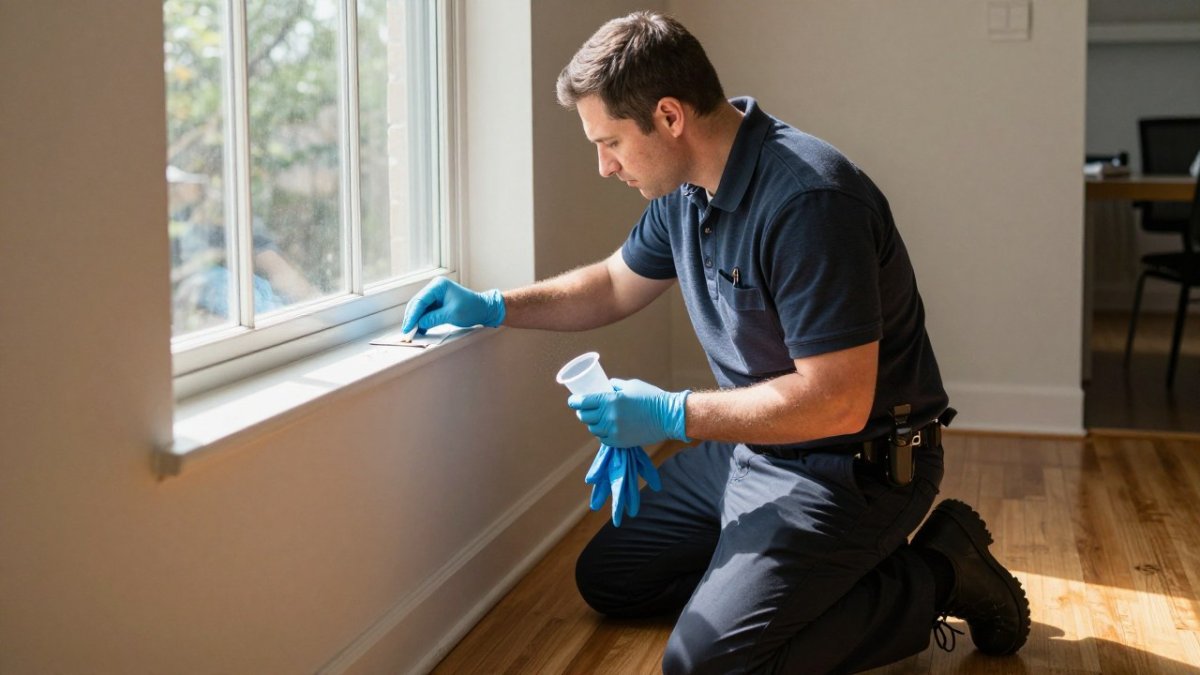
Dust wipe testing is the step that decides pass or fail. A visual inspection can confirm paint is intact. It cannot tell you whether lead dust has settled on a windowsill or floor.
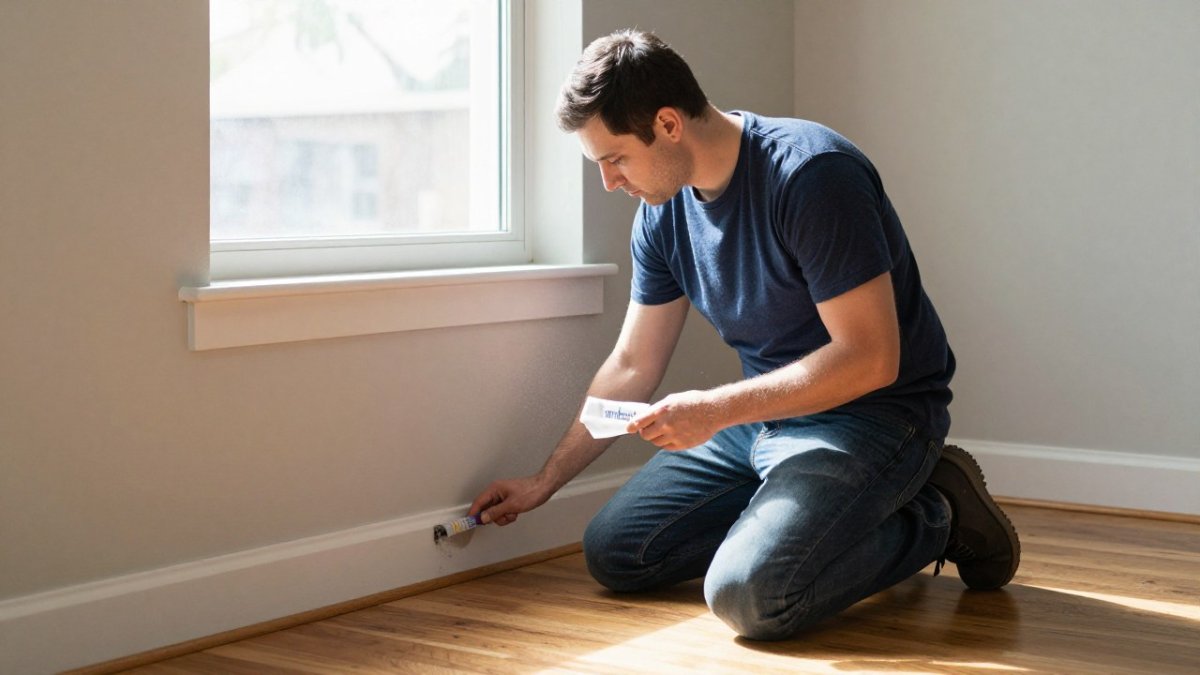
Dust wipe testing collects surface samples from high-contact areas, and a lab analyzes them. This is where a clean-looking unit can still fail. Friction surfaces on old double-hung windows are a common culprit.
For a detailed walkthrough of sampling and results, read our guide on what a lead dust wipe test is.
How to Pass a Lead-Safe Inspection Before Your Test Date
Preparation is the difference between one visit and three. Most failures we see come down to dust, not deteriorated paint.
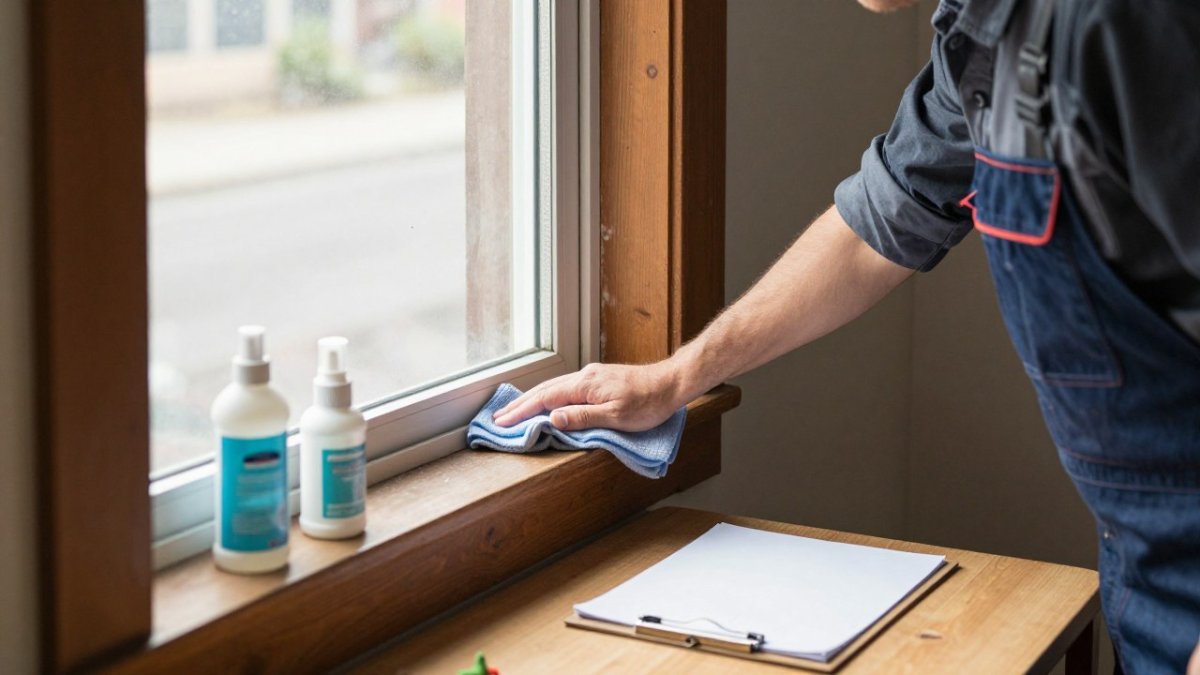
Work through this checklist before your inspector arrives:
- Wet-wipe windowsills, troughs, and floors in every room
- Repair or stabilize peeling, chipping, and chalking paint
- Clean behind radiators and along baseboards
- Remove debris and dust from closets and stairwells
- Confirm all units in the visit are accessible
- Avoid dry sweeping or dry sanding in the days before testing
Our 7-step preparation checklist covers each item in detail, including what to avoid in the final 48 hours.
Watch out: dry sanding or aggressive cleaning right before a test can spread dust and cause a failure you created yourself.
Book Your $99 Lead-Safe Inspection and Certification
The compliance deadline does not move, and a failed test costs more than the inspection ever will. That is the honest answer to whether a lead inspection is worth it for landlords.
At 99leadsafe.com, we offer a $99 lead-safe inspection with EPA-approved lab analysis and results in 2-7 business days. Expedited service is available if a lease signing is close. You receive professional documentation and filing instructions.
Get started with 99leadsafe.com and secure your Lead-Safe Certificate before your next lease signing.
The challenge is timing: leases move faster than inspection schedules. Book early, prepare the unit properly, and keep your documentation current. 99leadsafe.com handles the inspection, the lab analysis, and the paperwork so you can rent with confidence.
Frequently Asked Questions
Is a lead inspection worth it for landlords?
For most landlords of pre-1978 rentals, yes. A lead inspection confirms whether lead-based paint or lead dust is present and gives you documentation you can act on. In Philadelphia, landlords must certify rentals as lead-safe or lead-free before executing a new lease, so the inspection is part of staying compliant. At $99 through 99leadsafe.com, the cost is small next to the risk of fines or a lawsuit.
Who pays for a lead-based paint inspection in a rental property?
In practice, the landlord or property owner pays. The inspection protects the owner's compliance standing and liability position, and it is the owner who needs the certification to lease the unit. Some landlords try to pass the cost to tenants through fees, but that approach can create legal and relationship problems. Budget the inspection as a normal operating cost of owning a pre-1978 rental, the same way you budget for a rental license or a heater repair.
What is the difference between a lead paint inspection and a lead dust wipe test?
A lead paint inspection checks the painted surfaces themselves, using paint sampling and visual assessment to determine whether lead-based paint is present and where. A lead dust wipe test collects dust from floors, windowsills, and other surfaces and sends it to a lab to measure lead loading. They answer different questions: one is about the paint, the other is about what a child could actually ingest. Many compliance programs rely on dust wipe testing because dust is a common exposure pathway.
How should landlords prepare a rental property for lead dust testing?
Do not sweep, vacuum, or wet-wipe the surfaces that will be tested in the days before the appointment. Cleaning immediately beforehand can remove the dust the test is meant to measure and produce a result that does not reflect normal living conditions. Instead, fix obvious problems first: stabilize peeling or chipping paint, repair damaged windows and doors that create friction, and address any water damage. Tell tenants what to expect and ask them not to clean the tested areas. Your inspector can give you a room-by-room prep list.
What happens if a rental property does not pass lead dust testing?
A failed result means lead dust was found above the applicable level on one or more surfaces. You will need to identify the source, usually deteriorating paint or friction surfaces like windows, correct it using lead-safe work practices, and then retest, often with clearance testing, before the unit is cleared. Do not rent the unit until it passes. Ask your inspector for a written explanation of which surfaces failed and what remediation is likely needed.