 comparison
Lead Inspection vs Lead Abatement Costs: What Landlords Pay
Last Updated: November 2, 2026
Quick Summary
A certified lead inspection typically costs $200 to $400, while lead abatement costs average about $3,499, ranging from $1,478 to $5,520. The inspection tells you whether and where lead hazards exist, so you only pay for abatement when the report confirms a hazard.
- Risk assessments run $500 to $1,500 and evaluate hazards and exposure pathways beyond a basic inspection.
- Abatement costs more because of containment, regulated work practices, waste disposal, and clearance testing.
- Most rental units pass a lead-safe inspection with cleaning and repair rather than abatement.
- Philadelphia landlords of pre-1978 rentals must certify units as lead-safe or lead-free before renting.
- Fix sticking windows and friction points before inspection, since grinding paint can fail a dust wipe test.
Table of Contents
- Lead Inspection vs Lead Abatement Costs at a Glance
- What a Lead Inspection Actually Covers
- Why Lead Abatement Costs So Much More
- Lead Dust Testing for Rental Properties: The Step Between Inspection and Abatement
- Lead-Safe Certificate Requirements for Philadelphia Landlords
- How to Pass a Lead-Safe Inspection Without Abatement
- Reading Your Lead Dust Wipe Test Results
- Book Your $99 Lead-Safe Inspection Before You Budget for Abatement
- Frequently Asked Questions
Lead Inspection vs Lead Abatement Costs at a Glance
A certified lead inspection typically runs a few hundred dollars. Professional lead paint removal averages about $3,499, with a range of $1,478 to $5,520, according to Block Renovation's 2026 cost guide. That gap is the whole story of lead inspection vs lead abatement costs, and it's why 99leadsafe.com built a $99 lead-safe inspection for landlords who need compliance, not a demolition crew.
The two services answer different questions. An inspection tells you whether lead-based paint or lead dust is present and where. Abatement permanently addresses the hazard. Confusing one for the other is the most expensive mistake a landlord can make.
Below, we break down what each service costs, what drives the price, and when an inspection is enough to keep your rental legal.
| Service | Typical Published Cost | What It Delivers | Who Needs It |
|---|---|---|---|
| Lead inspection | $200-$400 | Identifies whether and where lead-based paint exists | Landlords documenting conditions |
| Risk assessment | $500-$1,500 | Evaluates hazards and exposure pathways | Properties with deteriorating paint |
| Lead dust wipe test | Varies by scope | Lab-analyzed dust sampling on surfaces | Rental certification compliance |
| Abatement | $1,478-$5,520, avg. $3,499 | Permanent hazard control | Properties with confirmed hazards |
For the full 2026 breakdown of inspection pricing, see our guide to the cost of lead inspection for rental units.
What a Lead Inspection Actually Covers
A lead inspection is an information-gathering step, not a repair job. The EPA's guidance on lead abatement, inspection and risk assessment draws the line clearly: inspection identifies whether and where lead-based paint is present, while abatement is designed to permanently address hazards.
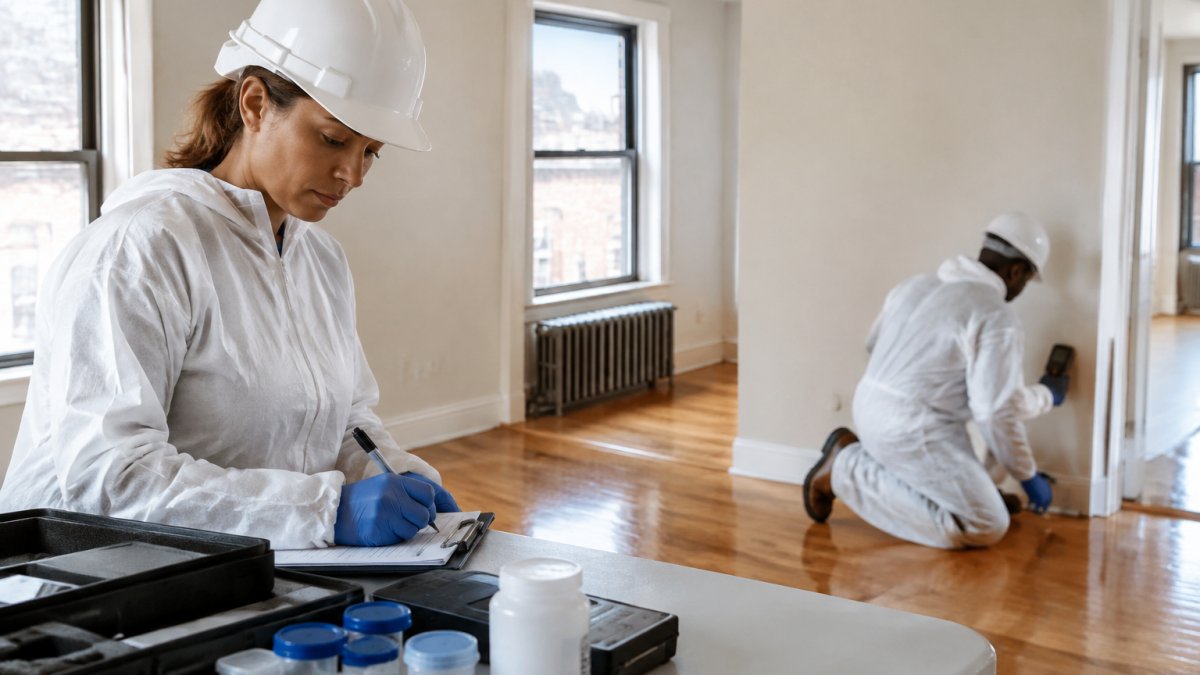
Visual inspection. The inspector walks the unit, documents painted surfaces and their condition, and records deterioration, friction points, and impact surfaces. This is the fastest and least expensive tier, and it is often bundled into a compliance inspection rather than sold alone.
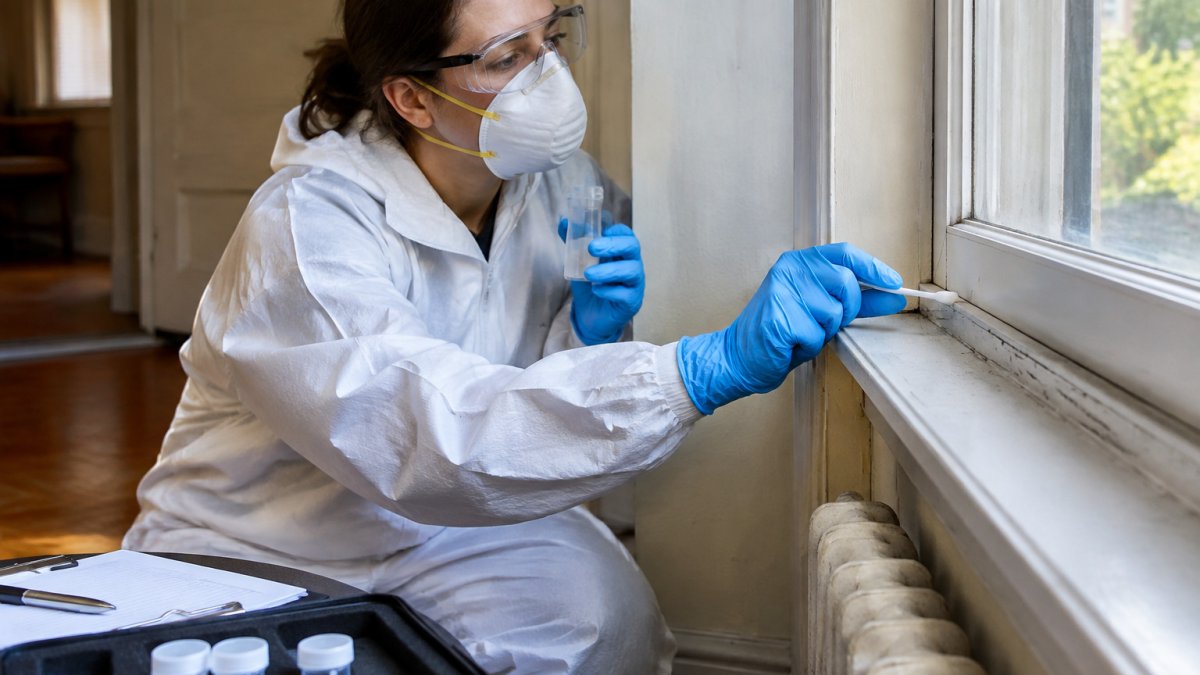
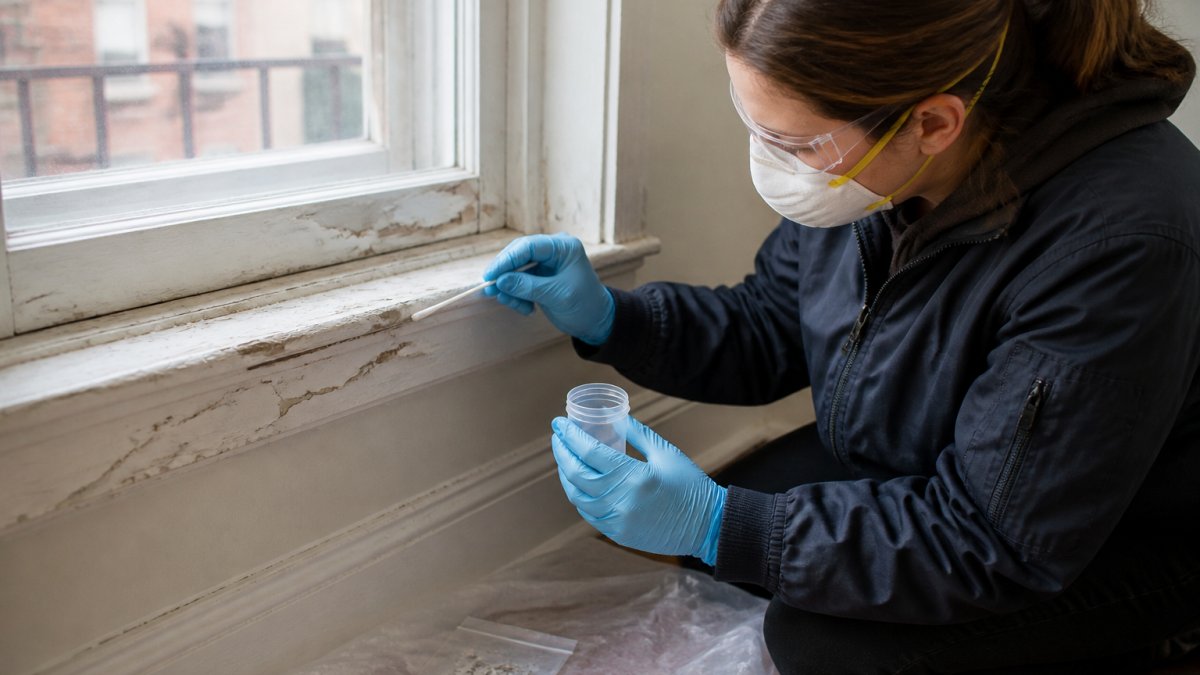
Lead dust wipe testing. The inspector samples dust from floors, windowsills, and window wells, and the samples go to a lab for analysis.
Risk assessment. A risk assessment goes further than an inspection. It evaluates hazards and exposure pathways, identifies the sources of any dust or paint hazards, and recommends interim controls or abatement.
| Service | What It Answers | Typical Published Cost |
|---|---|---|
| Visual inspection | Where is lead paint, and what condition is it in? | $200-$400 |
| Lead dust wipe test | Is dust-lead below the federal threshold? | Varies by scope |
| Risk assessment | What hazards exist, and what should be done? | $500-$1,500 |
| Clearance inspection | Is the unit clean enough to reoccupy? | Separate line item |
Published estimates put a certified inspection at $200 to $400, per Rapid Eye Inspections' 2026 cost article. Our $99 lead-safe inspection sits below those published figures because we run a focused dust-testing workflow for rental compliance, with EPA-approved lab analysis and results in 2-7 business days.
What you are paying for is documentation you can file. That is it, and that is the point. But the report is also a decision tool, and reading it correctly is what saves you money:
- Intact paint, dust below threshold. You are in compliance. Keep the report and calendar the recertification cycle.
- Intact paint, dust above threshold. Cleaning and repair on the failed surfaces usually resolves it. Retest rather than abate.
- Deteriorating paint on friction or impact surfaces. Interim controls such as repair, enclosure, or component replacement are typically the next step, and abatement may follow if the hazard persists.
- Confirmed hazard with an exposure pathway. Risk assessment and abatement become the conversation, and clearance testing closes it out.
That mapping is the part most cost guides skip.
For the full 2026 breakdown of inspection pricing, see our guide to the cost of lead inspection for rental units.
Why Lead Abatement Costs So Much More
Abatement costs more because it is construction work with a legal paper trail. The published numbers reflect that, but the totals only make sense once you see what the contractor is actually paying for. Every line below is a cost an inspection never triggers.
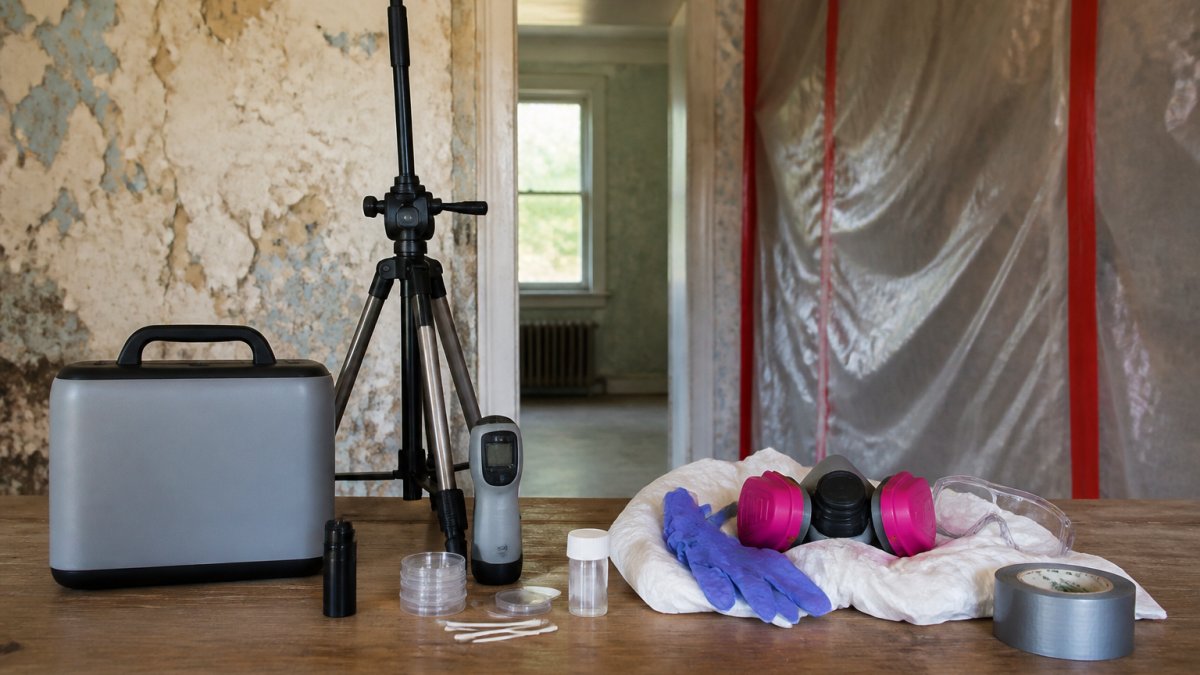
Containment and setup. The work area has to be sealed off with plastic sheeting, negative air pressure, and critical barriers at doorways.
Worker protection and regulated work practices. Crews use respirators, disposable suits, and HEPA vacuums, and they follow lead-safe work practices throughout. Those requirements add time to every task compared with ordinary painting or carpentry.
Waste handling and disposal. Debris from lead abatement is regulated waste. It has to be bagged, labeled, transported, and disposed of at an approved facility, and disposal fees scale with volume. A window-replacement job generates far more regulated waste than a single-room encapsulation.
Clearance testing. After the work is done, an independent clearance inspection with dust wipe sampling confirms the unit is clean before it goes back into service. That is a separate cost from the abatement itself, and it is the step landlords most often forget to budget.
Method choice. The method drives the bill more than square footage does:
- Full removal strips and replaces contaminated components and carries the highest labor and disposal cost
- Encapsulation seals painted surfaces with a coating and is usually the least expensive option where the surface can accept it
- Enclosure covers surfaces with rigid material and sits between encapsulation and removal on cost
- Component replacement swaps out windows, doors, and trim and is common on friction surfaces that cannot be stabilized
A property with intact paint in good condition may need none of them. That is the point of inspecting first: the inspection report tells you whether you are looking at a cleaning-and-repair job or a containment-and-disposal job, and the price gap between those two outcomes is enormous.
For landlords, the practical takeaway is that abatement is a contingency, not a default. Budget for the inspection, keep an abatement reserve for units that fail, and let the report decide which bucket you are in.
Lead Dust Testing for Rental Properties: The Step Between Inspection and Abatement
Lead dust testing for rental properties is the middle option most landlords overlook. It samples dust from floors, windowsills, and other surfaces, then sends those samples to a lab for analysis. It answers the compliance question without committing you to construction.
This matters because dust is often the actual exposure pathway, not the paint itself. A surface can look fine and still fail a wipe test.
If you're new to the process, our explainer on what a lead dust wipe test is walks through sampling, lab handling, and timelines.
Lead-Safe Certificate Requirements for Philadelphia Landlords
Philadelphia requires landlords of pre-1978 rental properties to certify units as lead-safe or lead-free before renting. The obligation attaches to the rental license, and it applies to the property, not the tenant.
Landlords often ask whether certification applies to every rental. Our article on whether lead-safe certification is required for all Philly rentals covers the property-level details, including which units qualify and what documentation the city expects.
One practical note: certification is not a one-time purchase. Units need recertification on a cycle, and turnover triggers new testing in many cases. Budget for it as a recurring compliance cost, not a closing expense.
Child-care facilities face separate requirements. If you operate one, confirm your obligations directly rather than assuming rental rules apply.
How to Pass a Lead-Safe Inspection Without Abatement
Most units pass without abatement. The work is preparation, and it's mostly cleaning and maintenance you can do before the inspector arrives.
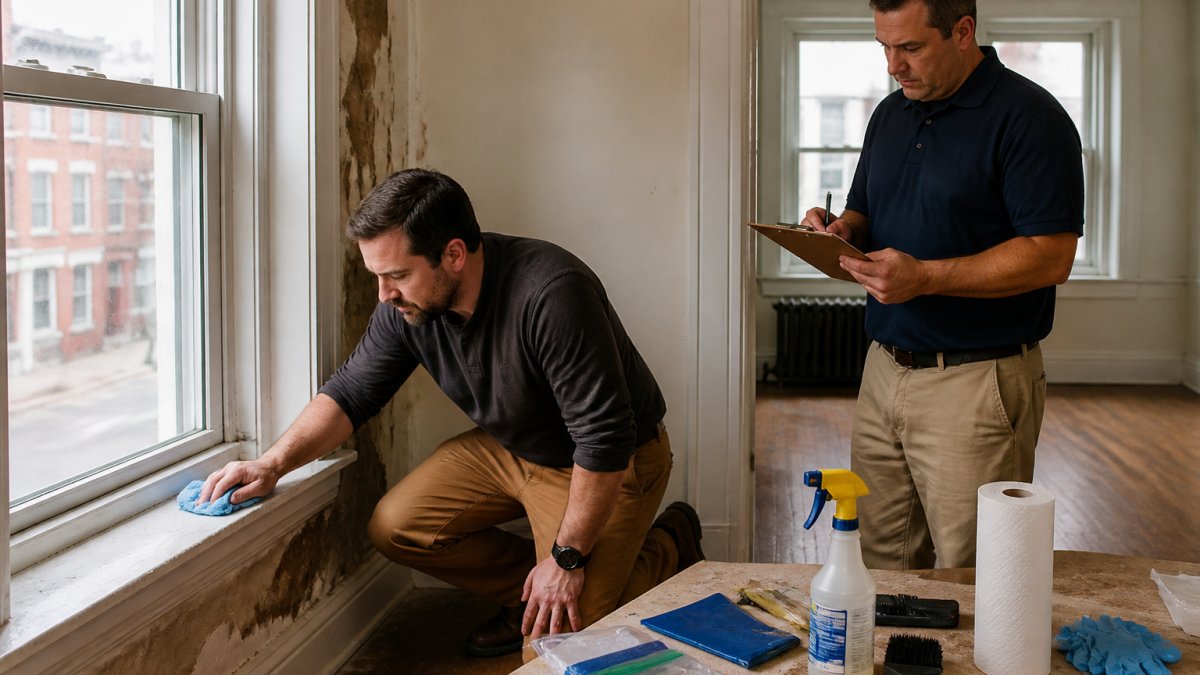
Start with the surfaces that fail most often:
- Wipe windowsills and window wells with a damp cloth
- HEPA vacuum floors, especially along walls and in corners
- Repair peeling or chipping paint on friction surfaces
- Clean window tracks and door thresholds
- Remove visible dust and debris from all tested rooms
- Confirm no ongoing renovation dust is present
Our step-by-step guide on how to prepare for a lead dust inspection covers room-by-room prep in more detail.
What most guides miss: cleaning the day before isn't enough if a window sticks and grinds paint every time it opens. Fix the friction point first.
Reading Your Lead Dust Wipe Test Results
Results come back as lab-reported dust-lead loadings per surface area. The report identifies which sampled surfaces fall below or above the applicable standard.
Read the report by surface, not by unit. A single failed windowsill tells you exactly where to focus, and it's often fixable with cleaning and repair rather than abatement.
If a unit fails, retesting is the next step. Ask about retest pricing before you book the first inspection, and check the 99leadsafe.com website for current pricing.
Book Your $99 Lead-Safe Inspection Before You Budget for Abatement
Here's the challenge: most landlords budget for the worst-case number before they know what their property actually needs. Abatement averages thousands. An inspection costs a fraction of that and tells you whether you need abatement at all.
At 99leadsafe.com, we run $99 lead-safe inspections with EPA-approved lab analysis, results in 2-7 business days, and expedited service is available. You get professional documentation and filing instructions for your rental license.
Get started with 99leadsafe.com and confirm your compliance status before you spend a dollar on abatement. Contact our team to book your inspection.
Frequently Asked Questions
Is it expensive to get rid of lead paint?
Professional lead paint removal is a major expense because it is a regulated activity with containment, protective equipment, and hazardous waste disposal. That is a different purchase from an inspection, which identifies where lead-based paint is present rather than removing it. For most landlords, the inspection comes first and determines whether any abatement is needed at all.
What is the difference between a lead inspection and lead abatement?
A lead inspection is an information-gathering step. The EPA describes it as identifying whether and where lead-based paint is present. Abatement is a hazard-control activity designed to permanently address lead-based paint hazards. One tells you what you have; the other changes it. That is why the two carry very different price tags and why an inspection result alone does not mean hazards have been permanently addressed. Your inspection report should tell you which surfaces are positive and what the next step is.
Does a lead-safe inspection require removing lead paint?
No. A lead-safe inspection is a dust wipe test that measures lead dust on floors, windowsills, and other surfaces. Passing does not require removing paint. It requires that dust-lead levels fall below the thresholds in the regulations, which landlords often reach through cleaning, fixing peeling paint, and addressing friction surfaces. Abatement only enters the picture when hazards are found that cleaning and repair cannot resolve. Ask your inspector to explain what your lead dust wipe test results mean before you budget for any removal work.
How much does a lead inspection cost compared with lead abatement?
Our lead-safe inspection is offered for $99; current pricing is on the 99leadsafe.com website. Inspection is the lower-cost step that tells you whether abatement is necessary, so start there before you commit to abatement.
What happens if a rental property fails a lead-safe inspection?
A failed dust wipe test means one or more surfaces came back above the dust-lead thresholds. The usual response is targeted cleaning, repairing any deteriorating paint or friction surfaces, and retesting the affected areas. Full abatement is not automatic. Your report should name which surfaces failed so you can fix those specific spots rather than treating the whole unit. Ask about retest pricing up front so a failed first test does not turn into a surprise bill, and keep the passing report on file for your lead-safe certificate requirements.