 Comparison
7 Affordable Lead Testing Alternatives for Rental Compliance
Last Updated: November 18, 2026
Quick Summary
Affordable lead testing for rental compliance means lab-backed dust wipe testing, not store-bought swabs. At 99leadsafe.com, professional dust wipe inspections start at $99, with results in 2-7 business days and a Lead Safe Certificate issued when results meet applicable requirements. Cheap swab kits cost less but produce nothing a rental license review will accept.
- A DIY swab only screens one small spot and cannot detect dust hazards elsewhere in the unit.
- The EPA recognizes LeadCheck, D-Lead, and the Massachusetts kit, but only for RRP renovation work by trained professionals.
- A negative swab result does not establish that a rental unit is lead-safe.
- Preparation should use wet methods and fresh rags, never dry sweeping or dry cloths.
- A compliant file needs laboratory results tied to specific sample locations plus a certificate.
Table of Contents
- Why Affordable Lead Testing Still Has to Satisfy Compliance
- DIY Lead Test Kits: Swabs, Paint Chips, and What They Actually Detect
- EPA-Recognized Test Kits and Their Limits for Rental Property
- Lead Dust Wipe Testing for Rental Properties: The Professional Alternative
- Philadelphia Lead-Safe Certificate Requirements Landlords Should Know
- Lead Inspection Documentation for City Compliance
- How to Pass a Lead-Safe Inspection: Preparing Your Rental Property
- Book Your $99 Lead Dust Inspection with 99leadsafe.com
- Frequently Asked Questions
Why Affordable Lead Testing Still Has to Satisfy Compliance
Affordable lead testing is only useful to a landlord if the result holds up when the city asks for it. A low-cost swab and a laboratory report can both tell you something about lead, but only one produces documentation a rental license review will accept.
The stakes are not abstract. Lead dust can be present even when painted surfaces look clean, which is why visual checks and surface swabs miss so much.
Below, we compare every realistic option on cost, accuracy, and compliance value, and show which one fits your situation.
DIY Lead Test Kits: Swabs, Paint Chips, and What They Actually Detect
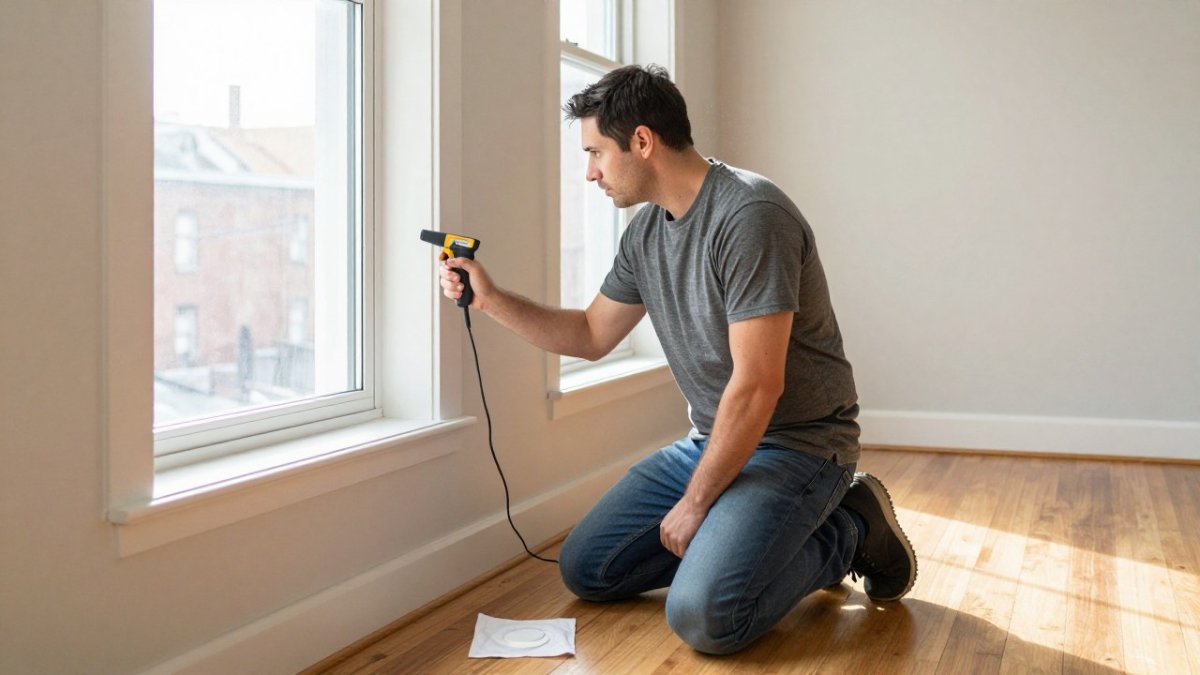
A DIY lead test kit detects lead on a painted surface through a color-change chemical reaction, usually within minutes. It tells you whether lead is likely present at the spot you tested. It does not tell you whether the dust in your rental is a hazard, and it does not produce a certificate.
The category splits into three types:
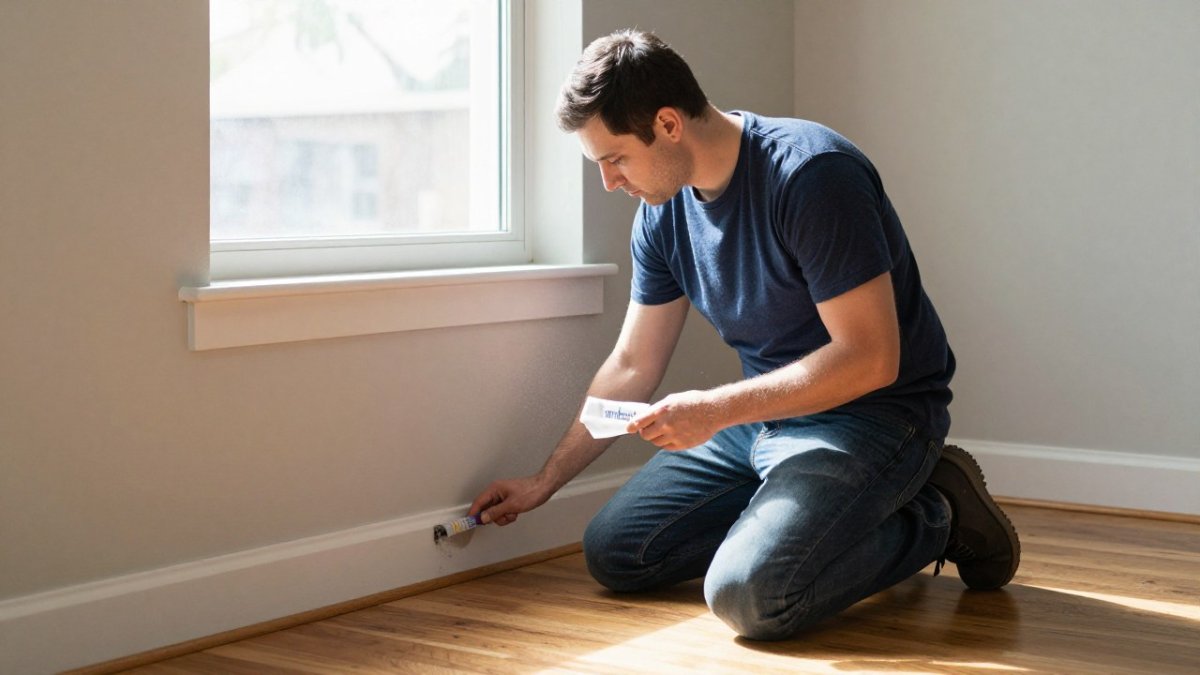
- Swab kits: A treated swab turns color on contact with lead. Fast, cheap, and limited to the exact spot touched.
- Paint chip kits: You send a chip to a lab for analysis. More precise about the paint, silent about dust.
- Home screening kits: Prices vary widely across consumer kits, so the range is wide.
How a color-change swab actually works
A rhodizonate-based swab (the chemistry behind several consumer kits) reacts with lead to form a pink-to-red color. The reaction is fast and visible, which is why swabs feel conclusive. The catch is that the color change is a screening signal, not a measurement. It reports "lead is likely here" at the tested spot; it does not quantify how much lead is present, and it cannot see lead that has migrated into dust on floors, sills, or window troughs.
What a negative swab result does not establish
This is the part most kit packaging underplays. A negative swab result does not establish that the unit is lead-safe. It establishes only that the specific spot touched did not trigger a color change under the conditions of that test. It says nothing about:
- Dust on friction surfaces the swab never touched
- Lead in soil tracked in from outside
- Lead that has settled into window troughs and floor corners
- Whether the surface was clean enough for the reagent to contact lead
Watch out: A swab pressed onto a dirty or painted-over surface can read negative simply because the reagent never reached the lead underneath, producing a false negative that feels like a clean bill of health.
False positives and false negatives in plain terms
A false positive is a color change where little or no lead is present, often from interfering metals or a contaminated test area. A false negative is no color change where lead is present, often from surface contamination, expired reagents, or testing the wrong spot. Both failure modes are why a single swab is a screening tool, not a compliance record. A landlord who relies on one swab per unit is making a decision on a sample of one small area out of hundreds of square feet of friction surface.
The scope problem for rental property
The core limitation is scope. A swab tests one small area. A rental unit has hundreds of square feet of friction surfaces where dust collects. That is the gap a Lead Dust Inspection Philadelphia landlords can file is built to close: it samples defined surfaces and sends them to a laboratory rather than relying on a spot color change.
EPA-Recognized Test Kits and Their Limits for Rental Property
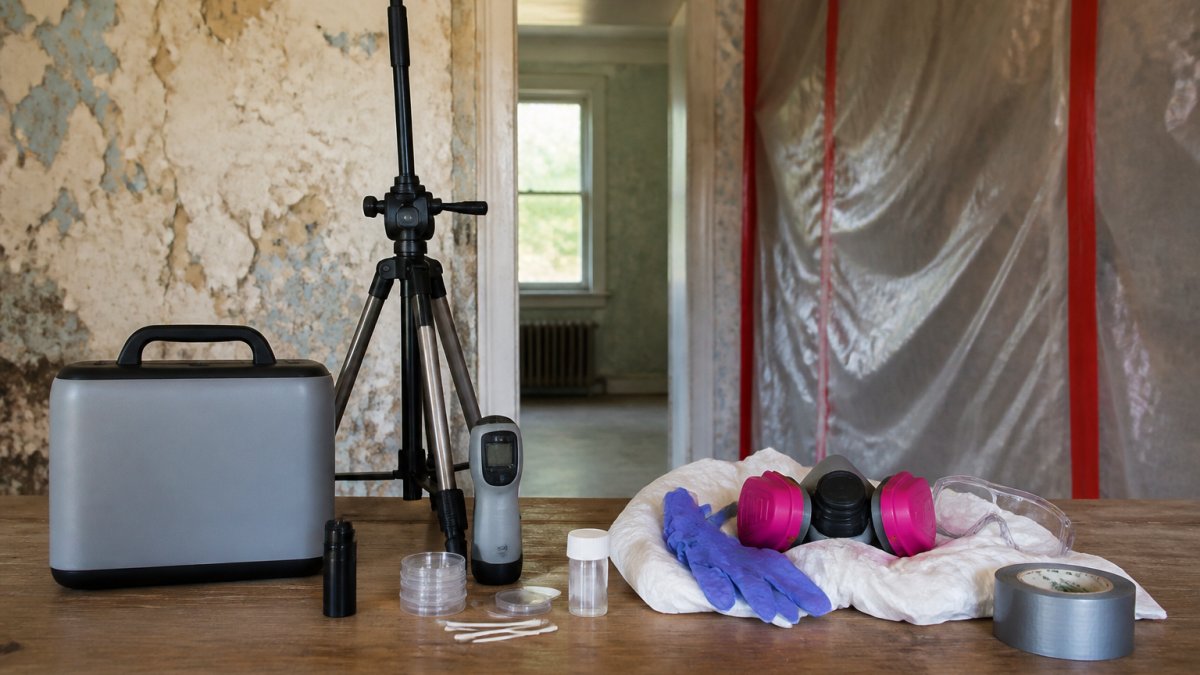
The EPA recognizes three lead test kits for complying with the Renovation, Repair and Painting Rule: LeadCheck™, D-Lead®, and the State of Massachusetts lead test kit (the EPA). According to the EPA's lead test kit guidance, a recognized kit used by a trained professional can reliably determine that regulated lead-based paint is not present.
Read that sentence carefully. The reliability statement is conditioned on a trained professional, and it addresses paint under the RRP Rule, not rental certification.
Why "recognized" is not the same as "compliant"
The recognition is scoped to a specific job: helping a certified renovator decide whether regulated lead-based paint is present before disturbing a surface during renovation. That is a paint question. Rental certification is a dust question. A kit can be perfectly legitimate for the first purpose and still produce nothing a rental license review will accept, because the deliverable for a rental file is laboratory dust results tied to specific sample locations, not a color change on a trim board.
The trained-professional condition matters
The EPA reliability statement assumes a trained professional using the kit correctly, proper surface preparation, correct wait time, correct reading of the color change. A landlord buying the same kit at a hardware store is not operating under that condition, which is one reason results vary so widely in the field. A common pattern is a kit that performs acceptably in trained hands and inconsistently in untrained ones.
Interpreting a positive or negative kit result
- Positive: Lead is likely present at the tested spot. It does not tell you the concentration, the extent, or whether dust is a hazard elsewhere in the unit.
- Negative: Lead was not detected at the tested spot under those conditions. It does not establish that the paint is lead-free, and it says nothing about dust.
Neither result substitutes for the dust wipe testing a rental compliance file requires. For landlords, the practical takeaway is blunt: an EPA-recognized kit is a legitimate tool for renovation work. It is not a substitute for the dust wipe testing a rental compliance file requires, and it will not produce a Lead Safe Certificate. If your goal is a Lead Safe Inspection Philadelphia file that survives review, the kit is a starting question, not an answer.
Lead Dust Wipe Testing for Rental Properties: The Professional Alternative
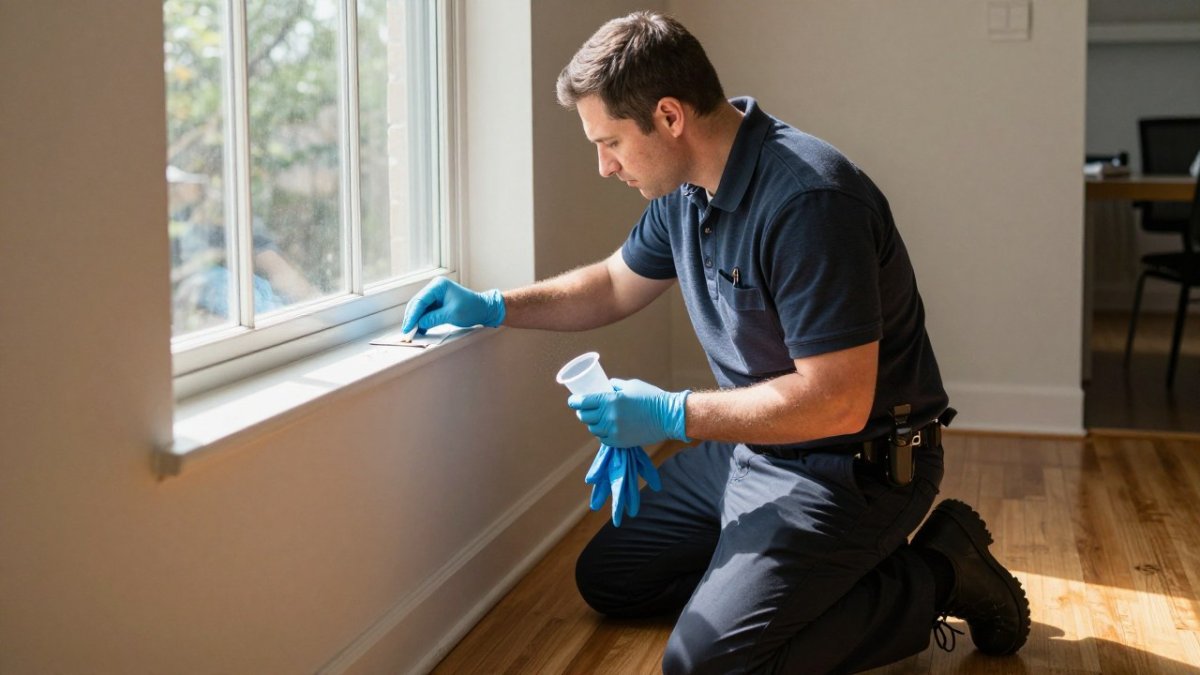
Lead dust wipe testing is the professional method for rental compliance: a trained inspector wipes defined surfaces, submits the samples to an accredited laboratory, and issues documentation based on the results. It measures the hazard that actually affects tenants, which is settled dust, not painted trim.
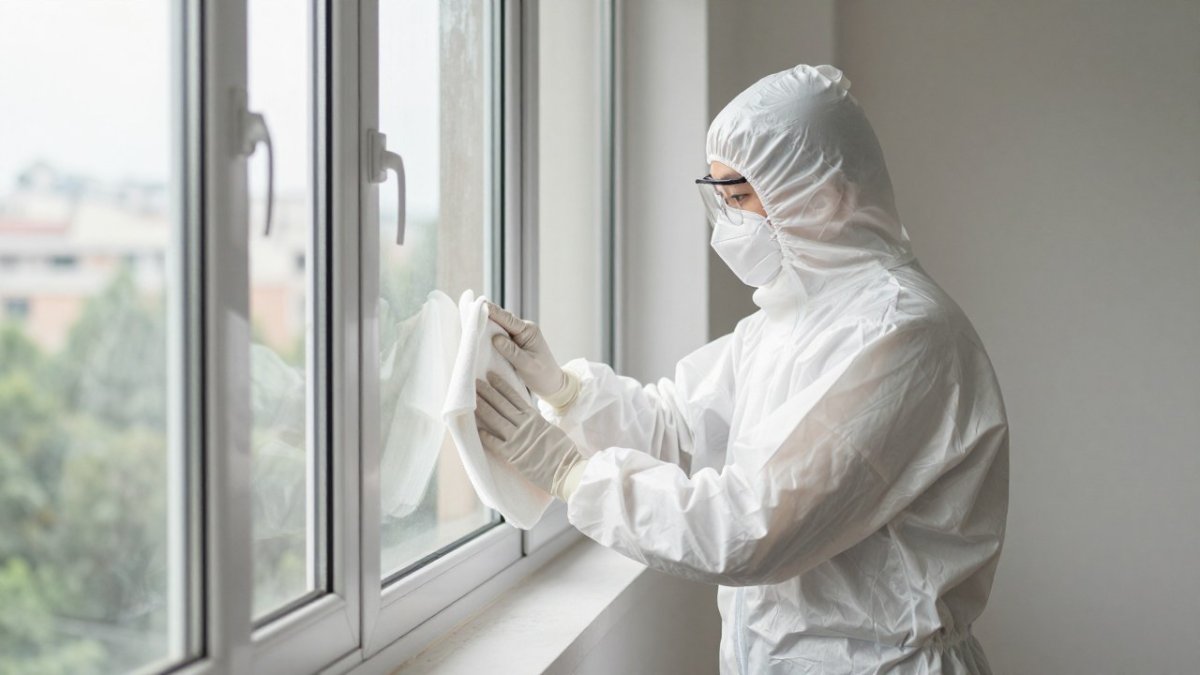
At 99leadsafe.com, our Lead Dust Inspection Philadelphia service uses $99 pricing as a starting point, with results in 2-7 business days and expedited service available. Samples go to a qualified laboratory, and a Lead Safe Certificate is issued when results meet applicable requirements. Pricing depends on property scope, so visit https://99leadsafe.com for current pricing and a quote.
For a full walkthrough of the method, see what a lead dust wipe test involves. If you have already compared kits and want the professional side by side, our guide to alternatives to DIY lead test kits for rentals lays out XRF and lab dust wipe options.
Philadelphia Lead-Safe Certificate Requirements Landlords Should Know
A Lead Safe Certificate confirms a property met applicable lead dust safety standards at the time of testing. It is not the same as Lead Free status, which involves different inspection requirements. Many landlords do not realize the two certifications are distinct, and that confusion causes real filing problems.
Philadelphia landlords should understand that lead certification can affect rental licensing and tenant turnover. Requirements can change, so confirm current rules with the city before you file. Our breakdown of Philadelphia lead inspection requirements covers what landlords need and how to prepare.
Lead Inspection Documentation for City Compliance
Documentation is where cheap testing falls apart. A color-change swab gives you a yes or no and nothing a clerk can process. A compliant file needs laboratory results tied to specific sample locations and a certificate issued against applicable requirements.
Watch out: a landlord who tests with a store-bought kit, gets a clean reading, and files nothing has spent money without buying compliance. The file is the deliverable.
For the exact paperwork, records, and renewal rules, read our guide to lead safe certification documentation.
How to Pass a Lead-Safe Inspection: Preparing Your Rental Property
Most failures trace back to dust on surfaces the owner never cleaned. Preparation is straightforward if you do it properly:
- Clean floors throughout, including corners and under radiators
- Wipe every windowsill with a lead-safe cleaning method
- Clear window troughs of dust and debris
- Use wet methods and fresh rags, not dry sweeping
- Confirm the unit is accessible for the inspector
- Ask which areas will be tested before booking
A common mistake is cleaning with a dry cloth, which spreads dust rather than removing it. Our 7-step preparation checklist walks through each item in order.
| Option | Typical Cost | Accuracy | Compliance Value |
|---|---|---|---|
| Swab kit | Low per test | Spot-level only | None for rental filing |
| Paint chip lab test | Moderate | Good for paint | Not a dust certificate |
| XRF analyzer | High purchase or rental | Strong on paint | Paint only |
| Professional dust wipe | $99 at 99leadsafe.com | Lab-verified dust | Certificate issued |
Book Your $99 Lead Dust Inspection with 99leadsafe.com
If your goal is a rental license file that survives scrutiny, a lab-backed dust wipe inspection is the shortest path there.
99leadsafe.com provides lead-safe inspections with lab analysis, results in 2-7 business days, expedited service availability, and documentation with filing instructions. Visit https://99leadsafe.com for current pricing. We serve landlords, property managers, and child-care operators across the Greater Philadelphia area.
Get started with 99leadsafe.com and book your $99 lead dust inspection at https://99leadsafe.com.
A rental license renewal will not wait for a retest cycle. Book a $99 lead-safe inspection with 99leadsafe.com, get lab-verified dust results in 2-7 business days, and file with documentation that matches what the city asks for.
Frequently Asked Questions
Can a landlord use a DIY lead test for rental compliance?
In most cases, no. EPA-recognized kits are intended for RRP Rule surface testing by trained professionals, not for certifying a rental property. Philadelphia's lead-safe certification process relies on dust wipe samples analyzed by an accredited laboratory, and a color-change swab at the hardware store does not produce that documentation. If your goal is a Lead Safe Certificate, a professional lead dust inspection is the reliable path.
Is a lead dust wipe test enough for rental property compliance?
For a Lead Safe Certificate, dust wipe testing is the core requirement. A certified inspector collects dust samples from floors, windowsills, and window troughs, submits them to an accredited lab, and issues a certificate when results meet applicable standards. A Lead Free designation involves a different inspection with more extensive surface testing, so confirm which certificate your property needs before scheduling.
How much do affordable lead testing alternatives actually cost?
Home kit and XRF analyzer costs vary widely by model and by whether equipment is bought or rented. Professional lead dust inspections are priced per property and scope. Visit 99leadsafe.com for current pricing and scheduling.
What documents should landlords keep after a lead inspection?
Keep the Lead Safe Certificate itself, the laboratory report showing dust wipe results, the inspector's credentials, and the date and scope of testing. These records support lead inspection documentation for city compliance and help if a tenant or licensing inspector asks questions later. Store copies digitally and note when the certificate expires so you can schedule retesting before renewal deadlines.
How can landlords prepare a rental property for a lead-safe inspection?
Clean floors, windowsills, and window troughs using lead-safe cleaning methods before the inspector arrives, and make sure all units are accessible. Remove clutter from testing areas and avoid dry sweeping or sanding, which spreads dust. 99leadsafe.com helps property owners understand the testing process, lab results, and next steps.