 how-to
How to Handle Lead Paint Disclosure for Tenants
Last Updated: October 30, 2026
Quick Summary
Lead paint disclosure is a federal duty requiring landlords to disclose known lead-based paint and lead hazards before a tenant signs a lease. Provide the EPA-approved disclosure form and lead-safety pamphlet, collect signatures, and give the tenant a copy of everything signed.
- Federal disclosure applies to pre-1978 housing, meaning any rental built before January 1, 1978.
- Disclose before leasing, before subletting, and before renovation that disturbs painted surfaces.
- Hand over the EPA lead-safety pamphlet every time, even on renewals.
- If a tenant refuses to sign, document the offer, reason, and delivery proof instead.
- Keep signed forms and pamphlet receipts for at least three years after the tenancy ends.
Table of Contents
- Step 1: Confirm Whether Your Rental Falls Under Federal Disclosure Rules
- Step 2: Gather Your Known Lead Hazards and Available Records
- Step 3: Complete the EPA-Approved Disclosure Form With the Tenant
- Lead Safe Certification Philadelphia: How Local Rules Layer on Federal Law
- Lead Dust Testing Philadelphia: What to Do After a Hazard Is Reported
- Lead Testing for Landlords: Retaining Records and Avoiding Common Mistakes
- Lead Inspection Norristown PA: Scheduling Your Pre-Lease Compliance Check
- Book Your Lead-Safe Inspection Before the Next Lease Signing
- Frequently Asked Questions
Step 1: Confirm Whether Your Rental Falls Under Federal Disclosure Rules
Lead paint disclosure is a federal duty that applies before you sign a lease, and it costs nothing to get right.
The federal rule comes from the Residential Lead-Based Paint Hazard Reduction Act, enforced by the EPA. For the full breakdown of EPA lead safety standards for landlords, see our complete guide. The EPA's real estate disclosure guidance lays out the core steps.
Pre-1978 Housing and the Exemption Rules
Pre-1978 housing means any rental built before January 1, 1978. That is the cutoff for federal disclosure.
If your building went up before that date, assume the rule applies until you can prove otherwise. Exemptions are narrow, and the EPA rule sets out the specific conditions under which they apply.
Get the exemption in writing. A verbal assumption will not protect you.
When Disclosure Must Happen: Lease, Sublease, and Renovation
Timing is where landlords slip up. Disclosure must happen before the tenant is obligated, not after.
Three trigger points matter:
- Before leasing a unit to a new tenant
- Before subletting, even if you are the original tenant
- Before renovation that disturbs painted surfaces
For a lease, hand over the form and pamphlet, then collect signatures. For renovation, the contractor handles a separate EPA pamphlet. Do not mix the two.
Step 2: Gather Your Known Lead Hazards and Available Records
Before you touch the form, collect what you actually know about the property. "Known" is the key word here.
Pull together:
- Any prior lead inspection report or lead risk assessment
- Records of past lead hazard repairs or abatement
- Notes on deteriorated paint, chipping, or dust
If you have nothing, that is fine. Our guide on landlord liability for lead paint exposure explains how records affect your risk.
Watch out: promising a unit is "lead-free" without a certified inspection is a claim you cannot back up.
Step 3: Complete the EPA-Approved Disclosure Form With the Tenant
The lead-based paint disclosure form is a short document, but every field matters. Fill it out with the tenant present so signatures happen in real time.
Here is the order that works:
- List the property address and unit number
- Check the box for known hazards, or state "no known lead-based paint"
- Attach any inspection reports or records
- Have the tenant initial each section
- Both parties sign and date

Landlord Signature, Tenant Acknowledgment, and the Lead-Safety Pamphlet
Two things get forgotten in the rush of a lease signing: the pamphlet and the tenant's copy.
Hand over the EPA lead-safety pamphlet every time, even for renewals. The tenant signs to confirm receipt.
Per National Legal Services guidance on landlord lead disclosures, landlords must provide the EPA brochure and include a lead warning statement in the lease.
Our walkthrough on how to fill out the Philadelphia lead disclosure form covers each field line by line.
What to Do When a Tenant Refuses to Sign
A tenant can decline to acknowledge receipt. That does not cancel your duty, it changes how you document it. A common pattern among property managers:
- Note the date, time, and that the tenant was offered the form and pamphlet
- Record the tenant's stated reason, if any
- Have a witness (co-owner, agent, or property manager) initial the note
- Deliver the pamphlet and form by a method you can prove, hand delivery with a signed receipt, certified mail, or email with delivery confirmation
You cannot force a signature, but you can show you disclosed. That paper trail is what matters if a dispute arises.
Multiple Tenants, Subleases, and Renewals
Each adult tenant who signs the lease should acknowledge receipt. If one tenant signs for the household, note that on the form and keep a record of who received the pamphlet. For subleases, the original tenant takes on the disclosure duty, but as the owner, confirm the sublease file contains a completed form before you approve it.
How Long to Keep Signed Disclosure Records
Keep the signed acknowledgment and the pamphlet receipt for as long as the federal and local rules require, and consider keeping the full file for the life of the property, because a lead claim can surface years later. Store the form, the pamphlet receipt, any inspection reports, and delivery proof together, one folder per unit, physical or digital.
Lead Safe Certification Philadelphia: How Local Rules Layer on Federal Law
Federal law is the floor, not the ceiling. Philadelphia adds its own rental license requirements on top, and this is where out-of-town landlords get caught.
The city ties rental licenses to lead safety. A Lead Safe Certificate Philadelphia shows your unit passed a certified inspection.
So you have two jobs:
- Federal: disclose known hazards before leasing
- Local: hold a current Lead Safe Certification Philadelphia for covered units
These are separate obligations. Check your status with our guide on Lead Safe Certification Philadelphia before your next license renewal.
Lead Dust Testing Philadelphia: What to Do After a Hazard Is Reported
A tenant calls and says paint is peeling in the hallway. What happens next decides your exposure. Disclosure is a one-time form; a hazard report starts a response clock. Most guides treat this as an afterthought, the sequence below is what actually protects you.
Step 1: Document the Report
Do not panic and do not ignore it. Write down the date, time, who reported it, and exactly what they described. Ask for photos if the tenant has them. Send a short written acknowledgment to the tenant confirming you received the report, email is fine. That timestamp starts your defense file.
Step 2: Arrange Lead Dust Testing
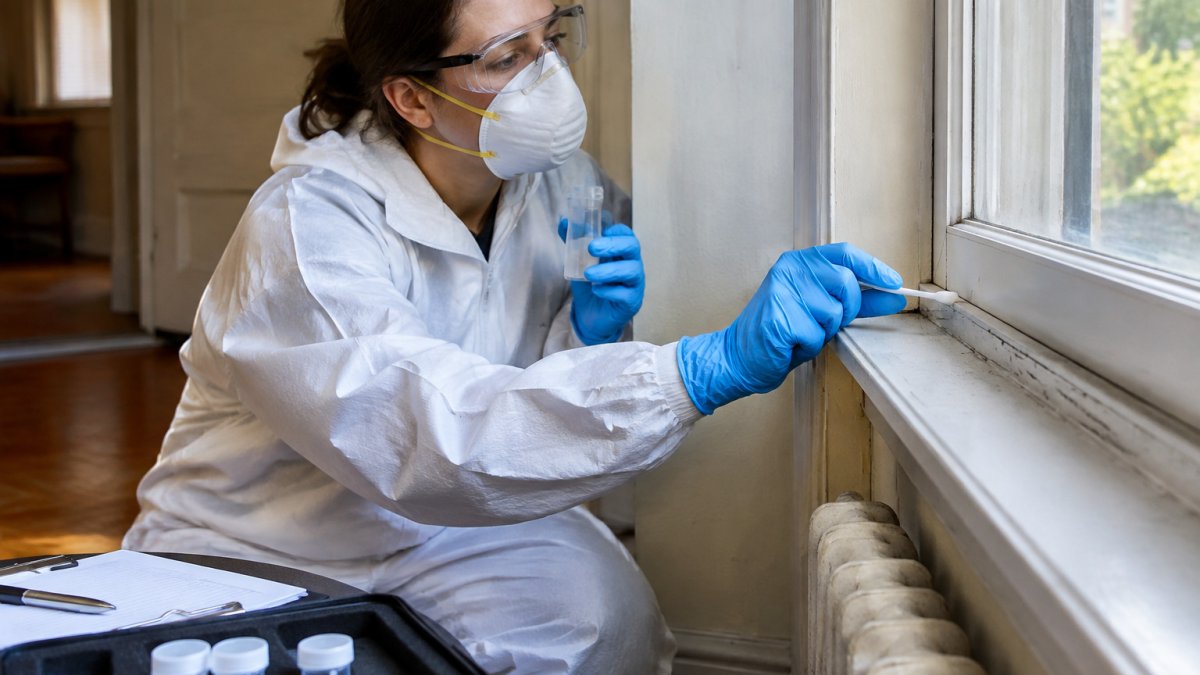
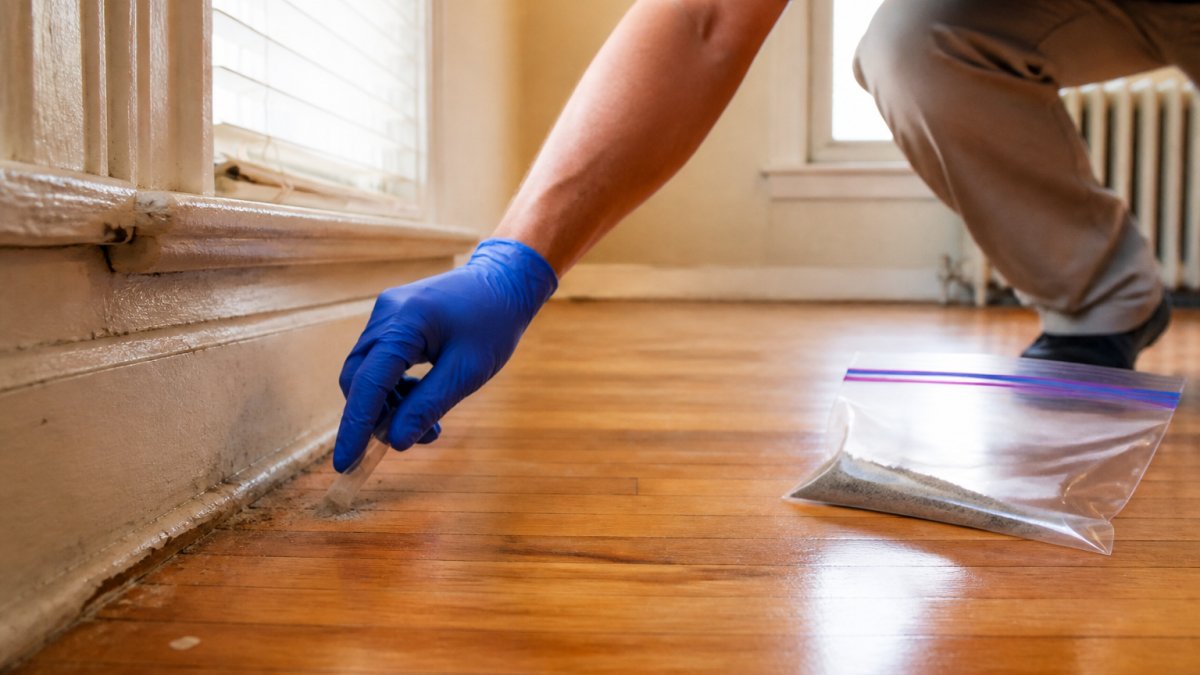
Dust wipe testing checks floors, windowsills, and other surfaces for lead dust, it is different from a full risk assessment, which also evaluates paint condition and soil. For a single reported area, dust wipe testing is usually the fastest way to know whether a hazard exists. Keep every lab report and chain-of-custody form.
Step 3: Communicate With the Tenant
Tell the tenant what you are doing and when. If testing is pending, give a realistic timeline. If results come back elevated, tell them in writing what the levels are, what interim steps you are taking, and when work will happen. Silence is what turns a repair into a complaint.
Step 4: Address the Hazard
If results come back elevated, you have a duty to address the hazard. Depending on severity, that may mean:
- Interim controls, cleaning, repainting deteriorated surfaces, and stabilizing peeling paint
- Repair or abatement, fixing the source, using lead-safe work practices
- A full risk assessment, when the scope is unclear or a child under six lives in the unit
Use contractors trained in lead-safe work practices. Keep every invoice and lab report.
The EPA's lead hazard information for property owners outlines the repair and disclosure steps that follow a confirmed hazard.
Step 5: Close the Loop and Update Your Records
After work is done, retest if the hazard was significant, send the tenant a written summary, and file everything with the unit's disclosure records. If the property now has a known hazard history, that changes what you disclose to the next tenant, update your form accordingly.
Lead Testing for Landlords: Retaining Records and Avoiding Common Mistakes
Records are your defense. Keep signed forms, pamphlets receipts, and inspection reports for at least three years after the tenancy ends. Many landlords keep them for the life of the property.
The mistakes we see most often:
- Collecting signatures after the lease is signed
- Skipping the pamphlet on renewals
- Losing the tenant's signed copy
- Relying on a verbal "no lead here"
Lead Testing for Landlords is not just about passing an inspection. It is about having a paper trail that holds up if a dispute lands on your desk.
| Mistake | Fix | Why It Matters |
|---|---|---|
| Signatures after lease | Sign before keys | Timing is a legal trigger |
| Pamphlet skipped | Hand out every renewal | Receipt is required |
| No tenant copy | Print two copies | Tenant rights to records |
| Verbal assurance | Written disclosure only | Proof in a dispute |
| Local cert ignored | Check city status | License can be blocked |
Lead Inspection Norristown PA: Scheduling Your Pre-Lease Compliance Check
Timing beats urgency every time. Book your Lead Inspection Norristown PA landlords rely on before a lease is set to sign, not the week of.
A practical schedule:
- Two to three weeks before lease signing: book the inspection
- Two to seven business days: lab results return
- One week buffer: fix any issues and gather paperwork
Lead inspections are typically run through an EPA-approved lab, and expedited service may be available when a signing date is close. That buffer is what separates a calm signing from a delayed one.
Book Your Lead-Safe Inspection Before the Next Lease Signing
The gap between a smooth lease signing and a delayed one usually comes down to paperwork you could have handled weeks earlier.
At 99leadsafe.com, we handle the inspection side so you can focus on the lease. You can see and book the inspection service on our Services page.
Visit 99leadsafe.com for current pricing and walk into your next signing with your compliance in hand.
Frequently Asked Questions
What is a lead-based paint disclosure?
It is a federal requirement under the Residential Lead-Based Paint Hazard Reduction Act that landlords of pre-1978 rental housing disclose any known lead-based paint or lead hazards to tenants before a lease or sublease is signed. The disclosure includes an EPA-approved form, any available inspection or risk assessment reports, and the EPA lead-hazards pamphlet. Both landlord and tenant sign the form, and the landlord retains a copy as proof of compliance.
Does a Lead Safe Certification Philadelphia properties need replace the federal lead paint disclosure requirement?
No. A local Lead Safe Certification and the federal lead paint disclosure are separate obligations that both apply to pre-1978 rentals. The federal disclosure covers known hazards, available records, and the signed EPA form. Local certification addresses the property's current lead-safe status under city rules. Completing one does not satisfy the other, so keep both sets of paperwork on file and provide the federal disclosure at every new lease signing.
What happens if a landlord fails to disclose lead paint?
Skipping the disclosure exposes the landlord to federal penalties and gives the tenant legal grounds to challenge the lease. The practical fix is to correct the file immediately: provide the EPA-approved form, the lead-safety pamphlet, and any inspection records, then obtain the tenant's signed acknowledgment. If you are unsure whether a hazard exists, schedule lead dust testing so your next disclosure reflects verified results rather than an unverified no known lead claim.
How often do rental properties need lead dust testing?
There is no single federal interval for lead dust testing, so the schedule depends on local rules and on what changed at the property. Test before a new lease if you have no current report, after any renovation, repair, or painting that disturbs painted surfaces, and whenever a tenant reports a suspected hazard such as deteriorating paint or dust. Keep each report with your disclosure records so you can show tenants and inspectors exactly what was known and when.
Disclosure rules only protect you when the inspection behind them is solid. If your next lease is already on the calendar, book the inspection now and give yourself room to fix anything that comes back elevated.