 How-to
7 Steps to Prevent Lead Dust in Rental Units
Quick Summary
Lead dust forms when lead-based paint on windows, doors, and other friction surfaces cracks, chips, or wears down into fine particles that settle on floors, sills, and furniture. Most rental units built before 1978 are at risk. Preventing it means identifying pre-1978 housing and deteriorating paint, testing for lead dust, and cleaning with wet methods.
- Any unit built before 1978 may contain lead-based paint.
- Do not scrape or sand paint to check for lead; use a trained inspector.
- Schedule wipe testing before a new tenant moves in and after repairs.
- Use plastic sheeting, HEPA vacuums, and mist surfaces before scraping.
- Give tenants the lead paint disclosure and EPA pamphlet before signing the lease.
Table of Contents
- Lead Dust in Rental Units: What It Is and Why Landlords Need to Act
- Step 1: Identify Pre-1978 Housing and Deteriorating Paint
- Step 2: Schedule Lead Dust Wipe Testing for Rental Properties
- Step 3: Use Lead-Safe Work Practices for Rental Repairs
- Step 4: Clean Safely and Keep Floors, Sills, and Windows Dust-Free
- Step 5: Provide the Lead Paint Disclosure Form for Tenants
- Step 6: Run Lead Dust Testing After Renovation
- Booking Your Lead-Safe Inspection Before the Next Lease
- Frequently Asked Questions
Lead Dust in Rental Units: What It Is and Why Landlords Need to Act
Last Updated: November 11, 2026
Lead dust is one of the most common ways children and adults are exposed to lead in older homes. At 99leadsafe.com, we help Philadelphia landlords understand these risks and meet their legal duties. Lead dust forms when lead-based paint on windows, doors, and other friction surfaces cracks, chips, or wears down into fine particles that settle on floors, sills, and furniture.
Most rental units built before 1978 are at risk. According to the National Center for Biotechnology Information analysis of lead paint in older housing, lead paint remains a primary source of poisoning in older housing stock, even though the federal government banned residential lead paint in 1978.
Lead dust is fine lead particles that settle on surfaces and can be swallowed or inhaled.
Rental units are at higher risk for a few reasons:
- Tenants move in and out, so surfaces are repainted, repaired, and disturbed often.
- Windows and doors get heavy use, which wears paint down.
- Older units may have paint layers that were never removed.
The EPA now treats lead dust as hazardous at any reportable level. The National Apartment Association report on the EPA final rule explains that labs recognized by the EPA must report these levels, which means even small amounts count.
The seven steps below show how to reduce lead dust in your rental units. Each step builds on the one before it, so work through them in order.
Step 1: Identify Pre-1978 Housing and Deteriorating Paint
Start by finding out when each building was built. Any unit built before 1978 may contain lead-based paint.
Next, look for signs of deteriorating paint:
- Peeling, chipping, or cracking paint on walls, ceilings, and trim
- Chalky or powdery surfaces that leave residue on your hands
- Damp or wet paint on window sills and frames
- Paint on friction surfaces like window tracks, doors, and stair rails
Watch out: Do not scrape or sand paint to check for lead. That releases dust into the unit. Use a trained inspector instead.
Step 2: Schedule Lead Dust Wipe Testing for Rental Properties
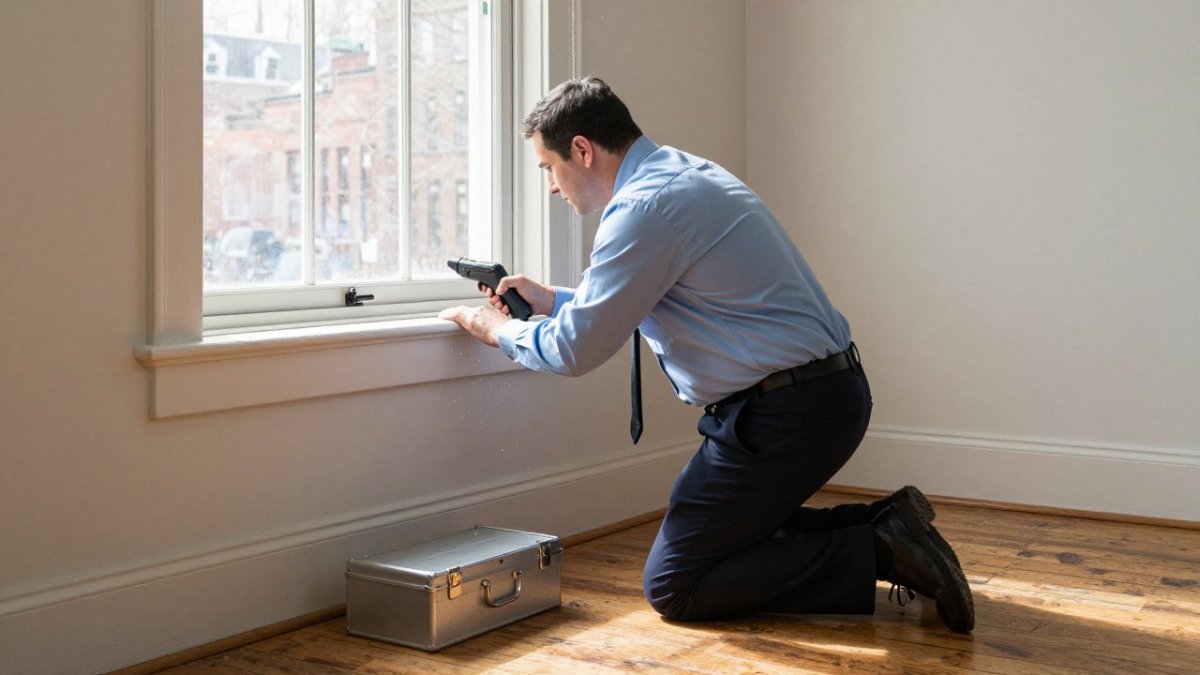
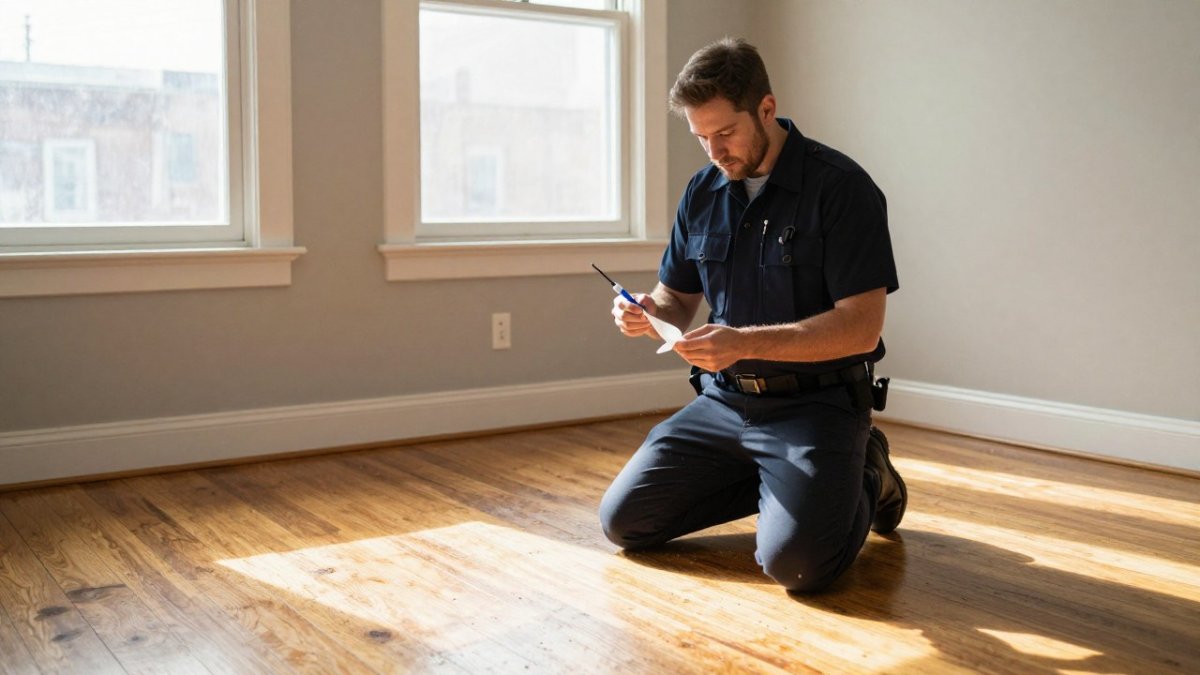
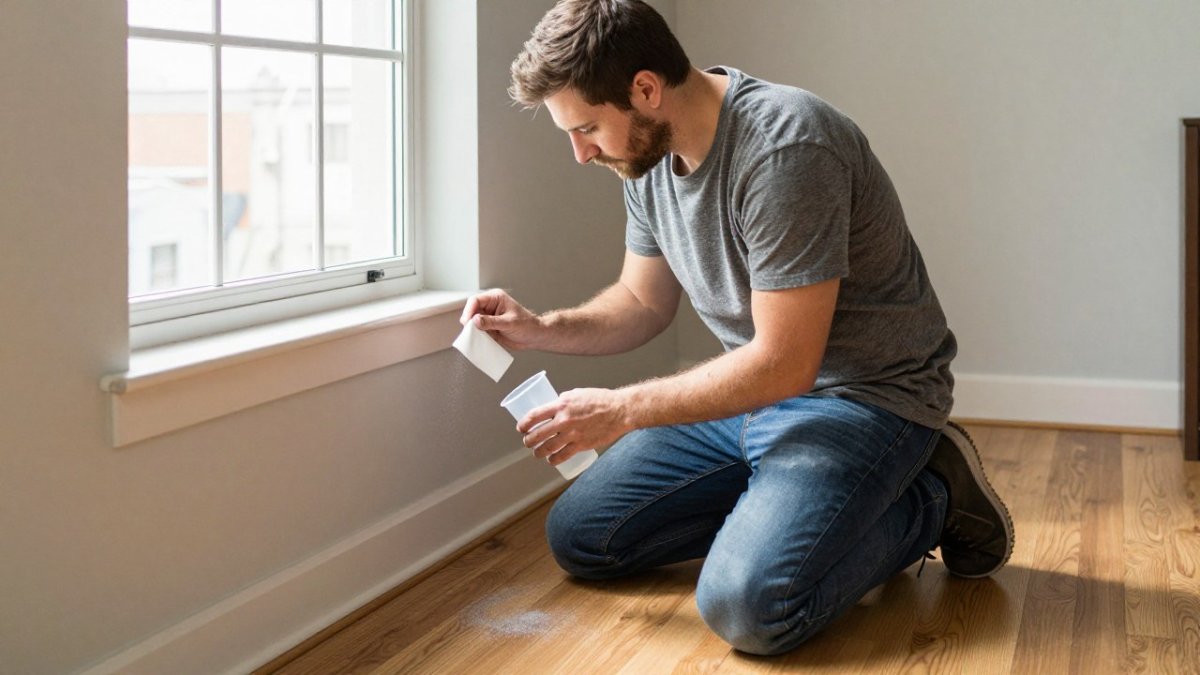
A wipe test is the most direct way to measure lead dust. Our guide to lead dust wipe tests explains how a sample is taken and what the results mean. An inspector wipes a set area of a floor, sill, or window well, then sends the sample to a lab for analysis.
Testing is worth doing before a new tenant moves in and after any repairs. Compare options in our guide to affordable lead testing for rentals. Our $99 Lead-Safe Inspection includes dust wipe sampling analyzed by an EPA-approved lab. Results arrive in 2 to 7 business days, and expedited service is available.
Because each unit is different, test several rooms rather than one. Floors near windows and window sills are the most common places to find lead dust.
Step 3: Use Lead-Safe Work Practices for Rental Repairs
Repairs can create more lead dust than anything else. Sanding, scraping, and demolition spread particles fast.
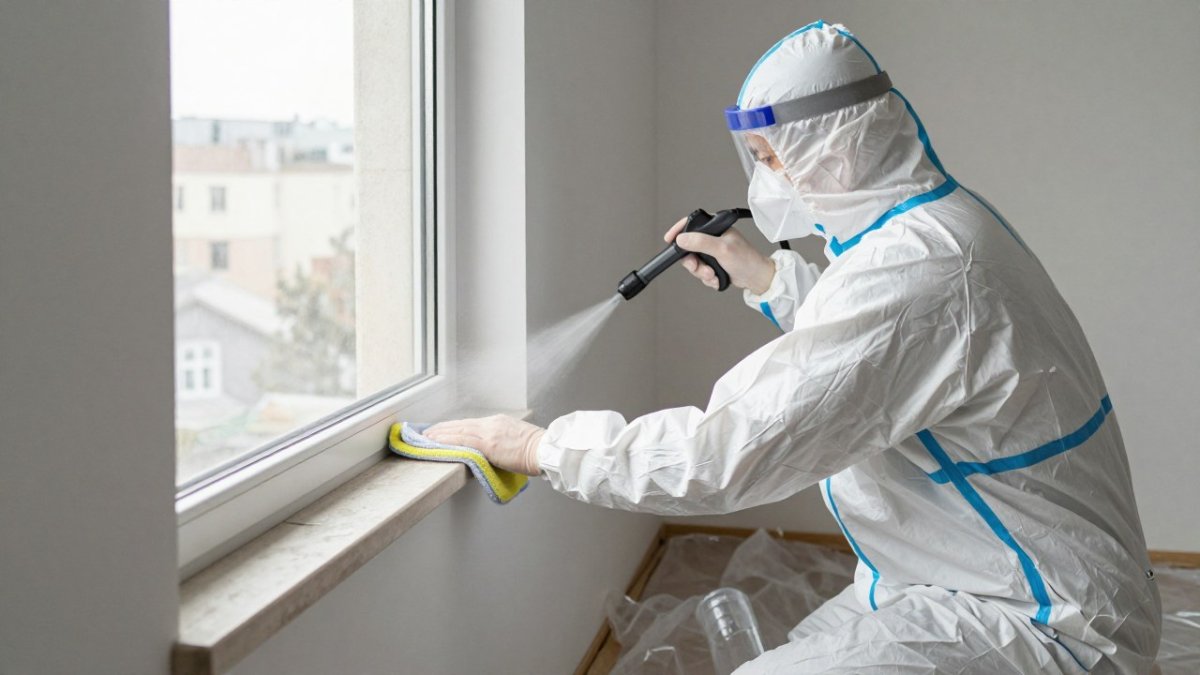
Lead-safe work practices reduce that risk. Before any work starts:
- Cover floors and furniture with plastic sheeting.
- Seal off doors and vents with tape.
- Keep children and pregnant people out of the work area.
- Mist surfaces with water before scraping.
- Use a HEPA vacuum rather than a regular vacuum or broom.
Contractors who work on pre-1978 units should follow EPA Renovation, Repair and Painting rule guidance for lead-safe work practices.
Step 4: Clean Safely and Keep Floors, Sills, and Windows Dust-Free
Regular cleaning removes lead dust before it builds up and gets tracked through the unit. The method matters as much as the frequency. Dry sweeping, dry dusting, and using a standard vacuum without a HEPA filter all push fine particles back into the air, where they settle again on floors and sills. Avoid all three.
A safe routine has a clear order. Work from the top of the room down and from the far corner toward the door, so dirty water and debris never cross areas you have already cleaned.
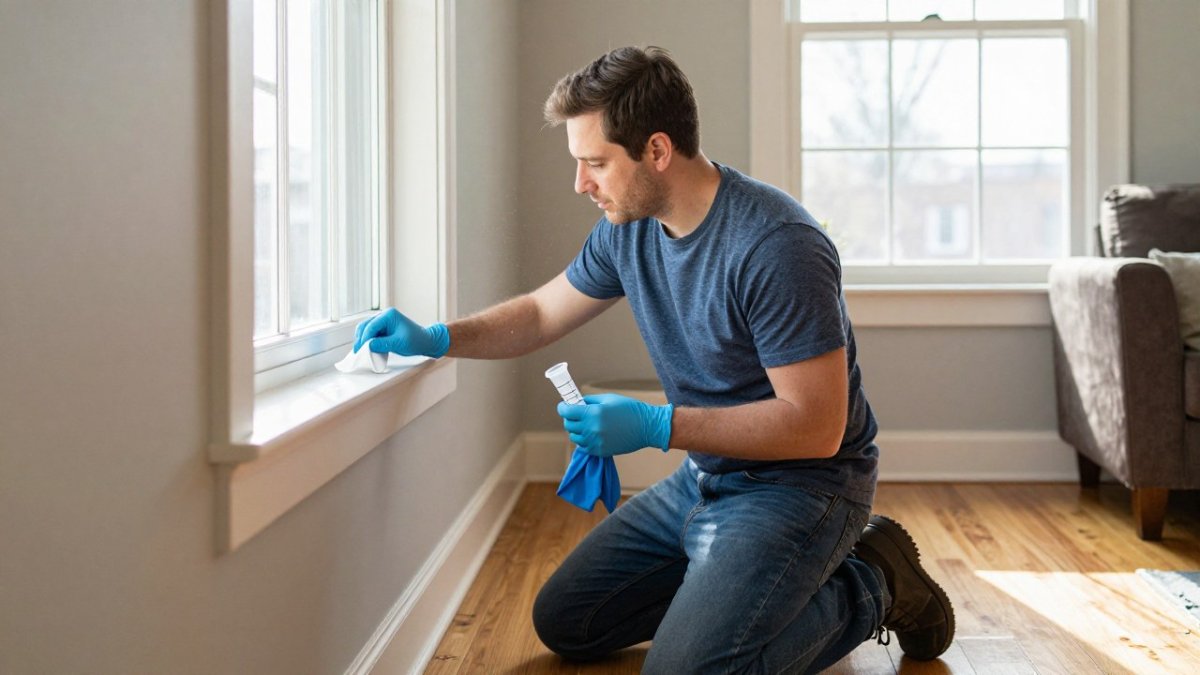
- Wipe high surfaces first. Start with window tracks, sills, and the lower portion of walls, using a damp cloth or wet paper towel. Fold the towel so a clean side touches the surface with each pass, and discard it when it is visibly dirty.
- Wash friction surfaces. Window troughs, door edges, and stair rails collect the most dust from opening and closing. Wipe them with a detergent solution, then rinse with clean water.
- Mop floors last. Use two buckets, one with detergent solution and one with clean rinse water. Change the rinse water often, because mopping with dirty water spreads the dust you just removed.
- Vacuum only with a HEPA filter. If you vacuum upholstery or carpet, use a unit with a HEPA filter and empty the canister outdoors or into a sealed bag.
Watch out: Sanding a sill or scraping a window track to remove grime will release lead dust even if the cleaning afterward is thorough. Clean the surface, do not abrade it.
Household habits reduce how much dust reaches these surfaces in the first place. Tenants and property managers can help by removing shoes at the entry, wet-wiping toys and small items that sit on floors, and washing hands before eating, especially in rooms with peeling paint near windows. Keep window areas clear of clutter so dust is easier to wipe away. Landlords can share these habits in the move-in packet, since most tenants do not know that a standard broom and dry dusting can make dust worse.
For a unit with known dust hazards, cleaning alone does not confirm the result. A wipe test after cleaning shows whether the routine is working, and it is the only way to know the surfaces are below the action level.
The article gives a clear order for safe cleaning, from the top of the room down, with the methods to use and avoid.
| Cleaning task | Method | Key note |
|---|---|---|
| Window tracks and sills | Damp cloth or wet paper towel | Discard towel when visibly dirty |
| Window troughs, door edges, stair rails | Detergent solution, then clean water rinse | Collect the most dust from use |
| Floors | Mop with two buckets | Change rinse water often |
| Upholstery or carpet | Vacuum with HEPA filter | Empty outdoors or into sealed bag |
| Dry sweeping, dry dusting, standard vacuum | Avoid | Push fine particles back into air |
| Sanding or abrading sills and tracks | Avoid | Releases lead dust even if cleaned after |
Step 5: Provide the Lead Paint Disclosure Form for Tenants
Federal law requires landlords of pre-1978 housing to give tenants information about lead-based paint before a lease is signed. The disclosure is a required part of that process.
A complete disclosure discloses any known lead-based paint or lead hazards and provides any reports on file, and the landlord gives the tenant the EPA pamphlet on protecting families from lead in the home. Both parties sign and date the disclosure.
A practical workflow looks like this:
- Complete the disclosure form before the lease is signed, not after move-in. Our step-by-step EPA form workflow walks through each part of the process.
- Attach any inspection or risk assessment reports you already have, and say clearly if none exist.
- Hand over the EPA pamphlet and note the date you delivered it.
- Keep the signed originals in one folder per unit so they can be found quickly. See the documentation and filing system for protecting against lead liability.
Watch out: A disclosure that says "no known lead paint" when the building was built before 1978 and never tested is not a clean record. Answer based on what you actually know, and say when you do not know.
What renters should do when a landlord does not respond is a gap in most guidance, and it matters. If a tenant suspects deteriorating paint and the landlord has not provided a disclosure or has ignored a repair request, the tenant should first make the request in writing, keep a copy, and describe the specific condition, such as peeling paint on a window sill in a room where a child spends time. Photographs with dates help. If the written request gets no answer within a reasonable period, the tenant can contact the local health department or housing code enforcement office in their city or county. Procedures and timelines vary by jurisdiction, so the tenant should confirm the local process before relying on it.
For landlords, the simplest protection is to make the disclosure complete and to respond to written reports quickly. A documented response is far easier to defend than an undocumented one.
Step 6: Run Lead Dust Testing After Renovation
Testing after renovation confirms the work did not leave dangerous dust behind. This step is often skipped, and it is the one that proves the unit is safe.
After any repair that disturbs paint, do the following:
- Clean the work area thoroughly using wet methods. Our step-by-step guide to preparing for a lead dust inspection covers cleaning, safety, and documentation.
- Wait for the area to dry completely.
- Schedule a post-renovation dust wipe test.
- Repeat cleaning and testing if results come back above the action level.
A post-renovation test is the clearest proof that your unit is ready for the next tenant.
Booking Your Lead-Safe Inspection Before the Next Lease
Lead dust is easier to prevent than to fix after a tenant moves in. At 99leadsafe.com, our $99 Lead-Safe Inspection & Certification helps Philadelphia and Norristown landlords find problems early and document their compliance. Our team provides EPA-approved lab analysis, clear results, and the paperwork you need for your records.
Ready to protect your tenants and your property? Schedule your inspection today and get your results in 2 to 7 business days.
Frequently Asked Questions
How long does lead dust remain in the air?
Lead dust settles quickly once disturbed, usually within hours, but it does not disappear. It collects on floors, window sills, and window wells and can be stirred back up by foot traffic, opening windows, or cleaning with a dry broom. This is why landlords and tenants should wet-wipe surfaces and use HEPA vacuums rather than sweeping. Regular damp cleaning keeps settled dust from building up into a hazard over time.
Can you rent a house with lead?
Yes, but landlords of pre-1978 rental housing are generally expected to disclose known lead-based paint to tenants before a lease is signed. Check your local requirements before renting an older property.
When should a rental property have lead dust wipe testing?
Lead dust wipe testing is most useful before a new tenant moves in, after any repair or renovation that disturbs painted surfaces, and whenever deteriorating paint or dust is observed. Testing results show whether dust levels on floors, window sills, and window wells are within acceptable limits. Scheduling a test before a lease signing gives you documentation for your records and for compliance review.
What should tenants do if they suspect lead dust in a rental?
Tenants should first report the concern to the landlord in writing and keep a copy. They can clean with a damp cloth and a detergent solution, wipe window sills and floors regularly, and avoid dry sweeping. If the landlord does not respond, tenants can contact the local health department or city housing agency to request an inspection. Children under six and pregnant people should be kept away from suspected areas until the situation is resolved.