 how-to
Affordable Lead Testing for Rentals: A Landlord's Guide
Last Updated: October 23, 2026
Quick Summary
Affordable lead testing for rentals means paying once for a certified inspection and a report you can file with your city, not chasing the lowest quote. Confirm which test methods your unit's certificate requires, then compare written quotes on sample count, lab fees, report, and retest terms. At 99leadsafe.com, our flat-fee package covers the on-site visit, EPA-approved lab analysis, and fileable documentation.
- Philadelphia requires a lead-safe or lead-free certificate for each rental unit, not per building.
- Dust wipe sampling from floors, sills, and window wells is what usually drives rental compliance.
- Ask every inspector for a written sample count, since lab fees per sample drive the real price.
- Our standard turnaround is two to seven business days, with expedited service available.
- Re-test after turnover, renovation, or window work because a certificate is a dated snapshot.
Table of Contents
- What Affordable Lead Testing for Rentals Actually Involves
- Step 1: Confirm What Your Rental Property Legally Needs
- Step 2: Find a Certified Inspector Without Overpaying
- Step 3: Compare Quotes and Spot Hidden Fees
- Lead Safe Certification Philadelphia: What the Certificate Covers
- Lead Dust Testing Philadelphia: Why Wipe Samples Decide Compliance
- The $99 Lead Safe Inspection: What a Flat-Fee Package Should Include
- Common Mistakes That Raise Your Testing Bill
- Frequently Asked Questions
What Affordable Lead Testing for Rentals Actually Involves
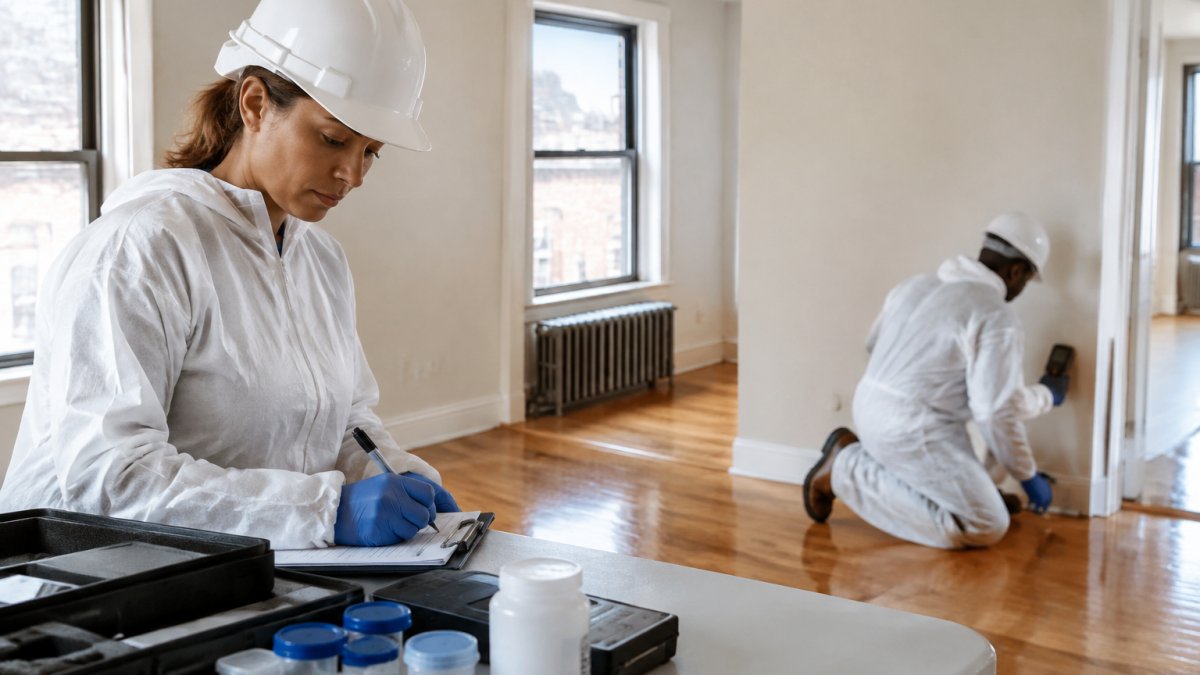
Affordable lead testing for rentals is a certified inspection that samples paint, dust, or soil for lead and produces a report you can file with your city.
Here's the part most guides skip: cheap testing isn't about finding the lowest quote. It's about paying once for a report that holds up.
The City of Philadelphia Lead Certification Submission System requires rental properties and family daycare facilities built after February 1978 to be certified lead safe or lead free.
The Three Test Methods and What Each One Costs You
- Paint inspection: Identifies lead-based paint on each surface. Most useful before renovation.
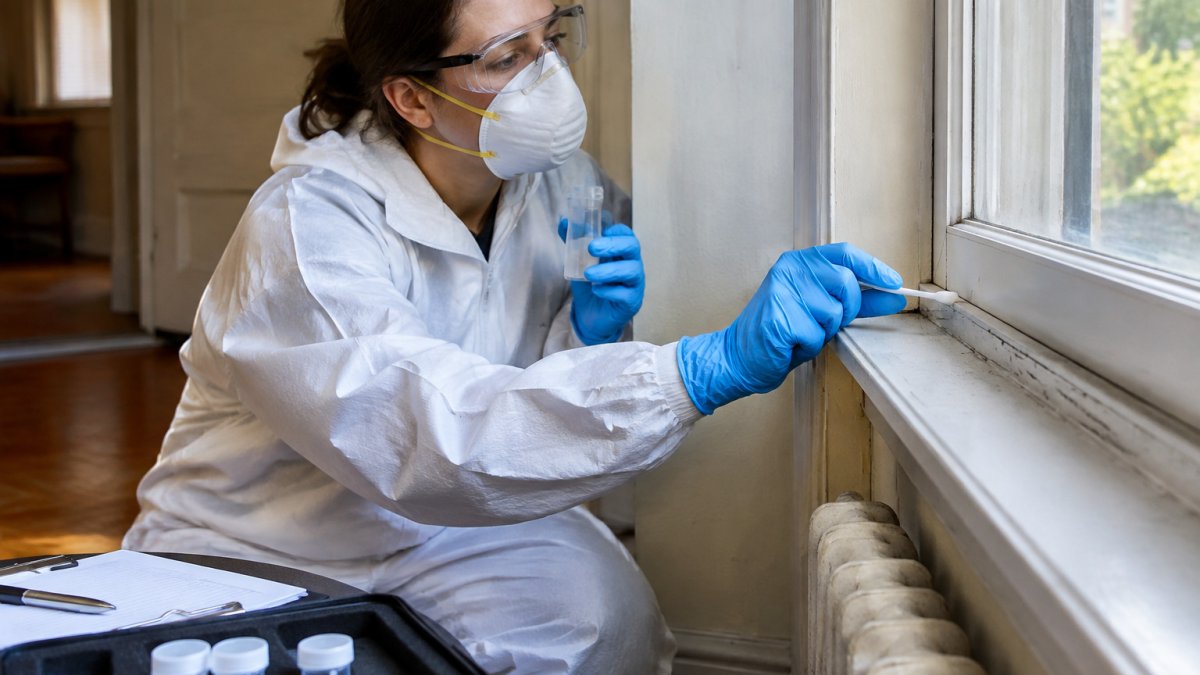
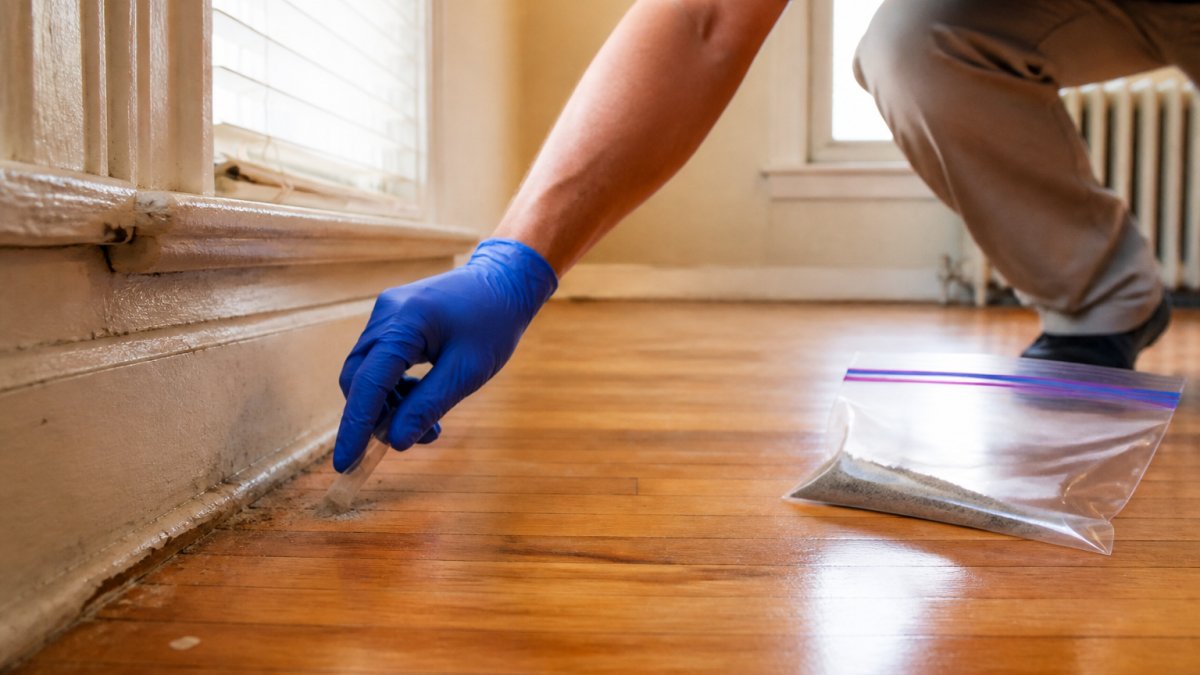
- Dust wipe sampling: Measures lead dust on floors, sills, and window wells. This is what drives rental compliance.
- Soil sampling: Tests bare dirt around the foundation, usually for older properties with chipping exterior paint.
A published cost guide from Angi's lead paint inspection cost data puts professional lead paint inspection at $300 to $700, depending on home size and method. That range is a general benchmark, not a Philadelphia rental quote.
Step 1: Confirm What Your Rental Property Legally Needs
Start with your address and build year. A pre-1978 property with a rental license in Philadelphia needs a lead-safe or lead-free certificate for each unit. Newer construction often falls outside the requirement, but confirm it in writing.
The Philadelphia lead certification FAQ states a certificate is required for each unit, along with inspection documentation. Miss that detail and you'll pay for a second visit.
Philadelphia Rental License Lead Requirements
Philadelphia ties lead certification to the rental license itself. Landlords renewing or obtaining a license for an older property should expect to show a current certificate.
- One certificate per rental unit, not per building
- Documentation kept on file and produced on request
- Recertification on the city's schedule, not yours
Step 2: Find a Certified Inspector Without Overpaying
Look for an EPA-certified firm and a certified inspector who has done rental compliance work in your county.
Ask three questions before booking:
- Which test methods do you use for rental certificates?
- Who runs the lab analysis, and is it EPA-approved?
- What's the turnaround time, and what does the report include?
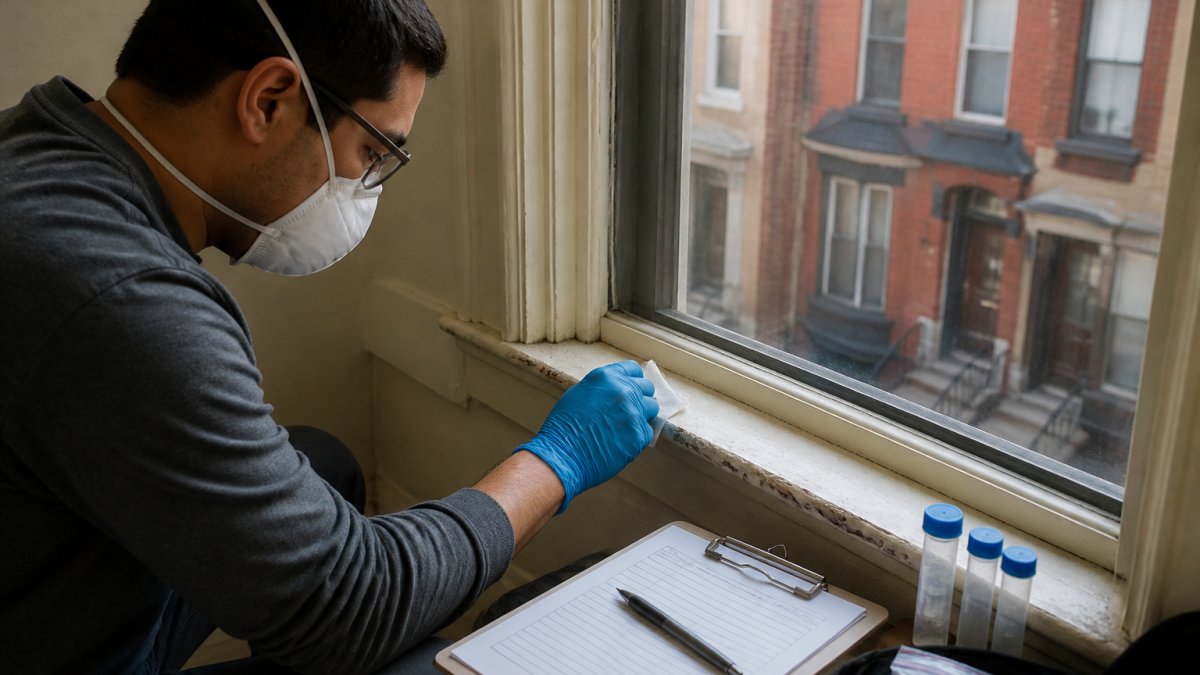
Speed matters as much as price. If you have a lease signing in two weeks, a slow lab turnaround costs you a tenant.
Step 3: Compare Quotes and Spot Hidden Fees
Two quotes for the same job can differ by hundreds of dollars, and the gap is rarely the base inspection fee. It's what happens after the samples go to the lab. Most guides stop at "get three quotes." That advice is useless unless you know what to compare, so here is the line-by-line method landlords can run on any written quote before signing.
The Five-Line Quote Test
Ask every inspector to put these five lines in writing. A quote missing any of them is not comparable to one that has them.
| Quote Line | What a Complete Quote States | Red Flag |
|---|---|---|
| Scope | Per unit or per building, and which test methods (paint, dust, soil) | "Inspection" with no method named |
| Sample count | Exact number of wipe samples included | "As needed" or no count |
| Lab fees | Whether EPA-approved lab analysis is bundled or billed per sample | Lab work "billed at cost" with no cap |
| Report | Whether a fileable certificate and documentation are included | Raw lab data only |
| Retest | The cost and turnaround if a unit fails | Silence on retests |
Run each quote through the test and write the five answers side by side. The lowest base fee often loses once lab fees and retest terms are added.
Why Sample Count Drives the Real Price
Dust wipe sampling is priced largely by the number of samples, because each wipe goes to an EPA-approved lab for analysis. A unit with more windows, deeper sills, and multiple rooms needs more samples than a small studio.
Ask each inspector how they decide sample count. A firm that explains its sampling plan, floors, sills, and window wells per room, is quoting the actual job.
The Retest Clause Is Where Budgets Break
A failed unit is the most common surprise bill in rental lead compliance. Before booking, ask in writing: if a unit fails, what does the retest cost, how soon can it be scheduled, and does the original report tell me exactly which surfaces failed so I can fix them first? A quote that answers all three lets you budget for a realistic worst case instead of a best case.
Questions That Separate a Real Quote From a Guess
- Which test methods does my certificate require, and is each one priced?
- How many samples does this quote cover, and what does an extra sample cost?
- Is lab analysis included, and is the lab EPA-approved?
Get the answers in writing. A quote that doesn't name its sample count isn't a quote, it's a guess, and guesses get settled on your invoice, not theirs.
Lead Safe Certification Philadelphia: What the Certificate Covers
A Lead Safe Certificate Philadelphia landlords can file confirms the unit was tested and passed under the city's requirements. It is not a warranty that the property will never have lead dust again. It's a snapshot tied to a date, and understanding exactly what that snapshot covers is what keeps a landlord out of trouble between inspections.
What the Certificate Actually Documents
A complete certificate package ties together three things: the inspection that was performed, the lab results from the samples collected, and the determination that the unit meets the city's lead-safe standard. When the city reviews your file, it is checking that the documentation matches the unit, not just that a piece of paper exists.
That is why the report matters as much as the certificate. A fileable package should let you answer, for any unit, which surfaces were sampled, what the lab found, and when the inspection took place. If you can't answer those three questions from your file, you don't have a complete record.
What It Does Not Cover
A lead-safe certificate is not a clean bill of health for the whole building, and it is not permanent. It reflects the condition of the unit on the inspection date. Several ordinary events can change the dust picture afterward:
- Tenant turnover, cleaning, painting, and repairs between tenants can disturb dust.
- Renovation and repair, sanding, window replacement, and scraping generate dust and debris.
- Deteriorating paint, peeling or chipping paint on sills and wells creates new dust.
A common pattern among property managers is to treat the certificate as a one-time box to check. The landlords who avoid repeat visits treat it as a dated record that needs refreshing after any work that disturbs painted surfaces.
Keeping Certificates Valid Across a Portfolio
For landlords with multiple doors, the certificate is a filing problem as much as a testing problem. The practical system is simple:
- One certificate per unit, organized by address and unit number, not per building.
- A renewal calendar keyed to each certificate's date so nothing lapses silently.
- A re-test trigger after turnover, renovation, or window work on any unit.
Mixing files is how landlords end up with a lapsed certificate they didn't know about. A certificate you can't find on request is functionally the same as one you never got.
The Bottom Line for Property Managers
Treat the certificate as a dated snapshot with a renewal date and a re-test trigger. Keep the inspection report, the lab results, and the certificate together per unit. When the city asks, you produce a complete record, not a piece of paper you hope still applies.
Lead Dust Testing Philadelphia: Why Wipe Samples Decide Compliance
Lead dust testing in Philadelphia rentals comes down to wipe samples from floors, window sills, and window wells. Dust is the main exposure pathway for young children, which is why the city's certification process centers on it.
- Samples are collected with certified wipes
- Lab analysis confirms lead levels
- Results go into the inspection report and certificate
We send every sample to an EPA-approved lab. That's the part you're paying for when you choose a certified firm over a DIY kit.
The $99 Lead Safe Inspection: What a Flat-Fee Package Should Include
A $99 lead safe inspection should cover the on-site visit, sample collection, EPA-approved lab analysis, and a report you can file. A flat fee removes the guesswork, which is the whole point for a landlord managing several doors.
Here's what we include at 99leadsafe.com:
- On-site inspection by a certified professional
- EPA-approved lab analysis
- Results in two to seven business days
Lead Inspection Norristown PA: Same Rules, Different Office
Landlords with properties in Norristown face the same core question: does this unit have a current lead-safe certificate on file? The office handling the filing differs, but the underlying work, dust wipe sampling and lab analysis, does not.
If your portfolio spans both cities, get certificates organized by municipality. Mixing files is how landlords end up with a lapsed certificate they didn't know about.
Common Mistakes That Raise Your Testing Bill
The cheapest inspection is the one you don't have to repeat. These are the mistakes that turn a single visit into three:
- Testing one unit and assuming the building is covered
- Skipping the pre-inspection walkthrough for peeling paint and damaged sills
- Choosing a quote without a stated sample count
Fix the obvious hazards before the inspector arrives. Dust and deteriorated paint are what fail units, and a quick walkthrough costs nothing.
Frequently Asked Questions
Are DIY lead test kits acceptable for rental compliance?
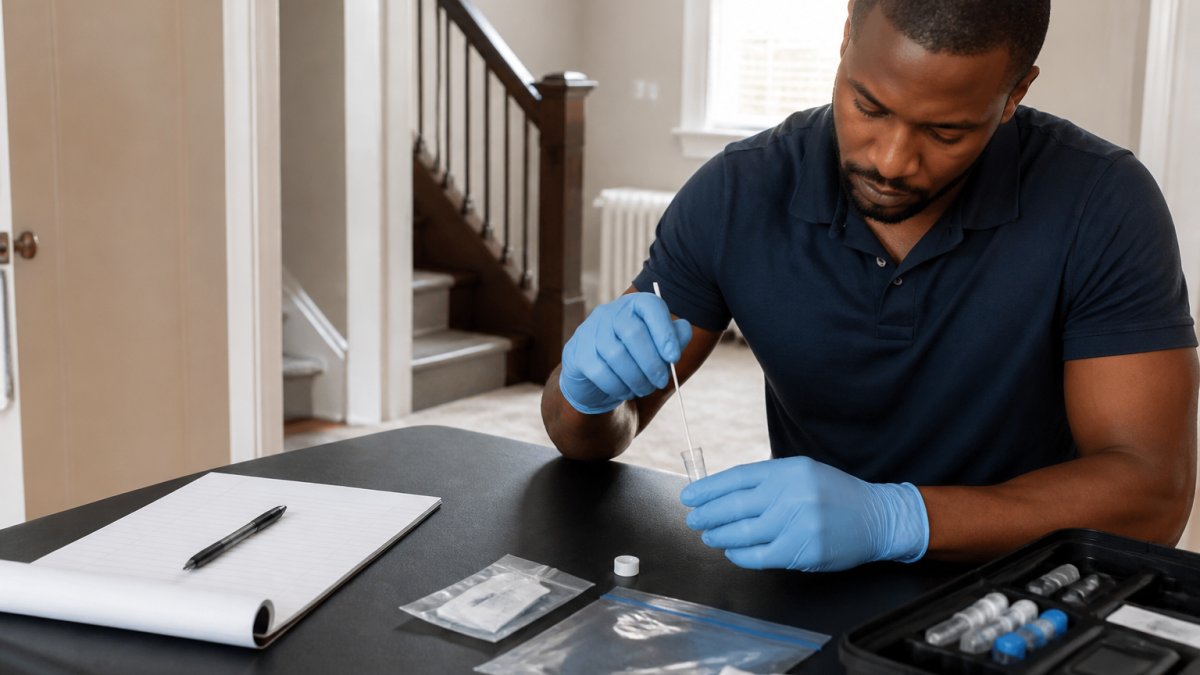
No. Store-bought swab kits only tell you whether lead is present on the spot you tested, and they are not accepted as proof for a rental certificate. Philadelphia's Lead Certification Submission System requires inspection documentation from a certified professional for each unit. A proper inspection includes lab analysis of dust wipe samples and a written report you can file with the city. Skipping the certified route usually means paying twice.
How much does a lead-safe inspection cost for landlords?
Published national benchmarks put professional lead paint inspections at a certain range depending on home size and method, according to Angi's 2026 cost guide. That range is a general benchmark, not a Philadelphia rental quote. Flat-fee packages exist that bring the per-unit cost down, especially when you book several units at once. Always ask what the quote includes: sample count, lab fees, report, and retest policy.
What is the difference between a lead-safe and lead-free certificate?
A lead-safe certificate means lead hazards have been controlled or are absent on the surfaces tested, so the unit is considered safe for occupancy. A lead-free certificate requires that no lead paint is present at all, which is rare in pre-1978 housing. Most older Philadelphia rentals pursue lead-safe certification. Your inspector can tell you which one your property can realistically achieve.
How do I prepare my rental property for a lead dust wipe test?
Clean normally in the days before the visit, but do not scrub window sills or floors with a specialty lead cleaner right before the inspector arrives, since that can mask the dust you need to measure. Clear access to window sills, floors, and stair treads. Tell tenants the inspector is coming and ask them not to sweep or vacuum for 24 hours before the appointment. Good access keeps the visit short and the sample count accurate.
Lead compliance rarely gets easier with delay, and a lapsed certificate can stall a lease or a license renewal. At 99leadsafe.com, we handle the inspection, the EPA-approved lab analysis, and the documentation so your file is ready when the city asks. Our $99 lead safe inspection covers the visit and the report, with results in two to seven business days and expedited service when you need it. Get started with 99leadsafe.com and put a current certificate behind every rental door.