 how-to
Philadelphia Lead Dust Sampling Process Explained
Last Updated: October 23, 2026
Quick Summary
Philadelphia lead dust sampling must be performed by a certified professional, such as an EPA-certified lead inspector, risk assessor, or sampling technician. The inspector wipes measured surfaces like floors and windowsills, ships samples to an accredited lab, and results return in 2-7 business days.
- Only EPA-certified inspectors, risk assessors, or sampling technicians may legally collect samples for a certificate.
- Do-it-yourself dust test kits bought online usually do not produce results the city will accept.
- Avoid sweeping, vacuuming, or wet-wiping test areas for at least 24 hours before sampling.
- A typical rental unit visit takes one to two hours, depending on rooms and sampling locations.
- A single location above the federal threshold means the unit does not pass.
Table of Contents
- Who Can Perform Lead Dust Sampling in Philadelphia
- How to Prepare for a Lead Dust Inspection
- Lead Dust Sampling for Rental Properties: A Step-by-Step Walkthrough
- Lead Dust Testing Process and Results: From Lab to Certificate
- Lead Dust Clearance Testing After Repairs
- What to Do If Your Property Fails a Lead Dust Test
- Conclusion
- Frequently Asked Questions
Who Can Perform Lead Dust Sampling in Philadelphia
Philadelphia lead dust sampling is a regulated activity, and only certain people may legally collect samples for a certificate.
Here is the short answer: you need a certified professional.
The people who can collect lead dust samples include:
- EPA-certified lead inspectors and risk assessors
- Certified lead dust sampling technicians working under them
- In some cases, landlords who hold the right EPA certification
That last point causes confusion. Philadelphia allows some property owners to test their own units, but only if they are EPA-certified. Most landlords are not. Hiring a certified firm removes the doubt.
The city's rules for covered properties are outlined in the Philadelphia Lead Certification Submission System FAQ, which spells out which buildings must be certified.
We perform certified sampling and send every sample to an EPA-approved lab. That chain of custody is what makes your paperwork defensible if the city reviews it.
How to Prepare for a Lead Dust Inspection
Preparation is the difference between a clean pass and a wasted appointment. The goal is to leave surfaces undisturbed so the sample reflects real conditions.
Do these things before your inspector arrives:
- Clear the floors and windowsills in each room to be tested
- Do not sweep, vacuum, or wet-wipe test areas for at least 24 hours before sampling
- Keep windows closed and HVAC running normally
- Move furniture away from baseboards and sills
- Note any recent repairs or painting so the inspector knows the history
Why the no-cleaning rule? Dust sampling measures what has settled on surfaces over time. If you scrub everything the morning of the test, you may get a false pass that hides an ongoing hazard.
We send a short prep checklist when you book, so tenants and managers know what to do. If you want the full walkthrough, our guide on how to prepare for lead dust inspection covers each room in detail.
Lead Dust Sampling for Rental Properties: A Step-by-Step Walkthrough
Lead dust sampling for rental properties follows a fixed sequence, but the details of each step determine whether your appointment runs smoothly and whether the results hold up. Knowing the full chronology helps you plan tenant notice, access, and timing.
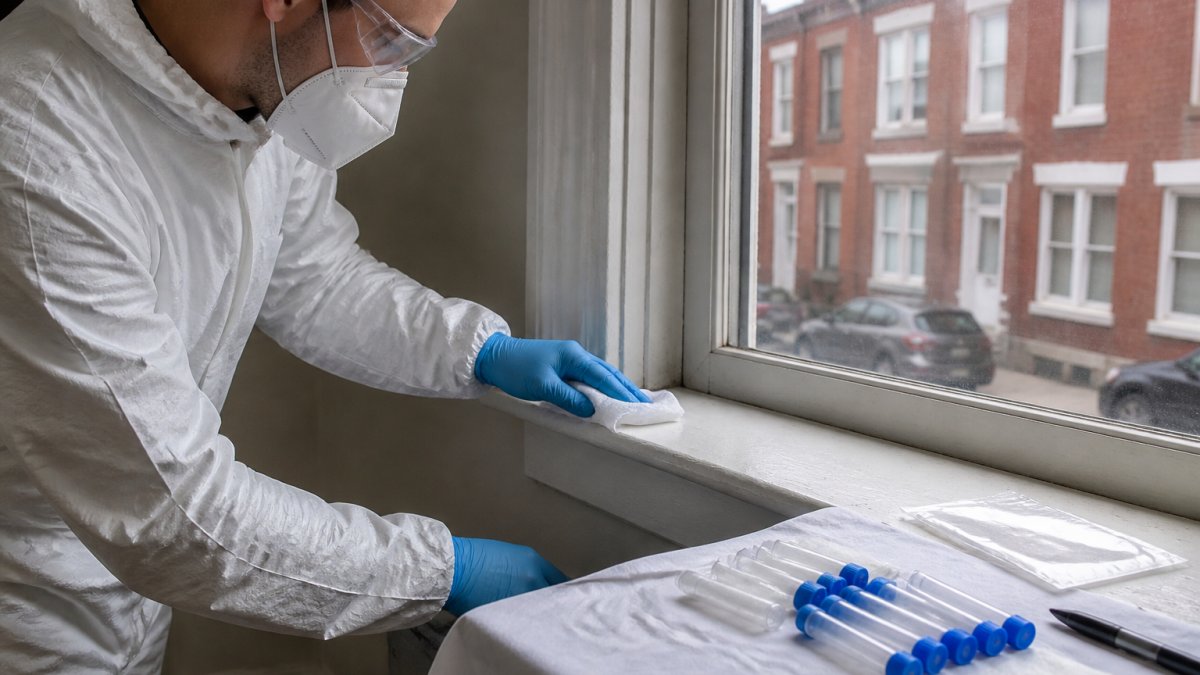
Here is how a typical appointment runs, with the specifics that matter to landlords:
-
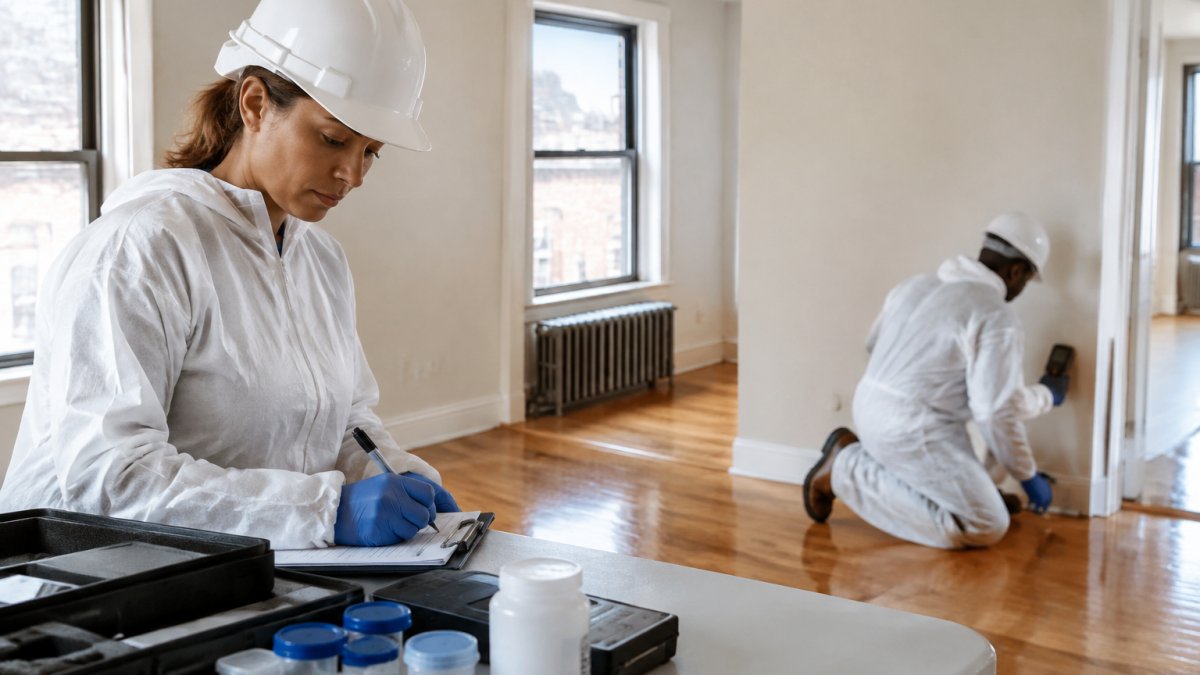
Documentation and unit verification. The inspector records the address, unit number, and confirms the property falls under Philadelphia's lead certification requirements. They note the building's age and any prior certifications on file. Have your rental license number and any previous lead-safe certificate handy.
-
Room selection and surface identification. The inspector does not sample every room. They prioritize rooms where children under six are most likely to be present, sleeping areas, and rooms with friction surfaces like windows and doors. Within each room, they identify floors, interior windowsills, and window wells as the primary sampling locations. The inspector may also flag deteriorated paint or visible dust as additional sampling points.
-
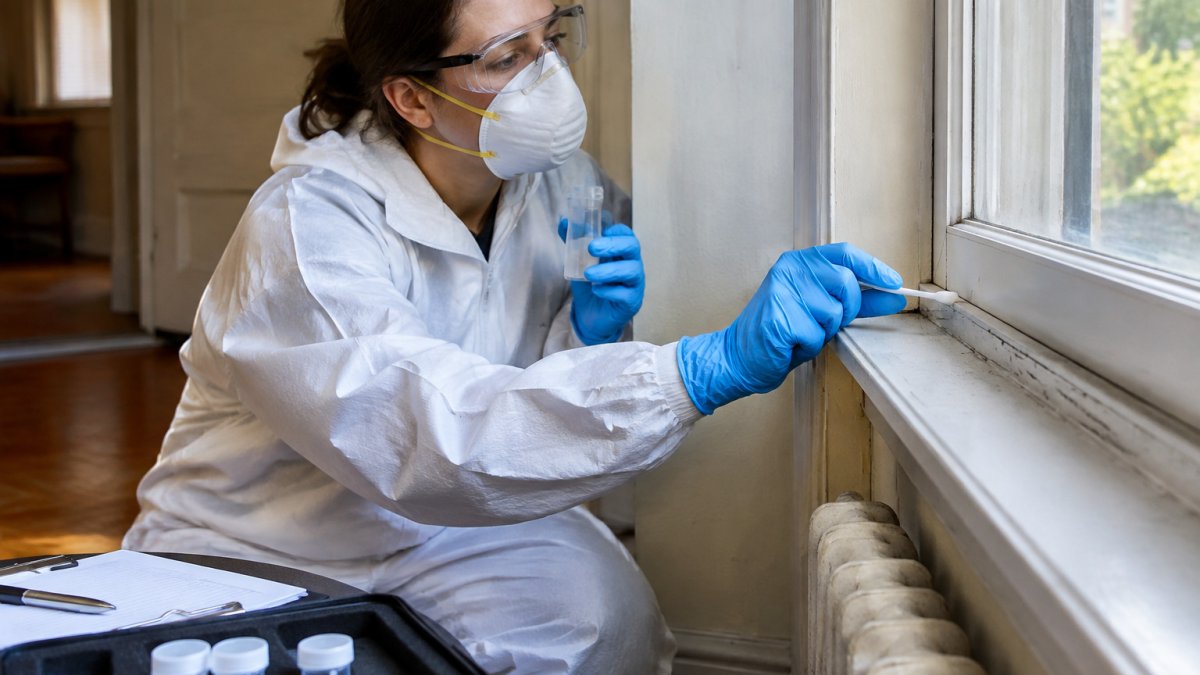
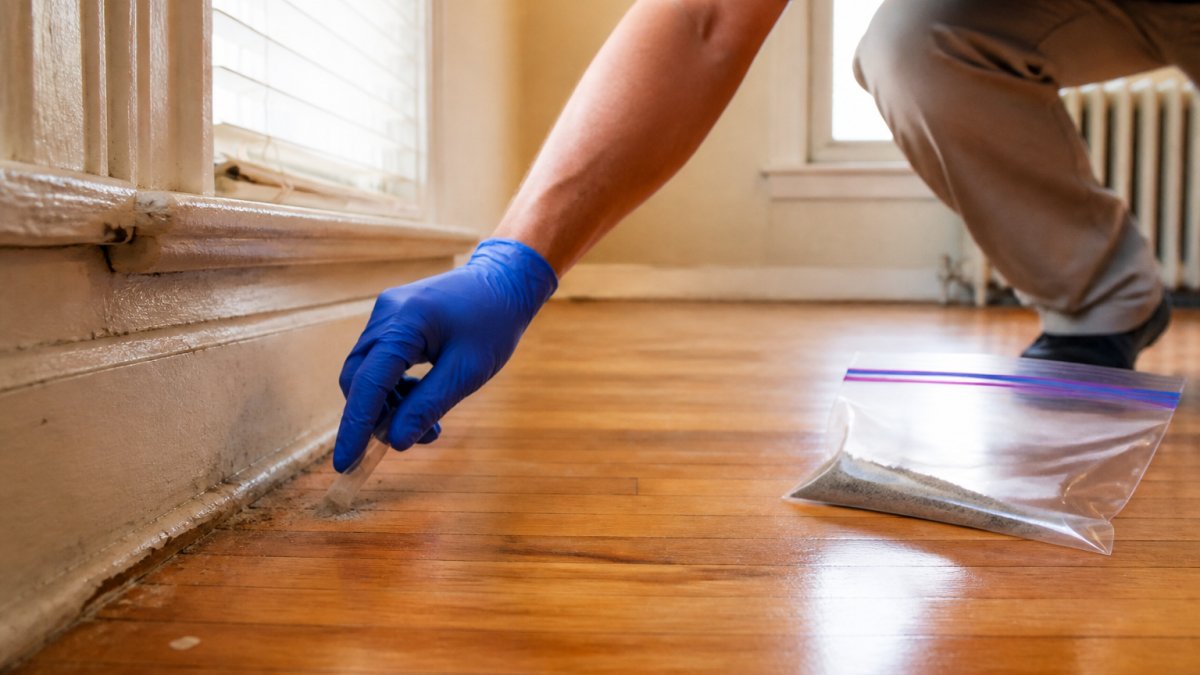
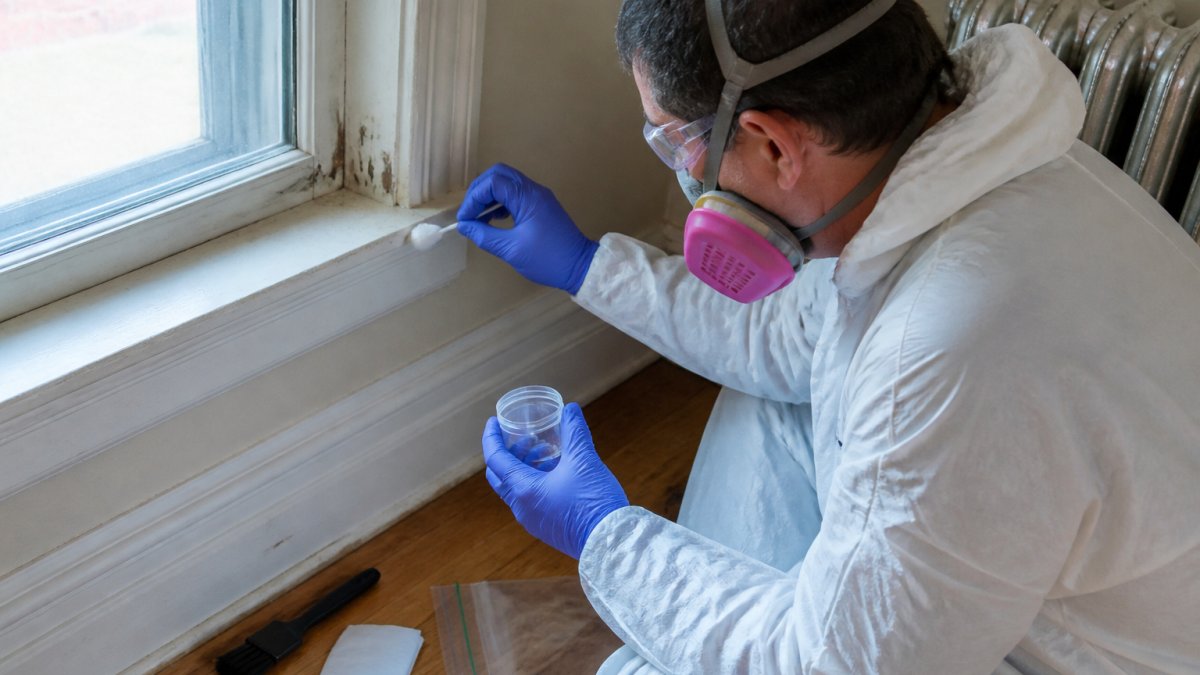
Sample collection using the wipe method. For each location, the inspector uses a clean, pre-moistened wipe to cover a measured area, typically one square foot for floors and a defined linear area for sills. The wipe is placed in a labeled tube, and the inspector records the exact location and area sampled. This measurement matters because lab results are reported in micrograms per square foot, and an unmeasured wipe cannot be compared to the standard.
-
Chain of custody and shipping. Each sample is logged with a unique identifier, sealed, and shipped to an accredited laboratory. The chain-of-custody form tracks every hand the samples pass through, which is what makes the results defensible if the city reviews your certificate.
-
Reporting and certificate preparation. The lab analyzes the wipes and reports dust-lead loading for each location. The inspector compares results to the current federal thresholds and prepares the documentation you need for your lead-safe certificate.
The entire visit for a typical rental unit takes one to two hours, depending on the number of rooms and sampling locations. You do not need to vacate the unit, but tenants should be notified and asked to leave surfaces undisturbed before the appointment.
The wipe method is the standard for dust sampling. If you want to understand the technique itself, our guide on what a lead dust wipe test involves explains how the samples are collected and read.
Sampling Locations: Floors and Windowsills
Two locations drive most results: floors and windowsills. Both collect dust that tenants and children come into contact with.
The inspector samples:
- Floor areas near entries and play spaces, typically one square foot per sample
- Interior windowsills, especially where paint may be worn or friction occurs
- Window wells and troughs in older units where dust accumulates
- Other surfaces flagged during the walkthrough, such as deteriorated paint or visible dust
Windowsills matter because friction from opening and closing windows grinds old paint into dust. Floors matter because that dust settles where people live. The inspector's room selection is not random; it follows a protocol designed to capture the highest-risk locations in the unit.
Here is the sequence a typical sampling appointment follows, along with the timing that matters to landlords.
| Step | What happens | Time or frequency |
|---|---|---|
| Documentation and unit verification | Inspector records address, unit number, building age, prior certifications | At appointment start |
| Room selection and surface identification | Prioritizes rooms with children under six, sleeping areas, friction surfaces | At appointment start |
| Sample collection using wipe method | Pre-moistened wipe covers measured area, typically one square foot for floors | During visit |
| Chain of custody and shipping | Samples logged, sealed, shipped to accredited laboratory | After collection |
| Reporting and certificate preparation | Lab reports dust-lead loading, compared to federal thresholds | 2-7 business days standard |
| Entire visit for typical rental unit | Depends on number of rooms and sampling locations | One to two hours |
Lead Dust Testing Process and Results: From Lab to Certificate
The lead dust testing process and results stage is where the paperwork gets real. After collection, samples go to an accredited lab for analysis, and the numbers that come back determine whether your property passes or fails.
Turnaround depends on the lab and the service level. Our standard results come back in 2-7 business days, and expedited service is available if you have a lease signing or city deadline.
Current Dust-Lead Thresholds and How Results Are Interpreted
Results compare each sample to the current federal dust-lead thresholds. The EPA lowered its dust-lead action levels, and those changes took effect in January 2026, according to Pace Labs' notice on the new EPA dust-lead action levels.
The lab reports dust-lead loading in micrograms per square foot for each location. The inspector compares each result to the applicable threshold for that surface type.
What you get back:
- A pass or fail for each sampled location, with the lab-reported loading value
- Lab documentation you can file with the city
- A clear lead-safe status for the unit
A pass means the property meets the standard. A fail means remediation and retesting come next.
What to Do After a Failed Test
A failed test is not a dead end. It is a to-do list. The fix is to address the dust source, clean thoroughly, and retest.
Start here:
- Review which locations failed and the reported loading values
- Fix the source: repair damaged paint, address friction points on windows, and eliminate any condition causing dust
- Clean using lead-safe methods, not dry sweeping or ordinary vacuuming
- Retest the failed locations with fresh samples after cleaning is complete
Budget for retesting as a separate step. Our breakdown of lead inspection retesting costs explains what a second visit involves so there are no surprises.
Lead Dust Clearance Testing After Repairs
Clearance testing confirms that repair or remediation work actually removed the hazard. You cannot skip it after certain jobs.
Clearance procedures typically involve:
- A visual check that dust and debris are gone
- Fresh dust samples from the same key locations
- Lab analysis to confirm the surfaces are clean
This step protects you. If a contractor does the work but leaves dust behind, clearance testing catches it before a tenant moves in or the city inspects.
What to Do If Your Property Fails a Lead Dust Test
A failed test is not a dead end. It is a to-do list. The fix is to address the dust source, clean thoroughly, and retest.
Start here:
- Review which locations failed and why
- Fix the source: repair damaged paint, address friction points on windows
- Clean using lead-safe methods, not dry sweeping
- Retest the failed locations with fresh samples
Budget for retesting as a separate step. Our breakdown of lead inspection retesting costs explains what a second visit involves so there are no surprises.
Conclusion
Getting lead dust sampling right comes down to using a certified professional, preparing the unit properly, and acting fast on results. One missed step can cost you a retest or delay a lease.
99leadsafe.com makes this simple. Our $99 lead-safe inspection includes EPA-approved lab analysis, results in 2-7 business days, expedited service when you need it, and clear documentation with filing instructions. We serve landlords and property managers across the Greater Philadelphia area, including Norristown.
Ready to lock in your certificate? Review our pricing and book your inspection and get your property compliant without the guesswork.
Frequently Asked Questions
How is lead dust sampled in a rental property?
A certified inspector collects dust wipe samples from high-risk surfaces, typically floors and windowsills in each tested room. Each wipe is sealed in a labeled container and sent to an EPA-certified laboratory for analysis. The lab reports the lead loading on each surface, and those numbers are compared against the action levels that apply to your property. The full lead dust sampling process usually takes under an hour on site for a standard unit, with lab results following in a few business days.
What is a lead dust wipe test?
A lead dust wipe test measures how much lead-contaminated dust sits on a surface. The inspector uses a treated wipe to collect dust from a measured area, usually one square foot, then sends it to a lab. Results come back as lead loading per area, which is what regulators use to decide pass or fail. Wipe tests are the standard method for rental compliance because they measure the dust tenants actually contact, not just the paint on the wall.
What happens if a lead dust sample fails?
A failed sample means at least one surface exceeded the applicable lead dust action level. The fix is targeted cleaning and, where needed, repair of the deteriorating paint or friction surface that generated the dust. After cleaning and repairs, you order lead dust clearance testing to confirm the surfaces now pass. Keep every lab report and the clearance documentation, because you will need them to obtain or renew your Lead-Safe Certificate and to show compliance if the city asks.
How should a rental property be prepared for lead dust testing?
Do not sweep, dry-dust, or renovate in the days before sampling, because that can spread dust and skew results. Leave the unit in its normal lived-in condition so the samples reflect what a tenant actually experiences. Clear access to floors and windowsills, secure pets, and give the inspector a few hours of access. If you recently had work done, tell the inspector so clearance testing can be scheduled correctly rather than a routine compliance sample.