 How-to
Why Lead Inspection Results Vary: XRF vs Dust Wipe
Last Updated: November 12, 2026
Quick Summary
Lead inspection results vary because of instrument calibration, surface conditions, sampling methods, and how close a reading sits to a regulatory cutoff. XRF and paint-chip tests measure lead in paint, while dust wipes measure lead in dust, so a property can pass one and fail the other. Near a threshold, two inspectors can honestly disagree on the same surface.
- Homes built before 1940 have an 87% likelihood of containing lead-based paint, per TSIAC International.
- A typical single-unit lead inspection takes one to three hours on site, depending on property size and surfaces tested.
- Results from 99leadsafe.com typically come back in 2 to 7 business days, with expedited service available.
- Compare conflicting reports on scope, method, threshold proximity, lab accreditation, and inspection date before assuming an error.
- Ask both inspectors for raw readings and the calibration record before relying on a borderline surface result.
Table of Contents
- Why Two Lead Inspectors Can Get Different Results
- How to Interpret Lead Paint Test Results
- XRF vs. Paint-Chip vs. Lead Dust Wipe Testing
- Measurement Uncertainty and Borderline Readings
- How Long Does a Lead Inspection Take?
- Lead-Based Paint Inspection Requirements for Landlords
- Comparing Conflicting Reports: A Practical Checklist
- Resolving a Disagreement and Scheduling Your Inspection
- Frequently Asked Questions
Why Two Lead Inspectors Can Get Different Results
Two inspectors can test the same wall and reach different conclusions. That is not always a sign of a bad inspection. Lead inspection results vary because of instrument calibration, surface conditions, sampling methods, and how close a reading sits to a regulatory cutoff. This is most often seen on older Philadelphia rentals, where paint has been patched and repainted many times.
The stakes are real. Homes built before 1940 have an 87% likelihood of containing lead-based paint, according to TSIAC International's property owner guide. A single borderline reading can decide whether you get a Lead-Safe Certificate or a failed report.
Below, we explain why the numbers move, how to read a report, and how to settle a disagreement without paying for the same test twice.
How to Interpret Lead Paint Test Results
A lead paint test result tells you whether a specific surface, at a specific spot, measured above a set threshold on the day it was tested. It is a snapshot, not a verdict on the whole property.
Read the report in this order:
- Scope: which rooms and surfaces were tested.
- Method: XRF, paint-chip lab analysis, or dust wipe.
- Readings: the number recorded for each surface.
- Threshold: the cutoff the inspector applied.
- Conclusions: which surfaces were called positive, negative, or borderline.
A "negative" result on one door frame does not clear the other eleven units in the building. Location-specific results are the norm.

XRF vs. Paint-Chip vs. Lead Dust Wipe Testing
Each method answers a different question. Confusing them is the single most common reason two reports look like they contradict each other.
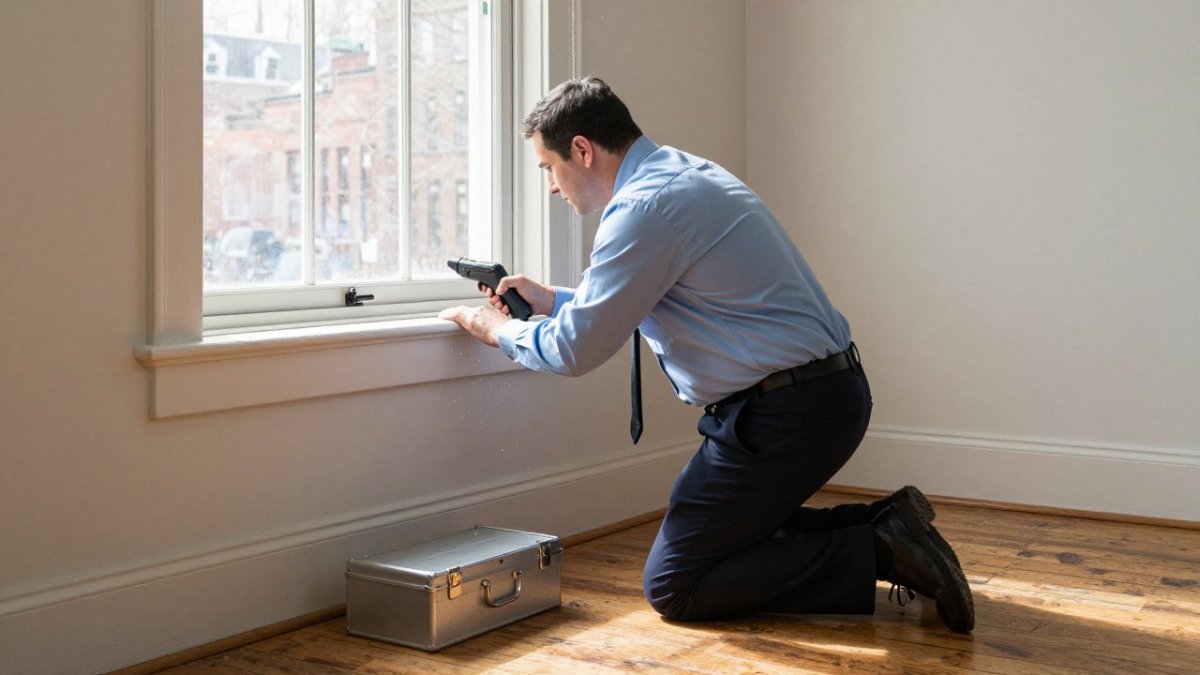
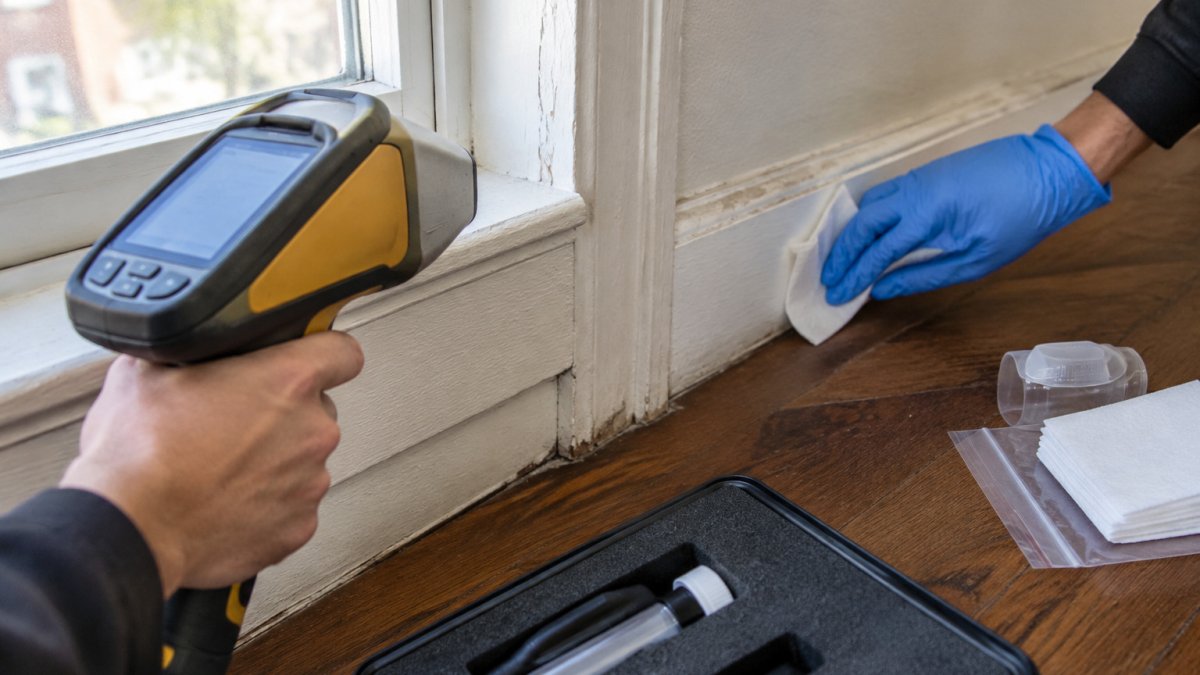
- XRF (X-ray fluorescence): a handheld analyzer reads lead in paint in place, in seconds, without damaging the surface.
- Paint-chip sampling: a small chip goes to a lab for analysis. Lab analysis is considered the definitive confirmation method, per HUD's lead-based paint guidelines.
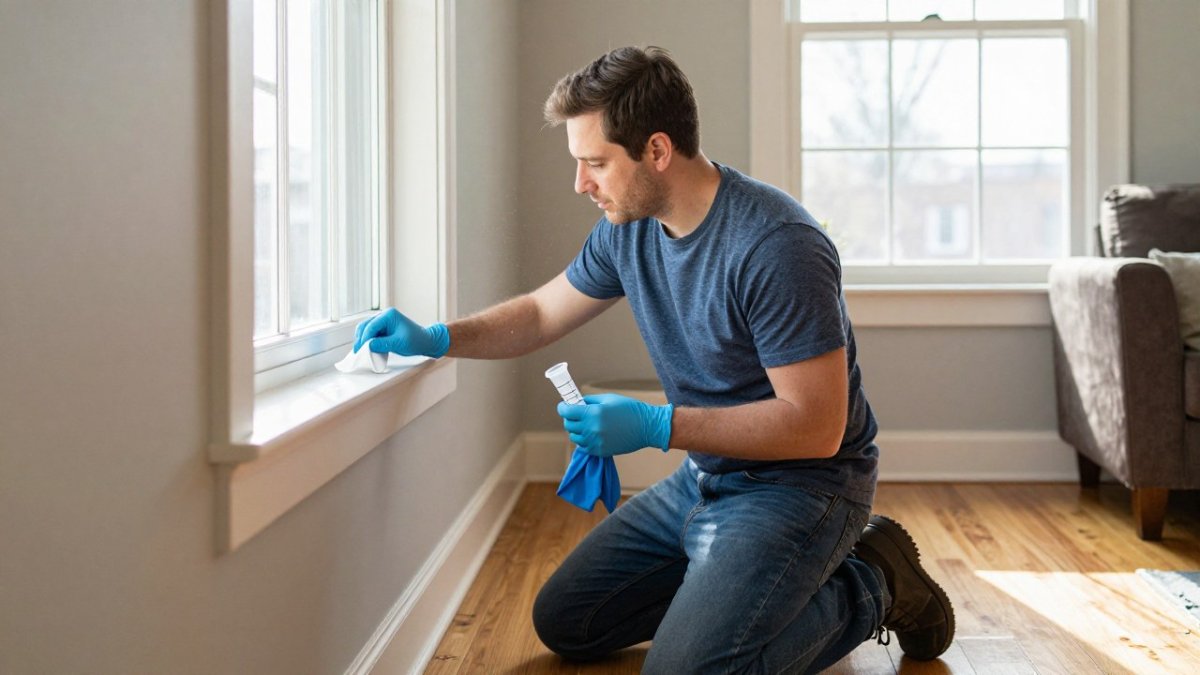
- Lead dust wipe testing: a wipe collects settled dust from floors, sills, and wells, then goes to a lab.
XRF and paint chips measure lead in paint. Dust wipes measure lead in dust. A property can pass one and fail the other.
For a closer look at how wipes work, see what a lead dust wipe test involves. If you want to see the exact steps that produce a dust sample, read how Philadelphia dust sampling is performed.
| Method | What It Measures | Speed | Damages Surface |
|---|---|---|---|
| XRF analyzer | Lead in paint | Minutes per room | No |
| Paint-chip sample | Lead in paint | Days, lab-based | Yes, small chip |
| Dust wipe | Lead in dust | Days, lab-based | No |
Measurement Uncertainty and Borderline Readings
Every measurement carries uncertainty, and that uncertainty is where most honest disagreements between two lead inspectors are born. Measurement spread is normal in XRF testing: the same machine, on the same wall, will not always give the same number twice, and two inspectors working the same room can land on opposite sides of a cutoff without either one making a mistake.
The reason is that a reading is not a pure measurement of lead in paint. It is a measurement of the whole assembly the device sees: the paint film, any primer or undercoat, and the substrate beneath it. A door frame with a thick repaint over an older lead layer reads differently than the same frame sanded down to bare wood. A plaster wall over wood lath reads differently than drywall. Lead in the substrate itself, common in older masonry and in some glazes, can push a reading up even when the paint film is clean. That is why the same inspector can get a confident positive on a window sill and a confident negative on the adjacent casing.
Near a threshold, this matters most. A reading well above the cutoff is a confident positive. A reading well below is a confident negative. A reading sitting close to the line is the one two inspectors can honestly disagree on, because the decision rule applied to that reading, and the uncertainty band around it, can tip it either way. Some inspectors treat a borderline reading as positive to be conservative; others retest and average; others send a paint chip to the lab for confirmation. Each is defensible, and each produces a different line on the report.
Watch out: a report that lists a single number per surface without noting the device, the calibration date, or whether the reading was flagged as borderline gives you no way to tell a confident result from a coin-flip one. Ask for the raw readings and the calibration record before you treat any borderline surface as settled.
Operator technique and instrument settings shift the number too. Probe placement, how long the device is held against the surface, the mode the analyzer is set to, and whether the inspector cleaned the surface first all move the reading. None of these are errors, they are the normal variation that makes a second opinion worth getting when a result is close to the line.
How Long Does a Lead Inspection Take?
A typical single-unit lead inspection takes one to three hours on site, depending on property size and the number of surfaces tested. Larger multi-unit buildings take longer, and scheduling several units in one visit is usually more efficient than booking them separately.
Plan for the full timeline, not just the visit:
- On-site testing: one to three hours per unit
- Lab analysis: several business days for chip and dust samples
- Report delivery: after the lab returns results
Results from 99leadsafe.com typically come back in 2 to 7 business days, and expedited service is available.
Lead-Based Paint Inspection Requirements for Landlords
Landlords of pre-1978 rental properties carry the heaviest lead obligations, and Philadelphia rental licensing adds local requirements on top of federal rules. Requirements change, so confirm the current standard with the city before you rely on an old report.
What a solid inspection file should show:
- The property address and each unit tested
- The inspection date and inspector credentials
- The method used for each surface
- Lab reports for any chip or dust samples
- A clear pass or fail conclusion per unit
Keep daily inspection records so the final report can be checked against what was recorded on site.
Comparing Conflicting Reports: A Practical Checklist
When two reports disagree, compare them line by line before you assume one inspector got it wrong. Most "conflicts" resolve at the first or second item, because different scope or different method explains the gap far more often than an error.
Use this checklist:
- Are both reports testing the same surfaces, or did the scope differ?
- Did both use the same method, or is one XRF and one a dust wipe?
- Are the readings close to the threshold, or clearly above or below it?
- Were both samples analyzed by an accredited lab?
- Do the inspection dates fall in the same season and paint condition?
- Is either reading flagged as borderline or within measurement uncertainty?
- Does either report note a calibration or equipment issue?
Here is a worked example of how two reports on the same unit can both be correct. Inspector A runs an XRF on the kitchen window sill and records a reading just above the cutoff, calls the sill positive, and the unit fails. Inspector B tests the same unit a month later, but this time the sill has been scraped and repainted by the owner between visits, so the reading drops below the cutoff and the unit passes. Same surface, same method, different paint condition, and the checklist item on paint condition and inspection date explains the whole gap.
A second common pattern: Inspector A's report covers the kitchen and two bedrooms; Inspector B's report covers all four rooms plus the hallway. Inspector B finds a positive in the hallway that Inspector A never tested. The reports do not contradict, they describe different scopes. Before you accuse either inspector of a bad result, confirm the tested-surface list matches.
A third pattern is method mismatch. One report is an XRF inspection of paint; the other is a lead dust wipe test of floors and sills. These measure different things and cannot be compared as if they were interchangeable. A unit can pass the paint inspection and fail the dust wipe, or the reverse, and both reports are accurate about what they measured.
Watch out: if the two reports agree on scope, method, and date but still disagree on a surface that is clearly above or below the threshold, that is the one case where a calibration or equipment issue is worth raising. Ask both inspectors for the raw readings and the calibration record before you decide which result to rely on.
Resolving a Disagreement and Scheduling Your Inspection
Start by asking the second inspector to explain the gap in writing. A credible inspector will point to scope, method, or a borderline reading, not just insist they are right.
Before you re-hire, verify credentials. Our guide to checking lead inspector certification walks through the checks that matter. If you are weighing a second test, review what retesting costs in Philadelphia so there are no surprises.
Then book a fresh inspection with a clear scope. You can review the inspection services we offer and schedule a visit that covers every unit in one pass.
Two reports that disagree usually reflect method and measurement, not incompetence. The fix is a clear scope, an accredited lab, and an inspector who will explain borderline readings. 99leadsafe.com provides $99 lead-safe inspections for landlords and property owners, with EPA-approved lab analysis and results in 2 to 7 business days. Get started with 99leadsafe.com and put a clear, defensible lead report behind every rental unit.
Frequently Asked Questions
Why can two lead inspectors get different results on the same property?
Variation comes from several sources: different XRF analyzers and calibration schedules, whether the inspector tested the same surfaces, surface condition (peeling paint reads differently than intact paint), and operator technique. HUD guidance notes that repeat XRF readings should not differ from the originals by more than the retest tolerance limit, which acknowledges that some spread is normal. When results conflict, compare the scope, methods, and dates of each report before assuming one inspector is wrong.
Can XRF testing and lead dust wipe testing produce different results?
Yes, because they measure different things. An XRF analyzer estimates lead concentration in paint on a specific surface, while lead dust wipe testing measures lead in dust on floors, windowsills, and other surfaces. A property can have lead-based paint that is intact and not generating dust, so the XRF reads positive while dust wipes come back below the clearance threshold. Both results can be correct; they answer different questions about hazard.
How do I interpret lead paint test results if one surface is borderline?
A borderline XRF reading near the regulatory threshold is where measurement uncertainty matters most. Ask the inspector whether the reading was confirmed with a second measurement or a paint-chip sample sent to a lab, since laboratory analysis is the definitive confirmation method per HUD guidelines. If the result is still ambiguous, independent retesting of that specific surface is reasonable before you make abatement or certification decisions.
When should a landlord request a second lead inspection?
Request a second inspection when the first report lacks surface-by-surface data, when the inspector used a different method than your compliance requirement calls for, or when a borderline result drives a costly decision. Also retest after any abatement or repair work, since dust and paint conditions change. For rental compliance in Philadelphia and Norristown, confirm the report matches current local requirements before submitting it.