 How-to
Lead Safe Inspection Failure: Steps to Take Next
Last Updated: November 22, 2026
Quick Summary
After a failed lead safe inspection, read the full report and violation notice to identify every failed room and surface, then contain the area, HEPA vacuum and wet clean, and repair the dust source. Keep children and pregnant tenants away from failed areas, and schedule retesting with a certified inspector rather than cleaning blind.
- Never dry sweep, dry sand, or dry scrape lead dust because it spreads contamination.
- A dust wipe failure means settled dust exceeded the clearance level for that surface type.
- Build a compliance file the same day with the report, notice, dated photos, and lab results.
- Post-cleanup verification must be done by a certified inspector, not the person who cleaned.
- Repeated failures at the same window or door frame often point to a source needing abatement.
Table of Contents
- The First 24 Hours After a Failed Lead Safe Inspection
- What a Lead Dust Wipe Test Failure Actually Means
- Reading Your Inspection Report and Violation Notice
- Lead Remediation Steps: Cleaning, Containment, and Repairs
- When Is Lead Abatement Required?
- Preparing for Lead-Safe Inspection Retesting
- Book Your $99 Lead Dust Inspection and Get Back to Compliant
- Frequently Asked Questions
The First 24 Hours After a Failed Lead Safe Inspection
A failed lead safe inspection means one thing: lead dust was found on tested surfaces, and you now have a compliance problem with a clock on it. What happens if a rental fails a lead test explains exactly what comes next. This guide from 99leadsafe.com walks you through the steps to take after a lead safe inspection failure, in the order that keeps you out of trouble. The first day matters most, so start here.
Here is what most landlords get wrong: they call a cleaner before they read the report. Don't. The report tells you which rooms failed and which surfaces held the dust. Cleaning blind wastes money and usually fails again.
What to do in the first 24 hours:
- Read the full inspection report, not just the pass/fail line
- Note every room and surface that failed
- Tell tenants what happened and what changes in the short term
- Keep children and pregnant tenants away from failed areas until cleanup
- Photograph the current condition of each failed surface
- Call a qualified lead dust inspector to schedule retesting
- Do not dry sweep, dry sand, or dry scrape anything
Watch out: dry sweeping or dry sanding spreads lead dust instead of removing it.
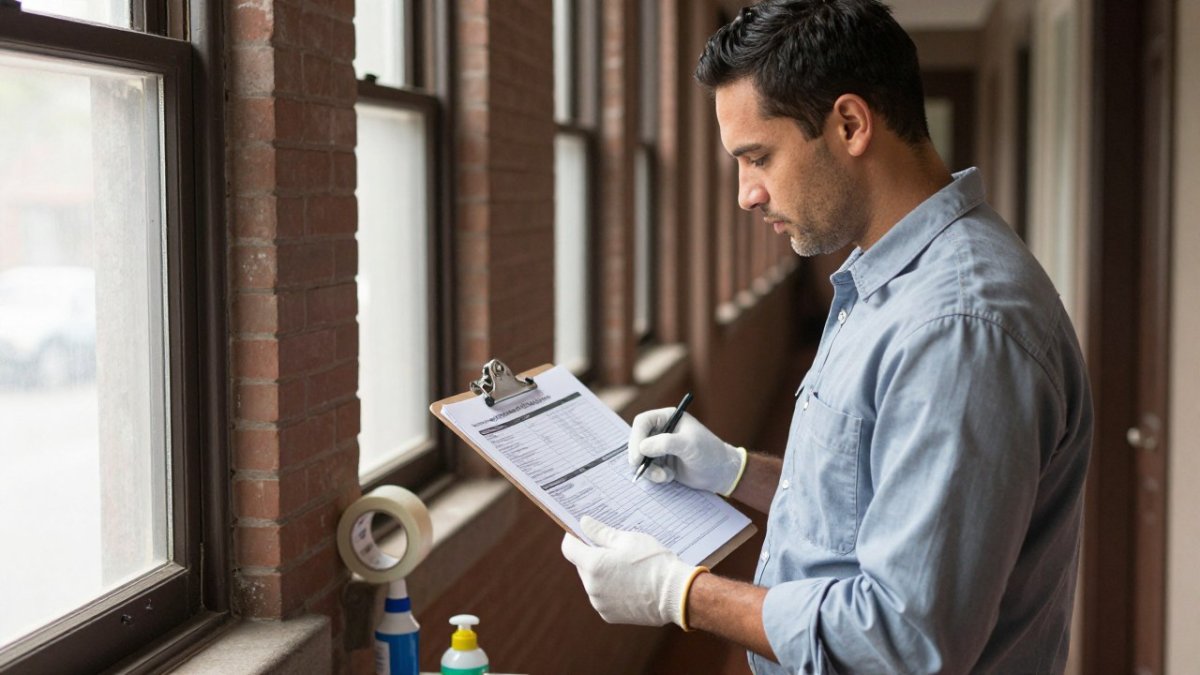
What a Lead Dust Wipe Test Failure Actually Means
A lead dust wipe test failure means settled dust on a tested surface exceeded the clearance level for that surface type (the EPA). It does not automatically mean the paint is peeling or that the property is unsafe to live in. It means dust is present and must be removed.
This is where many landlords get confused. A failed lead dust inspection is a snapshot of dust at the moment of sampling. Clean surfaces can still hold dust you cannot see. Paint that looks perfect can shed fine dust at windows and doors.
At 99leadsafe.com, we explain that Lead Safe and Lead Free are different certifications. A Lead Safe Certificate generally confirms the property met applicable lead dust standards at the time of testing. Lead Free status involves different inspection requirements. Knowing which one you are pursuing matters.
If you want the deeper breakdown of why properties fail, read what causes a lead inspection to fail in Philadelphia.
Reading Your Inspection Report and Violation Notice
Your inspection report is a map, and the violation notice is the deadline. Read them together, line by line, before you call a cleaner or a contractor. The report lists each sample location, the laboratory result, and whether that location passed. The notice tells you what the issuing agency requires and by when.
Start with the sample results table. Each row should show a location description (for example, "kitchen floor," "bedroom 2 windowsill," or "front door interior sill"), the surface type, the laboratory result, and the clearance level applied. Compare the result to the level for that surface type, since applicable thresholds depend on the surface. A result above the applicable level is a failure at that location.
Then read the notice for four things:
- The exact corrective actions required (cleaning only, repair, abatement, or a combination)
- The deadline to correct and the deadline to request reinspection or clearance testing
- The agency and contact that issued the notice, and the process for asking questions or requesting an extension
- Any appeal or dispute procedure, including how long you have to file and what evidence you must submit
Deadlines and appeal windows vary by jurisdiction and by the type of notice. Confirm the current requirements directly with the issuing agency. Confirm the current requirements directly with the issuing agency, in writing if possible, and note the name of the person you spoke with and the date. A common pattern is that landlords miss a reinspection window because they treated the notice as informational rather than as a dated order.
Build a compliance file the same day. Keep the full report (not just the summary page), the notice, dated photos of every failed surface, cleaning and repair records, contractor certifications and invoices, and all lab reports. If your compliance is ever questioned, this file is your defense. The EPA's lead-safe renovation guidance is clear that post-cleanup verification should be done by a certified inspector, risk assessor, or dust sampling technician, not by the person who did the cleaning, so keep that verification report with the rest.
Watch out: a notice that lists only "dust" failures still requires you to fix the source. Cleaning to pass a retest without addressing a sticking window or damaged sill usually produces a second failure at the same location.
If you want the deeper breakdown of why properties fail, read what causes a lead inspection to fail in Philadelphia.
Lead Remediation Steps: Cleaning, Containment, and Repairs
Lead remediation steps follow a fixed order: contain the area, clean it properly, repair the source, then verify. Skip a step and you will likely fail again.
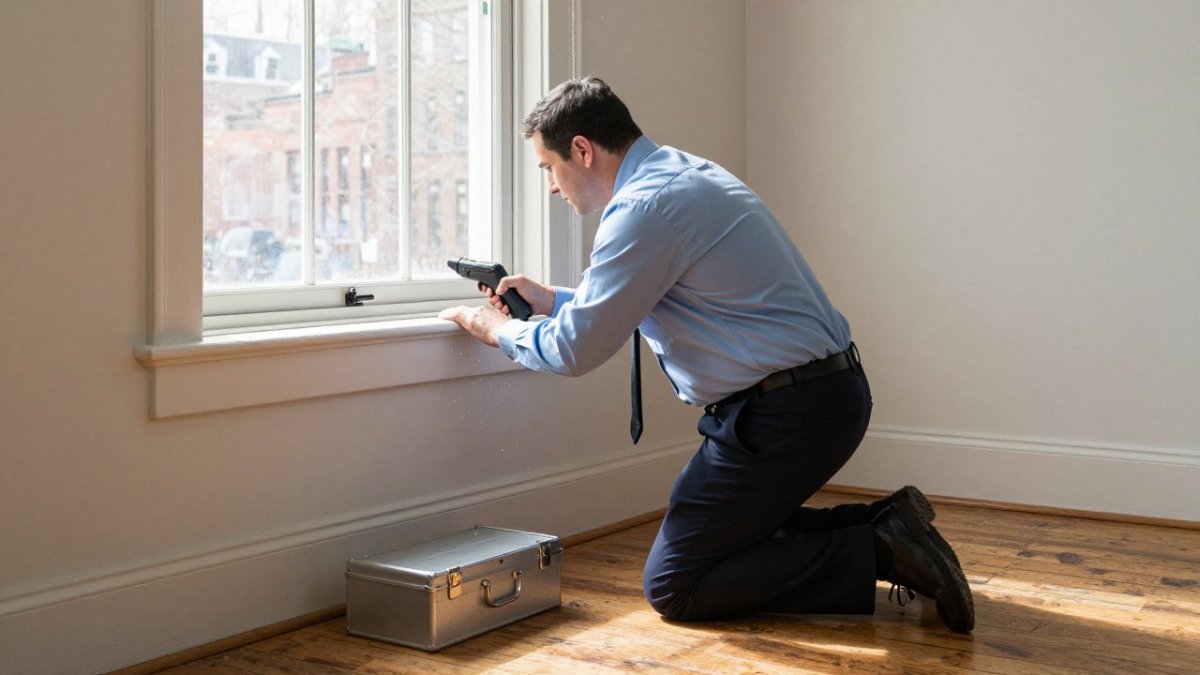
Step 1: Contain the work area. Seal doorways with plastic sheeting. Close and tape HVAC vents. Lay down disposable drop cloths. The goal is to stop dust from spreading into clean rooms.
Step 2: HEPA vacuum everything. Vacuum floors, windowsills, window troughs, and other horizontal surfaces. Use a vacuum with a true HEPA filter, not a shop vac.
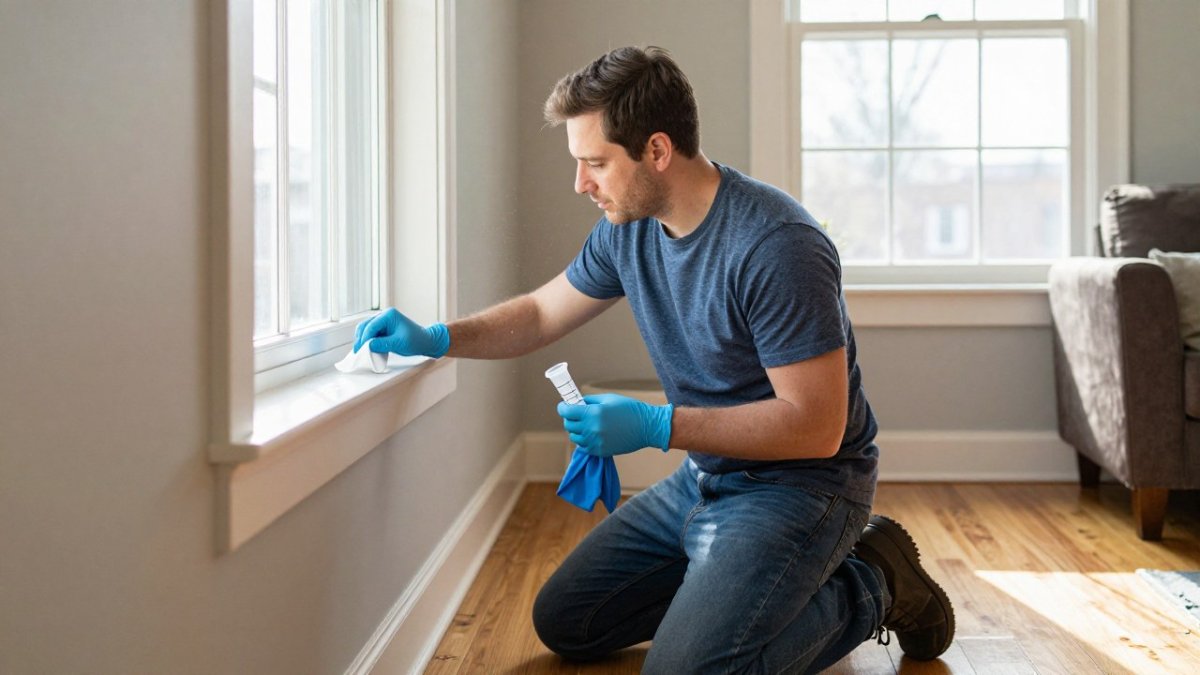
Step 3: Wet clean. Wet wipe surfaces with a damp cloth and replace the cloth often. Wet mop floors. Never dry sweep or dry dust.
Step 4: Repair the source. Fix peeling paint, sticking windows, and damaged trim. This is where you hire a certified contractor if the work disturbs painted surfaces.
Step 5: Handle waste correctly. Bag lead-contaminated waste and dispose of it properly. Wear protective equipment, including gloves and a respirator, while you work.
If you are hiring out the repairs, verify credentials first. Our guide on lead safe certified contractors shows how to check EPA certification and avoid fines.
When Is Lead Abatement Required?
Lead abatement is generally considered when the hazard cannot be controlled by cleaning and minor repair alone.
There is a real difference between abatement and standard remediation. Abatement permanently removes or seals the hazard (the EPA). Remediation reduces it. A dust failure alone usually calls for cleaning and repair. Repeated failures at the same window or door frame often point to a source that needs abatement.
Abatement work should be done by a certified lead abatement contractor. Ask for proof of certification before anyone touches painted surfaces.
Preparing for Lead-Safe Inspection Retesting
Lead-safe inspection retesting confirms your cleanup worked. You cannot retest your own work, and you should not book a retest until the property is genuinely ready. Understanding what the retest actually measures will save you a second failure.
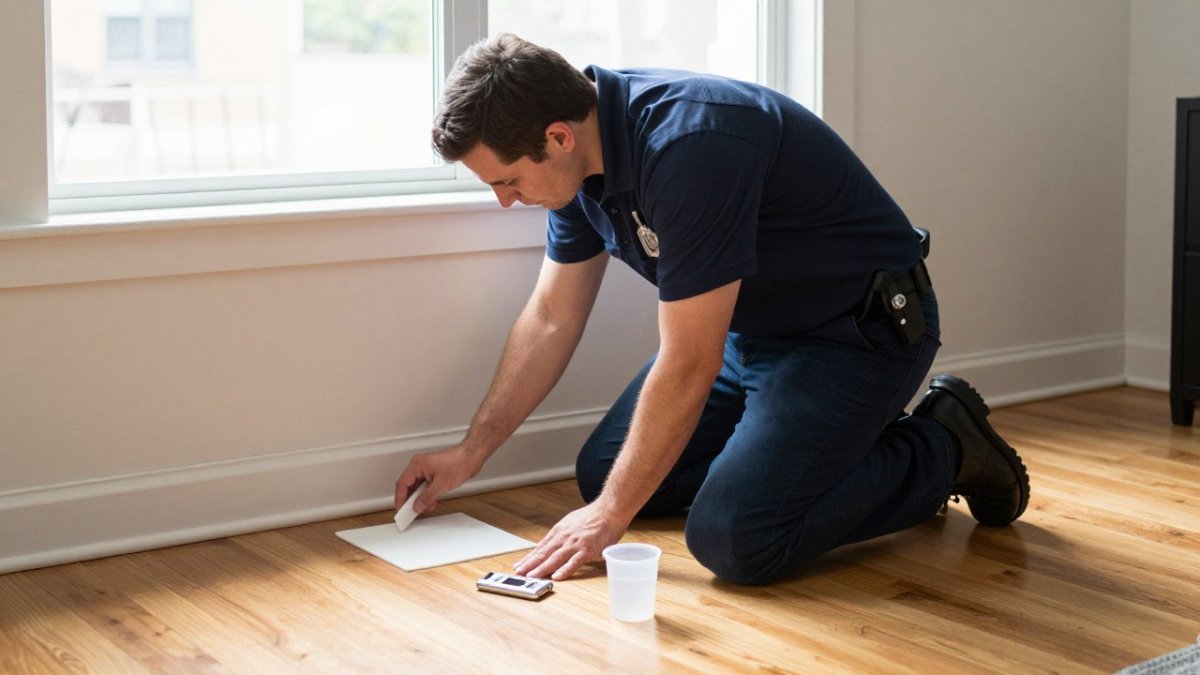
Clearance testing uses dust-wipe sampling. A certified inspector or dust sampling technician wipes a defined area of a surface with a treated wipe, packages the sample, and sends it to an accredited laboratory. Samples are taken from the surfaces the testing protocol requires, and the inspector decides where wipes are taken.
That matters because you cannot clean only the spots you remember failing. Treat every horizontal surface in and around the affected rooms as a sample location: floors, sills, troughs, ledges, stair treads, and the areas just inside entry doors. Settled dust moves, and a clean-looking sill can still hold enough dust to fail.
Before the inspector arrives:
- Clean floors, windowsills, and window troughs using lead-safe methods (HEPA vacuum, then wet wipe and wet mop)
- Remove all cleaning supplies, rags, debris, and drop cloths from tested areas
- Make sure every room the inspector needs is accessible, with furniture moved clear of windows and floors
- Keep occupants and pets out of the work area during sampling
- Have your prior report, lab results, and notice on hand for the inspector
Interpret the results carefully. A passing clearance result means the sampled surfaces met the applicable dust levels on the day of sampling. It does not certify that no lead hazard exists anywhere in the unit or that the property will pass a future inspection. A Lead Safe Certificate generally documents that the unit met applicable lead dust standards at testing time.
Watch out: cleaning after the inspector arrives, or wiping surfaces the inspector has already sampled, can invalidate the test and force a paid retest.
Our guide on how to pass a lead clearance test for your rental covers the full prep checklist and what the dust wipe results actually measure.
Book Your $99 Lead Dust Inspection and Get Back to Compliant
You do not have to guess your way through retesting. At 99leadsafe.com, we run lead dust wipe inspections for landlords and property managers in the Philadelphia area. Visit https://99leadsafe.com to learn about our $99 lead dust inspection and to book. Samples go to a qualified laboratory, and we issue a Lead Safe Certificate when results meet applicable requirements.
Here is what you get:
- Results in 2-7 business days
- EPA-approved lab analysis
- Straight answers about what failed and what comes next
You can book a lead dust wipe inspection and get your documentation moving today.
A failed inspection is a deadline problem, not a disaster. Read the report, contain the dust, clean it right, fix the source, and retest with a qualified inspector. 99leadsafe.com makes that last step simple with flat-rate lead dust inspections, lab-backed results, and certificates issued when your property meets the standard. Get started with 99leadsafe.com and turn your failed inspection into a passing certificate.
Frequently Asked Questions
What should a landlord do immediately after a failed lead safe inspection?
Start by reading the inspection report line by line and noting which rooms and surfaces failed. Keep occupants, especially children and pregnant tenants, out of the affected areas until cleaning and retesting are done. Do not dry sweep or use a standard vacuum, because both spread lead dust. Then arrange cleaning with lead-safe work practices and schedule a lead-safe inspection retesting visit.
How much does it cost to retest after a lead dust wipe test failure?
Retesting is a separate visit from the original inspection, so expect it to be quoted on its own. Pricing depends on the property and how many areas need to be resampled. Ask for the retest price before you book so there are no surprise bills. Current pricing is available on the 99leadsafe.com website.
When is lead abatement required instead of simple cleaning?
Cleaning and repairs handle settled lead dust and deteriorated paint in most cases. Abatement is required when the hazard is more serious, such as heavily deteriorating lead-based paint, friction or impact surfaces that keep generating dust, or soil contamination. Abatement is generally performed by a certified lead abatement contractor. A qualified inspector can tell you which path your property needs.
How long is a lead-safe certificate valid, and what happens if I fail again?
A Lead Safe Certificate generally confirms the property met applicable lead dust standards at the time of testing, and it is not permanent. If a retest fails, you go back to cleaning and repair before resampling. Repeat failures usually point to a dust source that was missed, such as window troughs or friction surfaces. 99leadsafe.com helps owners understand what the lab results mean before the next visit.