 blog
How to Compare Lead Inspection Providers for Rental Compliance
Last Updated: November 19, 2026
Quick Summary
To compare lead inspection providers, verify the same four things with each: the inspector's credentials, which accredited laboratory analyzes the samples, exactly which areas get tested, and what the provider does if results exceed applicable limits. A provider that cannot answer all four clearly is a risk, not a bargain.
- Ask for the inspector's certification and verify it against state and EPA records, not a business card.
- Confirm the provider names its accredited laboratory and reports results against the applicable standard.
- Get the total timeline in business days in writing, since the lab stage drives your deadline.
- Keep the inspection report, lab documentation, certificate, and testing date in your records.
- Confirm whether your goal is Lead-Safe or Lead-Free, because the inspection requirements differ.
Table of Contents
- What Landlords Should Verify Before Choosing a Lead Inspection Provider
- Philadelphia Lead-Safe Certificate Requirements for Rental Properties
- Lead Dust Wipe Testing for Rental Properties: What the Process Actually Involves
- Lead Inspection Provider Qualifications: How to Check Credentials and Lab Accreditation
- Lead-Safe Certification Documentation: What You Should Receive After Testing
- Comparing Inspection Services: What Transparent Pricing and Turnaround Should Look Like
- Book Your $99 Lead Dust Inspection and Get Compliance-Ready
- Frequently Asked Questions
What Landlords Should Verify Before Choosing a Lead Inspection Provider
Landlords often try to compare providers without a common standard. Apply the same verification checklist to every provider you consider.
At 99leadsafe.com, we built our process around the questions landlords actually ask: what credentials apply, what the lab analysis covers, what documentation you receive, and what happens if a property fails.
Before you call anyone, confirm four things:
- The inspector's credentials for lead dust inspection work
- Which accredited laboratory analyzes the samples
- Exactly which areas of the property get tested
A provider that cannot answer all four clearly is a risk, not a bargain.
Philadelphia Lead-Safe Certificate Requirements for Rental Properties
A Lead-Safe Certificate is a document confirming that a rental property met applicable lead dust safety standards at the time of testing.
Philadelphia landlords should understand that lead certification can affect rental licensing. The specific requirements are set by local regulation, which can change.
Lead-Free status involves different inspection requirements than a Lead-Safe Certificate. A property cannot simply be declared lead-free because the paint looks intact.
For landlords in Norristown and surrounding municipalities, requirements may differ from Philadelphia's.
Lead Dust Wipe Testing for Rental Properties: What the Process Actually Involves
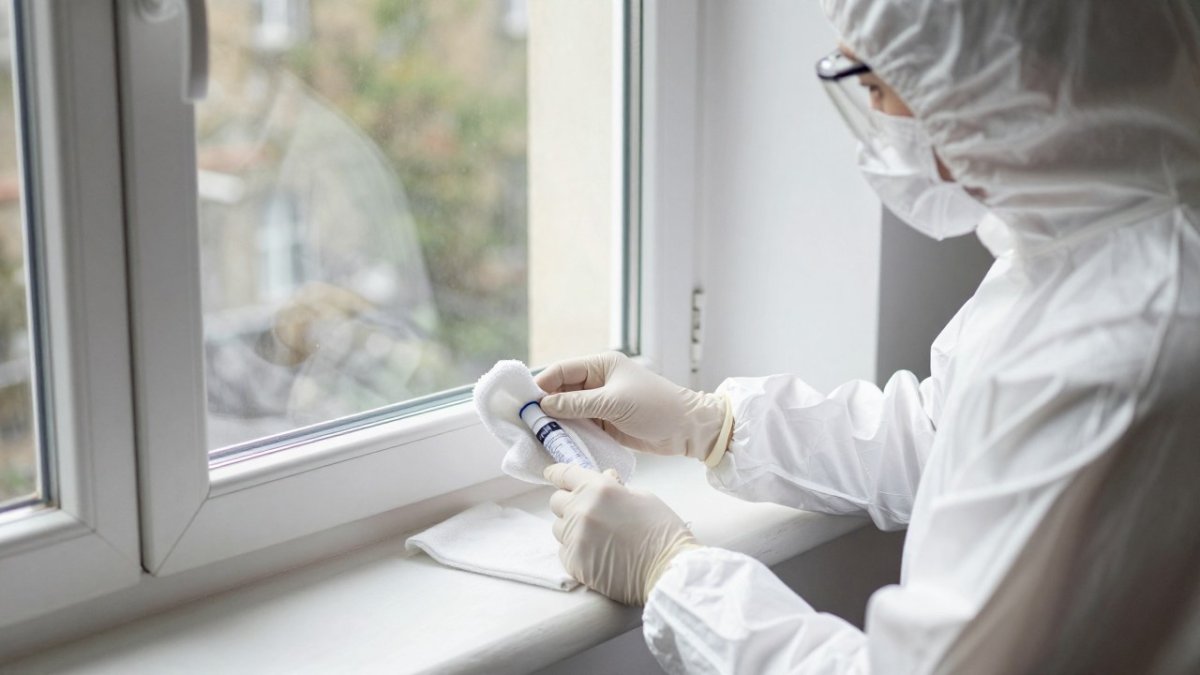
Lead dust wipe testing is the collection of dust samples from specific surfaces using treated wipes, followed by laboratory analysis to determine whether lead dust levels meet applicable standards. The wipe, not the eye, produces the evidence.
What matters is which method is used, what the result measures, and whether that method supports the certificate you need.
The Four Methods Landlords Encounter
- Visual assessment. An inspector walks the unit looking for deteriorating paint, damaged windows, and chewable surfaces. It is fast and cheap but produces no dust measurement; a unit can look clean and still fail a dust wipe. Visual assessment alone does not establish lead-safe status.
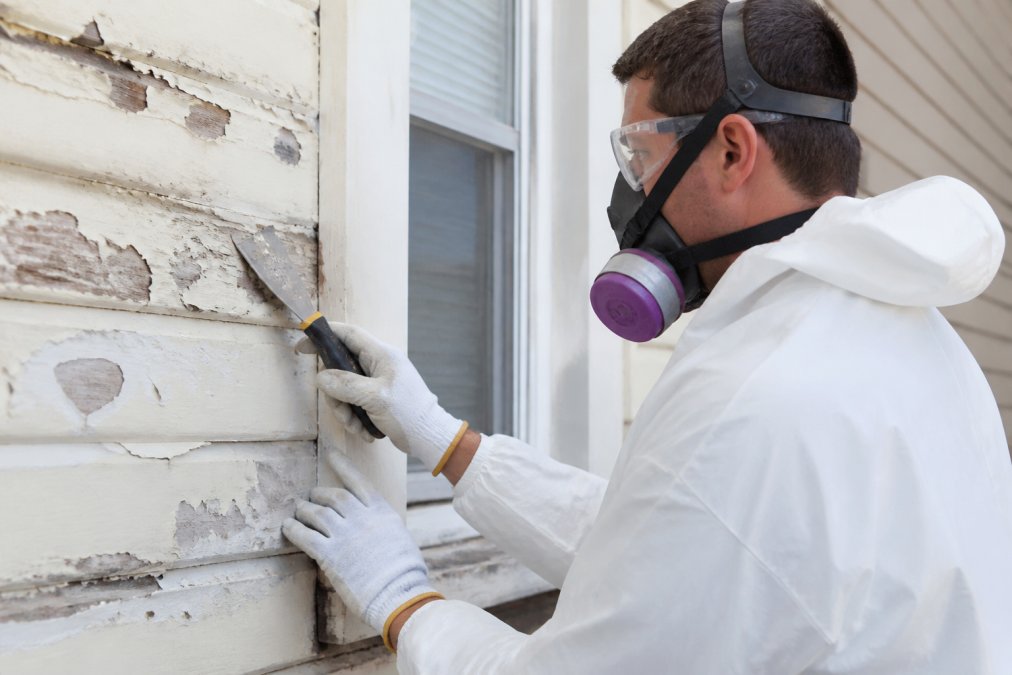
- Paint testing. An inspector tests painted surfaces, often with an XRF analyzer or lab-bound paint chips, to determine whether lead-based paint is present. This answers "is there lead paint here?", not "is the dust safe right now?"
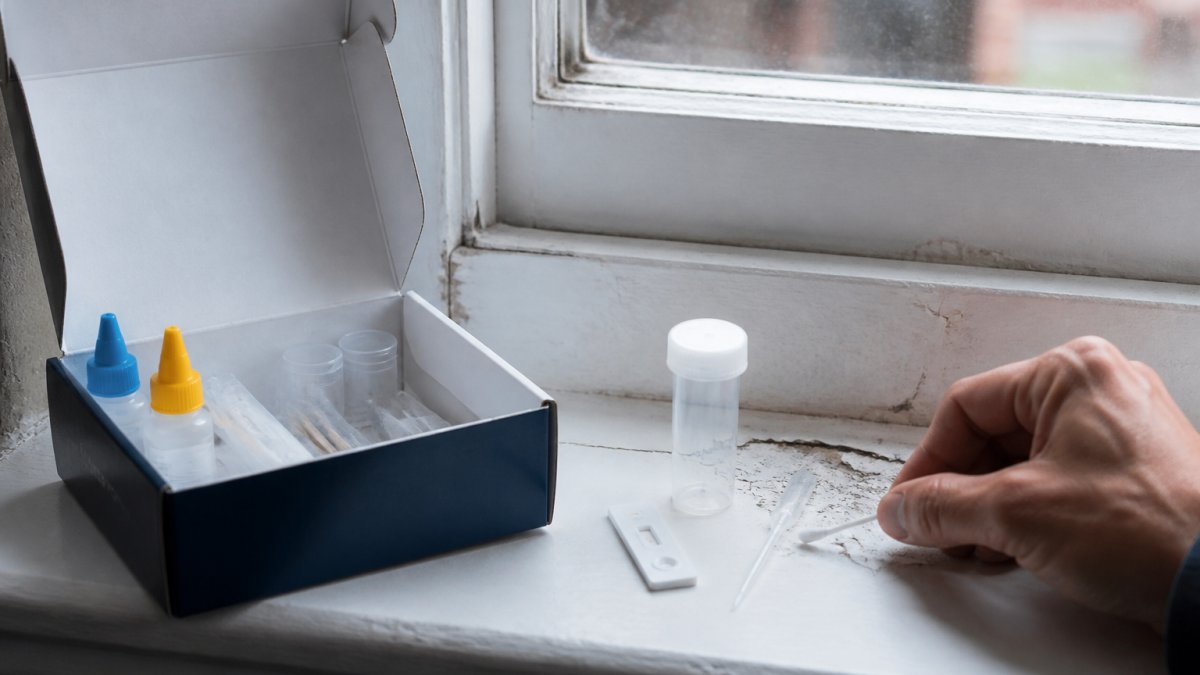
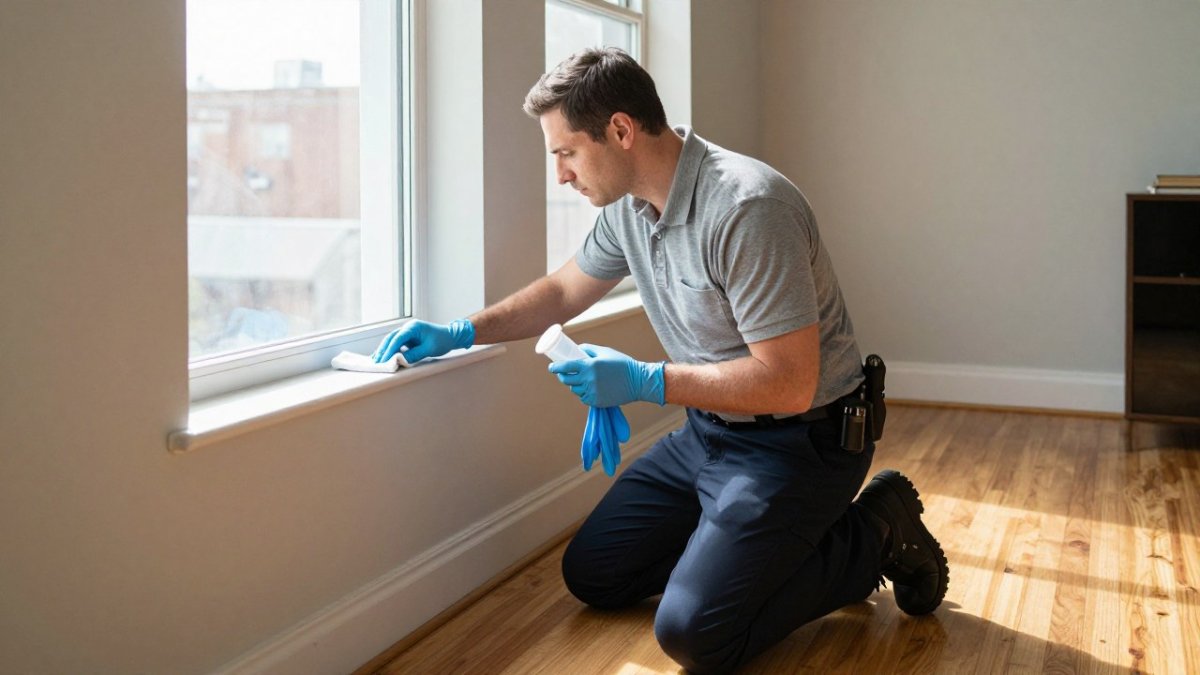
- Dust-wipe sampling. The inspector wipes a measured area of floor, windowsill, or window trough with a treated wipe, seals it in a labeled tube, and sends it to an accredited laboratory. The lab reports lead loading per area, compared against the applicable clearance standard.
For a rental certification, dust-wipe sampling is the method that matters. If a provider cannot tell you which surfaces will be wiped, how many samples the property will generate, and which laboratory will run them, you are not comparing inspection services, you are comparing sales pitches.
What the Process Actually Involves, Step by Step
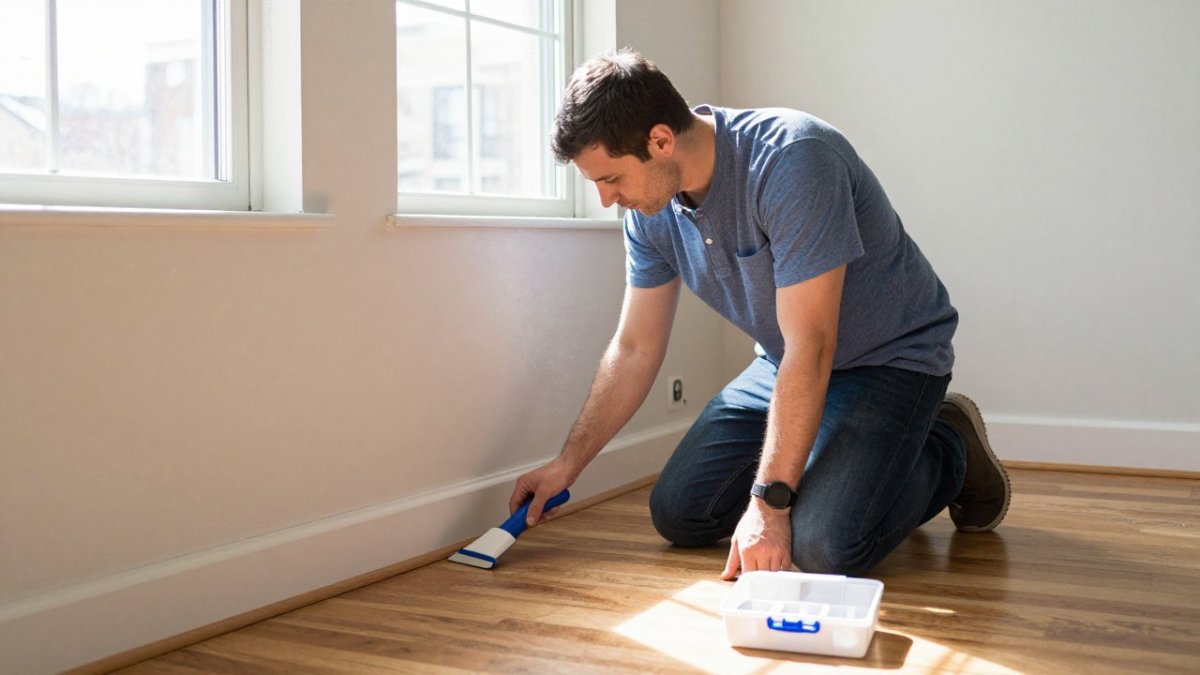
- Preparation review. The property should be cleaned using lead-safe methods beforehand, with floors, windowsills, and window troughs given particular attention. Dust can settle again after cleaning, so timing matters.
- Surface selection. The inspector identifies surfaces to sample, usually windows and floors in rooms where children are likely to be present, plus common areas and entryways. Sample count scales with the size and layout of the unit.
- Wipe collection. Each sample is taken with a fresh wipe over a measured area and placed in a labeled container. Cross-contamination invalidates results, so collection discipline is part of the service.
- Laboratory analysis. Samples go to an accredited lab, and results are reported against applicable clearance standards. The lab report, not the inspector's opinion, is the evidence.
- Documentation. You receive the report and, where requirements are met, the certification.
Watch out: skipping the cleaning step can leave dust on surfaces that affects results. Dust can be present even in a well-maintained unit.
What the Results Actually Mean
A dust-wipe result is a number compared against a clearance standard for the surface type. Floors, interior windowsills, and window troughs each carry their own threshold.
This is also why "the paint looks fine" is not a defense. Lead dust is often the residue of old friction surfaces, windows that rub, doors that stick, and it accumulates where children crawl and play.
For a detailed walkthrough of each stage, see our guide to the Philadelphia lead dust sampling process.
Lead Inspection Provider Qualifications: How to Check Credentials and Lab Accreditation
Credentials are the part of the decision landlords skip most often when comparing lead inspection providers, and the part that matters most.
Ask for the inspector's certification and verify it independently. Watch for these red flags:
- Verbal claims of certification with no documentation
- Samples sent to an unnamed or unaccredited lab
- No written scope of which areas will be tested
Laboratory accreditation matters, dust wipe results are only meaningful if the analysis is performed by a qualified lab. At 99leadsafe.com, dust samples are submitted to a qualified laboratory for analysis, and Lead-Safe Certificates are issued when results meet applicable requirements.
For a deeper checklist, read our guide to verifying lead inspector certification.
Questions to Ask About Laboratory Analysis and Results
Ask any provider these three questions before booking:
- Which laboratory analyzes the samples, and what accreditation does it hold? A provider that cannot name the lab is a provider you cannot verify.
- How are results reported, and against which standard? You want results you can read and compare, not a verbal "you passed."
- What happens if the property fails? The answer should include retesting options and clear guidance, not a surprise invoice.
If a provider dodges the failure question, that is your answer.
Lead-Safe Certification Documentation: What You Should Receive After Testing
Documentation is what the city reviews and what protects you in a dispute. After testing, you should receive a report identifying the property, the surfaces sampled, the laboratory results, and the certification status where applicable.
Keep the following in your records:
- The inspection report with sample locations and lab results
- The certificate itself, if the property met the applicable requirements
- The laboratory's analysis documentation
A certificate confirms the property met applicable standards when it was tested.
Our guide to lead-safe certification documentation covers the exact paperwork and records to retain.
Comparing Inspection Services: What Transparent Pricing and Turnaround Should Look Like
Transparent pricing means you know the total before the inspector arrives. Quotes vary widely because providers define scope differently: number of rooms, number of samples, and whether retesting is included all change the number. Comparing providers often comes down to exactly this, no common yardstick and a lease deadline. Apply one framework to every provider you consider.
The Comparison Framework
| What to Compare | What a Clear Provider Shows | Red Flag |
|---|---|---|
| Pricing structure | Flat rate by property size, quoted before booking | "Call for quote" only |
| Lab analysis | Named, accredited laboratory | Unnamed lab |
| Turnaround | Stated timeline in business days | "Whenever results come in" |
| Failed inspection | Written retesting policy | No answer |
| Documentation | Report plus certificate | Verbal confirmation only |
| Credentials | Verifiable certification record | Verbal claims only |
Turnaround and the Certification Workflow
Turnaround is where deadlines get won or lost. The workflow runs: schedule the inspection, complete the on-site wipe collection, ship samples to the lab, receive the lab report, and issue the certificate where results meet the standard.
At 99leadsafe.com, results typically return in 2-7 business days, and expedited service is available when a deadline is tight. Our pricing starts at $99 for a studio and scales by bedroom count, with $20 per additional room, so you can estimate the total before you book. You can review the full lead-safe inspection pricing to see how it applies to your property.
Watch out: a low on-site fee paired with an open-ended lab timeline is the most common way landlords miss a license renewal. Ask for the total timeline in business days, in writing, before you schedule.
Verify Credentials Independently
Do not take certification on faith. Ask for the inspector's certification and verify it against the state and EPA records rather than a business card. Confirm the laboratory is accredited and named on the report. Confirm the written scope lists which areas will be tested. A legitimate provider will point you to the record without hesitation; a provider that deflects is telling you something.
Decide by Your Situation
- Standard rental unit, renewal approaching. Prioritize a flat quoted price, a named lab, and a stated turnaround. This is the routine case, and it should not require a custom quote.
- Large or multi-unit property. Confirm how pricing scales by room and how many samples the property will generate, so the total is predictable.
- Tight deadline. Ask specifically about expedited lab handling and whether the certificate timeline is guaranteed or estimated.
If you are still weighing providers, our guide on how to choose a lead inspection company walks through the vetting questions in order, and our guide to verifying lead inspector certification covers the credential check in detail.
Book Your $99 Lead Dust Inspection and Get Compliance-Ready
The better question is not which company has a bigger name, but which company can show you credentials, name its lab, quote a flat rate, and explain what happens if the property fails.
That is the standard we hold ourselves to. 99leadsafe.com provides lead dust wipe inspections for rental properties, starting at $99, with samples submitted to a qualified laboratory, results in 2-7 business days, expedited service available, and documentation you can file. We explain the difference between Lead-Safe and Lead-Free certification up front, because unclear guidance is how landlords end up non-compliant.
If your rental license renewal or lease signing is approaching, do not wait on a vague quote. Visit 99leadsafe.com to learn about the process and book your $99 lead dust inspection.
Compliance deadlines do not move, and a certificate you cannot produce is a certificate you do not have. 99leadsafe.com offers flat-rate lead dust inspections starting at $99, laboratory analysis through a qualified lab, results in 2-7 business days, and Lead-Safe Certificates issued when applicable requirements are met. Get started with 99leadsafe.com and put verified documentation behind your rental license.
Frequently Asked Questions
What should landlords compare when choosing a lead inspection provider?
Compare credentials first: confirm the inspector holds the qualifications required for lead dust inspection and that samples go to an appropriately accredited laboratory. Then compare pricing transparency, how clearly the provider explains the difference between Lead Safe and Lead Free certification, turnaround time for results, and what happens if the property fails. Ask which areas will be tested before booking. A provider that answers these questions directly, in writing, is easier to hold accountable than one that only quotes a price over the phone.
What does a Philadelphia lead-safe inspection include?
A lead-safe inspection focuses on lead dust hazards rather than paint condition alone. The inspector performs a visual assessment of surfaces such as floors, windowsills, and window troughs, then collects dust wipe samples from those areas. Samples are submitted to a qualified laboratory for analysis, and results determine whether the property meets applicable lead dust safety standards at the time of testing. If results meet requirements, a Lead Safe Certificate is issued. Ask the provider to confirm exactly which rooms and surfaces will be sampled before the visit.
How can landlords verify that a lead inspection provider is qualified?
Ask for the inspector's credentials for lead dust inspection services and confirm the laboratory that will analyze your samples is appropriately accredited. Request a sample of the documentation you will receive so you can check it meets applicable local requirements. Confirm pricing, scheduling, and which areas will be tested before booking, and ask what happens if the property fails. At 99leadsafe.com, dust samples are submitted to a qualified laboratory for analysis, and Lead Safe Certificates are issued when results meet applicable requirements.
What is the difference between a lead-safe certificate and a lead-free certificate?
Many landlords don't realize these are different certifications. A Lead Safe Certificate generally confirms a property meets applicable lead dust safety standards at the time of testing. Lead Free status involves different inspection requirements entirely, including a more thorough evaluation of paint and surfaces. If your goal is rental compliance, confirm with your provider which certification your situation requires before scheduling, because the testing scope and documentation differ. Getting this wrong can mean paying for an inspection that doesn't satisfy what the city asks for.