 listicle
5 Best Practices for Lead Dust Safety in Childcare
Table of Contents
- Why Lead Dust Is the Top Hazard in Pre-1978 Childcare Buildings
- 1. Test First: Lead Dust Testing in Philadelphia Childcare Facilities
- 2. Master Lead-Safe Cleaning Procedures for Childcare Classrooms
- 3. Know the EPA Lead Dust Clearance Levels That Decide Pass or Fail
- 4. Control Bare Soil, Paint Chips, and Outdoor Play Areas
- 5. Build Daily Hand Hygiene and Toy-Washing Routines
- Budget-Friendly Lead Safety Checklist and Parent Communication Templates
- Conclusion: Turn These 5 Practices Into a Yearly Compliance Habit
- Frequently Asked Questions
Last Updated: October 1, 2026
Why Lead Dust Is the Top Hazard in Pre-1978 Childcare Buildings
Lead dust is the most common source of childhood lead exposure in older buildings, and childcare centers in pre-1978 housing face the highest risk because young children absorb lead more readily than adults. This guide covers five practical lead dust safety practices for childcare providers, from testing to daily cleaning routines.
The stakes are clear. CDC childhood lead poisoning prevention resources notes there is no safe blood lead level in children, and even low-level exposure is linked to developmental delays and learning difficulties. Lead dust settles on floors, window sills, and toys, which is exactly where toddlers spend their time.
Below, we'll walk through the five practices that matter most.
1. Test First: Lead Dust Testing in Philadelphia Childcare Facilities
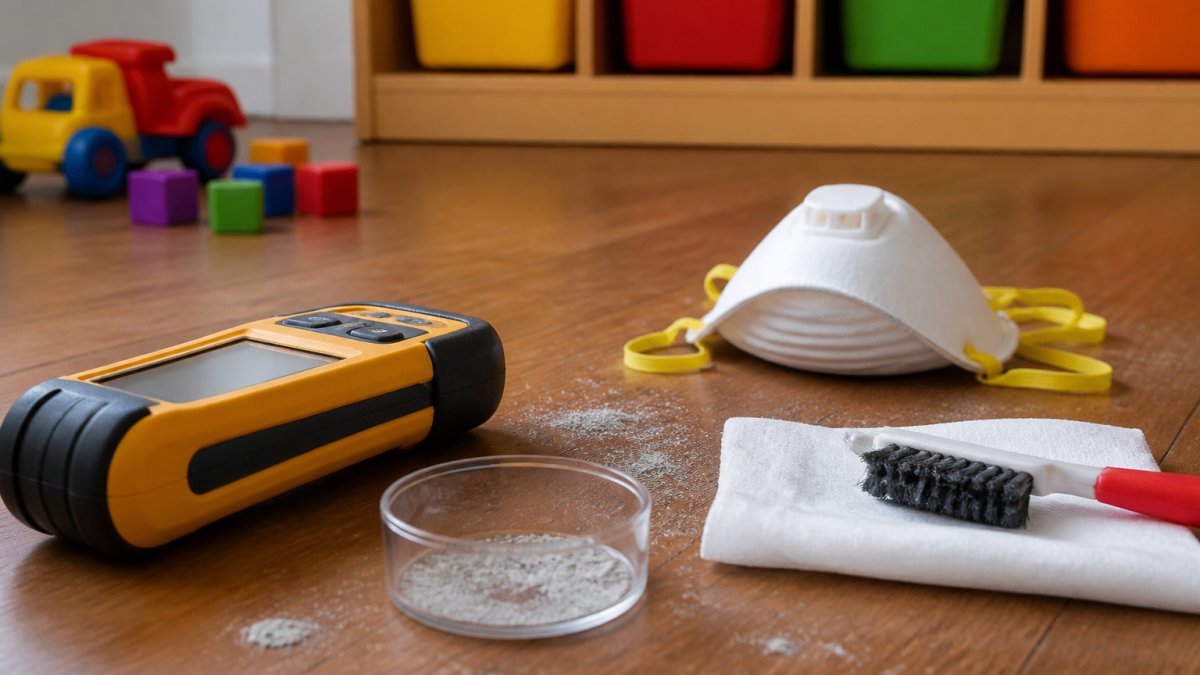
Before you change a single cleaning habit, get the building tested. Lead Dust Testing Philadelphia providers use dust wipe sampling to measure exactly how much lead is on surfaces, and that data tells you where to focus.
A common mistake is assuming a building is safe because the paint looks intact. Lead dust can accumulate from friction on old windows and doors without any visible paint chips.
What Dust Wipe Sampling Covers: Floors, Window Sills, and Troughs
Certified inspectors wipe specific surfaces: floors, window sills, and window troughs. Window troughs are the exterior channel where the sash sits, and they collect the highest concentrations of lead dust in most pre-1978 buildings.
At 99leadsafe.com, inspections start with EPA-approved lab analysis, and results typically return in 2-7 business days.
2. Master Lead-Safe Cleaning Procedures for Childcare Classrooms
Lead-safe cleaning procedures rely on wet methods, not dry sweeping or dusting. Dry sweeping just moves lead dust back into the air.
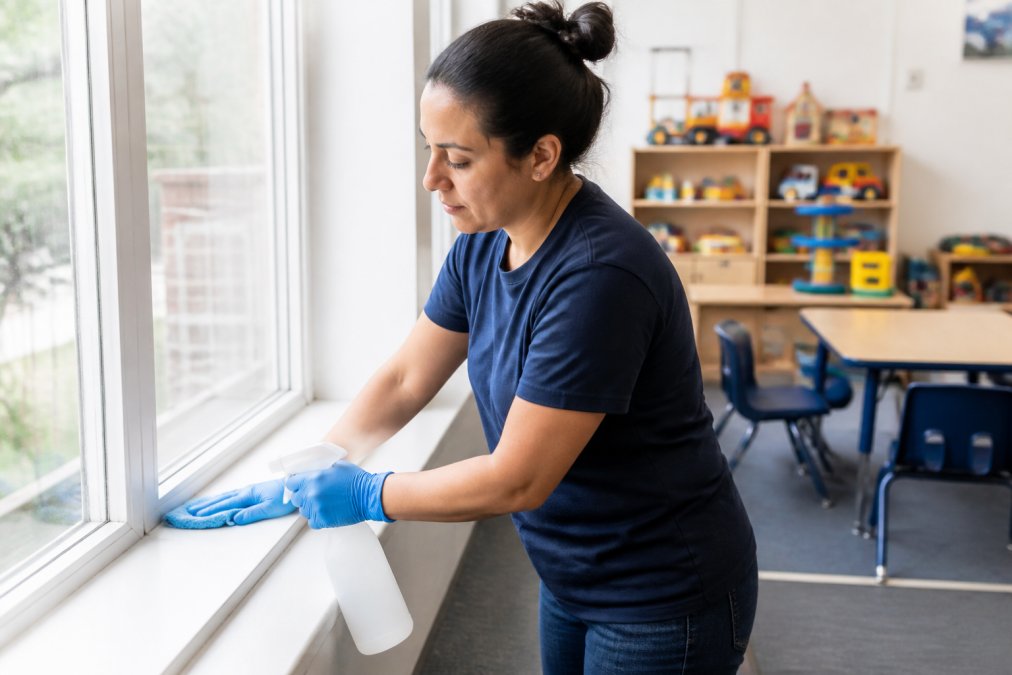
The routine is simple once you build it into the day:
- Wet-wipe floors, sills, and surfaces with a detergent solution
- Rinse mops and cloths thoroughly between rooms
- Wash hands after every cleaning session
- Clean high-touch surfaces like tables and toy bins daily
HEPA Vacuuming vs. Standard Cleaning: What Actually Removes Lead Dust
A certified HEPA vacuum removes lead dust that wet wiping alone can miss, especially in carpet and upholstery. Standard vacuums blow fine particles back into the room, which defeats the purpose.
3. Know the EPA Lead Dust Clearance Levels That Decide Pass or Fail
EPA lead dust clearance levels are the numeric thresholds a property must meet after cleaning, repair, or renovation before it can be considered lead-safe. The EPA lead-safe work practices guidance sets these standards, and inspectors compare lab results, reported in micrograms of lead per square foot (µg/ft²), against them surface by surface.
The Three Surface Categories That Get Tested
Clearance is never a single pass/fail number. Each surface category has its own threshold, and a property fails if any category exceeds its limit:
- Floors, the lowest threshold of the three, because floors are where toddlers crawl, sit, and play
- Interior window sills, mid-range threshold; sills collect dust that settles from friction on old sash windows
- Window troughs, the exterior channel where the sash sits; these collect the highest concentrations in most pre-1978 buildings and carry the highest threshold
A common pattern is a property that passes floors and sills but fails troughs, because troughs are the hardest surface to wet-wipe effectively and the easiest to overlook during a quick cleaning pass.
What Changed With the 2024 EPA Dust-Lead Revisions
Most guidance still circulating online reflects the older, looser thresholds. The EPA tightened its dust-lead hazard standards and clearance levels in 2024, which means a property that passed a clearance test under the previous numbers may not pass today. For landlords and childcare operators, the practical takeaway is simple: if your last dust wipe test predates the 2024 revisions, treat it as expired for compliance purposes and retest.
Why This Matters for Rental Compliance
For rental property owners, a failed clearance is not a paperwork problem, it is a habitability and licensing problem. In Philadelphia, rental properties with pre-1978 construction must demonstrate lead safety to maintain a rental license, and a failed dust wipe result means the unit cannot be certified until it is recleaned and retested.
Scheduling a retest quickly shortens that downtime.
How to Read Your Lab Report
When results come back, each sample is tied to a specific surface location. Compare each result to its category threshold, not to the other samples. A floor reading that looks high next to a trough reading may still be well under the floor limit, and vice versa. If any single sample exceeds its category limit, the property fails and requires recleaning and retesting of that surface.
4. Control Bare Soil, Paint Chips, and Outdoor Play Areas
Bare soil is the most overlooked lead hazard on rental properties. Lead from exterior paint, historic gasoline deposits, and decades of paint deterioration settles into soil. The exposure pathway is ingestion, not inhalation, which is why outdoor controls matter as much as indoor cleaning.
Why Bare Soil Tests Positive So Often
Soil lead does not break down. It accumulates. In older neighborhoods, exterior paint that has chipped, peeled, or been scraped over decades leaves lead in the top few inches of soil, especially along drip lines under windows, near porches, and around downspouts. A yard can look perfectly maintained and still have elevated soil lead under a thin layer of grass.
Practical Steps to Reduce Outdoor Exposure
- Cover bare soil with mulch, grass, or a ground cover, this is the single most effective barrier
- Check exterior paint on doors, windows, porches, and railings for chipping and peeling
- Redirect downspouts so water does not erode soil toward play areas
Paint Chips: The Landlord's Real Liability
Paint chips near doors, windows, and porches are the biggest single source of exterior lead dust. If you spot deteriorating paint, do not scrape or sand it yourself. That work requires a certified contractor with Renovation, Repair, and Painting (RRP) training, because improper removal spreads lead dust rather than eliminating it, and it can contaminate the soil you are trying to protect.
Connecting Outdoor Controls to Indoor Results
Outdoor lead and indoor lead are not separate problems. Soil tracked in on shoes lands on floors. Exterior paint dust blown through open windows settles on sills and troughs. That is why a complete lead safety routine covers both sides of the door: cover the soil, fix the friction surfaces, and wet-wipe the interior surfaces where that dust ends up.
5. Build Daily Hand Hygiene and Toy-Washing Routines
Build these into every day:
- Wash hands before eating, after outdoor play, and after nap time
- Use soap and running water, scrubbing for at least 20 seconds
- Wash toys weekly, and daily for items used by infants
- Keep a dedicated bin for toys that need washing
- Train staff on proper handwashing technique
Budget-Friendly Lead Safety Checklist and Parent Communication Templates
You do not need a large budget to reduce lead dust risk. Focus on the practices that remove the most dust for the least cost.
| Practice | Frequency | Cost Level |
|---|---|---|
| Wet wiping floors and sills | Daily | Low |
| HEPA vacuuming carpets | Weekly | Medium |
| Toy washing | Weekly | Low |
| Handwashing routine | Daily | Low |
| Professional dust testing | Annually | Medium |
Conclusion: Turn These 5 Practices Into a Yearly Compliance Habit
Lead dust safety is not a one-time project. It is a yearly cycle of testing, cleaning, and retesting that keeps your property compliant.
Frequently Asked Questions
What are the EPA standards for lead dust in childcare facilities?
The EPA sets clearance levels for lead dust after abatement, renovation, or cleaning. Professional dust wipe sampling is the only reliable way to confirm your property actually passes.
How often should childcare centers test for lead dust?
Test at least annually, and always after any renovation, painting, or repair that disturbs painted surfaces in a pre-1978 building. Test sooner if you notice chalking paint or visible dust near windows. Scheduling routine lead dust testing in Philadelphia keeps your certification current.
What is the most effective way to clean lead dust in a classroom?
Wet wiping with a detergent solution is the most effective method. Use disposable cloths, wipe surfaces thoroughly, and rinse. Follow with a HEPA vacuum on carpets and rugs, since standard vacuums can blow fine lead particles back into the air. Never dry sweep or dry dust, which spreads dust. Focus on window sills, floors, and frequently touched surfaces. Repeat cleaning until dust wipe sampling shows results below EPA lead dust clearance levels.
Why is lead dust particularly dangerous for children in childcare?
Lead is neurotoxic and can cause developmental delays, learning problems, and behavior issues, even at low blood lead levels. Surface dust can be a serious exposure risk that warrants regular testing and cleaning.
What documentation is required to prove a childcare facility is lead-safe?
You need a lead-safe certificate or clearance report from a certified inspector, backed by laboratory analysis of dust wipe samples from floors, window sills, and troughs. Keep the report, sampling dates, and any remediation records on file for licensing reviews. A professional inspection service provides the documentation and filing instructions you need to show compliance.