 how-to
Lead-Based Paint Inspection Cost: 2026 Pricing Guide
Table of Contents
- What Drives Lead-Based Paint Inspection Cost in 2026
- Lead Dust Wipe Sampling Cost and What It Covers
- Lead Paint Testing Kit vs Professional Inspection
- Lead-Based Paint Inspection Requirements for Rental Properties
- What Happens If Lead Is Found: Remediation and Retesting Costs
- Insurance and Financing Implications of Lead Paint
- How to Get an Accurate Quote for Lead-Based Paint Inspection
- Frequently Asked Questions
Last Updated: September 24, 2026
What Drives Lead-Based Paint Inspection Cost in 2026
The biggest factor in lead-based paint inspection cost is not the inspector's hourly rate. It is the size and age of your property, and how many surfaces need testing. At 99leadsafe.com, we offer transparent pricing for inspections. You can find details on our website.
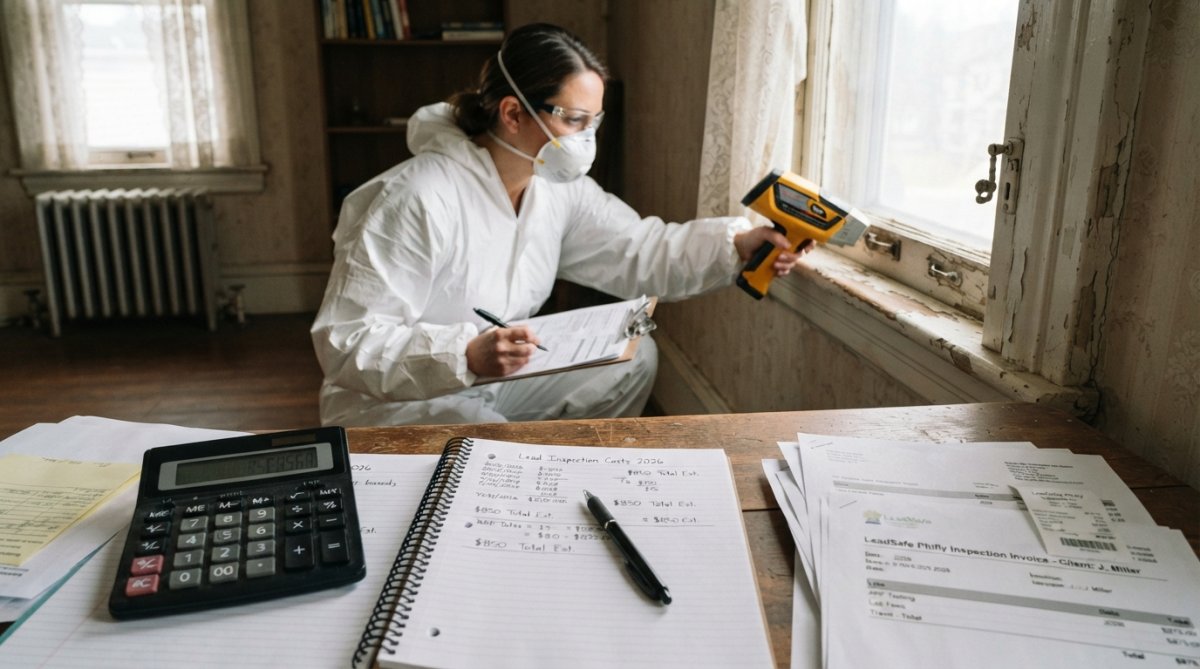
Lead-based paint inspection cost is the total fee a certified inspector charges to examine painted surfaces, collect samples, and deliver lab-backed results for a property. In practice, that fee reflects three things: how large the building is, how old it is, and how much lab analysis the job requires.
Most quotes you see online are national averages that ignore local conditions.
Property Size and Number of Units
Square footage sets the baseline for any quote. Larger homes mean more painted surfaces, more samples, and more lab fees. A multi-unit building multiplies that work by the number of units, since each dwelling needs its own testing and documentation.
Housing Age and Construction Type
Housing age matters because lead paint was banned for residential use in 1978. Homes built before that year carry real risk; homes built after generally do not need the same testing. Construction type matters too. Older wood-frame homes with layered paint and original windows require more samples than a newer structure with fewer painted surfaces.
Lead Dust Wipe Sampling Cost and What It Covers
Lead dust wipe sampling cost is usually bundled into the inspection fee, but it covers different work: collecting dust from floors, windowsills, and window troughs, then sending those wipes to a lab. Dust is often the real hazard in a home, more than intact paint itself.
| What's Tested | Method | Typical Turnaround |
|---|---|---|
| Painted surfaces | XRF analyzer or paint chip sampling | 2-7 business days |
| Dust on floors and sills | Lab-analyzed wipe samples | 2-7 business days |
| Soil | Lab analysis | 2-7 business days |
Lead Paint Testing Kit vs Professional Inspection
A lead paint testing kit is a low-cost DIY option that gives you a rough answer about one small spot. A professional inspection gives you a legally defensible report about the whole property. That difference, scope and legal weight, is the entire decision.
How DIY Kits Actually Work
The most common consumer kit is a chemical swab, a small ampoule of reagent that you crush and rub against a painted surface. If lead is present, the swab turns a specific color. The reaction only reads the layer of paint it touches.
Where DIY Kits Fall Short
- No documentation. A color-change swab produces no chain-of-custody record, no lab report, and no inspector signature. It cannot satisfy a disclosure obligation, a lender condition, or a child-care licensing requirement.
- No sampling plan. A professional inspection follows a defined protocol for how many samples to collect and where. A homeowner with a kit typically tests one or two spots and assumes the result applies to the building.
- False confidence. A negative swab on a pre-1978 home is the most dangerous result a kit can produce, because it can lead a family to stop worrying about a hazard that is still there.
- No hazard assessment. Even a confirmed positive does not tell you whether the paint is intact, deteriorating, or within a child's reach, which is what actually determines risk.
When a Kit Is the Right Call
A kit makes sense in a narrow band of situations: you own a pre-1978 home, you are doing a small repair on a single component, you want a quick read before deciding whether to hire a professional, and you are not using the result for any legal, rental, or real estate purpose. In that case, a kit is a cheap first look.
The Professional Alternative
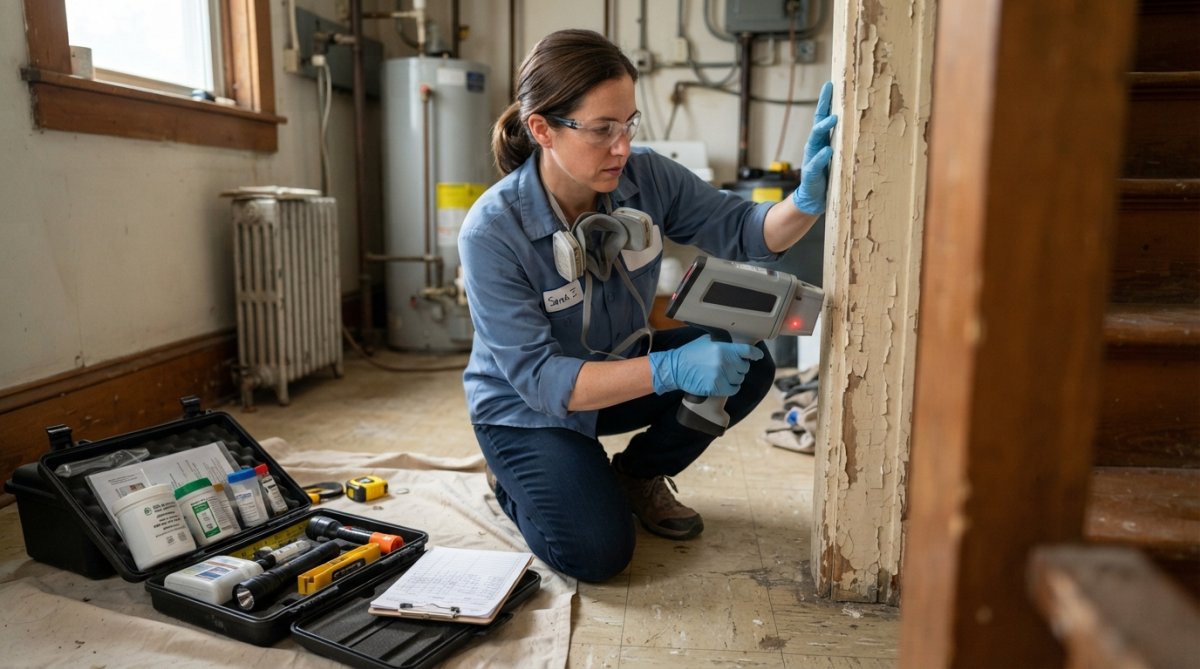
A certified inspector uses an XRF analyzer, which reads lead content through multiple layers of paint without damaging the surface, or collects paint chips for analysis at an accredited lab. Either method produces a written report with sample locations, results, and an inspector's certification number. That report is what a landlord files, what a buyer hands to a lender, and what a regulator accepts.
EPA's guidance on lead test kits and their limitations
Lead-Based Paint Inspection Requirements for Rental Properties
Lead-based paint inspection requirements depend on your property's age and use. For pre-1978 rental housing, federal law requires landlords to disclose known lead hazards before a lease is signed. That is the disclosure rule, and it applies regardless of whether you test.
- Pre-1978 rentals: disclose known hazards before signing
- Renovation work: follow lead-safe work practices
- Child-care facilities: check certification rules for your building's age
- Multi-unit buildings: document each unit separately
What Happens If Lead Is Found: Remediation and Retesting Costs
Finding lead is not the end of the process. It is the start of a second budget line, and it is usually the larger one. Remediation, also called abatement, covers the cost of removing or permanently sealing the hazard. Retesting, called clearance testing, confirms the work succeeded and produces the documentation a lender, landlord, or regulator will accept.
The Three Remediation Methods and How They Price
Encapsulation is the lowest-cost option in most cases. A specialized coating is applied over the painted surface to seal it. It is fast, low-dust, and works well on intact paint that is not chipping or within a child's chewable reach. The trade-off is that encapsulated surfaces must stay intact, future scraping, sanding, or renovation can break the seal and re-expose the hazard.
What Drives the Remediation Quote
- Number of flagged components. Each window, door, stair tread, and porch rail is a separate line item.
- Method mix. A job that encapsulates ten surfaces and replaces two windows prices very differently from one that removes everything.
- Occupancy. Vacant units are cheaper to remediate than occupied ones, because containment and scheduling are simpler.
- Clearance requirements. If the job must pass a dust clearance test, the contractor builds in cleanup and retesting time.
Clearance Testing Is a Separate Charge
Clearance testing is not the same as the original inspection. After abatement, a certified inspector, often a different one from the abatement contractor, to avoid a conflict of interest, returns to collect dust wipes from floors, windowsills, and window troughs. Those wipes go to an accredited lab, and results are compared against clearance standards. If any sample fails, the contractor cleans again and the inspector retests.
Budget the Three Line Items Separately
Inspection, remediation, and clearance testing are three separate invoices from potentially three separate parties. Homeowners who budget them as one number are the ones who get surprised. Ask your inspector, before you book, what a typical remediation scope looks like for a property of your size and age, a good inspector can describe the pattern even if they do not perform the abatement work.
Insurance and Financing Implications of Lead Paint
Insurance and financing are the two costs nobody warns you about. A confirmed lead hazard can affect property insurance, and some lenders require clearance documentation before they will finance a sale.
How to Get an Accurate Quote for Lead-Based Paint Inspection
An accurate quote starts with three details: square footage, year built, and unit count. Give those to any inspector and you will get a realistic number instead of a national average.
Frequently Asked Questions
Does homeowners insurance cover lead paint removal?
Most standard homeowners insurance policies do not cover lead paint removal or abatement. Insurers typically classify lead as a pollutant and exclude it from coverage. If lead is found during a lead-based paint inspection, remediation costs usually come out of pocket. Some landlords add a rider or seek specialized environmental liability coverage, but these policies are less common and often cost more. Check your specific policy language before assuming coverage.
Can I test for lead-based paint myself?
DIY lead paint testing kits are available at hardware stores and online. They use chemical swabs that change color when lead is present. However, these kits only test the specific spot you swab and can miss lead in other layers of paint. They also do not produce the documentation needed for EPA compliance or rental certification. For legal compliance, a certified inspector using an XRF analyzer or lab-analyzed paint chip sampling is required.
What is the difference between a lead inspection and a risk assessment?
A lead-based paint inspection identifies whether lead paint is present and where. It uses XRF analyzers or paint chip sampling to test each surface. A risk assessment goes further by evaluating lead hazards like deteriorating paint, lead dust, and soil contamination that could cause lead poisoning. Risk assessments include dust wipe sampling and are often required for certain rental properties. Both must be performed by certified professionals.
How long does a professional lead-based paint inspection take?
A typical lead-based paint inspection for a single-family home takes 1 to 3 hours on site, depending on square footage and the number of surfaces tested. Multi-unit properties take longer. Lab analysis adds 2 to 7 business days for paint chip samples and dust wipes. Expedited turnaround is available from some providers for an additional fee. Schedule early if you have a lease signing or real estate transaction deadline.
Lead paint compliance in older properties comes with real deadlines and real penalties. 99leadsafe.com handles the inspection, the EPA-approved lab analysis, and the certification paperwork so you can meet them without guesswork. With a $99 lead-safe inspection, results in 2-7 business days, and expedited service when timing is tight, you get clear answers and the documentation to act on them. Get started with 99leadsafe.com and secure the certification your property needs.